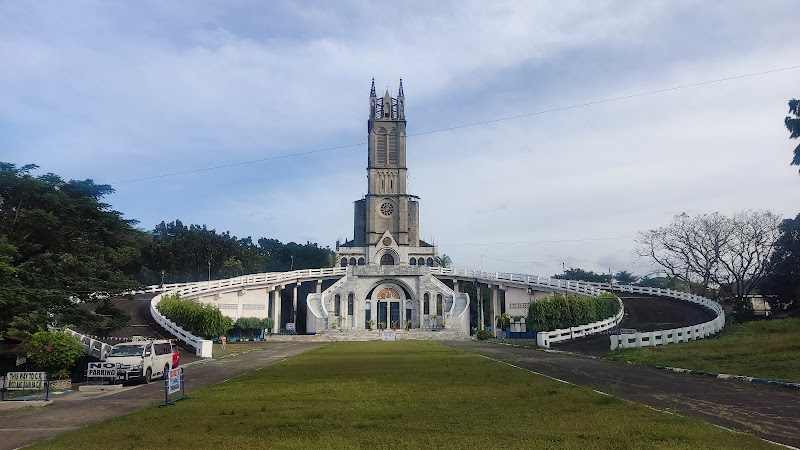
The Lourdes Grotto Church stands as a remarkable testament to faith and architectural beauty, drawing visitors from around the world who seek both spiritual reflection and an appreciation for sacred spaces.
Highlights & Key Features
Key Features
Best Time to Visit
How to Get There
Tips for Visiting
Visitor Guide & Information
Description
Walking through the grounds, one can’t help but feel transported to another time and place. The grotto itself recreates the famous apparition site in Lourdes, France, where Saint Bernadette witnessed visions of the Virgin Mary back in 1858. It’s fascinating how religious communities across the globe have built these replicas, and this particular interpretation carries its own distinct character and charm.
What struck me most during my research was how this church manages to balance its role as an active place of worship with its function as a destination for curious travelers. You’ll find people lighting candles in quiet prayer right alongside tourists snapping photos and admiring the craftsmanship. There’s something genuine about that coexistence—it doesn’t feel commercialized or forced.
The grotto structure features the traditional cave-like formation with a statue of Our Lady positioned where she would have appeared to Bernadette. Many visitors come specifically to pray here, filling bottles with water from the spring in hopes of healing or simply as a blessed keepsake. The attention to detail in recreating this sacred space shows the dedication of those who built and maintain it.
Beyond the grotto itself, the church building offers its own architectural interest. The design elements reflect traditional Catholic church aesthetics while incorporating features that make the space welcoming to modern visitors. The interior provides a peaceful sanctuary from outside noise and bustle, with light filtering through stained glass windows creating those ethereal moments that make religious spaces so photogenic and contemplative.
Key Features
Visitors to the Lourdes Grotto Church will discover several noteworthy elements that enhance their experience:
• The Replica Grotto: A carefully constructed recreation of the original Lourdes grotto in France, complete with the iconic statue of the Virgin Mary positioned in the rocky alcove. The attention to authentic details makes it feel like stepping into a piece of European religious history.
• Sacred Spring: Following the tradition of Lourdes, a spring provides blessed water that visitors can collect. Many people bring containers specifically for this purpose, believing in the healing properties associated with Lourdes water.
• Accessibility Features: The church provides wheelchair-accessible entrances and parking areas, ensuring that visitors with mobility challenges can fully experience the site without barriers. This thoughtful inclusion makes it genuinely welcoming to all pilgrims and tourists.
• Peaceful Grounds: The surrounding area offers space for quiet reflection and walking. Gardens and seating areas give visitors time to sit, pray, or simply enjoy the tranquil atmosphere away from daily stresses.
• Prayer Candle Station: Like many Catholic churches, there’s a designated area where visitors can light votive candles as part of their prayers or in memory of loved ones. The flickering flames create a moving visual experience.
• Visitor Amenities: Restroom facilities are available on-site, which honestly makes a bigger difference than people realize when planning a visit that might last an hour or more.
• Active Parish Community: The church hosts regular masses and services, giving travelers the option to participate in authentic worship if they time their visit accordingly.
Best Time to Visit
Timing your visit to the Lourdes Grotto Church can significantly impact your experience, and there’s definitely some strategy involved in choosing when to go.
For those seeking a more contemplative, less crowded experience, weekday mornings tend to be ideal. You’ll find the grounds quieter, allowing for personal reflection without feeling rushed or distracted by large tour groups. The morning light also creates beautiful photographic opportunities, particularly as it illuminates the grotto area.
Religious feast days and Sundays naturally draw larger crowds of parishioners attending mass. While this means more people, it also offers a chance to experience the church in its full spiritual context—hearing the choir, witnessing the congregation’s devotion, and feeling that sense of communal faith. If you’re interested in the cultural aspects of Catholic worship, attending during these times provides authentic insight.
Weather considerations matter too, especially since part of your visit involves outdoor areas around the grotto. Spring and fall typically offer the most comfortable temperatures for walking the grounds and spending extended time outside. Summer can work well, though you might want to visit earlier in the day before temperatures peak. Winter visits have their own appeal—there’s something particularly moving about seeing the grotto with a dusting of snow or frost, though you’ll want to dress warmly.
Special events and pilgrimages occasionally take place throughout the year. These gatherings bring incredible energy to the site but also mean limited parking and crowded facilities. Check the parish calendar if you want to either participate in or avoid these larger assemblies.
I’d personally recommend a late afternoon visit on a Tuesday or Wednesday. You get decent light for photos, the morning rush has passed, and there’s still time to explore without feeling hurried before closing time approaches.
How to Get There
Reaching the Lourdes Grotto Church requires a bit of planning, but it’s certainly manageable for most travelers with various transportation options available.
For those driving, GPS navigation systems will get you there without much trouble. The church provides parking facilities on-site, including designated wheelchair-accessible spaces close to the entrance. Parking availability is generally good except during major services or special events when spaces fill up quickly. Arriving 15-20 minutes before you plan to explore gives you buffer time to find a spot and not feel stressed.
If you’re staying in nearby accommodations, ride-sharing services like Uber or Lyft offer convenient door-to-door transportation. Just be aware that depending on the location’s remoteness, return rides might take a few minutes to arrive, so don’t cut your schedule too tight if you have other commitments afterward.
Some organized religious tours include the Lourdes Grotto Church as part of their itinerary, particularly those focusing on Catholic pilgrimage sites. These guided experiences provide transportation along with historical and spiritual context that enhances understanding of what you’re seeing.
Public transportation options vary depending on the specific location, so researching local bus routes beforehand saves frustration. Some church websites or visitor information centers can advise on which routes stop nearest to the property.
The wheelchair-accessible parking and entrance make arriving straightforward for visitors with mobility devices. The church has clearly prioritized making the site reachable for everyone, which isn’t always the case with older religious buildings.
Tips for Visiting
Making the most of your visit to the Lourdes Grotto Church involves some practical preparation and awareness of church etiquette—even if you’re not Catholic or particularly religious yourself.
First thing—dress code matters here. While you won’t find strict enforcement like at some European cathedrals, wearing respectful attire shows consideration for those who’ve come to worship. That means covering shoulders and knees, basically. You don’t need to dress formally, but maybe skip the beach wear or shirts with potentially offensive slogans. When in doubt, bring a light scarf or cardigan that can cover bare shoulders.
Bring containers if you want to collect water from the spring. Any clean bottles work—some people bring elaborate decorative vessels, others use simple plastic water bottles. There’s no judgment about what you use, the spiritual significance remains the same.
Photography is generally permitted in the grotto area and on the grounds, but be mindful about using flash inside the church during services. And honestly? Put the phone down occasionally and just experience the moment. I know that sounds preachy, but there’s something about sacred spaces that deserves our full attention sometimes.
Silence and quiet voices are appreciated, especially inside the church building itself. People come here specifically seeking peace and prayer, so loud conversations or phone calls really disrupt that atmosphere for others. Save the excited discussions for once you’re back in the parking lot.
If you’re visiting during mass or a service and you’re not Catholic, you’re still welcome to attend and observe. Just know that communion is reserved for practicing Catholics, so remaining seated during that portion shows respect for their traditions.
Plan for at least 45 minutes to an hour if you want to see everything without rushing. You can certainly spend longer if you’re drawn to pray or meditate, but that timeframe covers walking the grounds, visiting the grotto, and spending time in the church itself.
The restroom facilities are there—use them! Don’t be shy about it. The church provides these amenities specifically for visitors’ comfort.
Consider bringing cash for candle donations. While not required, leaving a small offering when lighting prayer candles helps maintain the church and supports their ministry work.
If you have questions about the site’s history or significance, don’t hesitate to ask staff or volunteers you encounter. Most are happy to share information and stories about the church and grotto. These personal interactions often become the most memorable parts of a visit.
Finally, approach your visit with openness. Whether you’re a devout Catholic, someone from another faith tradition, or not religious at all, the Lourdes Grotto Church offers something meaningful. It might be spiritual connection, architectural appreciation, historical interest, or simply a moment of peace in a hectic travel schedule. Whatever brings you there, you’ll likely leave with more than you expected.
The Lourdes Grotto Church stands as a remarkable testament to faith and architectural beauty, drawing visitors from around the world who seek both spiritual reflection and an appreciation for sacred spaces. This Catholic church has earned its reputation as more than just a place of worship—it’s become a genuine tourist attraction that speaks to believers and history enthusiasts alike.
Walking through the grounds, one can’t help but feel transported to another time and place. The grotto itself recreates the famous apparition site in Lourdes, France, where Saint Bernadette witnessed visions of the Virgin Mary back in 1858. It’s fascinating how religious communities across the globe have built these replicas, and this particular interpretation carries its own distinct character and charm.
What struck me most during my research was how this church manages to balance its role as an active place of worship with its function as a destination for curious travelers. You’ll find people lighting candles in quiet prayer right alongside tourists snapping photos and admiring the craftsmanship. There’s something genuine about that coexistence—it doesn’t feel commercialized or forced.
The grotto structure features the traditional cave-like formation with a statue of Our Lady positioned where she would have appeared to Bernadette. Many visitors come specifically to pray here, filling bottles with water from the spring in hopes of healing or simply as a blessed keepsake. The attention to detail in recreating this sacred space shows the dedication of those who built and maintain it.
Beyond the grotto itself, the church building offers its own architectural interest. The design elements reflect traditional Catholic church aesthetics while incorporating features that make the space welcoming to modern visitors. The interior provides a peaceful sanctuary from outside noise and bustle, with light filtering through stained glass windows creating those ethereal moments that make religious spaces so photogenic and contemplative.
Key Features
Visitors to the Lourdes Grotto Church will discover several noteworthy elements that enhance their experience:
• The Replica Grotto: A carefully constructed recreation of the original Lourdes grotto in France, complete with the iconic statue of the Virgin Mary positioned in the rocky alcove. The attention to authentic details makes it feel like stepping into a piece of European religious history.
• Sacred Spring: Following the tradition of Lourdes, a spring provides blessed water that visitors can collect. Many people bring containers specifically for this purpose, believing in the healing properties associated with Lourdes water.
• Accessibility Features: The church provides wheelchair-accessible entrances and parking areas, ensuring that visitors with mobility challenges can fully experience the site without barriers. This thoughtful inclusion makes it genuinely welcoming to all pilgrims and tourists.
• Peaceful Grounds: The surrounding area offers space for quiet reflection and walking. Gardens and seating areas give visitors time to sit, pray, or simply enjoy the tranquil atmosphere away from daily stresses.
• Prayer Candle Station: Like many Catholic churches, there’s a designated area where visitors can light votive candles as part of their prayers or in memory of loved ones. The flickering flames create a moving visual experience.
• Visitor Amenities: Restroom facilities are available on-site, which honestly makes a bigger difference than people realize when planning a visit that might last an hour or more.
• Active Parish Community: The church hosts regular masses and services, giving travelers the option to participate in authentic worship if they time their visit accordingly.
Best Time to Visit
Timing your visit to the Lourdes Grotto Church can significantly impact your experience, and there’s definitely some strategy involved in choosing when to go.
For those seeking a more contemplative, less crowded experience, weekday mornings tend to be ideal. You’ll find the grounds quieter, allowing for personal reflection without feeling rushed or distracted by large tour groups. The morning light also creates beautiful photographic opportunities, particularly as it illuminates the grotto area.
Religious feast days and Sundays naturally draw larger crowds of parishioners attending mass. While this means more people, it also offers a chance to experience the church in its full spiritual context—hearing the choir, witnessing the congregation’s devotion, and feeling that sense of communal faith. If you’re interested in the cultural aspects of Catholic worship, attending during these times provides authentic insight.
Weather considerations matter too, especially since part of your visit involves outdoor areas around the grotto. Spring and fall typically offer the most comfortable temperatures for walking the grounds and spending extended time outside. Summer can work well, though you might want to visit earlier in the day before temperatures peak. Winter visits have their own appeal—there’s something particularly moving about seeing the grotto with a dusting of snow or frost, though you’ll want to dress warmly.
Special events and pilgrimages occasionally take place throughout the year. These gatherings bring incredible energy to the site but also mean limited parking and crowded facilities. Check the parish calendar if you want to either participate in or avoid these larger assemblies.
I’d personally recommend a late afternoon visit on a Tuesday or Wednesday. You get decent light for photos, the morning rush has passed, and there’s still time to explore without feeling hurried before closing time approaches.
How to Get There
Reaching the Lourdes Grotto Church requires a bit of planning, but it’s certainly manageable for most travelers with various transportation options available.
For those driving, GPS navigation systems will get you there without much trouble. The church provides parking facilities on-site, including designated wheelchair-accessible spaces close to the entrance. Parking availability is generally good except during major services or special events when spaces fill up quickly. Arriving 15-20 minutes before you plan to explore gives you buffer time to find a spot and not feel stressed.
If you’re staying in nearby accommodations, ride-sharing services like Uber or Lyft offer convenient door-to-door transportation. Just be aware that depending on the location’s remoteness, return rides might take a few minutes to arrive, so don’t cut your schedule too tight if you have other commitments afterward.
Some organized religious tours include the Lourdes Grotto Church as part of their itinerary, particularly those focusing on Catholic pilgrimage sites. These guided experiences provide transportation along with historical and spiritual context that enhances understanding of what you’re seeing.
Public transportation options vary depending on the specific location, so researching local bus routes beforehand saves frustration. Some church websites or visitor information centers can advise on which routes stop nearest to the property.
The wheelchair-accessible parking and entrance make arriving straightforward for visitors with mobility devices. The church has clearly prioritized making the site reachable for everyone, which isn’t always the case with older religious buildings.
Tips for Visiting
Making the most of your visit to the Lourdes Grotto Church involves some practical preparation and awareness of church etiquette—even if you’re not Catholic or particularly religious yourself.
First thing—dress code matters here. While you won’t find strict enforcement like at some European cathedrals, wearing respectful attire shows consideration for those who’ve come to worship. That means covering shoulders and knees, basically. You don’t need to dress formally, but maybe skip the beach wear or shirts with potentially offensive slogans. When in doubt, bring a light scarf or cardigan that can cover bare shoulders.
Bring containers if you want to collect water from the spring. Any clean bottles work—some people bring elaborate decorative vessels, others use simple plastic water bottles. There’s no judgment about what you use, the spiritual significance remains the same.
Photography is generally permitted in the grotto area and on the grounds, but be mindful about using flash inside the church during services. And honestly? Put the phone down occasionally and just experience the moment. I know that sounds preachy, but there’s something about sacred spaces that deserves our full attention sometimes.
Silence and quiet voices are appreciated, especially inside the church building itself. People come here specifically seeking peace and prayer, so loud conversations or phone calls really disrupt that atmosphere for others. Save the excited discussions for once you’re back in the parking lot.
If you’re visiting during mass or a service and you’re not Catholic, you’re still welcome to attend and observe. Just know that communion is reserved for practicing Catholics, so remaining seated during that portion shows respect for their traditions.
Plan for at least 45 minutes to an hour if you want to see everything without rushing. You can certainly spend longer if you’re drawn to pray or meditate, but that timeframe covers walking the grounds, visiting the grotto, and spending time in the church itself.
The restroom facilities are there—use them! Don’t be shy about it. The church provides these amenities specifically for visitors’ comfort.
Consider bringing cash for candle donations. While not required, leaving a small offering when lighting prayer candles helps maintain the church and supports their ministry work.
If you have questions about the site’s history or significance, don’t hesitate to ask staff or volunteers you encounter. Most are happy to share information and stories about the church and grotto. These personal interactions often become the most memorable parts of a visit.
Finally, approach your visit with openness. Whether you’re a devout Catholic, someone from another faith tradition, or not religious at all, the Lourdes Grotto Church offers something meaningful. It might be spiritual connection, architectural appreciation, historical interest, or simply a moment of peace in a hectic travel schedule. Whatever brings you there, you’ll likely leave with more than you expected.
The Our Lady of Lourdes Grotto Shrine in San Jose del Monte, Bulacan is honestly one of those places you don’t expect to find so close to Manila. It’s just 30 kilometers northeast of the capital, but it feels like you’ve left the city far behind.
This Catholic pilgrimage site was put up on February 11, 1965, by the Guanzon family. They built it as a replica of France’s Lourdes Basilica, right down to the man-made grotto and a spring that’s rumored to be miraculous.
For nearly sixty years, Filipino devotees have been coming here, filling bottles with holy water from the spring. The shrine sprawls across 25 hectares—plenty of space for reflection, or just wandering around if you’re not in a hurry.
What really sets this place apart is the mix of spiritual energy and the natural setting. The Guanzon family originally built the shrine as a thank you for healing from cancer, and it stayed in their hands until July 2024, when they finally donated it to the Diocese of Malolos.
Whether you’re on a quest for spiritual renewal or just curious about one of Bulacan’s most beloved religious sites, the grotto gives you an inside look at Filipino Catholic devotion. There’s a certain atmosphere you just can’t fake.
Key Takeaways
Replica of France’s Lourdes Basilica, built by the Guanzon family in 1965
Holy water from the spring—many believe it’s got healing powers
Only recently turned over to the Diocese of Malolos after decades as private property
About Lourdes Grotto Church
The Our Lady of Lourdes Grotto Shrine in San Jose del Monte isn’t your average Catholic church. It’s got a backstory that’s both personal and pretty remarkable, and you feel that when you walk through the gates.
This spot is basically a slice of French sacred architecture, transplanted right into Bulacan. There’s a lot of heart behind its creation, and you can sense it.
History and Significance
The shrine opened on February 11, 1965, thanks to Horacio and Anita Guidote-Guanzon. But really, this story starts in 1961—Anita was diagnosed with cancer and told she had just six months to live.
Her family made a pilgrimage to Lourdes, France, and after that, Anita was convinced she’d been healed. She went on to live for three more decades.
In gratitude, she and her husband created this grotto shrine as a permanent thank you for her recovery. The church itself is a replica of the Rosary Basilica in France.
For twenty years—from 2004 to 2024—the Diocese of Malolos didn’t officially recognize it as a pilgrimage site due to some long-running management disputes. That changed when the Guanzon family donated the property in July 2024, finally bringing it fully under the church’s wing.
What Makes It Special
If you time your visit right, you’ll see thousands of devotees making the annual Maundy Thursday penitential walk from northern Metro Manila to the shrine. It’s a tradition that’s been alive since 1966, and honestly, it’s moving to witness.
You’ll notice the architecture mirrors the sacred spaces of Lourdes, France—something you just won’t find anywhere else in the Philippines. During Lent, Catholic pilgrims flock here, but you’ll also spot folks from the Philippine Independent Church coming for their own moments of reflection.
People come seeking healing, renewal, or just a bit of peace. The mix of French design and Filipino faith creates an atmosphere you don’t get at your typical parish church.
What to See and Do
The grotto is a quiet retreat for prayer and reflection. There are replica structures inspired by the French original, and the hilltop setting is almost cinematic when the light hits just right.
Main Attractions and Highlights
The star of the show is the replica of the Rosary Basilica, which is almost eerily faithful to the original in France. There’s the grotto cave itself, where visitors line up to pray and collect holy water—locals swear by it and often bring bottles to take home.
You can walk the Stations of the Cross, which snake through the grounds. If you’re here during Holy Week, you’ll see devotees making the journey on foot all the way from Caloocan or Valenzuela.
There’s a hilltop viewing deck with sweeping views of Bulacan’s landscape. The grounds are spacious—plenty of room for quiet contemplation or a family picnic after prayers.
It’s not just for Catholics; you’ll see other Christian denominations here too. The vibe is inclusive, which is honestly refreshing.
Best Time to Visit
Lenten season is when the crowds really swell, especially on Maundy Thursday. If you’re not a fan of crowds, weekdays outside of Holy Week are your best bet.
February 11—the Feast of Our Lady of Lourdes—is the shrine’s big day. Expect a festive atmosphere and lots of devotees.
Weekends, especially mornings, can get busy. If you’re visiting during rainy season, bring an umbrella—the hilltop gets slippery, and there isn’t always shelter.
Visitor Information
You’ll find the shrine in Barangay Graceville, about 30 kilometers northeast of Manila. Pilgrims come year-round, but it’s good to know how to get there and what to expect.
Location and How to Get There
The Our Lady of Lourdes Grotto Shrine is right in Barangay Graceville, San Jose del Monte City, Bulacan. If you’re driving from Manila, just hop onto the North Luzon Expressway (NLEX), take the Santa Rita exit, and follow the signs for San Jose del Monte.
From spots like Valenzuela or Quezon City, public transport is an option. Buses run to San Jose del Monte from major terminals, and once you’re in town, tricycles can get you straight to the shrine.
The place is huge—25 hectares—so you really can’t miss it once you’re nearby. Locals are friendly and will point you in the right direction if you’re lost.
During Lent, expect heavier traffic, especially with pilgrims walking from places like Balintawak or Malinta. Plan ahead if you’re coming during peak season.
Tips for Visitors
It’s a good idea to check the local schedule for Lourdes Grotto Church before you go. The hours sometimes shift, especially around big feast days or during Holy Week.
Crowds? Expect them to swell on February 11—the Feast of Our Lady of Lourdes draws pilgrims from all over Bulacan and beyond. Honestly, if you prefer quiet, aim for a weekday.
Dress modestly. This isn’t just a suggestion; it’s a nod to the deep-rooted faith that pulses through every corner of the grounds. Comfortable shoes are a must—trust me, you’ll be winding through prayer stations and up to the replica Rosary Basilica, and the paths can be a bit uneven.
Don’t forget to bring an empty bottle if you want to collect water from the spring. It’s a quirky tradition, and you’ll see others filling up too.
The congregation here is genuinely warm. Whether you’re Catholic or just someone who loves sacred spaces and a bit of history, you’ll feel welcome.
Since July 2024, the Diocese of Malolos has been in charge. Masses and rites follow the standard Catholic liturgy, but there’s something about attending one here that feels extra special.
Explore verified points of interest within walking or short transit distance.
No neighboring places mapped within 5 km yet.
Find Places to Stay Nearby
Stay22 provides this accommodation search. We may earn a commission if you book through it; verify current prices and terms with the provider.
🗺️
Interactive accommodation map requires marketing cookies to display live rates.
Recommended Experiences & Activities
GetYourGuide provides this tour inventory. We may earn a commission if you book through it; verify current availability, prices, and terms with the provider.
Top Viator Experiences & Guided Tours in San Jose Delmonte Bulacan
We may earn a commission if you book through links on this page at no extra cost to you. All tours feature verified customer reviews and flexible cancellation options.