

Our Lady of Lourdes Grotto
About Our Lady of Lourdes Grotto
Description
The Our Lady of Lourdes Grotto stands as one of those places that catches you off guard with its quiet power. Built within what used to be a working quarry, this outdoor shrine transforms an industrial space into something genuinely contemplative. The grotto replicates the famous French shrine where Saint Bernadette reportedly witnessed apparitions of the Virgin Mary back in 1858, and while it might not have the same international recognition as its European counterpart, there's an authenticity here that resonates with visitors. What strikes most people first is the setting itself. The rough-hewn rock walls that once served purely practical purposes now frame a sacred space that feels almost accidentally perfect. You'll find the statue of Mary positioned within the natural stone alcove, creating that same sense of wonder that the original Lourdes grotto inspired over a century ago. Water elements add to the meditative atmosphere, and the whole space invites you to slow down—something that's increasingly rare in our hurried world. I've visited my fair share of religious sites over the years, and what makes this one special is how it manages to feel both accessible and reverent at the same time. You don't need to be particularly religious to appreciate the craftsmanship and thoughtfulness that went into creating this sanctuary. But for those who do come seeking spiritual solace, the grotto delivers that in spades. The site attracts thousands of visitors annually, from pilgrims who travel specifically to pray here to curious travelers who stumble upon it and find themselves staying longer than they'd planned. It's become a significant spiritual destination in its own right, with many people reporting a sense of peace that's hard to find elsewhere.Key Features
The Our Lady of Lourdes Grotto offers several distinct characteristics that make it worth adding to your travel itinerary:- Authentic Quarry Setting: The natural rock formations aren't artificially created—they're the real deal from the quarry's working days, giving the shrine an organic quality that purpose-built structures often lack.
- Replica Design: The layout and aesthetic closely mirror the original Lourdes grotto in France, providing an experience similar to the French pilgrimage site without the transatlantic flight.
- Complete Accessibility: The entire shrine features wheelchair-accessible entrances, parking areas, and restroom facilities, making it genuinely welcoming to all visitors regardless of mobility considerations.
- Water Features: Following the tradition of the original Lourdes spring waters, water elements throughout the grotto add both visual beauty and symbolic significance.
- Outdoor Chapel Space: Beyond the grotto itself, there's an outdoor chapel area where services and gatherings take place, blending natural surroundings with worship space.
- Year-Round Access: The outdoor nature of the shrine means it's open throughout the seasons, each bringing its own character to the experience.
- Quiet Contemplation Areas: Multiple spots throughout the grounds allow for private prayer or meditation away from the main grotto area.
- Free Parking and Entry: There's no admission fee, and street parking is available at no cost, removing financial barriers to visiting.
- Well-Maintained Grounds: The site shows clear evidence of ongoing care and maintenance, keeping it beautiful without making it feel overly manicured or artificial.
Best Time to Visit
Timing your visit to the Our Lady of Lourdes Grotto really depends on what kind of experience you're after. And honestly, there's no single "perfect" time because each season brings something different to the table. Early mornings throughout the year offer the most peaceful experience. I'm talking about arriving right around dawn when the light hits those quarry walls in ways that afternoon sun just can't replicate. The grotto takes on an almost ethereal quality in that soft early light, and you'll likely have the place mostly to yourself. If you're someone who values solitude and reflection, this is your window. Spring months from April through early June are particularly lovely. The surrounding vegetation comes alive, temperatures are comfortable for extended outdoor visits, and you'll avoid both the winter chill and summer heat. Weather-wise, you're looking at mild conditions that make it easy to spend time exploring the grounds without rushing. Fall brings its own magic, especially late September through October. The changing foliage adds color to the natural rock backdrop, and there's something about autumn air that seems to enhance the contemplative atmosphere. Plus, school's back in session, which typically means fewer families and more space to wander. Summer can get crowded, particularly on weekends and religious feast days. But if you don't mind sharing the space with others, the warm weather means you can take your time without worrying about cold fingers or rain cutting your visit short. Just prepare for the possibility of encountering larger groups and organized pilgrimages. Winter visits have their devotees too. The grotto under snow or frost creates stunning visual contrasts, and there's something about the cold that makes the experience feel more austere and focused. However, you'll need to dress appropriately and be prepared for potentially icy conditions on walkways. Special feast days—particularly the Feast of Our Lady of Lourdes on February 11th—draw significant crowds with organized services and celebrations. If you're interested in experiencing the grotto as part of a larger community event, these dates are perfect. If you prefer solitude, definitely avoid them. Weekdays almost always offer a quieter experience than weekends, regardless of season. And if you can swing a visit on a weekday morning, you've hit the sweet spot for a peaceful, personal experience with the shrine.How to Get There
Getting to the Our Lady of Lourdes Grotto is straightforward once you know what you're looking for. The shrine is accessible by car, which is probably your best bet if you're traveling with family or want flexibility in your schedule. If you're driving, you'll find free street parking available near the site. The parking situation is generally manageable except during major religious observances when spaces fill up quickly. Arriving outside of peak service times makes parking significantly easier. The accessible parking spaces are clearly marked and located conveniently close to the entrance, which is a relief if you're traveling with someone who has mobility needs. For those relying on GPS navigation, searching for "Our Lady of Lourdes Grotto" should get you there without too much trouble. But here's a tip from personal experience—double-check that your GPS is taking you to the correct entrance. Sometimes navigation apps get confused and send you to a nearby street that requires backtracking. Public transportation options vary depending on your starting point, but the site isn't always located on major transit routes. If you're staying in the surrounding area and don't have a car, checking with your hotel or local visitors center about shuttle services or organized tours might be worthwhile. Some religious organizations and tour companies do offer transportation to the grotto as part of pilgrimage packages. Ride-sharing services like Uber or Lyft can work well for getting there, though you might want to arrange your return pickup in advance since the grotto isn't typically a high-demand area for drivers just passing by. The entrance itself is clearly marked once you're in the vicinity. Signage guides visitors from the parking areas to the grotto, and the paths are well-maintained. The wheelchair-accessible entrance means you won't encounter stairs or obstacles that would prevent anyone from accessing the main shrine area. If you're combining your visit with other attractions in the region, plan your route accordingly. The grotto can easily be a half-day stop, but it's worth knowing what else is nearby so you can maximize your time in the area.Tips for Visiting
Let me share some practical wisdom that'll make your visit to the Our Lady of Lourdes Grotto more enjoyable. These are things I wish someone had told me before my first visit. First off, dress appropriately for a religious site. While there's no strict dress code enforced, modest clothing shows respect for the sacred nature of the space. And because it's outdoors, layer up depending on the season. That quarry setting can create surprising microclimates—it might be sheltered from wind but also hold onto cold, or it could trap heat on summer days. Bring water, especially if you're visiting during warmer months. There are restrooms on site, but having your own hydration is smart since there's no cafe or vending machines. You're here to experience a spiritual site, not a tourist trap with all the commercial amenities, which is actually part of its charm. Photography is generally permitted and even encouraged by most visitors, but use good judgment. This is a place of prayer and reflection for many people. That means keeping your phone on silent, being mindful of others in your shots, and avoiding anything that would disrupt someone's contemplative experience. I've seen people taking selfies right in front of individuals who were clearly deep in prayer, and it's just awkward for everyone involved. If you're not Catholic or even religious, don't let that stop you from visiting. The grotto welcomes people of all backgrounds. You can appreciate the artistry, the history, and the peaceful atmosphere without participating in any religious practices. Just be respectful of those who are there for devotional purposes. Bring a small donation if you can. While entry is free, the site relies on visitor contributions for maintenance and upkeep. There are usually donation boxes discreetly placed around the grounds. Even a few dollars helps keep this place beautiful and accessible for future visitors. Plan for at least an hour if you want to really experience the grotto properly. You could walk through in twenty minutes, sure, but that defeats the purpose. This is a place that rewards slowing down, sitting on one of the benches, and just being present. Some of my most memorable travel moments have come from simply sitting quietly in meaningful places. The lighting changes throughout the day, so if you're particularly interested in photography, consider what time of day will give you the shots you're after. Golden hour—that period shortly after sunrise or before sunset—creates particularly beautiful conditions with those rock walls. Check the weather forecast before you go since this is entirely outdoors. Rain doesn't necessarily ruin the experience (some people find it adds to the atmosphere), but you'll want to know what you're getting into. There's limited shelter from the elements. If you're visiting during winter, watch for ice on the pathways. The stone surfaces can get slippery, and while the site is maintained, natural rock formations don't always drain water efficiently when it freezes. Restrooms are available, which is a blessing considering the outdoor nature of the site. They're kept clean and are accessible, so don't worry about needing facilities during your visit. Leave any expectations at the door. Some people experience profound spiritual moments here, others simply enjoy a quiet hour in a beautiful setting. Both responses are completely valid. The grotto doesn't owe you an epiphany, but it offers the space for one if you're open to it. Finally, consider visiting more than once if you're in the area for an extended period. The grotto reveals different aspects of itself depending on weather, time of day, and your own frame of mind. My second visit was completely different from my first, and in some ways more meaningful because I knew what to expect and could move past the initial novelty to really sink into the experience.Key Features
- Outdoor grotto set within a former quarry, creating dramatic stone and vegetation contrasts
- Small oratory/chapel adjacent to the grotto for prayer and services
- Scale illuminated and mechanized models depicting Bethlehem and Jerusalem
- Historic construction dating to the late 1930s on land donated to a religious community
- Peaceful, low-traffic site well-suited for contemplation and photography
More Details
Updated March 30, 2026
Table of Contents
Description
The Our Lady of Lourdes Grotto stands as one of those places that catches you off guard with its quiet power. Built within what used to be a working quarry, this outdoor shrine transforms an industrial space into something genuinely contemplative. The grotto replicates the famous French shrine where Saint Bernadette reportedly witnessed apparitions of the Virgin Mary back in 1858, and while it might not have the same international recognition as its European counterpart, there’s an authenticity here that resonates with visitors.
What strikes most people first is the setting itself. The rough-hewn rock walls that once served purely practical purposes now frame a sacred space that feels almost accidentally perfect. You’ll find the statue of Mary positioned within the natural stone alcove, creating that same sense of wonder that the original Lourdes grotto inspired over a century ago. Water elements add to the meditative atmosphere, and the whole space invites you to slow down—something that’s increasingly rare in our hurried world.
I’ve visited my fair share of religious sites over the years, and what makes this one special is how it manages to feel both accessible and reverent at the same time. You don’t need to be particularly religious to appreciate the craftsmanship and thoughtfulness that went into creating this sanctuary. But for those who do come seeking spiritual solace, the grotto delivers that in spades.
The site attracts thousands of visitors annually, from pilgrims who travel specifically to pray here to curious travelers who stumble upon it and find themselves staying longer than they’d planned. It’s become a significant spiritual destination in its own right, with many people reporting a sense of peace that’s hard to find elsewhere.
Key Features
The Our Lady of Lourdes Grotto offers several distinct characteristics that make it worth adding to your travel itinerary:
- Authentic Quarry Setting: The natural rock formations aren’t artificially created—they’re the real deal from the quarry’s working days, giving the shrine an organic quality that purpose-built structures often lack.
- Replica Design: The layout and aesthetic closely mirror the original Lourdes grotto in France, providing an experience similar to the French pilgrimage site without the transatlantic flight.
- Complete Accessibility: The entire shrine features wheelchair-accessible entrances, parking areas, and restroom facilities, making it genuinely welcoming to all visitors regardless of mobility considerations.
- Water Features: Following the tradition of the original Lourdes spring waters, water elements throughout the grotto add both visual beauty and symbolic significance.
- Outdoor Chapel Space: Beyond the grotto itself, there’s an outdoor chapel area where services and gatherings take place, blending natural surroundings with worship space.
- Year-Round Access: The outdoor nature of the shrine means it’s open throughout the seasons, each bringing its own character to the experience.
- Quiet Contemplation Areas: Multiple spots throughout the grounds allow for private prayer or meditation away from the main grotto area.
- Free Parking and Entry: There’s no admission fee, and street parking is available at no cost, removing financial barriers to visiting.
- Well-Maintained Grounds: The site shows clear evidence of ongoing care and maintenance, keeping it beautiful without making it feel overly manicured or artificial.
Best Time to Visit
Timing your visit to the Our Lady of Lourdes Grotto really depends on what kind of experience you’re after. And honestly, there’s no single “perfect” time because each season brings something different to the table.
Early mornings throughout the year offer the most peaceful experience. I’m talking about arriving right around dawn when the light hits those quarry walls in ways that afternoon sun just can’t replicate. The grotto takes on an almost ethereal quality in that soft early light, and you’ll likely have the place mostly to yourself. If you’re someone who values solitude and reflection, this is your window.
Spring months from April through early June are particularly lovely. The surrounding vegetation comes alive, temperatures are comfortable for extended outdoor visits, and you’ll avoid both the winter chill and summer heat. Weather-wise, you’re looking at mild conditions that make it easy to spend time exploring the grounds without rushing.
Fall brings its own magic, especially late September through October. The changing foliage adds color to the natural rock backdrop, and there’s something about autumn air that seems to enhance the contemplative atmosphere. Plus, school’s back in session, which typically means fewer families and more space to wander.
Summer can get crowded, particularly on weekends and religious feast days. But if you don’t mind sharing the space with others, the warm weather means you can take your time without worrying about cold fingers or rain cutting your visit short. Just prepare for the possibility of encountering larger groups and organized pilgrimages.
Winter visits have their devotees too. The grotto under snow or frost creates stunning visual contrasts, and there’s something about the cold that makes the experience feel more austere and focused. However, you’ll need to dress appropriately and be prepared for potentially icy conditions on walkways.
Special feast days—particularly the Feast of Our Lady of Lourdes on February 11th—draw significant crowds with organized services and celebrations. If you’re interested in experiencing the grotto as part of a larger community event, these dates are perfect. If you prefer solitude, definitely avoid them.
Weekdays almost always offer a quieter experience than weekends, regardless of season. And if you can swing a visit on a weekday morning, you’ve hit the sweet spot for a peaceful, personal experience with the shrine.
How to Get There
Getting to the Our Lady of Lourdes Grotto is straightforward once you know what you’re looking for. The shrine is accessible by car, which is probably your best bet if you’re traveling with family or want flexibility in your schedule.
If you’re driving, you’ll find free street parking available near the site. The parking situation is generally manageable except during major religious observances when spaces fill up quickly. Arriving outside of peak service times makes parking significantly easier. The accessible parking spaces are clearly marked and located conveniently close to the entrance, which is a relief if you’re traveling with someone who has mobility needs.
For those relying on GPS navigation, searching for “Our Lady of Lourdes Grotto” should get you there without too much trouble. But here’s a tip from personal experience—double-check that your GPS is taking you to the correct entrance. Sometimes navigation apps get confused and send you to a nearby street that requires backtracking.
Public transportation options vary depending on your starting point, but the site isn’t always located on major transit routes. If you’re staying in the surrounding area and don’t have a car, checking with your hotel or local visitors center about shuttle services or organized tours might be worthwhile. Some religious organizations and tour companies do offer transportation to the grotto as part of pilgrimage packages.
Ride-sharing services like Uber or Lyft can work well for getting there, though you might want to arrange your return pickup in advance since the grotto isn’t typically a high-demand area for drivers just passing by.
The entrance itself is clearly marked once you’re in the vicinity. Signage guides visitors from the parking areas to the grotto, and the paths are well-maintained. The wheelchair-accessible entrance means you won’t encounter stairs or obstacles that would prevent anyone from accessing the main shrine area.
If you’re combining your visit with other attractions in the region, plan your route accordingly. The grotto can easily be a half-day stop, but it’s worth knowing what else is nearby so you can maximize your time in the area.
Tips for Visiting
Let me share some practical wisdom that’ll make your visit to the Our Lady of Lourdes Grotto more enjoyable. These are things I wish someone had told me before my first visit.
First off, dress appropriately for a religious site. While there’s no strict dress code enforced, modest clothing shows respect for the sacred nature of the space. And because it’s outdoors, layer up depending on the season. That quarry setting can create surprising microclimates—it might be sheltered from wind but also hold onto cold, or it could trap heat on summer days.
Bring water, especially if you’re visiting during warmer months. There are restrooms on site, but having your own hydration is smart since there’s no cafe or vending machines. You’re here to experience a spiritual site, not a tourist trap with all the commercial amenities, which is actually part of its charm.
Photography is generally permitted and even encouraged by most visitors, but use good judgment. This is a place of prayer and reflection for many people. That means keeping your phone on silent, being mindful of others in your shots, and avoiding anything that would disrupt someone’s contemplative experience. I’ve seen people taking selfies right in front of individuals who were clearly deep in prayer, and it’s just awkward for everyone involved.
If you’re not Catholic or even religious, don’t let that stop you from visiting. The grotto welcomes people of all backgrounds. You can appreciate the artistry, the history, and the peaceful atmosphere without participating in any religious practices. Just be respectful of those who are there for devotional purposes.
Bring a small donation if you can. While entry is free, the site relies on visitor contributions for maintenance and upkeep. There are usually donation boxes discreetly placed around the grounds. Even a few dollars helps keep this place beautiful and accessible for future visitors.
Plan for at least an hour if you want to really experience the grotto properly. You could walk through in twenty minutes, sure, but that defeats the purpose. This is a place that rewards slowing down, sitting on one of the benches, and just being present. Some of my most memorable travel moments have come from simply sitting quietly in meaningful places.
The lighting changes throughout the day, so if you’re particularly interested in photography, consider what time of day will give you the shots you’re after. Golden hour—that period shortly after sunrise or before sunset—creates particularly beautiful conditions with those rock walls.
Check the weather forecast before you go since this is entirely outdoors. Rain doesn’t necessarily ruin the experience (some people find it adds to the atmosphere), but you’ll want to know what you’re getting into. There’s limited shelter from the elements.
If you’re visiting during winter, watch for ice on the pathways. The stone surfaces can get slippery, and while the site is maintained, natural rock formations don’t always drain water efficiently when it freezes.
Restrooms are available, which is a blessing considering the outdoor nature of the site. They’re kept clean and are accessible, so don’t worry about needing facilities during your visit.
Leave any expectations at the door. Some people experience profound spiritual moments here, others simply enjoy a quiet hour in a beautiful setting. Both responses are completely valid. The grotto doesn’t owe you an epiphany, but it offers the space for one if you’re open to it.
Finally, consider visiting more than once if you’re in the area for an extended period. The grotto reveals different aspects of itself depending on weather, time of day, and your own frame of mind. My second visit was completely different from my first, and in some ways more meaningful because I knew what to expect and could move past the initial novelty to really sink into the experience.
Key Highlights
- Outdoor grotto set within a former quarry, creating dramatic stone and vegetation contrasts
- Small oratory/chapel adjacent to the grotto for prayer and services
- Scale illuminated and mechanized models depicting Bethlehem and Jerusalem
- Historic construction dating to the late 1930s on land donated to a religious community
- Peaceful, low-traffic site well-suited for contemplation and photography
Location
Places to Stay Near Our Lady of Lourdes Grotto
Find and Book a Tour
Explore More Travel Guides
No reviews found! Be the first to review!
Our Lady of Lourdes Grotto is a prominent Santuario located in Mar del Plata.
Visit us at: Villa Lourdes, Magallanes 4051, B7603GVU Mar del Plata, Provincia de Buenos Aires, Argentina.
Traveler Reviews for Our Lady of Lourdes Grotto
There are no reviews yet. Be the first one to write one.
Have you visited Our Lady of Lourdes Grotto? Help other travelers by sharing your review.
Nearby Attractions
You Might Also Like

Varese Beach

Mar del Plata
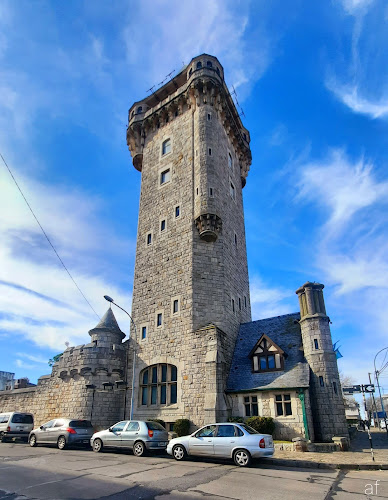
Torre Tanque
Find Accommodations Nearby
Recommended Tours & Activities
Visitor Reviews
There are no reviews yet. Be the first one to write one.
Share Your Experience
Have you visited Our Lady of Lourdes Grotto? Help other travelers by leaving a review.