Art museum 4.5 Mar del Plata, ArgentinaCommunity Guide

Juan Carlos Castagnino Municipal Art Museum

Av. Colón 1189, B7600FXE Mar del Plata, Provincia de Buenos Aires, Argentina

Juan Carlos Castagnino Municipal Art Museum
14,462 Photos

About & Overview

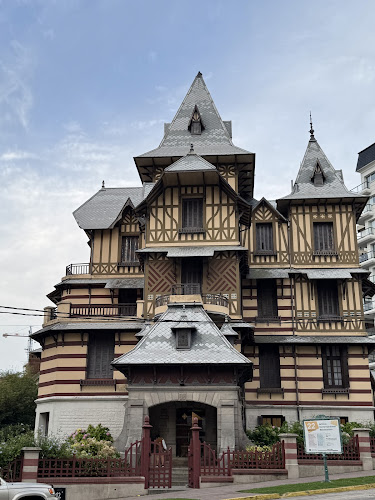
The Juan Carlos Castagnino Municipal Art Museum is one of those places that really catches you off guard when you first see it.

Highlights & Key Features

  • Key Features
  • Best Time to Visit
  • How to Get There
  • Tips for Visiting

Visitor Guide & Information

Description

What makes this place genuinely special isn’t just the building itself—though honestly, that alone is worth the visit. It’s the way the museum has preserved so much of the original character while creating this perfect showcase for Argentine art. Walking through the rooms, you’ll still see much of the original furniture and fixtures from when wealthy families called this place home. There’s something almost magical about viewing contemporary artworks in spaces that have maintained their early 20th-century elegance. The museum focuses primarily on Argentine artists, which gives visitors an incredible opportunity to understand the country’s artistic evolution without having to trek all the way to Buenos Aires.

The collection spans various periods and styles of Argentine art, from traditional to more modern interpretations. And you know what? The museum does live performances too, which adds this whole other dimension to the experience. I’ve always thought that art museums can sometimes feel a bit stuffy, but when you throw in some live cultural events, it suddenly becomes this living, breathing space rather than just a repository of objects behind glass.

Key Features

The museum offers several distinctive elements that set it apart from your typical art institution:

• The stunning château-style architecture with its characteristic half-timbered construction creates an atmosphere that’s more European manor than traditional museum space

• Original period furnishings from 1909 remain throughout the building, allowing visitors to experience both art and historical interior design simultaneously

• An impressive permanent collection focusing specifically on Argentine artists, providing deep insight into the nation’s artistic heritage and development

• Regular live performances that transform the museum from a static exhibition space into a dynamic cultural venue

• The building’s unique layout creates intimate viewing spaces rather than the overwhelming gallery halls you might find in larger institutions

• Wheelchair accessible restroom facilities ensure most visitors can enjoy the museum comfortably

• The museum’s location makes it an ideal cultural stop during a beach-focused Mar del Plata vacation

• Rotating exhibitions that keep the experience fresh even for repeat visitors

• The preservation of architectural details that tell the story of Argentina’s Belle Époque period

• Educational programs and cultural activities that engage both locals and tourists throughout the year

Best Time to Visit

Timing your visit to the Castagnino Museum can really make or break your experience, and I’ve learned this the hard way. Mar del Plata gets absolutely packed during the Argentine summer season—we’re talking December through February when everyone and their cousin heads to the coast. Sure, the weather’s beautiful, but you’ll be sharing the museum with significantly more people.

If you want my honest opinion? Visit during the shoulder seasons of October-November or March-April. The weather’s still pleasant enough to enjoy Mar del Plata’s other attractions, but the crowds thin out considerably. You’ll actually be able to stand in front of the artworks without someone’s elbow in your ribs, which is always a plus.

Weekday mornings are your golden ticket regardless of the season. Most tourists are still having their leisurely breakfast or heading to the beach, which means you might have entire rooms to yourself. There’s something really special about experiencing art in near-solitude, especially in such an atmospheric building. Tuesday through Thursday mornings are particularly quiet.

But here’s the thing—if you’re interested in the live performances, you’ll need to check the museum’s schedule and plan accordingly. These events typically happen during peak tourist season and on weekends, so you’ll need to balance your desire for a quiet visit against the opportunity to catch a performance. Winter months (June-August) see fewer events but also fewer visitors overall. Just remember it gets pretty chilly, and unlike some modern museums, this historic building can get a bit drafty.

How to Get There

Getting to the Castagnino Museum is actually pretty straightforward, which is refreshing because navigating some Argentine cities can be… well, let’s just say it builds character. The museum sits in a well-connected part of Mar del Plata, making it accessible through various transportation options.

If you’re staying in the central tourist area of Mar del Plata, you can easily grab a taxi or use one of the ride-sharing apps that operate in the city. The drivers generally know the museum well—it’s become quite the landmark. Just say “Museo Castagnino” and you should be fine. The ride typically takes anywhere from 10 to 25 minutes depending on where you’re starting from and traffic conditions.

The local bus system also serves the area reasonably well. Several lines pass near the museum, though I’ll admit the bus routes can be confusing if you’re not familiar with the city. Ask at your hotel or accommodation for the best route from your specific location—locals are usually pretty helpful about this stuff.

For those who prefer walking and are staying nearby, it’s definitely doable. Mar del Plata is generally walkable, and the stroll can be quite pleasant when the weather cooperates. Just use a maps application on your phone to navigate, and keep in mind that Argentine streets don’t always follow a perfect grid system like you might be used to.

One thing worth mentioning—and this is important—there’s no wheelchair accessible parking lot at the museum. If you or someone in your group has mobility challenges, you’ll want to plan for drop-off access. The museum does have a wheelchair accessible restroom, which is good, but the parking situation is something to consider when planning your visit.

Tips for Visiting

Alright, let me share some practical wisdom I wish someone had told me before my first visit. First off, give yourself more time than you think you’ll need. This isn’t one of those museums you can rush through in 30 minutes. The combination of the architecture, original furnishings, and art collection deserves at least 90 minutes to two hours of your attention. And that’s if you’re moving at a decent clip.

Bring a light jacket or sweater, even during warmer months. These old buildings can be surprisingly cool inside, and you don’t want to be that person who’s uncomfortable and cutting their visit short because they’re cold. The historic nature of the building means climate control isn’t always what you’d find in a modern facility.

Photography policies vary, so check current rules when you arrive. Some areas might restrict flash photography to protect the artworks, which makes total sense when you think about it. But natural light filters through the original windows beautifully, creating some gorgeous viewing conditions that your phone camera probably won’t capture anyway. Sometimes it’s better to just experience things with your actual eyes instead of through a screen.

There’s no restaurant on-site, so eat before you come or plan to grab something afterward. However, there are restrooms available, which is definitely important information for planning purposes. The neighborhood around the museum has some decent spots for a post-visit meal, so you won’t go hungry.

If you’re traveling during peak season and the museum has live performances scheduled, buy your tickets in advance if possible. These events can draw significant crowds, and you’d hate to miss out after planning your visit around them. Check the museum’s current schedule before you go rather than just showing up and hoping for the best.

Engage with the museum staff if you have questions. Many are knowledgeable about both the building’s history and the art collection, and they can provide context that really enriches your understanding. Don’t be shy about asking for recommendations on what to see if you’re pressed for time.

Wear comfortable shoes. This seems obvious, but you’ll be doing more standing and walking than you might expect, and the floors are original to the building. Those beautiful historic surfaces aren’t exactly memory foam.

Finally, consider combining your museum visit with other Mar del Plata attractions to make a full day of it. The city has plenty to offer beyond beaches, and the Castagnino Museum represents just one piece of the cultural landscape. It’s the kind of place that reminds you Argentina’s artistic heritage runs deep, and experiencing it in such an authentic setting makes all the difference.

Community & Insider Notes

Last modified August 17, 2026

Description

The Juan Carlos Castagnino Municipal Art Museum is one of those places that really catches you off guard when you first see it. I mean, you’re wandering around Mar del Plata expecting beaches and seafood restaurants, and then suddenly there’s this magnificent château-style villa that looks like it was plucked straight from the French countryside and dropped into Argentina. Built way back in 1909, this half-timbered architectural gem was originally a private residence before it transformed into one of the country’s most respected art museums.

What makes this place genuinely special isn’t just the building itself—though honestly, that alone is worth the visit. It’s the way the museum has preserved so much of the original character while creating this perfect showcase for Argentine art. Walking through the rooms, you’ll still see much of the original furniture and fixtures from when wealthy families called this place home. There’s something almost magical about viewing contemporary artworks in spaces that have maintained their early 20th-century elegance. The museum focuses primarily on Argentine artists, which gives visitors an incredible opportunity to understand the country’s artistic evolution without having to trek all the way to Buenos Aires.

The collection spans various periods and styles of Argentine art, from traditional to more modern interpretations. And you know what? The museum does live performances too, which adds this whole other dimension to the experience. I’ve always thought that art museums can sometimes feel a bit stuffy, but when you throw in some live cultural events, it suddenly becomes this living, breathing space rather than just a repository of objects behind glass.

Key Features

The museum offers several distinctive elements that set it apart from your typical art institution:

• The stunning château-style architecture with its characteristic half-timbered construction creates an atmosphere that’s more European manor than traditional museum space

• Original period furnishings from 1909 remain throughout the building, allowing visitors to experience both art and historical interior design simultaneously

• An impressive permanent collection focusing specifically on Argentine artists, providing deep insight into the nation’s artistic heritage and development

• Regular live performances that transform the museum from a static exhibition space into a dynamic cultural venue

• The building’s unique layout creates intimate viewing spaces rather than the overwhelming gallery halls you might find in larger institutions

• Wheelchair accessible restroom facilities ensure most visitors can enjoy the museum comfortably

• The museum’s location makes it an ideal cultural stop during a beach-focused Mar del Plata vacation

• Rotating exhibitions that keep the experience fresh even for repeat visitors

• The preservation of architectural details that tell the story of Argentina’s Belle Époque period

• Educational programs and cultural activities that engage both locals and tourists throughout the year

Best Time to Visit

Timing your visit to the Castagnino Museum can really make or break your experience, and I’ve learned this the hard way. Mar del Plata gets absolutely packed during the Argentine summer season—we’re talking December through February when everyone and their cousin heads to the coast. Sure, the weather’s beautiful, but you’ll be sharing the museum with significantly more people.

If you want my honest opinion? Visit during the shoulder seasons of October-November or March-April. The weather’s still pleasant enough to enjoy Mar del Plata’s other attractions, but the crowds thin out considerably. You’ll actually be able to stand in front of the artworks without someone’s elbow in your ribs, which is always a plus.

Weekday mornings are your golden ticket regardless of the season. Most tourists are still having their leisurely breakfast or heading to the beach, which means you might have entire rooms to yourself. There’s something really special about experiencing art in near-solitude, especially in such an atmospheric building. Tuesday through Thursday mornings are particularly quiet.

But here’s the thing—if you’re interested in the live performances, you’ll need to check the museum’s schedule and plan accordingly. These events typically happen during peak tourist season and on weekends, so you’ll need to balance your desire for a quiet visit against the opportunity to catch a performance. Winter months (June-August) see fewer events but also fewer visitors overall. Just remember it gets pretty chilly, and unlike some modern museums, this historic building can get a bit drafty.

How to Get There

Getting to the Castagnino Museum is actually pretty straightforward, which is refreshing because navigating some Argentine cities can be… well, let’s just say it builds character. The museum sits in a well-connected part of Mar del Plata, making it accessible through various transportation options.

If you’re staying in the central tourist area of Mar del Plata, you can easily grab a taxi or use one of the ride-sharing apps that operate in the city. The drivers generally know the museum well—it’s become quite the landmark. Just say “Museo Castagnino” and you should be fine. The ride typically takes anywhere from 10 to 25 minutes depending on where you’re starting from and traffic conditions.

The local bus system also serves the area reasonably well. Several lines pass near the museum, though I’ll admit the bus routes can be confusing if you’re not familiar with the city. Ask at your hotel or accommodation for the best route from your specific location—locals are usually pretty helpful about this stuff.

For those who prefer walking and are staying nearby, it’s definitely doable. Mar del Plata is generally walkable, and the stroll can be quite pleasant when the weather cooperates. Just use a maps application on your phone to navigate, and keep in mind that Argentine streets don’t always follow a perfect grid system like you might be used to.

One thing worth mentioning—and this is important—there’s no wheelchair accessible parking lot at the museum. If you or someone in your group has mobility challenges, you’ll want to plan for drop-off access. The museum does have a wheelchair accessible restroom, which is good, but the parking situation is something to consider when planning your visit.

Tips for Visiting

Alright, let me share some practical wisdom I wish someone had told me before my first visit. First off, give yourself more time than you think you’ll need. This isn’t one of those museums you can rush through in 30 minutes. The combination of the architecture, original furnishings, and art collection deserves at least 90 minutes to two hours of your attention. And that’s if you’re moving at a decent clip.

Bring a light jacket or sweater, even during warmer months. These old buildings can be surprisingly cool inside, and you don’t want to be that person who’s uncomfortable and cutting their visit short because they’re cold. The historic nature of the building means climate control isn’t always what you’d find in a modern facility.

Photography policies vary, so check current rules when you arrive. Some areas might restrict flash photography to protect the artworks, which makes total sense when you think about it. But natural light filters through the original windows beautifully, creating some gorgeous viewing conditions that your phone camera probably won’t capture anyway. Sometimes it’s better to just experience things with your actual eyes instead of through a screen.

There’s no restaurant on-site, so eat before you come or plan to grab something afterward. However, there are restrooms available, which is definitely important information for planning purposes. The neighborhood around the museum has some decent spots for a post-visit meal, so you won’t go hungry.

If you’re traveling during peak season and the museum has live performances scheduled, buy your tickets in advance if possible. These events can draw significant crowds, and you’d hate to miss out after planning your visit around them. Check the museum’s current schedule before you go rather than just showing up and hoping for the best.

Engage with the museum staff if you have questions. Many are knowledgeable about both the building’s history and the art collection, and they can provide context that really enriches your understanding. Don’t be shy about asking for recommendations on what to see if you’re pressed for time.

Wear comfortable shoes. This seems obvious, but you’ll be doing more standing and walking than you might expect, and the floors are original to the building. Those beautiful historic surfaces aren’t exactly memory foam.

Finally, consider combining your museum visit with other Mar del Plata attractions to make a full day of it. The city has plenty to offer beyond beaches, and the Castagnino Museum represents just one piece of the cultural landscape. It’s the kind of place that reminds you Argentina’s artistic heritage runs deep, and experiencing it in such an authentic setting makes all the difference.

Key Highlights

  • Key Features
  • Best Time to Visit
  • How to Get There
  • Tips for Visiting

Location

Places to Stay Near Juan Carlos Castagnino Municipal Art Museum

Find and Book a Tour

Explore More Travel Guides

No reviews found! Be the first to review!

Select a Rating5 Stars4 Stars3 Stars2 Stars1 Star

Juan Carlos Castagnino Municipal Art Museum is a prominent museums located in Mar del Plata.

Visit us at: Av. Colón 1189, B7600FXE Mar del Plata, Provincia de Buenos Aires, Argentina.

Nearby Attractions (Within 5 km)

Explore verified points of interest within walking or short transit distance.

No neighboring places mapped within 5 km yet.

Find Places to Stay Nearby

Stay22 provides this accommodation search. We may earn a commission if you book through it; verify current prices and terms with the provider.

Recommended Experiences & Activities

GetYourGuide provides this tour inventory. We may earn a commission if you book through it; verify current availability, prices, and terms with the provider.

Top Viator Experiences & Guided Tours in Mar del Plata

We may earn a commission if you book through links on this page at no extra cost to you. All tours feature verified customer reviews and flexible cancellation options.

Traveler Reviews & Community Q&A

No traveler reviews yet. Share your experience below!

No traveler questions yet. Be the first to ask a local!

Real Journey Travels Community

Reset your password · Create an account