
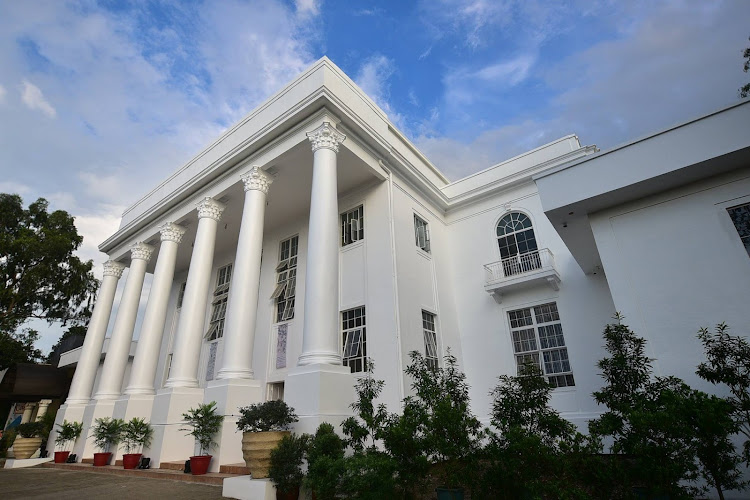
The Negros Museum
About The Negros Museum
Description
The Negros Museum stands as a testament to the rich cultural tapestry of Negros Occidental, offering travelers an intimate glimpse into the heart and soul of this sugar-rich province in the Philippines. Located in Bacolod City, this museum might not have the grandeur of Manila's sprawling institutions, but what it lacks in size it more than makes up for in authenticity and genuine cultural immersion. The museum operates as a women-owned establishment that proudly showcases the heritage of the Negrense people through thoughtfully curated exhibits ranging from historical artifacts to contemporary art pieces. Walking through this museum feels like stepping into your favorite aunt's well-preserved attic – except everything here tells a story about an entire region's identity. The exhibits cover multiple facets of Negrense life, from the sugar industry that shaped the province's economic landscape to the artistic expressions that define its creative spirit. And honestly, it's refreshing to find a museum that doesn't try too hard to be something it's not. The modest presentation actually works in its favor, creating an atmosphere where visitors can connect with the displays without feeling overwhelmed by excessive information or flashy presentations. What makes The Negros Museum particularly special is its commitment to preserving regional toys and childhood artifacts that might otherwise have been lost to time. These collections transport visitors back to simpler days and provide younger generations with a tangible connection to their heritage. The museum also functions as an art center, regularly rotating contemporary pieces that showcase local talent alongside historical exhibits, creating an interesting dialogue between past and present.Key Features
The Negros Museum offers several distinctive features that enhance the visitor experience:- Complete Accessibility Infrastructure – The museum provides wheelchair accessible entrances, parking lots, and restrooms, making it genuinely inclusive for all visitors regardless of mobility challenges
- Vintage Regional Toy Collection – One of the most charming aspects of the museum featuring traditional Filipino toys and games that many modern children have never encountered
- Cultural and Historical Exhibits – Thoughtfully arranged displays that tell the story of Negros Occidental through artifacts, photographs, and documents spanning several generations
- Contemporary Art Gallery – Rotating exhibitions featuring works by local and regional artists, providing a platform for Negrense creative expression
- Live Performance Space – The museum occasionally hosts cultural performances that bring the exhibits to life through music, dance, and theatrical presentations
- On-site Restaurant – Visitors can enjoy local cuisine without leaving the premises, making it convenient for families spending several hours exploring
- Inclusive Environment – The museum identifies as LGBTQ+ friendly and a transgender safe space, creating a welcoming atmosphere for all travelers
- Free Parking – Ample parking space available at no cost, which is honestly a blessing when you're traveling with family or groups
- Family-Oriented Facilities – Clean restrooms and spaces designed with children in mind make this an ideal destination for families traveling with kids
- Educational Programs – The museum offers various programs and guided tours that provide deeper insights into Negrense culture and history
Best Time to Visit
Timing your visit to The Negros Museum can significantly impact your experience. The museum generally sees lighter crowds during weekday mornings, particularly Tuesday through Thursday between 9 AM and 11 AM. This timing allows visitors to explore the exhibits without competing for viewing space or waiting to photograph their favorite displays. I've found that early visits also mean you'll encounter staff members who have more time to answer questions and share stories about the collections that you won't find on the information placards. But if you're interested in catching one of the live performances, you'll want to check the museum's schedule before planning your trip. These performances typically happen during weekends or special cultural celebrations, which naturally draw larger crowds. The trade-off between a peaceful viewing experience and catching a live cultural show is something each traveler needs to weigh based on their interests. The dry season from November through April generally provides the most comfortable weather conditions for your visit. Bacolod can get quite humid during the rainy months, and while the museum is fully enclosed, getting there and potentially combining it with other outdoor activities becomes more pleasant during drier periods. Christmas season brings special exhibits and decorations that showcase how Negrenses celebrate the holidays, offering a unique perspective you won't see during other times of year. Consider avoiding the first two weeks of school openings, usually in June and September, when the museum tends to host numerous school field trips. Unless you enjoy the energy of excited students discovering history, these periods can make it challenging to have a contemplative museum experience.How to Get There
Getting to The Negros Museum is relatively straightforward once you're in Bacolod City. The museum sits within easy reach of most central accommodations, making it accessible for travelers staying in downtown hotels or guesthouses. Tricycles and jeepneys serve as the most economical transportation options, and drivers in Bacolod are generally familiar with the museum's location, so you won't need to provide elaborate directions. For travelers who prefer more comfort and control over their schedule, ride-sharing services operate throughout Bacolod and can drop you directly at the museum entrance. Taxis are also available, though slightly more expensive than other local transport options. The advantage of these methods is the convenience of door-to-door service, particularly appreciated when traveling with young children or elderly companions. If you're the adventurous type who enjoys exploring cities on foot, the museum is located within walking distance of several other Bacolod attractions, making it easy to incorporate into a broader itinerary. The walk from the city center takes approximately 15-20 minutes depending on your pace and how often you stop to admire the colonial-era architecture along the way. Visitors arriving from outside Bacolod can reach the city via Bacolod-Silay Airport, located about 30 minutes north of the downtown area. From the airport, you can arrange transportation through airport taxis or coordinate with your accommodation for pickup services. Ferry services also connect Bacolod to nearby islands, with the port situated relatively close to the museum area. The free parking lot accommodates those who choose to rent vehicles and explore Negros Occidental at their own pace. This option particularly appeals to families or groups who plan to visit multiple attractions throughout the province, as having your own transportation provides flexibility that public transport simply can't match.Tips for Visiting
Allow yourself at least two hours to properly appreciate The Negros Museum's collections. Rushing through defeats the purpose of understanding the cultural narratives the exhibits present. Some visitors spend three or four hours here, especially if they're particularly interested in art or regional history. And don't feel bad about taking your time – this isn't the kind of place where guards tap their watches impatiently. Bring a light sweater or shawl even though Bacolod is generally warm. The museum's air conditioning can run cold, particularly if you're spending extended periods in the gallery spaces. This might sound like odd advice, but I've watched too many visitors get uncomfortable and cut their visits short because they underestimated indoor temperature control. Photography is generally permitted in most areas, but be respectful and check for any posted restrictions near certain exhibits. Flash photography can damage delicate artifacts, so adjust your camera settings accordingly. The lighting in some galleries isn't ideal for photography, so managing expectations about your photos will prevent frustration. Engage with the staff members and docents. Many have worked at the museum for years and possess knowledge that extends far beyond the written descriptions on display cards. They can share anecdotes about how certain artifacts were acquired, explain cultural practices in greater detail, and recommend other local attractions based on your interests. Plus, their enthusiasm for sharing Negrense culture is genuinely infectious. Visit the on-site restaurant either before or after your museum tour. The menu features local specialties that provide culinary context to complement the cultural exhibits you've just viewed. Trying chicken inasal or napoleones after learning about their place in Negrense culture creates a more holistic understanding of the region. Keep small bills handy for the entrance fee and any purchases from the gift shop. The museum sells locally-made crafts and art pieces that make meaningful souvenirs, supporting local artisans while giving you something more authentic than typical tourist trinkets. These items also serve as conversation starters when you return home and friends ask about your travels. Consider timing your visit to coincide with special exhibitions or cultural events if possible. The museum regularly hosts temporary exhibits that showcase specific aspects of Negrense culture in greater depth than the permanent collections allow. These events also provide opportunities to meet local artists, historians, and cultural practitioners who can answer questions and provide insider perspectives. Families with young children should take advantage of the interactive elements scattered throughout the museum, particularly in the vintage toy section. Children often connect with history more readily when they can touch replicas or play with traditional toys, making the experience educational without feeling like a classroom lesson. The restroom facilities are clean and well-maintained, but located in specific areas of the building. Take note of their locations early in your visit to avoid hunting for them later. Small detail, but it matters when you're traveling with kids or elderly relatives. Finally, approach your visit with an open mind and genuine curiosity about Negrense culture. The museum might not have the polish of larger international institutions, but its authenticity and cultural sincerity create connections that sterile, over-curated spaces rarely achieve. Sometimes the best travel experiences come from places that aren't trying to impress everyone, just honestly sharing their story with whoever takes the time to listen.Key Features
- Key Features
- Best Time to Visit
- How to Get There
- Tips for Visiting
More Details
Updated March 30, 2026
Table of Contents
Description
The Negros Museum stands as a testament to the rich cultural tapestry of Negros Occidental, offering travelers an intimate glimpse into the heart and soul of this sugar-rich province in the Philippines. Located in Bacolod City, this museum might not have the grandeur of Manila’s sprawling institutions, but what it lacks in size it more than makes up for in authenticity and genuine cultural immersion. The museum operates as a women-owned establishment that proudly showcases the heritage of the Negrense people through thoughtfully curated exhibits ranging from historical artifacts to contemporary art pieces.
Walking through this museum feels like stepping into your favorite aunt’s well-preserved attic – except everything here tells a story about an entire region’s identity. The exhibits cover multiple facets of Negrense life, from the sugar industry that shaped the province’s economic landscape to the artistic expressions that define its creative spirit. And honestly, it’s refreshing to find a museum that doesn’t try too hard to be something it’s not. The modest presentation actually works in its favor, creating an atmosphere where visitors can connect with the displays without feeling overwhelmed by excessive information or flashy presentations.
What makes The Negros Museum particularly special is its commitment to preserving regional toys and childhood artifacts that might otherwise have been lost to time. These collections transport visitors back to simpler days and provide younger generations with a tangible connection to their heritage. The museum also functions as an art center, regularly rotating contemporary pieces that showcase local talent alongside historical exhibits, creating an interesting dialogue between past and present.
Key Features
The Negros Museum offers several distinctive features that enhance the visitor experience:
- Complete Accessibility Infrastructure – The museum provides wheelchair accessible entrances, parking lots, and restrooms, making it genuinely inclusive for all visitors regardless of mobility challenges
- Vintage Regional Toy Collection – One of the most charming aspects of the museum featuring traditional Filipino toys and games that many modern children have never encountered
- Cultural and Historical Exhibits – Thoughtfully arranged displays that tell the story of Negros Occidental through artifacts, photographs, and documents spanning several generations
- Contemporary Art Gallery – Rotating exhibitions featuring works by local and regional artists, providing a platform for Negrense creative expression
- Live Performance Space – The museum occasionally hosts cultural performances that bring the exhibits to life through music, dance, and theatrical presentations
- On-site Restaurant – Visitors can enjoy local cuisine without leaving the premises, making it convenient for families spending several hours exploring
- Inclusive Environment – The museum identifies as LGBTQ+ friendly and a transgender safe space, creating a welcoming atmosphere for all travelers
- Free Parking – Ample parking space available at no cost, which is honestly a blessing when you’re traveling with family or groups
- Family-Oriented Facilities – Clean restrooms and spaces designed with children in mind make this an ideal destination for families traveling with kids
- Educational Programs – The museum offers various programs and guided tours that provide deeper insights into Negrense culture and history
Best Time to Visit
Timing your visit to The Negros Museum can significantly impact your experience. The museum generally sees lighter crowds during weekday mornings, particularly Tuesday through Thursday between 9 AM and 11 AM. This timing allows visitors to explore the exhibits without competing for viewing space or waiting to photograph their favorite displays. I’ve found that early visits also mean you’ll encounter staff members who have more time to answer questions and share stories about the collections that you won’t find on the information placards.
But if you’re interested in catching one of the live performances, you’ll want to check the museum’s schedule before planning your trip. These performances typically happen during weekends or special cultural celebrations, which naturally draw larger crowds. The trade-off between a peaceful viewing experience and catching a live cultural show is something each traveler needs to weigh based on their interests.
The dry season from November through April generally provides the most comfortable weather conditions for your visit. Bacolod can get quite humid during the rainy months, and while the museum is fully enclosed, getting there and potentially combining it with other outdoor activities becomes more pleasant during drier periods. Christmas season brings special exhibits and decorations that showcase how Negrenses celebrate the holidays, offering a unique perspective you won’t see during other times of year.
Consider avoiding the first two weeks of school openings, usually in June and September, when the museum tends to host numerous school field trips. Unless you enjoy the energy of excited students discovering history, these periods can make it challenging to have a contemplative museum experience.
How to Get There
Getting to The Negros Museum is relatively straightforward once you’re in Bacolod City. The museum sits within easy reach of most central accommodations, making it accessible for travelers staying in downtown hotels or guesthouses. Tricycles and jeepneys serve as the most economical transportation options, and drivers in Bacolod are generally familiar with the museum’s location, so you won’t need to provide elaborate directions.
For travelers who prefer more comfort and control over their schedule, ride-sharing services operate throughout Bacolod and can drop you directly at the museum entrance. Taxis are also available, though slightly more expensive than other local transport options. The advantage of these methods is the convenience of door-to-door service, particularly appreciated when traveling with young children or elderly companions.
If you’re the adventurous type who enjoys exploring cities on foot, the museum is located within walking distance of several other Bacolod attractions, making it easy to incorporate into a broader itinerary. The walk from the city center takes approximately 15-20 minutes depending on your pace and how often you stop to admire the colonial-era architecture along the way.
Visitors arriving from outside Bacolod can reach the city via Bacolod-Silay Airport, located about 30 minutes north of the downtown area. From the airport, you can arrange transportation through airport taxis or coordinate with your accommodation for pickup services. Ferry services also connect Bacolod to nearby islands, with the port situated relatively close to the museum area.
The free parking lot accommodates those who choose to rent vehicles and explore Negros Occidental at their own pace. This option particularly appeals to families or groups who plan to visit multiple attractions throughout the province, as having your own transportation provides flexibility that public transport simply can’t match.
Tips for Visiting
Allow yourself at least two hours to properly appreciate The Negros Museum’s collections. Rushing through defeats the purpose of understanding the cultural narratives the exhibits present. Some visitors spend three or four hours here, especially if they’re particularly interested in art or regional history. And don’t feel bad about taking your time – this isn’t the kind of place where guards tap their watches impatiently.
Bring a light sweater or shawl even though Bacolod is generally warm. The museum’s air conditioning can run cold, particularly if you’re spending extended periods in the gallery spaces. This might sound like odd advice, but I’ve watched too many visitors get uncomfortable and cut their visits short because they underestimated indoor temperature control.
Photography is generally permitted in most areas, but be respectful and check for any posted restrictions near certain exhibits. Flash photography can damage delicate artifacts, so adjust your camera settings accordingly. The lighting in some galleries isn’t ideal for photography, so managing expectations about your photos will prevent frustration.
Engage with the staff members and docents. Many have worked at the museum for years and possess knowledge that extends far beyond the written descriptions on display cards. They can share anecdotes about how certain artifacts were acquired, explain cultural practices in greater detail, and recommend other local attractions based on your interests. Plus, their enthusiasm for sharing Negrense culture is genuinely infectious.
Visit the on-site restaurant either before or after your museum tour. The menu features local specialties that provide culinary context to complement the cultural exhibits you’ve just viewed. Trying chicken inasal or napoleones after learning about their place in Negrense culture creates a more holistic understanding of the region.
Keep small bills handy for the entrance fee and any purchases from the gift shop. The museum sells locally-made crafts and art pieces that make meaningful souvenirs, supporting local artisans while giving you something more authentic than typical tourist trinkets. These items also serve as conversation starters when you return home and friends ask about your travels.
Consider timing your visit to coincide with special exhibitions or cultural events if possible. The museum regularly hosts temporary exhibits that showcase specific aspects of Negrense culture in greater depth than the permanent collections allow. These events also provide opportunities to meet local artists, historians, and cultural practitioners who can answer questions and provide insider perspectives.
Families with young children should take advantage of the interactive elements scattered throughout the museum, particularly in the vintage toy section. Children often connect with history more readily when they can touch replicas or play with traditional toys, making the experience educational without feeling like a classroom lesson.
The restroom facilities are clean and well-maintained, but located in specific areas of the building. Take note of their locations early in your visit to avoid hunting for them later. Small detail, but it matters when you’re traveling with kids or elderly relatives.
Finally, approach your visit with an open mind and genuine curiosity about Negrense culture. The museum might not have the polish of larger international institutions, but its authenticity and cultural sincerity create connections that sterile, over-curated spaces rarely achieve. Sometimes the best travel experiences come from places that aren’t trying to impress everyone, just honestly sharing their story with whoever takes the time to listen.
Key Highlights
- Key Features
- Best Time to Visit
- How to Get There
- Tips for Visiting
Location
Places to Stay Near The Negros Museum
Find and Book a Tour
Explore More Travel Guides
No reviews found! Be the first to review!
The Negros Museum is a prominent museums located in Bacolod.
Visit us at: MXG2+45J, Gatuslao St, Bacolod, 6100 Negros Occidental, Philippines.
Traveler Reviews for The Negros Museum
There are no reviews yet. Be the first one to write one.
Have you visited The Negros Museum? Help other travelers by sharing your review.
You Might Also Like

Yoyo Land

Bacolod Baywalk Recreational Park
San Sebastian Cathedral
Find Accommodations Nearby
Recommended Tours & Activities
Visitor Reviews
There are no reviews yet. Be the first one to write one.
Share Your Experience
Have you visited The Negros Museum? Help other travelers by leaving a review.