
The Brooke Gallery at Fort Margherita
About The Brooke Gallery at Fort Margherita
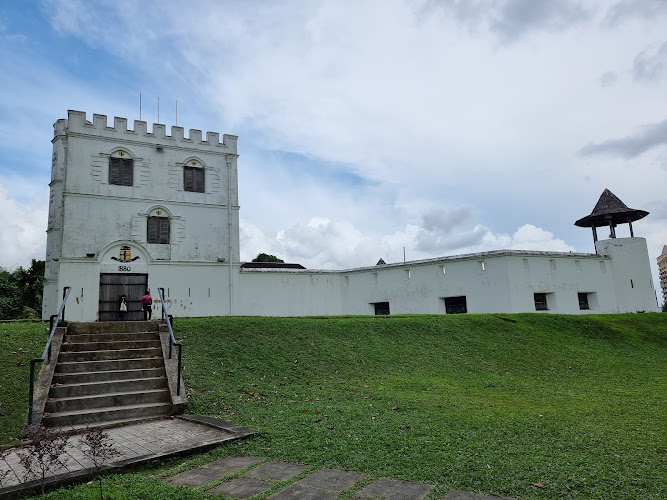
Perched on a small hill overlooking the Sarawak River, The Brooke Gallery at Fort Margherita tells the story of a fascinating chapter in Borneo’s history — the era of the White Rajahs. The fort itself, built in 1879 by Charles Brooke, the second Rajah of Sarawak, stands like something out of an old adventure novel — complete with whitewashed walls, crenellated towers, and a commanding view of Kuching. It’s not just a museum; it’s a time capsule that feels alive with the echoes of colonial intrigue, maritime trade, and local legends.
Walking through the gallery, you can almost imagine the sound of cannons echoing across the river or the flutter of British flags in the tropical breeze. Inside, the exhibits unfold the story of the Brooke dynasty — from James Brooke’s unexpected rise to rule Sarawak in the mid-19th century to the eventual handover to the British Crown. The curators have done a fine job balancing artifacts, photographs, and multimedia installations so visitors can see how this small corner of Borneo once stood at the crossroads of empire and native culture.
What I personally love about this place is how it doesn’t shy away from the complicated parts of history. It acknowledges both the romance and the reality of the Brooke legacy — the modernization they brought, but also the colonial power dynamics that shaped Sarawak’s identity. The building itself adds to the experience; its thick stone walls and narrow staircases make you feel like you’ve stepped into another century. And if you’re lucky enough to visit on a quiet day, you might even have the upper tower all to yourself, with sweeping views of the city and river below.
Key Features
- Historic Fort Architecture: Built in the style of an English castle, complete with battlements and turrets, Fort Margherita is one of Kuching’s most recognizable landmarks.
- Engaging Exhibits: The Brooke Gallery tells the story of Sarawak’s transformation under the Brooke dynasty through artifacts, letters, maps, and personal items from the Brooke family collection.
- Panoramic Views: From the fort’s upper levels, visitors can enjoy beautiful views of the Sarawak River and Kuching’s waterfront skyline — especially striking at sunset.
- Family-Friendly: The museum is a great learning experience for kids, with interactive displays and storytelling that bring history to life.
- Gift Shop: A small but well-curated shop where you can pick up local crafts, books, and Brooke-era memorabilia to remember your visit.
- Restroom Facilities: Conveniently located within the complex for visitors’ comfort.
- Free Parking: A dedicated parking area makes it easy for those arriving by car.
While the fort isn’t wheelchair accessible due to its 19th-century design, the staff are friendly and do their best to assist visitors with mobility concerns. The absence of a restaurant means you’ll want to plan your meals before or after your visit, but honestly, that just gives you an excuse to explore the nearby food stalls and cafés along the riverfront — which is never a bad thing.
Best Time to Visit
The Brooke Gallery is open year-round, but if you want to make the most of your visit, consider coming in the morning when the air is still cool and the crowds are lighter. The fort’s white walls can reflect the tropical sun quite fiercely by midday, so early hours are perfect for exploring comfortably.
The dry season, typically from June to September, offers clearer skies and better light for photography. However, I’ve visited during the rainy months too, and there’s something oddly atmospheric about hearing the rain patter on the fort’s old stone walls — it adds a certain cinematic charm. If you’re into history and photography, this place rewards both patience and curiosity. Sunset visits are also magical; the golden light over the river gives the fort an almost ethereal glow.
How to Get There
Reaching The Brooke Gallery is fairly straightforward, especially if you’re staying in Kuching city. The fort sits across the river from the main waterfront area, and there are a few ways to get there. The most memorable (and my personal favorite) is by taking one of the traditional wooden river boats known as tambangs. They glide gently across the Sarawak River, offering a lovely few minutes of calm before you step into the fort’s historical world.
If you’re driving, there’s a free parking lot nearby, and it’s well-signposted from the main road. For those who prefer walking, you can cross the Darul Hana Bridge and follow the riverside path — it’s a scenic route, especially in the morning or late afternoon. Taxis and ride-hailing services are also readily available around Kuching, so getting there is rarely a problem.
Once you arrive, you’ll notice that the fort stands slightly elevated, surrounded by lush greenery. The short climb up the stairs to the entrance is worth it for the view alone. And if you’re into photography or drone shots, the contrast between the white fort and the emerald-green landscape makes for some stunning images.
Tips for Visiting
Here’s the thing — visiting The Brooke Gallery isn’t just about ticking off another tourist attraction. It’s about immersing yourself in a story that shaped modern Sarawak. So take your time. Read the captions, listen to the audio guides, and let the details sink in.
- Arrive early: The fort tends to get busier later in the day, especially on weekends and school holidays. Morning visits are quieter and cooler.
- Bring water: The tropical heat can sneak up on you, and there’s no café inside the fort. Hydration is key.
- Photography tip: The lighting inside the gallery can be dim in some areas, so adjust your camera settings or bring a small tripod if you’re serious about photos.
- Combine your visit: Pair your trip with a stroll along the Kuching Waterfront or a stop at the Sarawak Museum — both are nearby and complement the historical theme.
- Respect the space: Remember, this is a heritage site. Avoid touching artifacts or climbing on restricted areas, even if the temptation for a photo is strong.
- Chat with the staff: The guides and attendants often have personal insights or stories that aren’t written on the exhibit boards. I learned a few fascinating tidbits that way.
One thing I’d recommend is to linger on the top floor a bit longer than you think necessary. From there, you can look out across the river and imagine what life might have been like when this fort was the first line of defense against pirates. The sense of history is palpable — you can almost feel the ghosts of sailors and soldiers who once patrolled these walls.
And if you’re traveling with kids, don’t worry — they’ll love it. The cannons, the tower, the old maps — it’s like stepping into a real-life adventure story. Just keep an eye on the little ones while climbing the stairs; they’re steep and narrow in places.
Before you leave, pop into the gift shop. It’s small but charming, with local crafts, Brooke-themed souvenirs, and books about Sarawak’s history. I once bought a handwoven bookmark there that still reminds me of that day — a small keepsake from a place that feels like a bridge between two worlds.
All in all, The Brooke Gallery at Fort Margherita offers a deep, memorable dive into Sarawak’s past. It’s not a flashy museum, but that’s exactly its charm. It’s honest, atmospheric, and quietly powerful. Whether you’re a history buff, a curious traveler, or just someone who appreciates old stories told in beautiful settings, this place will leave a mark on you. And honestly, isn’t that what travel is all about?
You Might Also Like
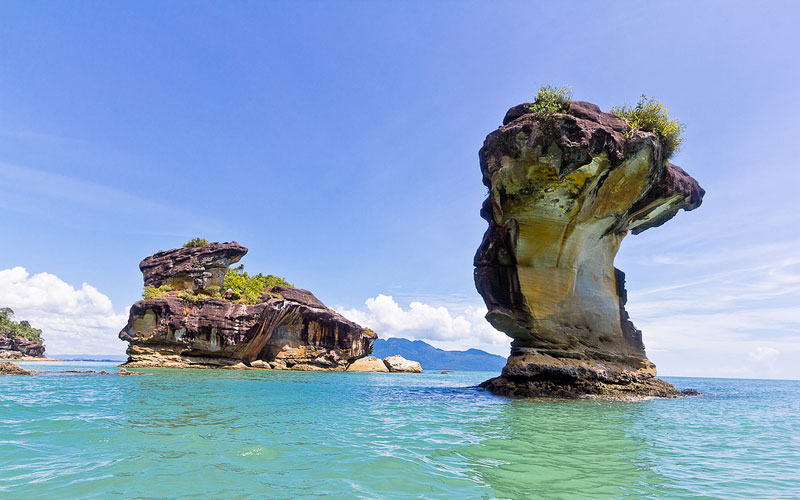
Bako National Park

Bako National Park Carpark and Boat Jetty

Batu Kawah Riverbank Park
Tours & Activities
GetYourGuide provides this tour inventory. We may earn a commission if you book through it; verify current availability, prices, and terms with the provider.
Visitor Reviews
There are no reviews yet. Be the first one to write one.
Share Your Experience
Have you visited The Brooke Gallery at Fort Margherita? Help other travelers by leaving a review.