
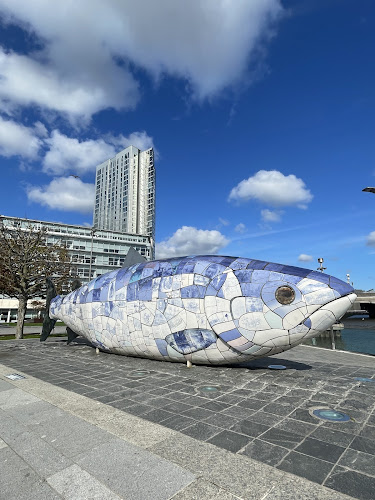
The Big Fish
About The Big Fish
Description
The Big Fish, or as locals like to call it, the Salmon of Knowledge, stands proudly along the River Lagan in Belfast—a quirky, blue-tiled sculpture that’s become one of the city’s most photographed landmarks. It’s not just a pretty face, though. Each ceramic tile tells a story, literally. They’re covered with images and snippets from Belfast’s history, from old newspaper clippings to children’s drawings that bring a touch of warmth and humanity to the cold, hard ceramic. It’s a piece of art that manages to be both playful and deeply meaningful, depending on how long you take to really look at it.
When I first saw it, I remember thinking, “It’s a fish, sure, but why does it feel like it’s watching the city?” Maybe it’s because the sculpture seems alive in its own quiet way—like it’s seen Belfast grow, struggle, and reinvent itself over the years. The artist, John Kindness, created it in 1999 to celebrate the city’s rebirth and its connection to the river. And honestly, it does that beautifully. It’s one of those places that doesn’t need to shout to get your attention; it just sits there, gleaming under the Irish sky, inviting you to come closer.
What makes The Big Fish stand out isn’t just its size (it’s about 10 meters long, by the way), but the way it bridges past and present. Tourists often come for a quick selfie, but locals know it’s more than that. It’s a reminder of Belfast’s resilience, humor, and creativity. And if you happen to visit on a breezy day when the sun hits the tiles just right, the reflections off the Lagan make it look like the fish is actually swimming. It’s a small moment of magic in a city that’s full of stories.
Key Features
- Large ceramic sculpture shaped like a salmon, approximately 10 meters long.
- Covered with hand-painted tiles featuring Belfast’s history, from newspaper prints to children’s artwork.
- Created by artist John Kindness in 1999 to mark the regeneration of Belfast.
- Symbolizes wisdom, knowledge, and the city’s connection to the River Lagan.
- Wheelchair accessible area, making it easy for everyone to get up close.
- Popular photo spot and cultural landmark for both locals and tourists.
- Located near other major Belfast attractions, making it easy to include in a walking tour.
Best Time to Visit
Honestly, The Big Fish looks good any time of year, but if you want the best photos, aim for late afternoon when the sun starts to dip behind the skyline. The light softens, the tiles glow, and the river reflects everything like a mirror—it’s almost cinematic. During summer, the area gets a bit busier with walking tours and travelers, but that’s part of the charm. There’s always a buzz around, people laughing, snapping photos, and kids trying to guess what each tile means.
If you prefer a quieter experience, go early in the morning. The city feels calm, the air is crisp, and you can take your time studying the details on the tiles without anyone rushing you. Belfast’s weather can be unpredictable (it’s Northern Ireland, after all), so bring a light jacket or umbrella. Even in the rain, though, the sculpture looks beautiful—the wet tiles shine like scales, and the whole thing feels more alive somehow.
How to Get There
Getting to The Big Fish is a breeze. It’s right along the riverfront, close to Belfast’s city center, so you can easily walk there from most major spots. If you’re staying downtown, it’s probably just a 10-minute stroll. The area is well-connected by public transport too, with bus stops nearby and easy access from the main train station. And if you’re driving, there are several parking options within walking distance—though I’ll be honest, it’s more fun to explore on foot.
For those who enjoy cycling, there’s a lovely riverside path that leads right to the sculpture. You’ll pass street art, bridges, and the hum of city life before the fish suddenly appears ahead of you, gleaming in the light. It’s one of those moments where you can’t help but smile. Plus, the area is wheelchair accessible, so no one’s left out of the experience.
Tips for Visiting
If you’re planning a trip, here are a few things I’ve learned from my own visits (and from watching countless tourists do the same thing wrong). First, take your time. Don’t just snap a picture and move on. Walk around the sculpture, look closely at the tiles, and see how each one tells a different story. You’ll find everything from old maps to local newspaper headlines, and even artwork made by Belfast schoolchildren. It’s like a time capsule wrapped in ceramic.
Second, bring a camera or your phone fully charged—you’ll want to capture the details. But don’t forget to actually experience it with your own eyes too. There’s something grounding about standing there, feeling the breeze off the river, and realizing how much history this city has lived through.
If you’re traveling with kids, it’s a great spot to let them explore safely while you enjoy the view. And if you’re into photography, try visiting at different times of day. The lighting completely changes the mood—morning brings a soft calm, while evening gives it that golden, almost magical glow.
Oh, and one small thing—don’t climb on it. I know it’s tempting (especially for the perfect Instagram shot), but it’s a piece of public art that deserves respect. Instead, stand beside it, touch the tiles gently, and imagine the stories they tell. You’ll get a sense of Belfast’s soul that way, not just a souvenir photo.
Lastly, if you have a bit of extra time, explore the surrounding area. There are cafes, street musicians, and sometimes even local events happening nearby. The Big Fish might be the main attraction, but the whole waterfront has a charm that’s easy to fall for. And who knows—you might end up staying longer than you planned, just watching the river flow past and thinking, “Yeah, this city’s got something special.”
In a way, The Big Fish sums up Belfast itself—creative, a little rough around the edges, but full of heart. It’s not just a sculpture; it’s a reminder that art can tell stories, heal wounds, and make people smile, even on a cloudy day. So, if you find yourself in Belfast, don’t skip it. Go see the fish. You’ll probably leave with more than just a photo—you’ll leave with a story.
Key Features
- Large ceramic sculpture shaped like a salmon, approximately 10 meters long.
- Covered with hand-painted tiles featuring Belfast’s history, from newspaper prints to children’s artwork.
- Created by artist John Kindness in 1999 to mark the regeneration of Belfast.
- Symbolizes wisdom, knowledge, and the city’s connection to the River Lagan.
- Wheelchair accessible area, making it easy for everyone to get up close.
- Popular photo spot and cultural landmark for both locals and tourists.
- Located near other major Belfast attractions, making it easy to include in a walking tour.
More Details
Updated December 1, 2025
Table of Contents
Description
The Big Fish, or as locals like to call it, the Salmon of Knowledge, stands proudly along the River Lagan in Belfast—a quirky, blue-tiled sculpture that’s become one of the city’s most photographed landmarks. It’s not just a pretty face, though. Each ceramic tile tells a story, literally. They’re covered with images and snippets from Belfast’s history, from old newspaper clippings to children’s drawings that bring a touch of warmth and humanity to the cold, hard ceramic. It’s a piece of art that manages to be both playful and deeply meaningful, depending on how long you take to really look at it.
When I first saw it, I remember thinking, “It’s a fish, sure, but why does it feel like it’s watching the city?” Maybe it’s because the sculpture seems alive in its own quiet way—like it’s seen Belfast grow, struggle, and reinvent itself over the years. The artist, John Kindness, created it in 1999 to celebrate the city’s rebirth and its connection to the river. And honestly, it does that beautifully. It’s one of those places that doesn’t need to shout to get your attention; it just sits there, gleaming under the Irish sky, inviting you to come closer.
What makes The Big Fish stand out isn’t just its size (it’s about 10 meters long, by the way), but the way it bridges past and present. Tourists often come for a quick selfie, but locals know it’s more than that. It’s a reminder of Belfast’s resilience, humor, and creativity. And if you happen to visit on a breezy day when the sun hits the tiles just right, the reflections off the Lagan make it look like the fish is actually swimming. It’s a small moment of magic in a city that’s full of stories.
Key Features
- Large ceramic sculpture shaped like a salmon, approximately 10 meters long.
- Covered with hand-painted tiles featuring Belfast’s history, from newspaper prints to children’s artwork.
- Created by artist John Kindness in 1999 to mark the regeneration of Belfast.
- Symbolizes wisdom, knowledge, and the city’s connection to the River Lagan.
- Wheelchair accessible area, making it easy for everyone to get up close.
- Popular photo spot and cultural landmark for both locals and tourists.
- Located near other major Belfast attractions, making it easy to include in a walking tour.
Best Time to Visit
Honestly, The Big Fish looks good any time of year, but if you want the best photos, aim for late afternoon when the sun starts to dip behind the skyline. The light softens, the tiles glow, and the river reflects everything like a mirror—it’s almost cinematic. During summer, the area gets a bit busier with walking tours and travelers, but that’s part of the charm. There’s always a buzz around, people laughing, snapping photos, and kids trying to guess what each tile means.
If you prefer a quieter experience, go early in the morning. The city feels calm, the air is crisp, and you can take your time studying the details on the tiles without anyone rushing you. Belfast’s weather can be unpredictable (it’s Northern Ireland, after all), so bring a light jacket or umbrella. Even in the rain, though, the sculpture looks beautiful—the wet tiles shine like scales, and the whole thing feels more alive somehow.
How to Get There
Getting to The Big Fish is a breeze. It’s right along the riverfront, close to Belfast’s city center, so you can easily walk there from most major spots. If you’re staying downtown, it’s probably just a 10-minute stroll. The area is well-connected by public transport too, with bus stops nearby and easy access from the main train station. And if you’re driving, there are several parking options within walking distance—though I’ll be honest, it’s more fun to explore on foot.
For those who enjoy cycling, there’s a lovely riverside path that leads right to the sculpture. You’ll pass street art, bridges, and the hum of city life before the fish suddenly appears ahead of you, gleaming in the light. It’s one of those moments where you can’t help but smile. Plus, the area is wheelchair accessible, so no one’s left out of the experience.
Tips for Visiting
If you’re planning a trip, here are a few things I’ve learned from my own visits (and from watching countless tourists do the same thing wrong). First, take your time. Don’t just snap a picture and move on. Walk around the sculpture, look closely at the tiles, and see how each one tells a different story. You’ll find everything from old maps to local newspaper headlines, and even artwork made by Belfast schoolchildren. It’s like a time capsule wrapped in ceramic.
Second, bring a camera or your phone fully charged—you’ll want to capture the details. But don’t forget to actually experience it with your own eyes too. There’s something grounding about standing there, feeling the breeze off the river, and realizing how much history this city has lived through.
If you’re traveling with kids, it’s a great spot to let them explore safely while you enjoy the view. And if you’re into photography, try visiting at different times of day. The lighting completely changes the mood—morning brings a soft calm, while evening gives it that golden, almost magical glow.
Oh, and one small thing—don’t climb on it. I know it’s tempting (especially for the perfect Instagram shot), but it’s a piece of public art that deserves respect. Instead, stand beside it, touch the tiles gently, and imagine the stories they tell. You’ll get a sense of Belfast’s soul that way, not just a souvenir photo.
Lastly, if you have a bit of extra time, explore the surrounding area. There are cafes, street musicians, and sometimes even local events happening nearby. The Big Fish might be the main attraction, but the whole waterfront has a charm that’s easy to fall for. And who knows—you might end up staying longer than you planned, just watching the river flow past and thinking, “Yeah, this city’s got something special.”
In a way, The Big Fish sums up Belfast itself—creative, a little rough around the edges, but full of heart. It’s not just a sculpture; it’s a reminder that art can tell stories, heal wounds, and make people smile, even on a cloudy day. So, if you find yourself in Belfast, don’t skip it. Go see the fish. You’ll probably leave with more than just a photo—you’ll leave with a story.
Key Highlights
- Large ceramic sculpture shaped like a salmon, approximately 10 meters long.
- Covered with hand-painted tiles featuring Belfast’s history, from newspaper prints to children’s artwork.
- Created by artist John Kindness in 1999 to mark the regeneration of Belfast.
- Symbolizes wisdom, knowledge, and the city’s connection to the River Lagan.
- Wheelchair accessible area, making it easy for everyone to get up close.
- Popular photo spot and cultural landmark for both locals and tourists.
- Located near other major Belfast attractions, making it easy to include in a walking tour.
Location
Places to Stay Near The Big Fish
Find and Book a Tour
Explore More Travel Guides
No reviews found! Be the first to review!
Traveler Reviews for The Big Fish
There are no reviews yet. Be the first one to write one.
Have you visited The Big Fish? Help other travelers by sharing your review.
You Might Also Like
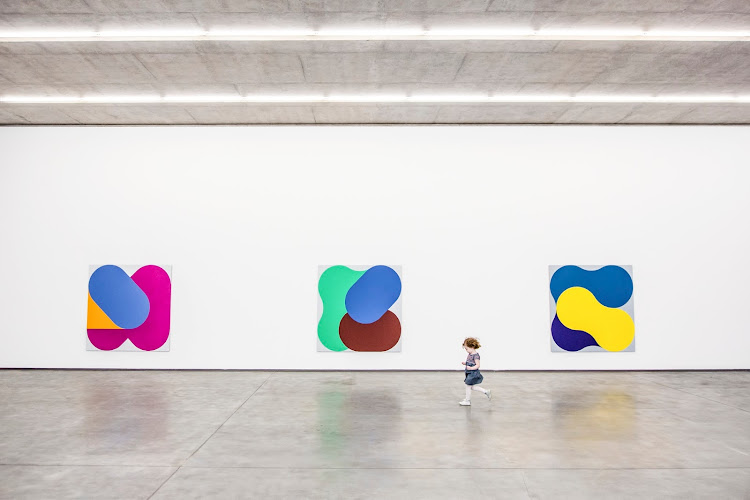
The MAC
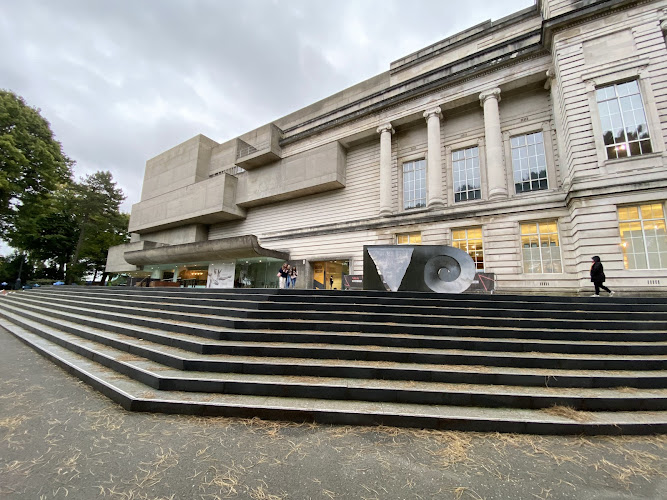
Ulster Museum
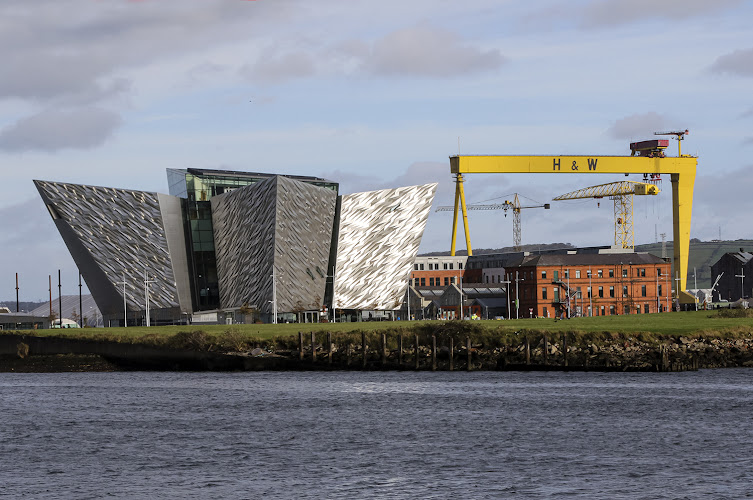
Titanic Quarter Limited
Find Accommodations Nearby
Recommended Tours & Activities
Visitor Reviews
There are no reviews yet. Be the first one to write one.
Share Your Experience
Have you visited The Big Fish? Help other travelers by leaving a review.