
Ulster Museum
About Ulster Museum
Description
The Ulster Museum in Belfast is one of those places that quietly surprises you. It doesn’t shout for attention, but once you walk through its doors, you realize you’ve stepped into something special—a place that somehow manages to hold centuries of Irish history, art, and science all under one roof. It’s the kind of museum that doesn’t just show you things; it tells stories. Real stories. From ancient Irish gold to dinosaur bones and modern art installations that make you stop and think, it’s a space where the past and present meet in the most natural way possible.
What I personally love about the Ulster Museum is how approachable it feels. You don’t have to be a history buff or an art expert to enjoy it. It’s free to enter, which already makes it feel welcoming, and the layout encourages you to wander at your own pace. You might start in the natural history section, staring up at a massive skeleton of an Irish elk, and end up lost in the art galleries upstairs, surrounded by pieces from local and international artists. There’s a rhythm to it—a calm, thoughtful energy that makes you want to linger.
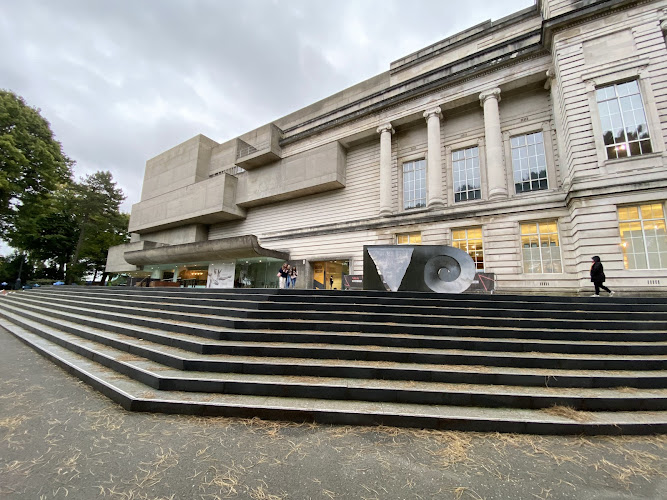
And it’s not just about the exhibits. The building itself, a blend of classical and modern architecture, is a conversation between eras. The original structure, with its Renaissance-style elegance, contrasts beautifully with the brutalist extension added later. It’s like the museum decided to embody its own message: that history evolves, adapts, and keeps moving forward. You can almost feel that philosophy in the air as you explore.
Families love it too. Kids get wide-eyed at the dinosaur fossils and Egyptian mummies, while adults find themselves drawn into the stories of Ireland’s industrial growth or the delicate details of 18th-century paintings. It’s educational without being preachy, and honestly, that’s a rare balance to strike. There’s even a café where you can grab a coffee and sit by the window looking out over the Botanic Gardens—perfect for catching your breath before diving back in.
Sure, not every exhibit will blow your mind, and sometimes the crowds can make it a bit noisy, especially on weekends. But that’s part of its charm—it’s alive, full of people genuinely curious about the world around them. And isn’t that what a museum should be?
Key Features
- Diverse Collections: Explore everything from prehistoric fossils and ancient artifacts to modern art and contemporary photography.
- Art Galleries: A stunning collection of Irish and international art spanning centuries, including works by renowned painters and sculptors.
- Natural History: Life-sized dinosaur skeletons, rare minerals, and interactive displays that bring science to life.
- Historical Exhibits: Learn about Northern Ireland’s industrial heritage, political history, and cultural evolution through immersive displays.
- Family-Friendly Spaces: Interactive zones, child-friendly exhibits, and changing facilities make it ideal for families.
- Accessibility: Fully wheelchair accessible with elevators, ramps, and accessible restrooms throughout.
- Onsite Amenities: Café and restaurant, restrooms, and a museum shop offering local crafts and souvenirs.
- Free Admission: Open to the public at no cost, making it one of Belfast’s most accessible cultural attractions.
Best Time to Visit
If you want to avoid the crowds (and trust me, it can get busy), try visiting on a weekday morning. The museum opens fairly early, and that first hour or so before the school groups arrive is pure gold. You can wander through the quiet galleries almost in solitude, which gives you time to really take it all in. Late afternoons can also be peaceful, especially in the winter months when the soft Belfast light filters through the windows—it adds a kind of cinematic glow to the exhibits.
Spring and autumn are my personal favorites for visiting. The Botanic Gardens next door are in full bloom in spring, making it easy to pair your museum trip with a stroll through the gardens. Autumn, on the other hand, brings that crisp air and golden leaves that make the whole area feel almost poetic. Summer’s fine too, but expect more tourists—especially families and student groups. If you’re the type who likes a bit of buzz, that’s your time. But if you prefer to take things slow, off-peak seasons are the way to go.
How to Get There
The Ulster Museum is located right beside the Botanic Gardens in Belfast, which makes it easy to find even if you’re new to the city. If you’re staying in the city center, it’s about a 20-minute walk—pleasant, especially if you stroll through the university quarter. You’ll pass cafés, bookstores, and that unmistakable Belfast charm along the way.
For those using public transport, several bus routes stop nearby, and the Botanic train station is just a short walk away. Taxis and rideshares are also easy to catch in Belfast, and the museum has nearby parking options if you’re driving (though spaces can fill up quickly on weekends). Honestly, though, walking is the best way to arrive—it gives you a feel for the neighborhood’s academic and cultural vibe before you even step inside.
Tips for Visiting
Here’s the thing about the Ulster Museum: it’s bigger than it looks. You’ll want to give yourself at least two hours if you plan to see most of it, but three or four if you’re the kind of person who likes to read every exhibit label (guilty as charged). Wear comfortable shoes—there’s a fair bit of walking involved, and some of the staircases can be a workout if you skip the lifts.
If you’re traveling with kids, check out the interactive discovery zones first. They’re hands-on, engaging, and a great way to keep younger visitors entertained while you sneak in a bit of learning. And don’t skip the café—it’s surprisingly good for a museum café, with fresh sandwiches, pastries, and excellent coffee. Plus, it’s a perfect spot to people-watch or plan your next move.
Photography is allowed in most areas, but it’s always polite to double-check the signs. Some temporary exhibitions have restrictions. Speaking of which, the museum regularly hosts special exhibitions that change throughout the year. These often include international art showcases, social history themes, or even pop culture retrospectives. If you can, check what’s on before you go—you might catch something unforgettable.
One last thing: take a moment to step outside into the Botanic Gardens afterward. It’s right there, and it feels like an extension of the museum itself. The glass Palm House and the Tropical Ravine are lovely spots to unwind after absorbing so much history and culture. I usually grab a takeaway coffee and sit under the trees, letting everything I’ve seen settle in. It’s those quiet moments that make the visit truly memorable.
So, whether you’re an art lover, a history geek, or just someone curious about what makes Northern Ireland tick, the Ulster Museum is absolutely worth your time. It’s free, it’s fascinating, and it’s one of those places that leaves you thinking long after you’ve walked out the door. And really, isn’t that the best kind of travel experience?
Key Features
- Key Features
- Best Time to Visit
- How to Get There
- Tips for Visiting
More Details
Updated December 1, 2025
Table of Contents
Description
The Ulster Museum in Belfast is one of those places that quietly surprises you. It doesn’t shout for attention, but once you walk through its doors, you realize you’ve stepped into something special—a place that somehow manages to hold centuries of Irish history, art, and science all under one roof. It’s the kind of museum that doesn’t just show you things; it tells stories. Real stories. From ancient Irish gold to dinosaur bones and modern art installations that make you stop and think, it’s a space where the past and present meet in the most natural way possible.
What I personally love about the Ulster Museum is how approachable it feels. You don’t have to be a history buff or an art expert to enjoy it. It’s free to enter, which already makes it feel welcoming, and the layout encourages you to wander at your own pace. You might start in the natural history section, staring up at a massive skeleton of an Irish elk, and end up lost in the art galleries upstairs, surrounded by pieces from local and international artists. There’s a rhythm to it—a calm, thoughtful energy that makes you want to linger.
And it’s not just about the exhibits. The building itself, a blend of classical and modern architecture, is a conversation between eras. The original structure, with its Renaissance-style elegance, contrasts beautifully with the brutalist extension added later. It’s like the museum decided to embody its own message: that history evolves, adapts, and keeps moving forward. You can almost feel that philosophy in the air as you explore.
Families love it too. Kids get wide-eyed at the dinosaur fossils and Egyptian mummies, while adults find themselves drawn into the stories of Ireland’s industrial growth or the delicate details of 18th-century paintings. It’s educational without being preachy, and honestly, that’s a rare balance to strike. There’s even a café where you can grab a coffee and sit by the window looking out over the Botanic Gardens—perfect for catching your breath before diving back in.
Sure, not every exhibit will blow your mind, and sometimes the crowds can make it a bit noisy, especially on weekends. But that’s part of its charm—it’s alive, full of people genuinely curious about the world around them. And isn’t that what a museum should be?
Key Features
- Diverse Collections: Explore everything from prehistoric fossils and ancient artifacts to modern art and contemporary photography.
- Art Galleries: A stunning collection of Irish and international art spanning centuries, including works by renowned painters and sculptors.
- Natural History: Life-sized dinosaur skeletons, rare minerals, and interactive displays that bring science to life.
- Historical Exhibits: Learn about Northern Ireland’s industrial heritage, political history, and cultural evolution through immersive displays.
- Family-Friendly Spaces: Interactive zones, child-friendly exhibits, and changing facilities make it ideal for families.
- Accessibility: Fully wheelchair accessible with elevators, ramps, and accessible restrooms throughout.
- Onsite Amenities: Café and restaurant, restrooms, and a museum shop offering local crafts and souvenirs.
- Free Admission: Open to the public at no cost, making it one of Belfast’s most accessible cultural attractions.
Best Time to Visit
If you want to avoid the crowds (and trust me, it can get busy), try visiting on a weekday morning. The museum opens fairly early, and that first hour or so before the school groups arrive is pure gold. You can wander through the quiet galleries almost in solitude, which gives you time to really take it all in. Late afternoons can also be peaceful, especially in the winter months when the soft Belfast light filters through the windows—it adds a kind of cinematic glow to the exhibits.
Spring and autumn are my personal favorites for visiting. The Botanic Gardens next door are in full bloom in spring, making it easy to pair your museum trip with a stroll through the gardens. Autumn, on the other hand, brings that crisp air and golden leaves that make the whole area feel almost poetic. Summer’s fine too, but expect more tourists—especially families and student groups. If you’re the type who likes a bit of buzz, that’s your time. But if you prefer to take things slow, off-peak seasons are the way to go.
How to Get There
The Ulster Museum is located right beside the Botanic Gardens in Belfast, which makes it easy to find even if you’re new to the city. If you’re staying in the city center, it’s about a 20-minute walk—pleasant, especially if you stroll through the university quarter. You’ll pass cafés, bookstores, and that unmistakable Belfast charm along the way.
For those using public transport, several bus routes stop nearby, and the Botanic train station is just a short walk away. Taxis and rideshares are also easy to catch in Belfast, and the museum has nearby parking options if you’re driving (though spaces can fill up quickly on weekends). Honestly, though, walking is the best way to arrive—it gives you a feel for the neighborhood’s academic and cultural vibe before you even step inside.
Tips for Visiting
Here’s the thing about the Ulster Museum: it’s bigger than it looks. You’ll want to give yourself at least two hours if you plan to see most of it, but three or four if you’re the kind of person who likes to read every exhibit label (guilty as charged). Wear comfortable shoes—there’s a fair bit of walking involved, and some of the staircases can be a workout if you skip the lifts.
If you’re traveling with kids, check out the interactive discovery zones first. They’re hands-on, engaging, and a great way to keep younger visitors entertained while you sneak in a bit of learning. And don’t skip the café—it’s surprisingly good for a museum café, with fresh sandwiches, pastries, and excellent coffee. Plus, it’s a perfect spot to people-watch or plan your next move.
Photography is allowed in most areas, but it’s always polite to double-check the signs. Some temporary exhibitions have restrictions. Speaking of which, the museum regularly hosts special exhibitions that change throughout the year. These often include international art showcases, social history themes, or even pop culture retrospectives. If you can, check what’s on before you go—you might catch something unforgettable.
One last thing: take a moment to step outside into the Botanic Gardens afterward. It’s right there, and it feels like an extension of the museum itself. The glass Palm House and the Tropical Ravine are lovely spots to unwind after absorbing so much history and culture. I usually grab a takeaway coffee and sit under the trees, letting everything I’ve seen settle in. It’s those quiet moments that make the visit truly memorable.
So, whether you’re an art lover, a history geek, or just someone curious about what makes Northern Ireland tick, the Ulster Museum is absolutely worth your time. It’s free, it’s fascinating, and it’s one of those places that leaves you thinking long after you’ve walked out the door. And really, isn’t that the best kind of travel experience?
Key Highlights
- Key Features
- Best Time to Visit
- How to Get There
- Tips for Visiting
Location
Places to Stay Near Ulster Museum
Find and Book a Tour
Explore More Travel Guides
No reviews found! Be the first to review!
Traveler Reviews for Ulster Museum
There are no reviews yet. Be the first one to write one.
Have you visited Ulster Museum? Help other travelers by sharing your review.
You Might Also Like

Cave Hill Country Park

Peace Wall Belfast

Crumlin Road Gaol Visitor Attraction and Conference Centre
Find Accommodations Nearby
Recommended Tours & Activities
Visitor Reviews
There are no reviews yet. Be the first one to write one.
Share Your Experience
Have you visited Ulster Museum? Help other travelers by leaving a review.