
Peace Wall Belfast
About Peace Wall Belfast
Description
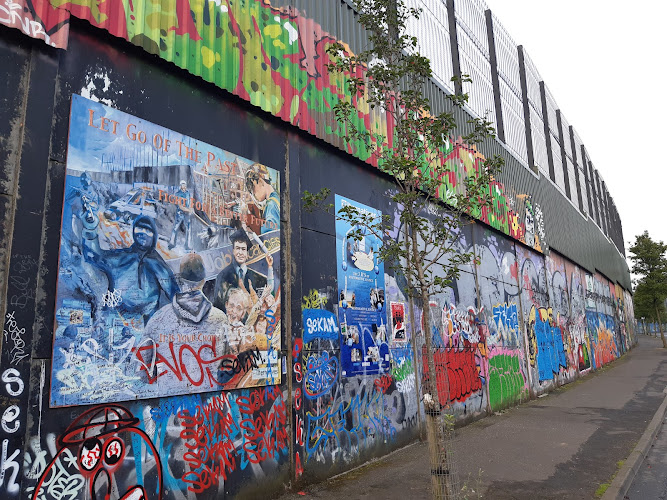
The Peace Wall in Belfast is one of those places that makes you stop, look, and think. It’s not your typical tourist attraction with shiny plaques and polished pathways—it’s raw, emotional, and deeply human. Originally built during the late 1960s to separate Catholic nationalist and Protestant loyalist communities, the wall was meant to be a temporary measure. Yet, decades later, it still stands, stretching across parts of the city like a scar that tells its story out loud. And strangely enough, this very wall has become one of Belfast’s most visited landmarks, drawing travelers who want to understand the city beyond the surface.
Walking along the Peace Wall feels less like sightseeing and more like stepping into a living history book. The concrete and steel barriers—some towering up to 25 feet—are covered in layers of graffiti, murals, and heartfelt messages from visitors around the world. You’ll find words of hope, pleas for unity, and sometimes, raw anger. It’s messy and imperfect, but that’s what makes it real. I remember standing there once, reading a message scrawled in bright red paint that said, “Walls divide hearts, not just streets.” It hit me hard. Because that’s the thing about this place—it’s not just about the past; it’s about the ongoing story of reconciliation and identity in Northern Ireland.
Locals have mixed feelings about the wall. Some see it as a necessary reminder of hard-learned lessons; others wish it would finally come down. Still, it’s become a space for expression, healing, and conversation. Whether you join one of the famous Black Cab Tours or simply wander on your own, the Peace Wall gives you a glimpse into Belfast’s complex soul. It’s not always comfortable, but it’s always powerful.
Key Features
- Historical significance: Originally built to reduce violence during The Troubles, the wall remains a symbol of Belfast’s divided yet resilient history.
- Street art and murals: Every inch of the wall tells a story through colorful artwork, political messages, and personal expressions from locals and travelers alike.
- Interactive experience: Visitors are encouraged to leave their own messages of peace and hope, adding to the ever-evolving canvas.
- Guided tours: Black Cab Tours and walking tours led by locals provide deep insight into the history, politics, and personal stories tied to the wall.
- Accessibility: The area is wheelchair accessible, making it easy for all visitors to explore and engage with the site comfortably.
- Photographic appeal: The wall’s striking colors and emotional depth make it a dream spot for photographers and storytellers.
Best Time to Visit
Belfast’s weather can be a bit unpredictable—one minute it’s sunshine, the next it’s drizzle. That said, the best time to visit the Peace Wall is during late spring through early autumn (May to September). The days are longer, the light is softer, and the murals practically glow under the summer sun. Plus, you’ll likely find more local guides available during peak season, and the nearby cafés and shops will be buzzing with life.
If you’re not a fan of crowds, early mornings are perfect. There’s something almost haunting about walking the wall when the city is still waking up—the quiet makes the messages feel louder somehow. Winter visits can be chilly, but they have their own charm. The rain makes the colors of the murals pop, and the air feels heavy with history. Just bring a good coat and maybe a flask of tea; you’ll thank yourself later.
How to Get There
The Peace Wall is located in West Belfast, not far from the city center. You can easily reach it by taxi, bus, or even on foot if you’re up for a bit of a walk. Many visitors choose to experience it through a Black Cab Tour, which picks you up from central Belfast and takes you through key historical areas, including the Falls Road and Shankill Road. These tours are led by locals—often people who lived through The Troubles themselves—so you get a firsthand perspective that’s hard to find in any guidebook.
If you prefer to go solo, public buses run frequently from the city center, and the routes are straightforward. Keep an eye out for signs pointing toward Cupar Way, one of the most famous sections of the wall. Parking is available nearby, but spaces can be limited during busy times. Walking or cycling can also be great options if you want to take in the surrounding neighborhoods at your own pace.
Tips for Visiting
Visiting the Peace Wall isn’t just about snapping photos—it’s about understanding a piece of Belfast’s heart. Here are a few tips to make your experience more meaningful:
- Go with a guide if you can. The stories you’ll hear from locals add layers of context that you just can’t get by reading signs or plaques.
- Bring a marker. Visitors are welcome to leave messages on the wall. It’s a small but powerful way to contribute to its evolving story.
- Be respectful. Remember, this isn’t just a tourist spot—it’s part of people’s daily lives and history. Treat it with the same care you’d want for your own community’s landmarks.
- Wear comfortable shoes. You’ll likely do a fair bit of walking, and the ground can be uneven in places.
- Take your time. Don’t rush through. Stop, read the messages, and let them sink in. Some of the most powerful moments happen when you slow down.
- Combine your visit. Consider exploring nearby attractions like the Falls Road murals or the Shankill Road memorials for a fuller picture of Belfast’s history.
- Check for community events. Occasionally, local artists and peace groups hold gatherings or art installations at the wall—it’s worth checking ahead to see if anything’s happening during your visit.
One more thing—don’t be surprised if you feel a mix of emotions while you’re there. It’s normal. The Peace Wall isn’t meant to be comfortable; it’s meant to make you think. And that’s what makes it one of the most unforgettable places in Northern Ireland. You might leave with more questions than answers, but maybe that’s the point. Because peace, as Belfast continues to show the world, is a work in progress—and the wall, in its own strange way, is part of that journey.
Key Features
- Key Features
- Best Time to Visit
- How to Get There
- Tips for Visiting
More Details
Updated December 1, 2025
Table of Contents
Description
The Peace Wall in Belfast is one of those places that makes you stop, look, and think. It’s not your typical tourist attraction with shiny plaques and polished pathways—it’s raw, emotional, and deeply human. Originally built during the late 1960s to separate Catholic nationalist and Protestant loyalist communities, the wall was meant to be a temporary measure. Yet, decades later, it still stands, stretching across parts of the city like a scar that tells its story out loud. And strangely enough, this very wall has become one of Belfast’s most visited landmarks, drawing travelers who want to understand the city beyond the surface.
Walking along the Peace Wall feels less like sightseeing and more like stepping into a living history book. The concrete and steel barriers—some towering up to 25 feet—are covered in layers of graffiti, murals, and heartfelt messages from visitors around the world. You’ll find words of hope, pleas for unity, and sometimes, raw anger. It’s messy and imperfect, but that’s what makes it real. I remember standing there once, reading a message scrawled in bright red paint that said, “Walls divide hearts, not just streets.” It hit me hard. Because that’s the thing about this place—it’s not just about the past; it’s about the ongoing story of reconciliation and identity in Northern Ireland.
Locals have mixed feelings about the wall. Some see it as a necessary reminder of hard-learned lessons; others wish it would finally come down. Still, it’s become a space for expression, healing, and conversation. Whether you join one of the famous Black Cab Tours or simply wander on your own, the Peace Wall gives you a glimpse into Belfast’s complex soul. It’s not always comfortable, but it’s always powerful.
Key Features
- Historical significance: Originally built to reduce violence during The Troubles, the wall remains a symbol of Belfast’s divided yet resilient history.
- Street art and murals: Every inch of the wall tells a story through colorful artwork, political messages, and personal expressions from locals and travelers alike.
- Interactive experience: Visitors are encouraged to leave their own messages of peace and hope, adding to the ever-evolving canvas.
- Guided tours: Black Cab Tours and walking tours led by locals provide deep insight into the history, politics, and personal stories tied to the wall.
- Accessibility: The area is wheelchair accessible, making it easy for all visitors to explore and engage with the site comfortably.
- Photographic appeal: The wall’s striking colors and emotional depth make it a dream spot for photographers and storytellers.
Best Time to Visit
Belfast’s weather can be a bit unpredictable—one minute it’s sunshine, the next it’s drizzle. That said, the best time to visit the Peace Wall is during late spring through early autumn (May to September). The days are longer, the light is softer, and the murals practically glow under the summer sun. Plus, you’ll likely find more local guides available during peak season, and the nearby cafés and shops will be buzzing with life.
If you’re not a fan of crowds, early mornings are perfect. There’s something almost haunting about walking the wall when the city is still waking up—the quiet makes the messages feel louder somehow. Winter visits can be chilly, but they have their own charm. The rain makes the colors of the murals pop, and the air feels heavy with history. Just bring a good coat and maybe a flask of tea; you’ll thank yourself later.
How to Get There
The Peace Wall is located in West Belfast, not far from the city center. You can easily reach it by taxi, bus, or even on foot if you’re up for a bit of a walk. Many visitors choose to experience it through a Black Cab Tour, which picks you up from central Belfast and takes you through key historical areas, including the Falls Road and Shankill Road. These tours are led by locals—often people who lived through The Troubles themselves—so you get a firsthand perspective that’s hard to find in any guidebook.
If you prefer to go solo, public buses run frequently from the city center, and the routes are straightforward. Keep an eye out for signs pointing toward Cupar Way, one of the most famous sections of the wall. Parking is available nearby, but spaces can be limited during busy times. Walking or cycling can also be great options if you want to take in the surrounding neighborhoods at your own pace.
Tips for Visiting
Visiting the Peace Wall isn’t just about snapping photos—it’s about understanding a piece of Belfast’s heart. Here are a few tips to make your experience more meaningful:
- Go with a guide if you can. The stories you’ll hear from locals add layers of context that you just can’t get by reading signs or plaques.
- Bring a marker. Visitors are welcome to leave messages on the wall. It’s a small but powerful way to contribute to its evolving story.
- Be respectful. Remember, this isn’t just a tourist spot—it’s part of people’s daily lives and history. Treat it with the same care you’d want for your own community’s landmarks.
- Wear comfortable shoes. You’ll likely do a fair bit of walking, and the ground can be uneven in places.
- Take your time. Don’t rush through. Stop, read the messages, and let them sink in. Some of the most powerful moments happen when you slow down.
- Combine your visit. Consider exploring nearby attractions like the Falls Road murals or the Shankill Road memorials for a fuller picture of Belfast’s history.
- Check for community events. Occasionally, local artists and peace groups hold gatherings or art installations at the wall—it’s worth checking ahead to see if anything’s happening during your visit.
One more thing—don’t be surprised if you feel a mix of emotions while you’re there. It’s normal. The Peace Wall isn’t meant to be comfortable; it’s meant to make you think. And that’s what makes it one of the most unforgettable places in Northern Ireland. You might leave with more questions than answers, but maybe that’s the point. Because peace, as Belfast continues to show the world, is a work in progress—and the wall, in its own strange way, is part of that journey.
Key Highlights
- Key Features
- Best Time to Visit
- How to Get There
- Tips for Visiting
Location
Places to Stay Near Peace Wall Belfast
Find and Book a Tour
Explore More Travel Guides
No reviews found! Be the first to review!
Traveler Reviews for Peace Wall Belfast
There are no reviews yet. Be the first one to write one.
Have you visited Peace Wall Belfast? Help other travelers by sharing your review.
You Might Also Like
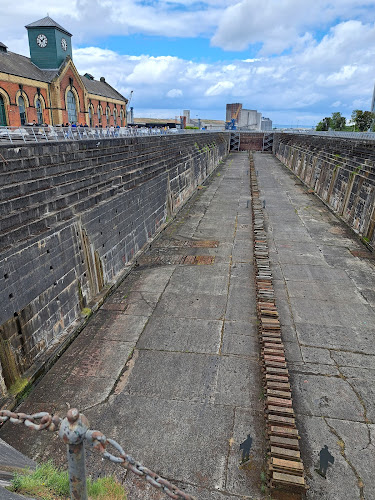
Titanic Distillery & Pump House
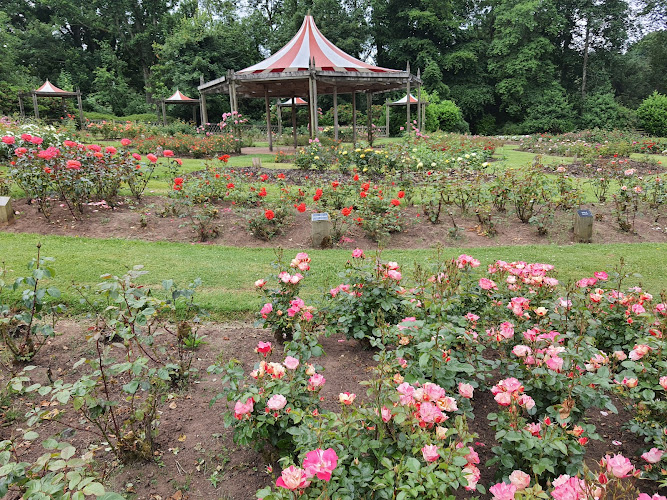
Sir Thomas and Lady Dixon Park

The Titanic Memorial Garden
Find Accommodations Nearby
Recommended Tours & Activities
Visitor Reviews
There are no reviews yet. Be the first one to write one.
Share Your Experience
Have you visited Peace Wall Belfast? Help other travelers by leaving a review.