
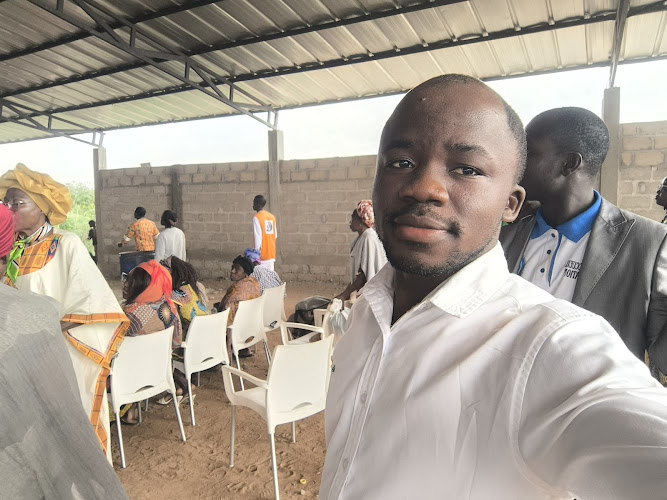
Temple CMCI BOUAKÉ TCHELEKRO
About Temple CMCI BOUAKÉ TCHELEKRO
Description
Temple CMCI BOUAKÉ TCHELEKRO stands as a meaningful spiritual center in the heart of Bouaké, Côte d'Ivoire, offering travelers a genuine glimpse into the religious life and community culture of this West African city. This church serves as more than just a place of worship—it represents a gathering point where local traditions meet contemporary Christian practice, creating an atmosphere that's both welcoming and deeply rooted in Ivorian spiritual expression. For travelers seeking authentic cultural experiences beyond the typical tourist circuit, this church provides an opportunity to witness how faith shapes daily life in Bouaké. The congregation here practices Christianity with a distinctly local flavor, and visitors often find themselves moved by the energy and sincerity of the worship services. I remember speaking with a traveler who stumbled upon a Sunday service here and ended up staying for nearly three hours, completely captivated by the music and sense of community. The church belongs to the CMCI network, which stands for Centre de Missions et de Cultes Interdénominationnel, reflecting its interdenominational approach to Christian worship. This openness makes it particularly accessible for visitors from various Christian backgrounds, though anyone respectful of religious spaces will find themselves welcome. The TCHELEKRO designation refers to its specific location within Bouaké, a city that serves as Côte d'Ivoire's second-largest urban center and a crucial hub connecting the country's northern and southern regions. What makes this particular church noteworthy for travelers is its genuine community atmosphere. You won't find the polished, tourist-oriented presentations common at some religious sites around the world. Instead, you'll experience real worship as practiced by local residents, with all the warmth and occasional beautiful chaos that entails. The congregation reflects the diverse makeup of Bouaké itself, with members from various ethnic backgrounds coming together in shared faith.Key Features
Temple CMCI BOUAKÉ TCHELEKRO offers several practical features that make it accessible and comfortable for both worshippers and curious visitors: • Wheelchair accessible entrance ensuring that individuals with mobility challenges can participate fully in services and community events • Designated wheelchair accessible parking areas, which frankly isn't as common as it should be in many religious buildings throughout West Africa • Restroom facilities available on-site, addressing a practical concern many travelers have when visiting religious institutions in developing regions • Active congregation that meets regularly for services, prayer meetings, and community gatherings throughout the week • Multilingual worship environment where French predominates but local languages also feature prominently in prayers and songs • Musical worship traditions incorporating both contemporary Christian music and traditional Ivorian rhythms and instruments • Community outreach programs that sometimes welcome volunteer participation from visitors staying in Bouaké for extended periods • Open-door policy for respectful visitors interested in learning about local Christian practicesBest Time to Visit
The optimal time to experience Temple CMCI BOUAKÉ TCHELEKRO depends largely on what kind of experience you're after. Sunday mornings naturally offer the most dynamic atmosphere, with services typically beginning around 9:00 or 9:30 AM and often extending well past noon. And I mean well past—time operates a bit differently in African worship contexts, where spiritual experience takes precedence over clock-watching. If you want to witness the church at its most energetic, plan your visit for a Sunday morning when the full congregation gathers. The singing, preaching, and communal prayer reach their peak during these weekly services. But be prepared for a longer commitment than you might expect from church services elsewhere. Bringing a bottle of water isn't a bad idea either. Wednesday evenings typically feature prayer meetings and Bible studies that offer a more intimate setting. These midweek gatherings provide better opportunities for conversation with congregation members and can give you deeper insights into how faith functions in daily Ivorian life. The pace is generally calmer, though no less sincere. From a weather perspective, Bouaké experiences its dry season from November through February, making these months more comfortable for visitors. Temperatures are somewhat cooler—relatively speaking for tropical West Africa—and you won't have to contend with the heavy rains that can make transportation challenging during wet months. That said, the church operates year-round, and services continue regardless of weather. Special religious holidays like Easter and Christmas bring extraordinary celebrations that showcase the church at its most festive. However, these events also draw larger crowds, so arrive early if you hope to find seating. The Christmas season particularly transforms the church space with decorations and special musical performances that blend Christian tradition with Ivorian cultural expression.How to Get There
Reaching Temple CMCI BOUAKÉ TCHELEKRO requires first getting yourself to Bouaké, which sits approximately 350 kilometers north of Abidjan, Côte d'Ivoire's economic capital. Most international travelers will fly into Félix-Houphouët-Boigny International Airport in Abidjan before making their way north to Bouaké. From Abidjan, you have several transportation options. The most comfortable involves hiring a private car or taxi for the journey, which typically takes about four to five hours depending on road conditions and traffic. This option costs more but provides flexibility and comfort, particularly valuable if you're traveling with luggage or in a group. Expect to negotiate prices, and always agree on the total cost before departing. Bus services operated by companies like UTB and others run regularly between Abidjan and Bouaké. These buses are considerably cheaper than private transport and generally reliable. The trip takes longer—figure on six hours or so—and comfort levels vary by company and bus condition. But this is how most locals travel, and it offers opportunities to interact with Ivorians going about their daily business. Once you've arrived in Bouaké, getting to the Tchelekro area requires local knowledge. Taxi services operate throughout the city, and most drivers will know the church location if you mention "Temple CMCI Tchelekro." Shared taxis called "gbaka" or "wôrô-wôrô" offer cheaper alternatives but involve multiple passengers and less direct routes. For first-time visitors, a regular taxi makes more sense for finding the church initially. Bouaké itself is navigable, though it doesn't have the formal address system travelers from Western countries might expect. Locations are often identified by landmarks and neighborhoods rather than street numbers. Don't hesitate to ask multiple people for directions—Ivorians are generally helpful to lost-looking foreigners, and you'll probably get walked partway there by someone heading in the same direction. If you're driving yourself, the church's wheelchair accessible parking lot provides secure space for vehicles. Just be aware that traffic patterns in Bouaké follow somewhat... flexible interpretations of formal rules, shall we say.Tips for Visiting
Visiting Temple CMCI BOUAKÉ TCHELEKRO successfully requires some cultural awareness and practical preparation. First and foremost, dress modestly and respectfully. Women should wear skirts or dresses that cover the knees, and shoulders should be covered. Men should wear long pants and collared shirts. This isn't just about respecting religious space—it's about not standing out as disrespectfully casual in a context where people dress their best for worship. Arrive early, especially for Sunday services. Seating fills up, and arriving late means either standing or awkwardly searching for space while service is underway. Plus, arriving early gives you time to observe how things work, where to sit, and how to follow along with what's happening. Photography requires sensitivity and permission. Never photograph during prayer or particularly solemn moments. If you want pictures, ask permission from church leadership beforehand, and be prepared for them to decline. Some congregations welcome documentation of their worship; others prefer privacy. Respect their wishes either way. Bring some cash for the collection offering. While you're obviously not a member, contributing something during collection time is a respectful gesture. The amount needn't be large—even a modest offering acknowledges your participation in the service and helps support the church's activities. Language presents a practical consideration. While many congregation members speak French, which serves as Côte d'Ivoire's official language, comfort levels vary. Having some basic French phrases ready helps, but don't stress too much about perfect fluency. Smiles and respectful body language communicate volumes. Some English speakers attend the church, particularly younger members with education connections, but don't count on it. The services run long, often two to three hours or more. Mentally prepare yourself for this duration. You can't just slip out early without it being noticed and potentially causing offense. If you absolutely must leave before the end, position yourself near an exit and try to depart during a musical portion rather than during prayer or preaching. Restroom availability, while mentioned in the features, doesn't mean Western-style facilities necessarily. Prepare accordingly with tissues or toilet paper in your bag. The facilities are functional but may differ from what you're accustomed to. Hydration matters. Bouaké is warm, the services are long, and church buildings aren't always well-ventilated. Bring water discreetly, but don't eat during services—that's universally inappropriate in religious contexts. Consider attending multiple times if your schedule permits. A single visit gives you one perspective, but returning helps you understand the community better and shows genuine rather than touristic interest. Regular attendees will begin recognizing you, leading to conversations and potentially invitations to other community events. Finally, approach your visit with openness rather than comparison. The worship style differs from what you might know—more exuberant, longer, less structured by Western standards. But that difference creates the value of the experience. Let yourself be present in the moment rather than mentally cataloging how things differ from your home church or religious experience.Key Features
- Key Features
- Best Time to Visit
- How to Get There
- Tips for Visiting
More Details
Updated April 5, 2026
Table of Contents
- Description
- Key Features
- Best Time to Visit
- How to Get There
- Tips for Visiting
- Key Highlights
- Location
- Places to Stay Near Temple CMCI BOUAKÉ TCHELEKRO
- Find and Book a Tour
- Explore More Travel Guides
- Key Takeaways
- About Temple CMCI BOUAKÉ TCHELEKRO
- History and Significance
- What Makes It Special
- What to See and Do
- Main Attractions and Highlights
- Best Time to Visit
- Visitor Information
- Location and How to Get There
- Tips for Visitors
- Nearby Places You Might Like
- Traveler Reviews for Temple CMCI BOUAKÉ TCHELEKRO
- Share Your Experience
Description
Temple CMCI BOUAKÉ TCHELEKRO stands as a meaningful spiritual center in the heart of Bouaké, Côte d’Ivoire, offering travelers a genuine glimpse into the religious life and community culture of this West African city. This church serves as more than just a place of worship—it represents a gathering point where local traditions meet contemporary Christian practice, creating an atmosphere that’s both welcoming and deeply rooted in Ivorian spiritual expression.
For travelers seeking authentic cultural experiences beyond the typical tourist circuit, this church provides an opportunity to witness how faith shapes daily life in Bouaké. The congregation here practices Christianity with a distinctly local flavor, and visitors often find themselves moved by the energy and sincerity of the worship services. I remember speaking with a traveler who stumbled upon a Sunday service here and ended up staying for nearly three hours, completely captivated by the music and sense of community.
The church belongs to the CMCI network, which stands for Centre de Missions et de Cultes Interdénominationnel, reflecting its interdenominational approach to Christian worship. This openness makes it particularly accessible for visitors from various Christian backgrounds, though anyone respectful of religious spaces will find themselves welcome. The TCHELEKRO designation refers to its specific location within Bouaké, a city that serves as Côte d’Ivoire’s second-largest urban center and a crucial hub connecting the country’s northern and southern regions.
What makes this particular church noteworthy for travelers is its genuine community atmosphere. You won’t find the polished, tourist-oriented presentations common at some religious sites around the world. Instead, you’ll experience real worship as practiced by local residents, with all the warmth and occasional beautiful chaos that entails. The congregation reflects the diverse makeup of Bouaké itself, with members from various ethnic backgrounds coming together in shared faith.
Key Features
Temple CMCI BOUAKÉ TCHELEKRO offers several practical features that make it accessible and comfortable for both worshippers and curious visitors:
• Wheelchair accessible entrance ensuring that individuals with mobility challenges can participate fully in services and community events
• Designated wheelchair accessible parking areas, which frankly isn’t as common as it should be in many religious buildings throughout West Africa
• Restroom facilities available on-site, addressing a practical concern many travelers have when visiting religious institutions in developing regions
• Active congregation that meets regularly for services, prayer meetings, and community gatherings throughout the week
• Multilingual worship environment where French predominates but local languages also feature prominently in prayers and songs
• Musical worship traditions incorporating both contemporary Christian music and traditional Ivorian rhythms and instruments
• Community outreach programs that sometimes welcome volunteer participation from visitors staying in Bouaké for extended periods
• Open-door policy for respectful visitors interested in learning about local Christian practices
Best Time to Visit
The optimal time to experience Temple CMCI BOUAKÉ TCHELEKRO depends largely on what kind of experience you’re after. Sunday mornings naturally offer the most dynamic atmosphere, with services typically beginning around 9:00 or 9:30 AM and often extending well past noon. And I mean well past—time operates a bit differently in African worship contexts, where spiritual experience takes precedence over clock-watching.
If you want to witness the church at its most energetic, plan your visit for a Sunday morning when the full congregation gathers. The singing, preaching, and communal prayer reach their peak during these weekly services. But be prepared for a longer commitment than you might expect from church services elsewhere. Bringing a bottle of water isn’t a bad idea either.
Wednesday evenings typically feature prayer meetings and Bible studies that offer a more intimate setting. These midweek gatherings provide better opportunities for conversation with congregation members and can give you deeper insights into how faith functions in daily Ivorian life. The pace is generally calmer, though no less sincere.
From a weather perspective, Bouaké experiences its dry season from November through February, making these months more comfortable for visitors. Temperatures are somewhat cooler—relatively speaking for tropical West Africa—and you won’t have to contend with the heavy rains that can make transportation challenging during wet months. That said, the church operates year-round, and services continue regardless of weather.
Special religious holidays like Easter and Christmas bring extraordinary celebrations that showcase the church at its most festive. However, these events also draw larger crowds, so arrive early if you hope to find seating. The Christmas season particularly transforms the church space with decorations and special musical performances that blend Christian tradition with Ivorian cultural expression.
How to Get There
Reaching Temple CMCI BOUAKÉ TCHELEKRO requires first getting yourself to Bouaké, which sits approximately 350 kilometers north of Abidjan, Côte d’Ivoire’s economic capital. Most international travelers will fly into Félix-Houphouët-Boigny International Airport in Abidjan before making their way north to Bouaké.
From Abidjan, you have several transportation options. The most comfortable involves hiring a private car or taxi for the journey, which typically takes about four to five hours depending on road conditions and traffic. This option costs more but provides flexibility and comfort, particularly valuable if you’re traveling with luggage or in a group. Expect to negotiate prices, and always agree on the total cost before departing.
Bus services operated by companies like UTB and others run regularly between Abidjan and Bouaké. These buses are considerably cheaper than private transport and generally reliable. The trip takes longer—figure on six hours or so—and comfort levels vary by company and bus condition. But this is how most locals travel, and it offers opportunities to interact with Ivorians going about their daily business.
Once you’ve arrived in Bouaké, getting to the Tchelekro area requires local knowledge. Taxi services operate throughout the city, and most drivers will know the church location if you mention “Temple CMCI Tchelekro.” Shared taxis called “gbaka” or “wôrô-wôrô” offer cheaper alternatives but involve multiple passengers and less direct routes. For first-time visitors, a regular taxi makes more sense for finding the church initially.
Bouaké itself is navigable, though it doesn’t have the formal address system travelers from Western countries might expect. Locations are often identified by landmarks and neighborhoods rather than street numbers. Don’t hesitate to ask multiple people for directions—Ivorians are generally helpful to lost-looking foreigners, and you’ll probably get walked partway there by someone heading in the same direction.
If you’re driving yourself, the church’s wheelchair accessible parking lot provides secure space for vehicles. Just be aware that traffic patterns in Bouaké follow somewhat… flexible interpretations of formal rules, shall we say.
Tips for Visiting
Visiting Temple CMCI BOUAKÉ TCHELEKRO successfully requires some cultural awareness and practical preparation. First and foremost, dress modestly and respectfully. Women should wear skirts or dresses that cover the knees, and shoulders should be covered. Men should wear long pants and collared shirts. This isn’t just about respecting religious space—it’s about not standing out as disrespectfully casual in a context where people dress their best for worship.
Arrive early, especially for Sunday services. Seating fills up, and arriving late means either standing or awkwardly searching for space while service is underway. Plus, arriving early gives you time to observe how things work, where to sit, and how to follow along with what’s happening.
Photography requires sensitivity and permission. Never photograph during prayer or particularly solemn moments. If you want pictures, ask permission from church leadership beforehand, and be prepared for them to decline. Some congregations welcome documentation of their worship; others prefer privacy. Respect their wishes either way.
Bring some cash for the collection offering. While you’re obviously not a member, contributing something during collection time is a respectful gesture. The amount needn’t be large—even a modest offering acknowledges your participation in the service and helps support the church’s activities.
Language presents a practical consideration. While many congregation members speak French, which serves as Côte d’Ivoire’s official language, comfort levels vary. Having some basic French phrases ready helps, but don’t stress too much about perfect fluency. Smiles and respectful body language communicate volumes. Some English speakers attend the church, particularly younger members with education connections, but don’t count on it.
The services run long, often two to three hours or more. Mentally prepare yourself for this duration. You can’t just slip out early without it being noticed and potentially causing offense. If you absolutely must leave before the end, position yourself near an exit and try to depart during a musical portion rather than during prayer or preaching.
Restroom availability, while mentioned in the features, doesn’t mean Western-style facilities necessarily. Prepare accordingly with tissues or toilet paper in your bag. The facilities are functional but may differ from what you’re accustomed to.
Hydration matters. Bouaké is warm, the services are long, and church buildings aren’t always well-ventilated. Bring water discreetly, but don’t eat during services—that’s universally inappropriate in religious contexts.
Consider attending multiple times if your schedule permits. A single visit gives you one perspective, but returning helps you understand the community better and shows genuine rather than touristic interest. Regular attendees will begin recognizing you, leading to conversations and potentially invitations to other community events.
Finally, approach your visit with openness rather than comparison. The worship style differs from what you might know—more exuberant, longer, less structured by Western standards. But that difference creates the value of the experience. Let yourself be present in the moment rather than mentally cataloging how things differ from your home church or religious experience.
Key Highlights
- Key Features
- Best Time to Visit
- How to Get There
- Tips for Visiting
Location
Places to Stay Near Temple CMCI BOUAKÉ TCHELEKRO
Find and Book a Tour
Explore More Travel Guides
No reviews found! Be the first to review!
Tucked away in Bouaké—Ivory Coast’s second-largest city—Temple CMCI BOUAKÉ TCHELEKRO isn’t in most guidebooks. But if you’re curious, it’s a window into authentic worship and real community life in West Africa.
This church is a vibrant spiritual center, and you’ll see firsthand how local Baoulé traditions blend with modern Christian practice. Worship here pulses with music, energy, and a kind of hospitality you just can’t fake.
CMCI stands for Centre de Missions et de Cultes Interdénominationnel. It’s a mouthful, but all you need to know is that everyone’s welcome—no matter your background, you can observe or even join in.
Forget polished architecture or staged presentations. What you’ll find is real people, gathering for worship that might stretch three hours or more. There’s singing—sometimes contemporary Christian, sometimes classic Ivorian rhythms—and a congregation that mirrors Bouaké’s diversity.
Show up on a Sunday morning, dressed respectfully, and you’ll probably get a few warm greetings and some curious smiles. Locals don’t see international visitors here every day.
Key Takeaways
- Temple CMCI BOUAKÉ TCHELEKRO is your ticket to genuine Christian worship and community life in central Ivory Coast.
- Sunday services kick off around 9:00 AM, with music that fuses Christian and Ivorian traditions—don’t expect to leave before noon.
- Visitors are welcome, and the church offers wheelchair accessibility—a rare find in this part of the world.
About Temple CMCI BOUAKÉ TCHELEKRO
You’ll find Temple CMCI BOUAKÉ TCHELEKRO in Bouaké’s Tchelekro neighborhood. It’s not just another church; it’s a true spiritual hub, blending worship traditions and daily community life in Ivory Coast’s heartland.
This place is part of the broader CMCI network, a movement that’s really shaped how Christianity looks in West Africa today.
History and Significance
The CMCI network—Centre de Missions et de Cultes Interdénominationnel—grew from the evangelical wave that swept through Ivory Coast in the late 20th century. These churches started popping up as alternatives to the more traditional Catholic and Protestant options.
In Tchelekro, this parish emerged to serve Bouaké’s growing urban population. The congregation is a real cross-section of the city—people from all over the country, drawn here for work or study.
Bouaké itself is a crossroads, connecting north and south, and you’ll feel that mix in the church pews.
It’s not just a Sunday thing here. Folks gather throughout the week for prayer, Bible study, and all sorts of community support.
What Makes It Special
Here’s what I love: there’s no show put on for outsiders. You get worship as it’s truly practiced—energetic, heartfelt, and sometimes a bit chaotic.
The music is a highlight. It’s not just French hymns; you’ll hear drumming, singing in local languages, and sometimes spontaneous bursts of song that make you forget how long you’ve been sitting.
French is the main language, but don’t be surprised if you catch snippets of Baoulé or other local tongues.
Services can run long—three hours isn’t unusual. Bring a bit of patience and maybe a water bottle.
The church has made a real effort on accessibility, with wheelchair-friendly entrances and parking. And honestly, the open-door policy here isn’t just lip service. If you’re respectful, you’ll fit right in.
What to See and Do
Temple CMCI BOUAKÉ TCHELEKRO isn’t your typical sightseeing stop. Instead, you’re stepping into a living piece of Bouaké’s community fabric.
Main Attractions and Highlights
The main draw? Experiencing real Ivorian Christian worship up close. On Sundays, the congregation blends modern Christian practices with Baoulé cultural touches.
Music stands out above all else—think rhythmic drumming, French hymns, and those spontaneous songs in local dialects that just seem to erupt from the crowd.
The church building itself is pretty simple. No stained glass, nothing ornate. But that’s part of the charm—it’s all about the people, not the architecture.
You’ll spot the wheelchair-accessible entrance and parking lot right away. That’s not something you see at every church around here.
Wednesday evening prayer meetings are a lower-key option. These are smaller, quieter, and honestly, a bit easier for first-timers to strike up a conversation or ask questions.
If you’re in Bouaké for a while, check into their community outreach. Sometimes they welcome volunteers, but you’ll want to ask around locally.
Best Time to Visit
Sunday mornings between 9:00 and 9:30 AM are when the place really comes alive. Services stretch on, so don’t make lunch plans too early.
Weather-wise, November to February is ideal—Bouaké’s dry season. It’s not too hot, and you won’t be dodging rain puddles on your way in.
Around Easter and Christmas, the church goes all out with decorations and extended celebrations. If you’re in town for the holidays, it’s worth checking out.
Visitor Information
Temple CMCI BOUAKÉ TCHELEKRO is open to visitors—just show up in Bouaké’s Tchelekro neighborhood and you’ll be welcomed. Facilities are more accessible than most, which makes life easier if you’re not used to traveling in central Ivory Coast.
Location and How to Get There
You’ll find the church in Tchelekro, right in Bouaké—about 350 kilometers north of Abidjan. Getting to Bouaké is straightforward: buses like UTB run daily from Abidjan (six hours, give or take), or you can grab a private taxi if you’re feeling flush.
Once in Bouaké, most taxi drivers know “Temple CMCI Tchelekro.” If you’re adventurous, hop in a shared taxi—gbaka or wôrô-wôrô—but expect a longer, less direct ride.
Honestly, for your first visit, stick with a regular taxi. Bouaké doesn’t do Western-style street addresses, and getting lost isn’t as charming as it sounds.
There’s wheelchair accessible parking and entrance, which is rare around here. If you’re driving yourself, you’ll find a secure lot for your car while you join the service.
Tips for Visitors
Dress modestly—women should wear knee-length skirts or dresses with covered shoulders. Men, you’ll want long pants and a collared shirt.
This isn’t just about religion; honestly, it’s about showing respect in a community where people really do wear their Sunday best. You’ll stand out less if you blend in.
Services here at Temple CMCI BOUAKÉ TCHELEKRO run long—think two to three hours, sometimes more. Sunday mornings kick off around 9:00 or 9:30 AM.
If that’s a bit much, there are Wednesday evening prayer meetings that are shorter and feel a little more personal. Either way, showing up early is smart if you want a decent seat.
Bring water. The building gets warm, and you’ll thank yourself later. Also, people notice if you slip out early, so just plan to stay until the end.
The congregation worships mainly in French. You’ll catch bursts of local languages in the prayers and songs—sometimes it’s a beautiful mix.
Don’t stress about speaking perfect French; honestly, a respectful nod or smile goes a long way. If you can, bring a little cash for the offering, even just a token amount. It’s a small gesture, but it matters.
Thinking about taking photos? You’ll need permission from church leadership before snapping anything. Never shoot during prayers or serious moments.
Some congregations are cool with a few pictures, but others really prefer privacy. Just ask first—it’s always better that way.
Traveler Reviews for Temple CMCI BOUAKÉ TCHELEKRO
There are no reviews yet. Be the first one to write one.
Have you visited Temple CMCI BOUAKÉ TCHELEKRO? Help other travelers by sharing your review.
You Might Also Like
Mosquée de Bouaké 2
Tiandjoho Alassane Ouattara

Centre Culturel Jacques Aka
Find Accommodations Nearby
Recommended Tours & Activities
Visitor Reviews
There are no reviews yet. Be the first one to write one.
Share Your Experience
Have you visited Temple CMCI BOUAKÉ TCHELEKRO? Help other travelers by leaving a review.