

Bouake
About Bouake
Description
Bouaké stands as Ivory Coast's second-largest urban center, home to roughly 740,000 residents who go about their daily lives in a city that most international travelers seem to overlook. And that's honestly a bit of a shame, because there's something uniquely authentic about this place that you won't find in the coastal tourist hubs. Located in the heart of the country's central region, this city serves as the administrative seat for the Vallée du Bandama District, Gbêkê Region, and Bouaké Department—which might sound like a lot of bureaucratic layers, but it actually tells you something important about how significant this place is to the nation's infrastructure and culture. The city sits about 50 kilometres northeast of Lake Kossou, which happens to be the largest lake in Ivory Coast. This positioning in the central part of the country makes Bouaké a natural crossroads, a place where different cultures, languages, and traditions meet and mingle in ways that feel genuinely West African rather than packaged for tourism. I've always found that cities like this—the ones that exist primarily for their residents rather than visitors—offer the most memorable travel experiences if you're willing to engage with them on their own terms. What strikes most travelers when they first arrive is how the city pulses with everyday commercial activity. Markets sprawl across neighborhoods, textile production happens in workshops that have been family-owned for generations, and the streets hum with a kind of purposeful energy that comes from people actually building lives rather than performing for cameras. The architecture tells stories too, with colonial-era buildings standing alongside modern structures and traditional compounds, creating a visual timeline of the city's evolution.Key Features
Travelers visiting Bouaké will discover several distinctive characteristics that set this city apart from more touristy destinations: • The Grand Marché serves as one of the largest commercial centers in central Ivory Coast, where everything from locally-grown produce to handcrafted textiles changes hands in a setting that's remained largely unchanged for decades • Cotton and textile industries dominate the local economy, with many workshops and factories offering informal tours where visitors can witness traditional weaving techniques that have been passed down through families • The city's position as a cultural melting pot brings together Baoulé people alongside numerous other ethnic groups, creating a linguistic and cultural diversity that's reflected in everything from food to music • Mosquée de Bouaké stands as an architectural landmark that showcases Islamic design elements specific to West Africa, different from what you might see in North African or Middle Eastern mosques • The city hosts one of the country's major research centers focusing on agriculture and cotton production, which might sound dry but actually provides fascinating insights into how Ivory Coast's economy functions • Local music scenes thrive here, particularly styles like coupé-décalé and zouglou that might not have reached international audiences but absolutely dominate the airwaves and nightlife • The Bouaké Department Prefectural Palace offers glimpses into administrative architecture from different eras of Ivorian governance • Street food culture reaches levels of sophistication here that rival anywhere in West Africa, with specialties like attiéké and grilled fish prepared by vendors who've perfected their recipes over lifetimesBest Time to Visit
Figuring out when to visit Bouaké requires understanding the city's climate patterns, which follow typical West African rhythms but with some central-region specifics. The dry season running from November through March generally offers the most comfortable conditions for travelers who aren't accustomed to tropical heat and humidity. Temperatures during these months hover in more manageable ranges, and you won't be dealing with the sudden afternoon downpours that characterize the rainy periods. But here's where my opinion might differ from standard travel advice—the rainy season, particularly May through July, has its own appeal if you don't mind occasional weather disruptions. The landscape around the city transforms into something genuinely beautiful, the dust that can make dry-season streets somewhat hazy gets washed away, and honestly, there's something about experiencing a proper West African thunderstorm that makes you feel truly present in a place. Plus, accommodation prices sometimes drop during these months, and you'll encounter fewer business travelers competing for rooms. December through February tends to see the harmattan winds blow in from the Sahara, which creates hazy conditions but also brings cooler evening temperatures that locals and visitors alike appreciate. I remember talking to a merchant in the Grand Marché who explained how the harmattan affects everything from how they display goods to which fabrics sell best—these kinds of seasonal rhythms shape daily life in ways that tourists rarely consider. If you're interested in experiencing local festivals and cultural events, timing your visit around major Islamic holidays can be rewarding, given the city's significant Muslim population. The atmosphere during these celebrations offers insights into how religious traditions adapt to West African contexts. Similarly, Ivorian independence celebrations in August bring the city to life with parades, concerts, and public gatherings, though you'll be visiting during the rainy season with all that entails.How to Get There
Getting to Bouaké requires a bit more planning than reaching coastal cities like Abidjan or San-Pédro, but the journey itself can be part of the experience. Most international travelers will fly into Félix-Houphouët-Boigny International Airport in Abidjan, which connects to major African and European hubs. From there, you've got several options, each with its own advantages and headaches. The most straightforward approach involves taking a bush taxi or intercity bus from Abidjan to Bouaké, a journey of roughly 350 kilometers that takes anywhere from four to six hours depending on road conditions and how many stops your driver makes. Bush taxis—shared vehicles that leave when full rather than on fixed schedules—offer the most authentic experience and opportunities to chat with locals, though comfort levels can vary wildly. Several bus companies operate more structured services with slightly more predictable departure times and air conditioning that sometimes even works. Driving yourself is possible if you rent a vehicle in Abidjan, and the main highway connecting the cities has seen improvements in recent years. However, I'd only recommend this if you're comfortable navigating West African road conditions, which include everything from unmarked speed bumps to livestock crossings to police checkpoints where your patience and documents will be thoroughly examined. The upside is flexibility—you can stop at roadside markets or interesting towns along the way without being at the mercy of someone else's schedule. There's also a railway line connecting Abidjan to Bouaké, though train service has been somewhat irregular in recent years. When operating, trains offer a slower but potentially more scenic journey through the Ivorian countryside. Check current schedules and reliability reports before banking on this option, as things change. For travelers coming from northern regions or neighboring countries like Burkina Faso or Mali, Bouaké's position makes it an accessible stopping point on overland routes heading south. The road network connects reasonably well to these areas, though travel times can stretch considerably during rainy seasons when unpaved sections turn challenging.Tips for Visiting
Approaching Bouaké with the right mindset and preparation makes all the difference between frustration and genuine cultural immersion. First off, learning at least basic French phrases is practically essential—this isn't a place where you can rely on English being widely spoken. Even simple greetings and polite expressions will open doors that remain closed to travelers who can't communicate beyond gestures. And if you can pick up a few words in Baoulé, the predominant local language, people's faces will light up in ways that make the effort worthwhile. Money matters require attention here. While larger hotels and some businesses accept credit cards, Bouaké operates primarily on cash. Make sure you have sufficient West African CFA francs before arriving, as ATMs can be unreliable and may run out of cash during weekends or holidays. I learned this the hard way once, finding myself with dwindling cash on a Saturday afternoon when every ATM I tried was either empty or malfunctioning. Dress modestly out of respect for local cultural norms, particularly when visiting mosques or more traditional neighborhoods. Light, breathable fabrics work best in the heat, but avoid anything too revealing. Women especially should consider packing clothing that covers shoulders and knees for certain situations, though Bouaké isn't rigidly conservative—you'll see locals wearing everything from traditional boubous to Western-style clothing. Health precautions shouldn't be ignored. Yellow fever vaccination is typically required for entry into Ivory Coast, and malaria prophylaxis makes sense given the mosquito populations. Drink bottled water, be cautious with street food until your stomach adjusts, and pack basic medications since specific brands you're used to might not be available locally. Transportation within the city relies heavily on shared taxis and motorcycle taxis called zémidjans. Negotiate prices before getting in, and don't be afraid to walk away if someone's asking obviously inflated foreigner rates. Once you've taken a few rides, you'll get a sense of reasonable pricing. The motorcycle taxis are faster but obviously come with more risk—use your judgment about whether the time saved is worth it. Photography requires sensitivity here. Always ask permission before photographing people, and understand that some may expect small payments for posing. Government buildings, military installations, and police checkpoints should never be photographed—doing so can lead to serious complications including confiscated equipment and detainment. Accommodation options range from basic guesthouses to mid-range hotels, with very limited luxury options compared to what you'd find in Abidjan. Book ahead if possible, especially during periods when business travelers or NGO workers might be filling rooms. Don't expect international hotel standards even in the better establishments, but what you might lose in amenities you gain in character and often remarkably friendly service. Safety deserves honest discussion. Bouaké has experienced periods of instability in the past, and while conditions have generally improved, checking current security situations before traveling remains important. Register with your embassy if that makes sense for your nationality, stay aware of your surroundings, avoid displaying expensive electronics or jewelry, and stick to well-traveled areas after dark. Most visitors experience no problems, but basic precautions never hurt. The food scene here rewards adventurous eaters. Beyond international cuisine, dive into local specialties—poulet braisé grilled over charcoal, attiéké served with fried fish and spicy pepper sauce, alloco (fried plantains), and countless other dishes that rarely make it onto tourist-oriented menus. Street vendors often serve the most delicious and authentic food, though again, let your stomach adjust gradually. Finally, approach Bouaké with realistic expectations and genuine openness. This isn't a place with polished tourism infrastructure or attractions designed for Instagram moments. What it offers instead is a window into everyday Ivorian life in a significant regional center where people are building futures, maintaining traditions, and navigating the same universal human concerns that exist everywhere—just within a context that might feel unfamiliar at first. Travelers who can appreciate that authenticity often find Bouaké more rewarding than destinations that cater specifically to foreign visitors.Key Features
- Colonial-era and modern graves reflecting Bouaké’s layered history
- Shaded pathways and mature trees providing a peaceful atmosphere
- Family plots illustrating local funerary traditions and craftsmanship
- Opportunities to learn oral histories from caretakers and locals
- Close proximity to central Bouaké markets and public squares
More Details
Updated April 5, 2026
Table of Contents
- Description
- Key Features
- Best Time to Visit
- How to Get There
- Tips for Visiting
- Key Highlights
- Location
- Places to Stay Near Bouake
- Find and Book a Tour
- Explore More Travel Guides
- Key Takeaways
- About Bouake
- History and Significance
- What Makes It Special
- What to See and Do
- Main Attractions and Highlights
- Best Time to Visit
- Visitor Information
- Location and How to Get There
- Tips for Visitors
- Nearby Places You Might Like
- Traveler Reviews for Bouake
- Share Your Experience
Description
Bouaké stands as Ivory Coast’s second-largest urban center, home to roughly 740,000 residents who go about their daily lives in a city that most international travelers seem to overlook. And that’s honestly a bit of a shame, because there’s something uniquely authentic about this place that you won’t find in the coastal tourist hubs. Located in the heart of the country’s central region, this city serves as the administrative seat for the Vallée du Bandama District, Gbêkê Region, and Bouaké Department—which might sound like a lot of bureaucratic layers, but it actually tells you something important about how significant this place is to the nation’s infrastructure and culture.
The city sits about 50 kilometres northeast of Lake Kossou, which happens to be the largest lake in Ivory Coast. This positioning in the central part of the country makes Bouaké a natural crossroads, a place where different cultures, languages, and traditions meet and mingle in ways that feel genuinely West African rather than packaged for tourism. I’ve always found that cities like this—the ones that exist primarily for their residents rather than visitors—offer the most memorable travel experiences if you’re willing to engage with them on their own terms.
What strikes most travelers when they first arrive is how the city pulses with everyday commercial activity. Markets sprawl across neighborhoods, textile production happens in workshops that have been family-owned for generations, and the streets hum with a kind of purposeful energy that comes from people actually building lives rather than performing for cameras. The architecture tells stories too, with colonial-era buildings standing alongside modern structures and traditional compounds, creating a visual timeline of the city’s evolution.
Key Features
Travelers visiting Bouaké will discover several distinctive characteristics that set this city apart from more touristy destinations:
• The Grand Marché serves as one of the largest commercial centers in central Ivory Coast, where everything from locally-grown produce to handcrafted textiles changes hands in a setting that’s remained largely unchanged for decades
• Cotton and textile industries dominate the local economy, with many workshops and factories offering informal tours where visitors can witness traditional weaving techniques that have been passed down through families
• The city’s position as a cultural melting pot brings together Baoulé people alongside numerous other ethnic groups, creating a linguistic and cultural diversity that’s reflected in everything from food to music
• Mosquée de Bouaké stands as an architectural landmark that showcases Islamic design elements specific to West Africa, different from what you might see in North African or Middle Eastern mosques
• The city hosts one of the country’s major research centers focusing on agriculture and cotton production, which might sound dry but actually provides fascinating insights into how Ivory Coast’s economy functions
• Local music scenes thrive here, particularly styles like coupé-décalé and zouglou that might not have reached international audiences but absolutely dominate the airwaves and nightlife
• The Bouaké Department Prefectural Palace offers glimpses into administrative architecture from different eras of Ivorian governance
• Street food culture reaches levels of sophistication here that rival anywhere in West Africa, with specialties like attiéké and grilled fish prepared by vendors who’ve perfected their recipes over lifetimes
Best Time to Visit
Figuring out when to visit Bouaké requires understanding the city’s climate patterns, which follow typical West African rhythms but with some central-region specifics. The dry season running from November through March generally offers the most comfortable conditions for travelers who aren’t accustomed to tropical heat and humidity. Temperatures during these months hover in more manageable ranges, and you won’t be dealing with the sudden afternoon downpours that characterize the rainy periods.
But here’s where my opinion might differ from standard travel advice—the rainy season, particularly May through July, has its own appeal if you don’t mind occasional weather disruptions. The landscape around the city transforms into something genuinely beautiful, the dust that can make dry-season streets somewhat hazy gets washed away, and honestly, there’s something about experiencing a proper West African thunderstorm that makes you feel truly present in a place. Plus, accommodation prices sometimes drop during these months, and you’ll encounter fewer business travelers competing for rooms.
December through February tends to see the harmattan winds blow in from the Sahara, which creates hazy conditions but also brings cooler evening temperatures that locals and visitors alike appreciate. I remember talking to a merchant in the Grand Marché who explained how the harmattan affects everything from how they display goods to which fabrics sell best—these kinds of seasonal rhythms shape daily life in ways that tourists rarely consider.
If you’re interested in experiencing local festivals and cultural events, timing your visit around major Islamic holidays can be rewarding, given the city’s significant Muslim population. The atmosphere during these celebrations offers insights into how religious traditions adapt to West African contexts. Similarly, Ivorian independence celebrations in August bring the city to life with parades, concerts, and public gatherings, though you’ll be visiting during the rainy season with all that entails.
How to Get There
Getting to Bouaké requires a bit more planning than reaching coastal cities like Abidjan or San-Pédro, but the journey itself can be part of the experience. Most international travelers will fly into Félix-Houphouët-Boigny International Airport in Abidjan, which connects to major African and European hubs. From there, you’ve got several options, each with its own advantages and headaches.
The most straightforward approach involves taking a bush taxi or intercity bus from Abidjan to Bouaké, a journey of roughly 350 kilometers that takes anywhere from four to six hours depending on road conditions and how many stops your driver makes. Bush taxis—shared vehicles that leave when full rather than on fixed schedules—offer the most authentic experience and opportunities to chat with locals, though comfort levels can vary wildly. Several bus companies operate more structured services with slightly more predictable departure times and air conditioning that sometimes even works.
Driving yourself is possible if you rent a vehicle in Abidjan, and the main highway connecting the cities has seen improvements in recent years. However, I’d only recommend this if you’re comfortable navigating West African road conditions, which include everything from unmarked speed bumps to livestock crossings to police checkpoints where your patience and documents will be thoroughly examined. The upside is flexibility—you can stop at roadside markets or interesting towns along the way without being at the mercy of someone else’s schedule.
There’s also a railway line connecting Abidjan to Bouaké, though train service has been somewhat irregular in recent years. When operating, trains offer a slower but potentially more scenic journey through the Ivorian countryside. Check current schedules and reliability reports before banking on this option, as things change.
For travelers coming from northern regions or neighboring countries like Burkina Faso or Mali, Bouaké’s position makes it an accessible stopping point on overland routes heading south. The road network connects reasonably well to these areas, though travel times can stretch considerably during rainy seasons when unpaved sections turn challenging.
Tips for Visiting
Approaching Bouaké with the right mindset and preparation makes all the difference between frustration and genuine cultural immersion. First off, learning at least basic French phrases is practically essential—this isn’t a place where you can rely on English being widely spoken. Even simple greetings and polite expressions will open doors that remain closed to travelers who can’t communicate beyond gestures. And if you can pick up a few words in Baoulé, the predominant local language, people’s faces will light up in ways that make the effort worthwhile.
Money matters require attention here. While larger hotels and some businesses accept credit cards, Bouaké operates primarily on cash. Make sure you have sufficient West African CFA francs before arriving, as ATMs can be unreliable and may run out of cash during weekends or holidays. I learned this the hard way once, finding myself with dwindling cash on a Saturday afternoon when every ATM I tried was either empty or malfunctioning.
Dress modestly out of respect for local cultural norms, particularly when visiting mosques or more traditional neighborhoods. Light, breathable fabrics work best in the heat, but avoid anything too revealing. Women especially should consider packing clothing that covers shoulders and knees for certain situations, though Bouaké isn’t rigidly conservative—you’ll see locals wearing everything from traditional boubous to Western-style clothing.
Health precautions shouldn’t be ignored. Yellow fever vaccination is typically required for entry into Ivory Coast, and malaria prophylaxis makes sense given the mosquito populations. Drink bottled water, be cautious with street food until your stomach adjusts, and pack basic medications since specific brands you’re used to might not be available locally.
Transportation within the city relies heavily on shared taxis and motorcycle taxis called zémidjans. Negotiate prices before getting in, and don’t be afraid to walk away if someone’s asking obviously inflated foreigner rates. Once you’ve taken a few rides, you’ll get a sense of reasonable pricing. The motorcycle taxis are faster but obviously come with more risk—use your judgment about whether the time saved is worth it.
Photography requires sensitivity here. Always ask permission before photographing people, and understand that some may expect small payments for posing. Government buildings, military installations, and police checkpoints should never be photographed—doing so can lead to serious complications including confiscated equipment and detainment.
Accommodation options range from basic guesthouses to mid-range hotels, with very limited luxury options compared to what you’d find in Abidjan. Book ahead if possible, especially during periods when business travelers or NGO workers might be filling rooms. Don’t expect international hotel standards even in the better establishments, but what you might lose in amenities you gain in character and often remarkably friendly service.
Safety deserves honest discussion. Bouaké has experienced periods of instability in the past, and while conditions have generally improved, checking current security situations before traveling remains important. Register with your embassy if that makes sense for your nationality, stay aware of your surroundings, avoid displaying expensive electronics or jewelry, and stick to well-traveled areas after dark. Most visitors experience no problems, but basic precautions never hurt.
The food scene here rewards adventurous eaters. Beyond international cuisine, dive into local specialties—poulet braisé grilled over charcoal, attiéké served with fried fish and spicy pepper sauce, alloco (fried plantains), and countless other dishes that rarely make it onto tourist-oriented menus. Street vendors often serve the most delicious and authentic food, though again, let your stomach adjust gradually.
Finally, approach Bouaké with realistic expectations and genuine openness. This isn’t a place with polished tourism infrastructure or attractions designed for Instagram moments. What it offers instead is a window into everyday Ivorian life in a significant regional center where people are building futures, maintaining traditions, and navigating the same universal human concerns that exist everywhere—just within a context that might feel unfamiliar at first. Travelers who can appreciate that authenticity often find Bouaké more rewarding than destinations that cater specifically to foreign visitors.
Key Highlights
- Colonial-era and modern graves reflecting Bouaké’s layered history
- Shaded pathways and mature trees providing a peaceful atmosphere
- Family plots illustrating local funerary traditions and craftsmanship
- Opportunities to learn oral histories from caretakers and locals
- Close proximity to central Bouaké markets and public squares
Location
Places to Stay Near Bouake
Find and Book a Tour
Explore More Travel Guides
No reviews found! Be the first to review!
Most travelers just breeze through Ivory Coast’s cities on their way to the coast or the national parks. But Bouake deserves a closer look.
This central city of around 740,000 people is the country’s second-largest, and it’s where real Ivorian life happens—far from the usual tourist crowds. Forget glossy brochures or long lines at big-ticket attractions.
What actually makes Bouake worth your time? It’s the authenticity. The city sits smack in the middle of the country, about 220 miles north of Abidjan.
It’s been a commercial hub since the French set up a military post here back in 1899. You’ll wander through markets buzzing with cotton traders, pass streets lined with local maquis, and find neighborhoods where the daily rhythm hasn’t changed much in ages.
Key Takeaways
- Bouake is Ivory Coast’s second-biggest city, home to about 740,000 people in the heart of the country.
- It’s a commercial and cultural crossroads, packed with local markets and bits of living history.
- You can explore traditional neighborhoods, lively trading districts, and get a real feel for daily Ivorian life.
About Bouake
This central Ivorian city has been a vital crossroads since the French colonial era. It’s grown into the nation’s second-largest urban center, with nearly three-quarters of a million people calling it home.
History and Significance
The French military picked this spot in 1899 for a strategic outpost in their West African colony. By 1914, Bouake was already an important administrative center.
The real turning point came in 1912, when the railway finally linked Bouake to Abidjan on the coast, and eventually north to Ouagadougou in Burkina Faso. That changed everything.
The Baule people, who’d been farming rice and yams here for generations, suddenly had a direct line to the coast. Bouake quickly became the main collection point for goods heading out to export.
In 1969, Bouake became an autonomous municipality. But honestly, the city’s importance goes way beyond the official titles.
It grew into the heartbeat of Ivory Coast’s interior—a commercial hub where old-school African commerce meets modern trade. The Gonfreville textile mill, opened back in 1922, is still the country’s oldest and biggest.
What Makes It Special
You won’t spot Bouake on many tourist itineraries, and that’s exactly why it feels so real. This is a working city: cotton gets processed, tobacco is prepped for market, and sisal is turned into fiber.
The markets are alive with traders selling everything from Senufo textiles to bronze crafts and ceremonial masks. It’s all here, but you have to look for it.
Bouake sits about 31 miles northeast of Lake Kossou, Ivory Coast’s largest lake. So you’ve got access to nature, but without the coastal crowds.
The city is also home to textile and veterinary research institutes, and it’s the seat of a Roman Catholic bishop. All of these layers give Bouake a character that’s tough to pin down but easy to feel.
Walking the streets, you’re right in the commercial and transport nerve center of central Ivory Coast. That road and rail corridor to Abidjan—just over 230 miles away—means there’s always something moving through.
What to See and Do
Bouake gives you a front-row seat to Ivorian culture, minus the tourist gloss. Expect lively markets, historic religious sites, and a peek into Baoulé traditions that really define this city.
Main Attractions and Highlights
The Grand Marché (Bouaké Market) is the beating heart of the city. It’s massive, chaotic, and full of life—vendors hawk everything from bright wax-print fabrics to yams and smoked fish.
If you’re an early riser, get there in the morning when the energy is at its peak.
St. Michael’s Cathedral is hard to miss, with stained glass windows and a mellow, peaceful vibe. The Grand Mosque of Bouaké is another standout—the intricate designs are worth a look, even if you’re just admiring from the street.
The Gbêkê Regional Museum is a solid intro to local customs and history. You’ll find traditional tools, crafts, and a few artifacts that help anchor Bouake’s place in Côte d’Ivoire’s story.
Sports and Events
Gbêkê Stadium hosts football matches that draw wild, passionate crowds. If you’re around in March, the Bouaké Carnival takes over the streets with parades, dancers, and thumping music.
Quartier France is an odd but interesting mix of French colonial leftovers and Ivorian daily life. It’s worth a wander just to see how the two worlds blend.
Best Time to Visit
Honestly, aim for November to March—the dry season. The weather is comfortable, rain is rare, and walking around the markets is actually enjoyable.
April through October brings the rains. Downpours can make getting around messy, and plans might change on a dime.
If you want something special, time your visit for the Bouaké Carnival in March—it’s worth braving the crowds.
December to February is harmattan season, with dusty winds blowing in from the Sahara. Mornings are cool, but temps swing a lot, so pack some layers.
Visitor Information
Bouaké sits right in central Côte d’Ivoire, making it a handy stop between the coast and the north. Getting there is pretty straightforward by road or rail.
A few local tips can help you get the most out of your stay in this busy commercial city.
Location and How to Get There
Bouaké is roughly 350 kilometers north of Abidjan, so it’s a natural halfway point if you’re heading to Korhogo or even into Burkina Faso.
The drive from Abidjan takes about four to five hours on the A3 highway—usually in decent shape, but you never know with roadworks.
Shared taxis and buses leave from Abidjan’s main stations, with fares running around 3,000-5,000 CFA francs depending on the ride. Coming from Yamoussoukro? It’s only about 90 kilometers northeast—an hour or so by car.
The train station (Gare de Bouaké) connects to the Abidjan-Ouagadougou rail line. Schedules can be a bit unpredictable, so ask around before you plan your trip by rail.
Bush taxis run from the Gare Routière, connecting Bouaké to most of the regional towns.
Tips for Visitors
If you’re planning a trip to Bouake, the dry season—from November to April—is hands-down the best time to explore. Walking around is just easier when you’re not ankle-deep in mud or sweating buckets.
Definitely bring cash. Sure, there are ATMs scattered around Bouake, but honestly, they’re not always dependable. Most market stalls and those tiny maquis restaurants? They won’t take cards.
French is the main language here, but you’ll catch the rhythm of Baoulé in the bustling markets. Picking up a few French phrases will earn you some smiles and maybe even better prices.
At night, just keep your wits about you, especially near the market districts. Don’t flash your phone or wallet, and stick to streets where there’s a bit of a crowd and some decent lighting.
If you need a ride after dark, ask your hotel or guesthouse to call a trusted taxi driver. It’s worth the extra minute.
The Grand Marché is open every day, but if you want to see it truly buzzing, go in the morning. It’s a spectacle—colorful, loud, and absolutely packed before the midday heat settles in.
Traveler Reviews for Bouake
There are no reviews yet. Be the first one to write one.
Have you visited Bouake? Help other travelers by sharing your review.
Nearby Attractions
You Might Also Like

CMDA Bouaké
Mosquée de Bouaké 2
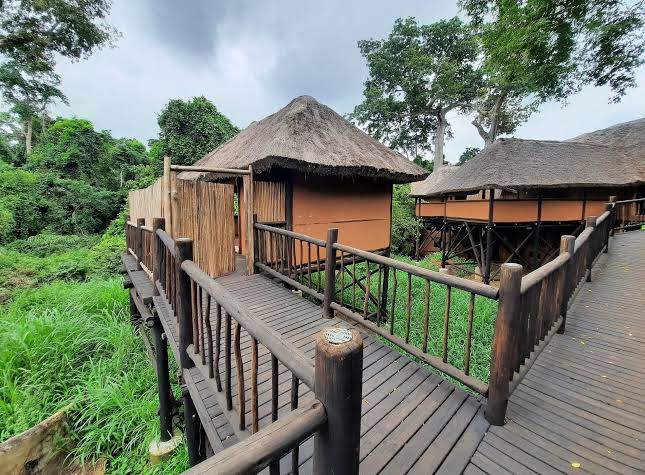
Nzi River Lodge
Find Accommodations Nearby
Recommended Tours & Activities
Visitor Reviews
There are no reviews yet. Be the first one to write one.
Share Your Experience
Have you visited Bouake? Help other travelers by leaving a review.