
Telfair Museums
About Telfair Museums
Description
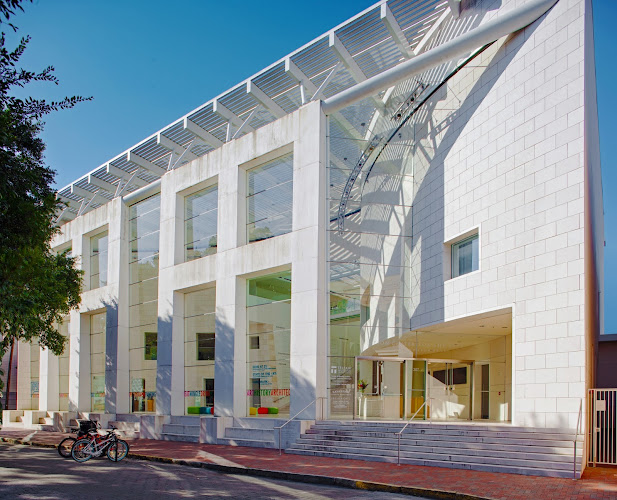
The Telfair Museums in Savannah stands as the South's oldest public art museum and greets visitors across three distinct sites that feel more like chapters of a story than a single museum. Spread across historic and contemporary buildings, the museum threads American and European works together with period rooms, decorative arts, and contemporary installations. It is both an art museum and a living history site; the mix of Regency architecture, modern gallery spaces, and a restored historic home makes the visit unexpectedly layered. People who think they know museums often find themselves surprised here — the collection moves from 19th-century portraits and decorative objects to cutting-edge projects in the Jepson Center, and then into the intimate domestic world of the Owens-Thomas House.
The Telfair Academy occupies a two-story, Regency-style mansion that has been adapted into galleries showcasing 19th- and early 20th-century American and European paintings, decorative arts, and period rooms. The building itself is a draw: architectural details and refined interiors offer a tangible sense of Savannah life in earlier centuries. In contrast, the Jepson Center for the Arts presents contemporary and modern exhibitions, interactive displays, and a sculpture-focused gallery that lets the visitor lean into art-making and current issues. Then there is the Owens-Thomas House, a National Historic Landmark that reads like a microcosm of urban Southern history — there are period rooms, architectural plasterwork by William Jay, and interpretive spaces that carefully examine household life, including hard-to-ignore histories about enslaved people and the complex social fabric of Savannah. Together, the three sites form a museum that refuses to be one-note.
Practical offerings are straightforward and helpful. The museum charges an admission fee, offers tours, and maintains onsite services that many travelers appreciate, such as Wi-Fi and visitor restrooms. There’s no full-service restaurant on site, but a modest gift shop and rotating exhibitions make it easy to spend a full morning or afternoon here. For families, the Telfair Museums tend to be welcoming: kids-friendly exhibits, occasional hands-on programming, and accessible routes make it possible to explore with little ones. And active military members can take advantage of a discount — a small but meaningful gesture for many.
What makes the museum memorable beyond the works on the walls is the way it layers context, architecture, and community history. The Owens-Thomas House is not an isolated period-piece; it anchors a broader conversation about architecture, the lives of the Telfair family, and the lived experience of those who were enslaved on the property. The Jepson Center pushes the institution forward, showcasing contemporary artists and installations that respond to current cultural topics — so the museum can feel simultaneously anchored and alive. Visitors often mention the contrast: the hush of the Academy’s portrait rooms versus the lively, sometimes provocative installations in the Jepson galleries. Both moods are part of the same coherent story the institution tells about art and history in Savannah and the American South.
Visitors should also know that accessibility is taken seriously here. The museum provides a wheelchair-accessible entrance, an accessible parking lot, and accessible restrooms, which makes a big difference for anyone traveling with mobility concerns. Guided tours are offered and can provide context that otherwise might be missed — the staff and docents are usually knowledgeable and ready to point out under-the-radar highlights like decorative arts or lesser-seen works from the permanent collection. The permanent collection includes a generous sweep of American and European work, and special exhibitions frequently rotate through the Jepson Center, so repeat visits can reveal new angles.
For travelers who appreciate architecture, the Telfair Museums are a small treasure trove. The Regency design of the Academy and the refined plasterwork of the Owens-Thomas House illustrate the craft and tastes of their eras. The Jepson Center, by contrast, is modern in both material and curatorial approach — large windows, flexible gallery spaces, and sculptures that play with scale. And though the museum does present well-known pieces, it also highlights local artists and Southern histories in ways that feel intentional rather than token. The curatorial balance between the historic and the contemporary is a continual conversation; the museum does not hide difficult stories, and that lends the experience credibility and depth.
One little anecdote worth passing along: a traveler who had seen countless major metropolitan collections said that strolling from the Academy’s quiet marble halls to the Jepson’s airy atrium felt like flipping through three different books in the same library. That’s an apt image. And, it’s true — the three-site model makes it surprisingly easy to tailor a museum day around mood, interest, and stamina. Someone focused on decorative arts and architecture can linger in the Owens-Thomas House; a family with restless kids might spend more time in the interactive Jepson galleries; a slower-paced art lover will savor the Academy’s paintings and period rooms.
There are a few practical caveats and honest asides. The museum is popular, especially during the peak tourist season, so parts of the collection can feel busy. But visitors who plan their time — early morning entries, or a mid-afternoon visit when many day-trippers are eating lunch — often report a calmer experience. And while there isn’t an on-site restaurant, the surrounding neighborhood has plenty of cafes and shaded squares, so one can easily break up a visit with a walk and a meal. For travelers who collect museum-shop souvenirs, the gift shop does a respectable job with books, prints, and locally-centered items.
Ultimately the Telfair Museums reward slow-looking. Those who rush through to tick boxes may miss the connective tissue: the way the collection and the buildings together tell a story about art, design, and the complicated social history of Savannah. The museum's strengths are its layered approach and thoughtful interpretation — it asks the visitor to consider not only what is shown, but why it matters locally and regionally. For travelers mapping a museum route through Savannah, the Telfair offers an approachable, historically grounded, and artistically varied stop that often becomes one of the day's highlights.
Key Features
More Details
Updated August 29, 2025
Table of Contents
Description
The Telfair Museums in Savannah stands as the South’s oldest public art museum and greets visitors across three distinct sites that feel more like chapters of a story than a single museum. Spread across historic and contemporary buildings, the museum threads American and European works together with period rooms, decorative arts, and contemporary installations. It is both an art museum and a living history site; the mix of Regency architecture, modern gallery spaces, and a restored historic home makes the visit unexpectedly layered. People who think they know museums often find themselves surprised here — the collection moves from 19th-century portraits and decorative objects to cutting-edge projects in the Jepson Center, and then into the intimate domestic world of the Owens-Thomas House.
The Telfair Academy occupies a two-story, Regency-style mansion that has been adapted into galleries showcasing 19th- and early 20th-century American and European paintings, decorative arts, and period rooms. The building itself is a draw: architectural details and refined interiors offer a tangible sense of Savannah life in earlier centuries. In contrast, the Jepson Center for the Arts presents contemporary and modern exhibitions, interactive displays, and a sculpture-focused gallery that lets the visitor lean into art-making and current issues. Then there is the Owens-Thomas House, a National Historic Landmark that reads like a microcosm of urban Southern history — there are period rooms, architectural plasterwork by William Jay, and interpretive spaces that carefully examine household life, including hard-to-ignore histories about enslaved people and the complex social fabric of Savannah. Together, the three sites form a museum that refuses to be one-note.
Practical offerings are straightforward and helpful. The museum charges an admission fee, offers tours, and maintains onsite services that many travelers appreciate, such as Wi-Fi and visitor restrooms. There’s no full-service restaurant on site, but a modest gift shop and rotating exhibitions make it easy to spend a full morning or afternoon here. For families, the Telfair Museums tend to be welcoming: kids-friendly exhibits, occasional hands-on programming, and accessible routes make it possible to explore with little ones. And active military members can take advantage of a discount — a small but meaningful gesture for many.
What makes the museum memorable beyond the works on the walls is the way it layers context, architecture, and community history. The Owens-Thomas House is not an isolated period-piece; it anchors a broader conversation about architecture, the lives of the Telfair family, and the lived experience of those who were enslaved on the property. The Jepson Center pushes the institution forward, showcasing contemporary artists and installations that respond to current cultural topics — so the museum can feel simultaneously anchored and alive. Visitors often mention the contrast: the hush of the Academy’s portrait rooms versus the lively, sometimes provocative installations in the Jepson galleries. Both moods are part of the same coherent story the institution tells about art and history in Savannah and the American South.
Visitors should also know that accessibility is taken seriously here. The museum provides a wheelchair-accessible entrance, an accessible parking lot, and accessible restrooms, which makes a big difference for anyone traveling with mobility concerns. Guided tours are offered and can provide context that otherwise might be missed — the staff and docents are usually knowledgeable and ready to point out under-the-radar highlights like decorative arts or lesser-seen works from the permanent collection. The permanent collection includes a generous sweep of American and European work, and special exhibitions frequently rotate through the Jepson Center, so repeat visits can reveal new angles.
For travelers who appreciate architecture, the Telfair Museums are a small treasure trove. The Regency design of the Academy and the refined plasterwork of the Owens-Thomas House illustrate the craft and tastes of their eras. The Jepson Center, by contrast, is modern in both material and curatorial approach — large windows, flexible gallery spaces, and sculptures that play with scale. And though the museum does present well-known pieces, it also highlights local artists and Southern histories in ways that feel intentional rather than token. The curatorial balance between the historic and the contemporary is a continual conversation; the museum does not hide difficult stories, and that lends the experience credibility and depth.
One little anecdote worth passing along: a traveler who had seen countless major metropolitan collections said that strolling from the Academy’s quiet marble halls to the Jepson’s airy atrium felt like flipping through three different books in the same library. That’s an apt image. And, it’s true — the three-site model makes it surprisingly easy to tailor a museum day around mood, interest, and stamina. Someone focused on decorative arts and architecture can linger in the Owens-Thomas House; a family with restless kids might spend more time in the interactive Jepson galleries; a slower-paced art lover will savor the Academy’s paintings and period rooms.
There are a few practical caveats and honest asides. The museum is popular, especially during the peak tourist season, so parts of the collection can feel busy. But visitors who plan their time — early morning entries, or a mid-afternoon visit when many day-trippers are eating lunch — often report a calmer experience. And while there isn’t an on-site restaurant, the surrounding neighborhood has plenty of cafes and shaded squares, so one can easily break up a visit with a walk and a meal. For travelers who collect museum-shop souvenirs, the gift shop does a respectable job with books, prints, and locally-centered items.
Ultimately the Telfair Museums reward slow-looking. Those who rush through to tick boxes may miss the connective tissue: the way the collection and the buildings together tell a story about art, design, and the complicated social history of Savannah. The museum’s strengths are its layered approach and thoughtful interpretation — it asks the visitor to consider not only what is shown, but why it matters locally and regionally. For travelers mapping a museum route through Savannah, the Telfair offers an approachable, historically grounded, and artistically varied stop that often becomes one of the day’s highlights.
Key Highlights
Telfair Museums
Location
Places to Stay Near Telfair Museums
Find and Book a Tour
Explore More Travel Guides
No reviews found! Be the first to review!
Traveler Reviews for Telfair Museums
There are no reviews yet. Be the first one to write one.
Have you visited Telfair Museums? Help other travelers by sharing your review.
You Might Also Like

Andrew Low House Museum

Savannah Ogeechee Canal Museum and Nature Center

American Prohibition Museum
Find Accommodations Nearby
Recommended Tours & Activities
Visitor Reviews
There are no reviews yet. Be the first one to write one.
Share Your Experience
Have you visited Telfair Museums? Help other travelers by leaving a review.