
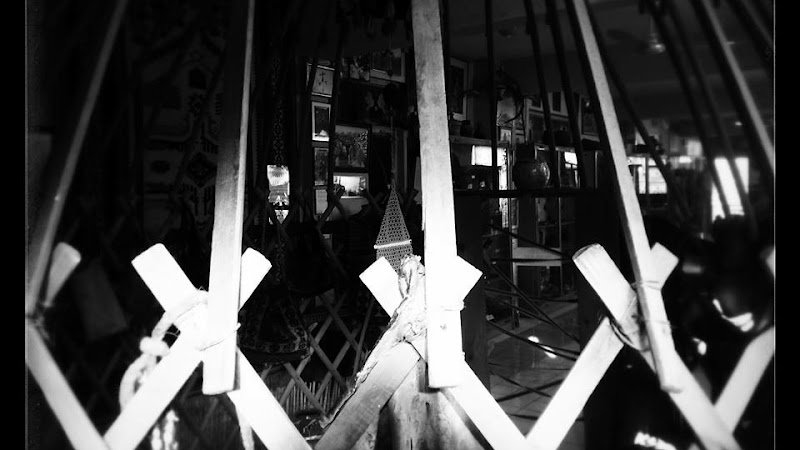
Tahtakuşlar Etnografya Galerisi
About Tahtakuşlar Etnografya Galerisi
Description
Tahtakuşlar Etnografya Galerisi is truly a one-of-a-kind private ethnography museum that sits on the edge of the lush Kaz Mountains in Türkiye’s Balıkesir province. You know, sometimes I’ve wandered into museums expecting stuffy glass cases and maybe a faded tapestry, but this place immediately gives off a lived-in spirit — like you’re stepping into a neighbor’s home rather than a sterile exhibition hall. Now, I’ve been to dozens of so-called "folk museums" across Turkey, but frankly, few show such a personal touch and devotion as what you find here.
The heart behind the museum is Alibey Kudar, a retired schoolteacher (and, let me just say, the world could use more teachers like him). The gallery sprang to life thanks to his determination not to let the traditions of local Turkish nomadic tribes — the Tahtacı Turkmen, to be precise — slip away unnoticed. So, imagine hundreds of artifacts. We’re talking textiles woven by deft, hardworking hands, woodcraft and household tools, colorful costumes, and even ritual objects that echo old, almost forgotten shamanic customs. Not to mention musical instruments that, with a little imagination, still hum with stories.
Honestly, you might raise an eyebrow at seeing things like a yurt set up in a side room, or stumble across strange amulets placed as if for some secret protection. The displays here aren’t strictly chronological or “proper” by traditional museum standards — and that, oddly, is the charm. It feels like history layered the way it happens in real life: a mixture of pride, memory, and day-to-day necessity. You can sense the village life rhythm, hear the echo of celebrations, sense the weight of migration, and all the joys and burdens they carried.
What’s especially fascinating (at least, to me and fellow folk-culture nerds) is how the museum dives into shamanic traditions that survive only in isolated Anatolian communities. Don’t expect slick infographics — this is grassroots, hands-on ethnography. I’ve even heard tales from locals whose grandparents contributed objects or stories, weaving their own family threads into the gallery fabric, which makes it more than just a collection; it’s a living patchwork of cultural heritage.
The gallery is family-friendly, often quiet (besides the happy chattering of visiting schoolchildren), and — while it may not flaunt cutting-edge interactive displays — it possesses something most museums can’t bottle up: soul.
Key Features
- Extensive ethnographic collection: Highlights traditional textiles, clothing, jewelry, tools, kitchenware, agricultural implements, and even original nomadic tents from the Tahtacı Turkmen.
- Shamanic relics and ritual items: Rare artifacts devoted to one of Turkey’s last shamanic cultures, showing the region’s roots before mainstream Islam.
- Traditional wooden architecture: The museum building itself is styled after local woodcraft traditions. You’ll spot carved doorways and beams — definitely pause to appreciate the craftsmanship if you’re into design!
- Yurt display: An authentic nomadic yurt stands as a centerpiece, illustrating how mobile communities lived and weathered the seasons in Western Anatolia.
- Personal touch of founder Alibey Kudar: His vision, stories, and welcoming attitude still echo throughout. If you’re lucky, you might bump into a member of the founding family who’ll happily answer your questions or share an anecdote.
- Educational experience: School groups and families, take note—there are everyday village items and hands-on objects you can actually touch. Kids are often delighted by the odd shapes and textures of the old tools.
- Restroom and Wi-Fi available: Simple amenities, but — let’s be honest — having both is a blessing, especially if you’re remote-working or need a break with kids.
- Atmosphere: Tucked away from the main tourist drag, it offers a quiet, immersive time-traveling vibe, especially for travelers weary of typical museums.
Best Time to Visit
Timing really does make all the difference. If you want to get the best out of Tahtakuşlar Etnografya Galerisi, I suggest making your pilgrimage during late spring or early autumn. Here’s why: temperatures in this part of Balıkesir are mild, the Kaz Mountains are blushing with green, and the air smells faintly of pine and wildflowers. In peak summer (July and August), things can get toasty — and full disclosure, the museum does not have air conditioning. So if, like me, you’re eager to avoid sweating onto a centuries-old rug, steer clear of high noon on the hottest days.
Rainy winters (think December through February) can be a bit dreary, and the mountain roads get slippery. But you’ll have the place almost to yourself, which has its own magic. For families, holiday weekends and local school breaks bring in more local visitors, so if you like a bit of bustle, plan accordingly. By the way, mornings are generally quieter, and you’ll beat the tour groups who sometimes swing by in the afternoons.
In short: April, May, September, and October are your absolute golden ticket windows. Spring means blossoms all around, autumn delivers golden light and just enough late-summer warmth to be comfortable.
How to Get There
Getting to Tahtakuşlar Etnografya Galerisi is part of the adventure — and a little different than driving up to a city center museum in, say, İzmir or Canakkale. The gallery is in the village of Tahtakuşlar, a small rural spot just outside Edremit, part of the larger Balikesir province. If you’ve ever dreamed of seeing the “real” Aegean countryside, this is your chance.
Your best bet is by car — either your own, or a hire from Edremit, Ayvalık, or even Balıkesir city center. The roads are straightforward though a bit winding as you get close to the Kaz Mountains. Pay attention to signposts, as most are still only in Turkish, and Google Maps occasionally wants to lead you down a goat trail (personal experience: don’t follow directions if the road suddenly becomes gravel and chickens outnumber cars).
Coming by public transport? It’s doable! Minibuses leave Edremit or the coastal town of Güre several times a day. Just ask for Tahtakuşlar köyü. The bus drops you in the village, and you’ll spot museum signs as you wander up the main street (it’s a short, pleasant walk). If you’re coming from further afield — like Canakkale or İzmir — your journey will likely involve a train or intercity coach to Balıkesir, then a regional bus or minivan toward Edremit, and finally a minibus or short taxi trip to Tahtakuşlar.
Parking? There’s enough for a handful of cars near the entrance, but tour bus groups tend to clog things up midday. No worries, though, most days I’ve always found a spot.
Tips for Visiting
- Entry fee: The cost is modest, usually paid in cash Turkish lira (TL). Occasionally, card machines are out of order, so bring a bit of cash just in case.
- Accessibility: Note that there’s no wheelchair-friendly entrance, and some parts have uneven floors and steps (old village house style). Sturdy shoes are your friend.
- Photography: Most exhibits are fair game for photos, but — especially with shamanic or spiritual items — be respectful. Occasionally some sections might be roped off due to sensitive artifacts.
- Facilities: There’s a well-kept restroom and free Wi-Fi, handy if you need to check directions or post about your visit. No restaurant, though; bring a snack, or plan on local cafes back in Güre or Edremit.
- Guided visits: If you speak Turkish, try to coordinate a tour with staff or locals. English info is limited, but often a fellow visitor will jump in to bridge a language gap — I’ve made some unexpected friends that way!
- Kids & families: It’s perfect for children who like touching and learning by doing. Just keep an eye on adventurous toddlers — some items are more fragile than they look.
- Combine your visit: Tahtakuşlar Etnografya Galerisi fits beautifully into a day trip through the Kaz Mountains, especially if you want to see local life between stops in Edremit or the coast. Explore nearby places — Adatepe, Yeşilyurt, or traditional olive oil factories give a fuller picture of Aegean rural culture.
- Go with an open mind: The museum is unlike any state-run institution. Think of it as a living time capsule, not a glossy curated experience. Accept the quirks — they’re part of the story.
- Climate & comfort: Summer can get hot and stuffy, especially without air conditioning. Bring water and a fan if you’re extra sensitive to heat. Dress in layers during shoulder seasons.
- Uniqueness factor: If you’re a fan of the offbeat, lesser-known museums, Tahtakuşlar is a real treasure; you’ll leave with stories you won’t find in any guidebook.
Tahtakuşlar Etnografya Galerisi isn’t your average museum. It’s a chance to see, smell, touch, and almost taste the living heritage of a resilient, creative people. For anyone looking to experience the authentic layers of Balikesir’s rich, multicultural past — to step away from the predictable and dive a bit deeper — you’ll find this place has staying power well beyond your visit. Whether you’re plotting a popular road trip or piecing together an original itinerary for Türkiye, jot this spot high on the list.
Key Features
- Extensive collection of regional kilims and traditional textiles
- Exhibits of household items, copperware and antique farming tools
- Village-style displays that recreate everyday rural life
- Strong local involvement with stories, workshops or demonstrations
- Scenic setting near Kaz Mountains (Kaz Dağları) offering combined nature and culture visits
More Details
Updated September 16, 2025
Table of Contents
Description
Tahtakuşlar Etnografya Galerisi is truly a one-of-a-kind private ethnography museum that sits on the edge of the lush Kaz Mountains in Türkiye’s Balıkesir province. You know, sometimes I’ve wandered into museums expecting stuffy glass cases and maybe a faded tapestry, but this place immediately gives off a lived-in spirit — like you’re stepping into a neighbor’s home rather than a sterile exhibition hall. Now, I’ve been to dozens of so-called “folk museums” across Turkey, but frankly, few show such a personal touch and devotion as what you find here.
The heart behind the museum is Alibey Kudar, a retired schoolteacher (and, let me just say, the world could use more teachers like him). The gallery sprang to life thanks to his determination not to let the traditions of local Turkish nomadic tribes — the Tahtacı Turkmen, to be precise — slip away unnoticed. So, imagine hundreds of artifacts. We’re talking textiles woven by deft, hardworking hands, woodcraft and household tools, colorful costumes, and even ritual objects that echo old, almost forgotten shamanic customs. Not to mention musical instruments that, with a little imagination, still hum with stories.
Honestly, you might raise an eyebrow at seeing things like a yurt set up in a side room, or stumble across strange amulets placed as if for some secret protection. The displays here aren’t strictly chronological or “proper” by traditional museum standards — and that, oddly, is the charm. It feels like history layered the way it happens in real life: a mixture of pride, memory, and day-to-day necessity. You can sense the village life rhythm, hear the echo of celebrations, sense the weight of migration, and all the joys and burdens they carried.
What’s especially fascinating (at least, to me and fellow folk-culture nerds) is how the museum dives into shamanic traditions that survive only in isolated Anatolian communities. Don’t expect slick infographics — this is grassroots, hands-on ethnography. I’ve even heard tales from locals whose grandparents contributed objects or stories, weaving their own family threads into the gallery fabric, which makes it more than just a collection; it’s a living patchwork of cultural heritage.
The gallery is family-friendly, often quiet (besides the happy chattering of visiting schoolchildren), and — while it may not flaunt cutting-edge interactive displays — it possesses something most museums can’t bottle up: soul.
Key Features
- Extensive ethnographic collection: Highlights traditional textiles, clothing, jewelry, tools, kitchenware, agricultural implements, and even original nomadic tents from the Tahtacı Turkmen.
- Shamanic relics and ritual items: Rare artifacts devoted to one of Turkey’s last shamanic cultures, showing the region’s roots before mainstream Islam.
- Traditional wooden architecture: The museum building itself is styled after local woodcraft traditions. You’ll spot carved doorways and beams — definitely pause to appreciate the craftsmanship if you’re into design!
- Yurt display: An authentic nomadic yurt stands as a centerpiece, illustrating how mobile communities lived and weathered the seasons in Western Anatolia.
- Personal touch of founder Alibey Kudar: His vision, stories, and welcoming attitude still echo throughout. If you’re lucky, you might bump into a member of the founding family who’ll happily answer your questions or share an anecdote.
- Educational experience: School groups and families, take note—there are everyday village items and hands-on objects you can actually touch. Kids are often delighted by the odd shapes and textures of the old tools.
- Restroom and Wi-Fi available: Simple amenities, but — let’s be honest — having both is a blessing, especially if you’re remote-working or need a break with kids.
- Atmosphere: Tucked away from the main tourist drag, it offers a quiet, immersive time-traveling vibe, especially for travelers weary of typical museums.
Best Time to Visit
Timing really does make all the difference. If you want to get the best out of Tahtakuşlar Etnografya Galerisi, I suggest making your pilgrimage during late spring or early autumn. Here’s why: temperatures in this part of Balıkesir are mild, the Kaz Mountains are blushing with green, and the air smells faintly of pine and wildflowers. In peak summer (July and August), things can get toasty — and full disclosure, the museum does not have air conditioning. So if, like me, you’re eager to avoid sweating onto a centuries-old rug, steer clear of high noon on the hottest days.
Rainy winters (think December through February) can be a bit dreary, and the mountain roads get slippery. But you’ll have the place almost to yourself, which has its own magic. For families, holiday weekends and local school breaks bring in more local visitors, so if you like a bit of bustle, plan accordingly. By the way, mornings are generally quieter, and you’ll beat the tour groups who sometimes swing by in the afternoons.
In short: April, May, September, and October are your absolute golden ticket windows. Spring means blossoms all around, autumn delivers golden light and just enough late-summer warmth to be comfortable.
How to Get There
Getting to Tahtakuşlar Etnografya Galerisi is part of the adventure — and a little different than driving up to a city center museum in, say, İzmir or Canakkale. The gallery is in the village of Tahtakuşlar, a small rural spot just outside Edremit, part of the larger Balikesir province. If you’ve ever dreamed of seeing the “real” Aegean countryside, this is your chance.
Your best bet is by car — either your own, or a hire from Edremit, Ayvalık, or even Balıkesir city center. The roads are straightforward though a bit winding as you get close to the Kaz Mountains. Pay attention to signposts, as most are still only in Turkish, and Google Maps occasionally wants to lead you down a goat trail (personal experience: don’t follow directions if the road suddenly becomes gravel and chickens outnumber cars).
Coming by public transport? It’s doable! Minibuses leave Edremit or the coastal town of Güre several times a day. Just ask for Tahtakuşlar köyü. The bus drops you in the village, and you’ll spot museum signs as you wander up the main street (it’s a short, pleasant walk). If you’re coming from further afield — like Canakkale or İzmir — your journey will likely involve a train or intercity coach to Balıkesir, then a regional bus or minivan toward Edremit, and finally a minibus or short taxi trip to Tahtakuşlar.
Parking? There’s enough for a handful of cars near the entrance, but tour bus groups tend to clog things up midday. No worries, though, most days I’ve always found a spot.
Tips for Visiting
- Entry fee: The cost is modest, usually paid in cash Turkish lira (TL). Occasionally, card machines are out of order, so bring a bit of cash just in case.
- Accessibility: Note that there’s no wheelchair-friendly entrance, and some parts have uneven floors and steps (old village house style). Sturdy shoes are your friend.
- Photography: Most exhibits are fair game for photos, but — especially with shamanic or spiritual items — be respectful. Occasionally some sections might be roped off due to sensitive artifacts.
- Facilities: There’s a well-kept restroom and free Wi-Fi, handy if you need to check directions or post about your visit. No restaurant, though; bring a snack, or plan on local cafes back in Güre or Edremit.
- Guided visits: If you speak Turkish, try to coordinate a tour with staff or locals. English info is limited, but often a fellow visitor will jump in to bridge a language gap — I’ve made some unexpected friends that way!
- Kids & families: It’s perfect for children who like touching and learning by doing. Just keep an eye on adventurous toddlers — some items are more fragile than they look.
- Combine your visit: Tahtakuşlar Etnografya Galerisi fits beautifully into a day trip through the Kaz Mountains, especially if you want to see local life between stops in Edremit or the coast. Explore nearby places — Adatepe, Yeşilyurt, or traditional olive oil factories give a fuller picture of Aegean rural culture.
- Go with an open mind: The museum is unlike any state-run institution. Think of it as a living time capsule, not a glossy curated experience. Accept the quirks — they’re part of the story.
- Climate & comfort: Summer can get hot and stuffy, especially without air conditioning. Bring water and a fan if you’re extra sensitive to heat. Dress in layers during shoulder seasons.
- Uniqueness factor: If you’re a fan of the offbeat, lesser-known museums, Tahtakuşlar is a real treasure; you’ll leave with stories you won’t find in any guidebook.
Tahtakuşlar Etnografya Galerisi isn’t your average museum. It’s a chance to see, smell, touch, and almost taste the living heritage of a resilient, creative people. For anyone looking to experience the authentic layers of Balikesir’s rich, multicultural past — to step away from the predictable and dive a bit deeper — you’ll find this place has staying power well beyond your visit. Whether you’re plotting a popular road trip or piecing together an original itinerary for Türkiye, jot this spot high on the list.
Key Highlights
- Extensive collection of regional kilims and traditional textiles
- Exhibits of household items, copperware and antique farming tools
- Village-style displays that recreate everyday rural life
- Strong local involvement with stories, workshops or demonstrations
- Scenic setting near Kaz Mountains (Kaz Dağları) offering combined nature and culture visits
Location
Places to Stay Near Tahtakuşlar Etnografya Galerisi
Find and Book a Tour
Explore More Travel Guides
No reviews found! Be the first to review!
Traveler Reviews for Tahtakuşlar Etnografya Galerisi
There are no reviews yet. Be the first one to write one.
Have you visited Tahtakuşlar Etnografya Galerisi? Help other travelers by sharing your review.
Nearby Attractions
You Might Also Like

İskenderun Monument Square

Gilindire Cave

Pasaoglu Mansion & Ethnography Museum
Find Accommodations Nearby
Recommended Tours & Activities
Visitor Reviews
There are no reviews yet. Be the first one to write one.
Share Your Experience
Have you visited Tahtakuşlar Etnografya Galerisi? Help other travelers by leaving a review.