
Stiftung Bundeskanzler-Adenauer-Haus
About Stiftung Bundeskanzler-Adenauer-Haus
Description
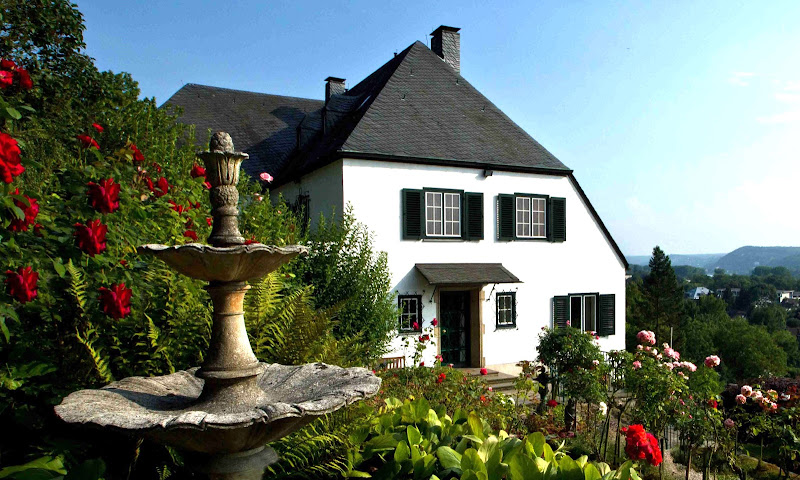
The Stiftung Bundeskanzler-Adenauer-Haus is one of those places that quietly sneaks up on your curiosity. It’s not your typical museum with endless corridors of paintings and artifacts; it’s a deeply personal space that tells the story of Konrad Adenauer, Germany’s first post-war Chancellor. The museum sits in the charming town of Bad Honnef, surrounded by greenery and that peaceful Rhineland air that somehow makes history feel alive rather than distant. Visitors often describe it as a rare chance to step into the private world of a man who helped shape modern Germany. And honestly, that’s exactly what it feels like — an intimate conversation with history rather than a lecture.
Walking through the museum, you get a genuine sense of Adenauer not just as a politician but as a person. His home, preserved much as it was during his lifetime, is filled with personal items — books, furniture, even small trinkets that hint at his character and daily life. There’s something grounding about seeing where he lived, worked, and reflected. It’s not grandiose or intimidating; it’s human. The museum team has done a wonderful job maintaining that authenticity, and it’s easy to see why visitors leave with a sense of connection rather than just information.
One of the most fascinating aspects is how the exhibits weave together Adenauer’s political achievements with his private life. You’ll find multimedia presentations, documents, and photographs that bring to life the post-war reconstruction era. The storytelling is done in a way that doesn’t overwhelm you with facts but draws you into the emotional and moral challenges of the time. And if you’re anything like me, you’ll probably find yourself lingering longer than planned, caught up in the quiet power of the place.
While it’s a museum, it feels more like a preserved moment in time. The gardens surrounding the house are beautifully kept, offering a peaceful spot to sit and reflect. I remember sitting there one afternoon, coffee in hand, watching the light shift across the trees — it felt like the kind of place where history breathes, not just sits behind glass. It’s that blend of serenity and substance that makes the Stiftung Bundeskanzler-Adenauer-Haus stand out among historical attractions in Germany.
Key Features
- Authentically preserved home of Konrad Adenauer, offering a personal glimpse into his life and legacy
- Comprehensive exhibits covering Germany’s post-war reconstruction and Adenauer’s political impact
- Interactive multimedia displays that make history engaging and accessible for visitors of all ages
- Wheelchair accessible entrance, restrooms, and parking facilities ensuring inclusivity for all guests
- Family-friendly environment that’s also LGBTQ+ welcoming and recognized as a transgender safe space
- Free parking onsite — a small detail but one that makes planning easier, especially for families or group visits
- Well-maintained restrooms and free Wi-Fi throughout the premises
- Peaceful gardens perfect for reflection or a short walk after exploring the exhibits
- Occasional live performances and special events that bring historical themes to life
- Guided tours available in multiple languages, offering deeper insights into Adenauer’s personal and political journey
What’s particularly nice is that the museum doesn’t feel overly crowded, even during busier times. You can actually take your time, read the plaques, and absorb the atmosphere without feeling rushed. It’s a space that invites contemplation rather than just consumption — something that’s surprisingly rare in modern museums.
Best Time to Visit
If you ask me, the best time to visit the Stiftung Bundeskanzler-Adenauer-Haus is during spring or early autumn. The gardens are in full bloom in spring, and the weather is just pleasant enough to wander outside after exploring the exhibits. Autumn, on the other hand, gives the entire area a warm, golden hue that makes the experience feel almost cinematic. Summer can be lovely too, though it tends to bring more visitors, especially on weekends.
Winter visits have their charm as well — fewer crowds and a certain stillness that amplifies the reflective nature of the museum. The indoor exhibits are well-heated and cozy, so you won’t feel uncomfortable. But if you’re hoping to enjoy the gardens or take photos outside, stick to milder months. Personally, I prefer late May or early October — not too hot, not too cold, and the light is just perfect for photography.
Weekdays are generally quieter than weekends, which can make your visit more relaxed. Arriving in the morning gives you a head start before the day-trippers arrive. Plus, the morning light streaming through the windows of Adenauer’s study adds a little magic to the experience — it’s one of those details that stick with you long after you leave.
How to Get There
Reaching the Stiftung Bundeskanzler-Adenauer-Haus is relatively straightforward. Most travelers come from nearby cities like Bonn or Cologne, both of which are well-connected by train and bus routes. From Bonn, it’s about a short drive or a regional train ride to Bad Honnef, followed by a brief taxi or bus ride to the museum area. If you’re driving, you’ll appreciate the free parking lot — it’s spacious and conveniently located close to the entrance.
Public transport options are reliable, and the routes are scenic, especially if you’re coming along the Rhine. The train journey itself feels like part of the trip, with views that make you want to slow down and take it all in. For those who prefer cycling, the area is accessible via well-marked bike paths, and the ride is both safe and enjoyable. I once cycled there from Bonn on a sunny day, and it was one of those experiences that remind you why traveling slowly can be so rewarding.
For international visitors, arriving through Cologne Bonn Airport is the most convenient option. From there, you can rent a car or take public transit directly to Bad Honnef. The signage is clear, and locals are helpful if you need directions — it’s one of those friendly corners of Germany where people still take the time to chat and point you the right way.
Tips for Visiting
Here’s the thing — the Stiftung Bundeskanzler-Adenauer-Haus isn’t the kind of museum you rush through. Give yourself at least a couple of hours to fully appreciate it. Start with the main house, then move to the exhibition building where the political history is more detailed. Don’t skip the garden; it’s as much a part of the experience as the exhibits themselves.
Bring comfortable shoes, especially if you plan to explore the grounds or nearby walking trails. The museum doesn’t have an on-site restaurant, so consider grabbing a meal in Bad Honnef before or after your visit. There are plenty of lovely cafés and bakeries nearby that serve hearty German fare and excellent coffee — I still remember the apple strudel I had after my first visit; it was the perfect way to end the day.
If you’re traveling with kids, you’ll be pleased to know the museum is very family-friendly. The exhibits are engaging enough to hold their attention, and the outdoor areas give them space to move around. For accessibility, the facilities are top-notch — ramps, wide pathways, and accessible restrooms make the visit comfortable for everyone.
Photography is generally allowed, though it’s always polite to double-check before snapping pictures inside the house. And if you’re a history enthusiast, consider joining one of the guided tours. The guides are knowledgeable and often share anecdotes that you won’t find in the display texts. It adds a personal touch that makes the visit even more memorable.
Lastly, take a moment before you leave to sit quietly in the garden. There’s something profoundly calming about it — maybe it’s the combination of history, nature, and reflection all in one place. You can almost imagine Adenauer himself sitting there, thinking about the future of his country. It’s that sense of continuity that makes this museum more than just a historical site — it’s a place that still speaks to the present.
In short, the Stiftung Bundeskanzler-Adenauer-Haus offers a thoughtful, intimate look at one of Germany’s most significant figures. It’s educational without being dry, peaceful without being dull, and personal without being sentimental. Whether you’re a history buff, a traveler seeking meaningful experiences, or simply someone curious about Germany’s journey, this museum deserves a spot on your itinerary. And who knows — you might leave feeling a little more connected to history than you expected.
Key Features
- Authentically preserved home of Konrad Adenauer, offering a personal glimpse into his life and legacy
- Comprehensive exhibits covering Germany’s post-war reconstruction and Adenauer’s political impact
- Interactive multimedia displays that make history engaging and accessible for visitors of all ages
- Wheelchair accessible entrance, restrooms, and parking facilities ensuring inclusivity for all guests
- Family-friendly environment that’s also LGBTQ+ welcoming and recognized as a transgender safe space
- Free parking onsite — a small detail but one that makes planning easier, especially for families or group visits
- Well-maintained restrooms and free Wi-Fi throughout the premises
- Peaceful gardens perfect for reflection or a short walk after exploring the exhibits
More Details
Updated December 1, 2025
Table of Contents
- Description
- Key Features
- Best Time to Visit
- How to Get There
- Tips for Visiting
- Key Highlights
- Location
- Places to Stay Near Stiftung Bundeskanzler-Adenauer-Haus
- Find and Book a Tour
- Explore More Travel Guides
- Nearby Places You Might Like
- Traveler Reviews for Stiftung Bundeskanzler-Adenauer-Haus
- Share Your Experience
Description
The Stiftung Bundeskanzler-Adenauer-Haus is one of those places that quietly sneaks up on your curiosity. It’s not your typical museum with endless corridors of paintings and artifacts; it’s a deeply personal space that tells the story of Konrad Adenauer, Germany’s first post-war Chancellor. The museum sits in the charming town of Bad Honnef, surrounded by greenery and that peaceful Rhineland air that somehow makes history feel alive rather than distant. Visitors often describe it as a rare chance to step into the private world of a man who helped shape modern Germany. And honestly, that’s exactly what it feels like — an intimate conversation with history rather than a lecture.
Walking through the museum, you get a genuine sense of Adenauer not just as a politician but as a person. His home, preserved much as it was during his lifetime, is filled with personal items — books, furniture, even small trinkets that hint at his character and daily life. There’s something grounding about seeing where he lived, worked, and reflected. It’s not grandiose or intimidating; it’s human. The museum team has done a wonderful job maintaining that authenticity, and it’s easy to see why visitors leave with a sense of connection rather than just information.
One of the most fascinating aspects is how the exhibits weave together Adenauer’s political achievements with his private life. You’ll find multimedia presentations, documents, and photographs that bring to life the post-war reconstruction era. The storytelling is done in a way that doesn’t overwhelm you with facts but draws you into the emotional and moral challenges of the time. And if you’re anything like me, you’ll probably find yourself lingering longer than planned, caught up in the quiet power of the place.
While it’s a museum, it feels more like a preserved moment in time. The gardens surrounding the house are beautifully kept, offering a peaceful spot to sit and reflect. I remember sitting there one afternoon, coffee in hand, watching the light shift across the trees — it felt like the kind of place where history breathes, not just sits behind glass. It’s that blend of serenity and substance that makes the Stiftung Bundeskanzler-Adenauer-Haus stand out among historical attractions in Germany.
Key Features
- Authentically preserved home of Konrad Adenauer, offering a personal glimpse into his life and legacy
- Comprehensive exhibits covering Germany’s post-war reconstruction and Adenauer’s political impact
- Interactive multimedia displays that make history engaging and accessible for visitors of all ages
- Wheelchair accessible entrance, restrooms, and parking facilities ensuring inclusivity for all guests
- Family-friendly environment that’s also LGBTQ+ welcoming and recognized as a transgender safe space
- Free parking onsite — a small detail but one that makes planning easier, especially for families or group visits
- Well-maintained restrooms and free Wi-Fi throughout the premises
- Peaceful gardens perfect for reflection or a short walk after exploring the exhibits
- Occasional live performances and special events that bring historical themes to life
- Guided tours available in multiple languages, offering deeper insights into Adenauer’s personal and political journey
What’s particularly nice is that the museum doesn’t feel overly crowded, even during busier times. You can actually take your time, read the plaques, and absorb the atmosphere without feeling rushed. It’s a space that invites contemplation rather than just consumption — something that’s surprisingly rare in modern museums.
Best Time to Visit
If you ask me, the best time to visit the Stiftung Bundeskanzler-Adenauer-Haus is during spring or early autumn. The gardens are in full bloom in spring, and the weather is just pleasant enough to wander outside after exploring the exhibits. Autumn, on the other hand, gives the entire area a warm, golden hue that makes the experience feel almost cinematic. Summer can be lovely too, though it tends to bring more visitors, especially on weekends.
Winter visits have their charm as well — fewer crowds and a certain stillness that amplifies the reflective nature of the museum. The indoor exhibits are well-heated and cozy, so you won’t feel uncomfortable. But if you’re hoping to enjoy the gardens or take photos outside, stick to milder months. Personally, I prefer late May or early October — not too hot, not too cold, and the light is just perfect for photography.
Weekdays are generally quieter than weekends, which can make your visit more relaxed. Arriving in the morning gives you a head start before the day-trippers arrive. Plus, the morning light streaming through the windows of Adenauer’s study adds a little magic to the experience — it’s one of those details that stick with you long after you leave.
How to Get There
Reaching the Stiftung Bundeskanzler-Adenauer-Haus is relatively straightforward. Most travelers come from nearby cities like Bonn or Cologne, both of which are well-connected by train and bus routes. From Bonn, it’s about a short drive or a regional train ride to Bad Honnef, followed by a brief taxi or bus ride to the museum area. If you’re driving, you’ll appreciate the free parking lot — it’s spacious and conveniently located close to the entrance.
Public transport options are reliable, and the routes are scenic, especially if you’re coming along the Rhine. The train journey itself feels like part of the trip, with views that make you want to slow down and take it all in. For those who prefer cycling, the area is accessible via well-marked bike paths, and the ride is both safe and enjoyable. I once cycled there from Bonn on a sunny day, and it was one of those experiences that remind you why traveling slowly can be so rewarding.
For international visitors, arriving through Cologne Bonn Airport is the most convenient option. From there, you can rent a car or take public transit directly to Bad Honnef. The signage is clear, and locals are helpful if you need directions — it’s one of those friendly corners of Germany where people still take the time to chat and point you the right way.
Tips for Visiting
Here’s the thing — the Stiftung Bundeskanzler-Adenauer-Haus isn’t the kind of museum you rush through. Give yourself at least a couple of hours to fully appreciate it. Start with the main house, then move to the exhibition building where the political history is more detailed. Don’t skip the garden; it’s as much a part of the experience as the exhibits themselves.
Bring comfortable shoes, especially if you plan to explore the grounds or nearby walking trails. The museum doesn’t have an on-site restaurant, so consider grabbing a meal in Bad Honnef before or after your visit. There are plenty of lovely cafés and bakeries nearby that serve hearty German fare and excellent coffee — I still remember the apple strudel I had after my first visit; it was the perfect way to end the day.
If you’re traveling with kids, you’ll be pleased to know the museum is very family-friendly. The exhibits are engaging enough to hold their attention, and the outdoor areas give them space to move around. For accessibility, the facilities are top-notch — ramps, wide pathways, and accessible restrooms make the visit comfortable for everyone.
Photography is generally allowed, though it’s always polite to double-check before snapping pictures inside the house. And if you’re a history enthusiast, consider joining one of the guided tours. The guides are knowledgeable and often share anecdotes that you won’t find in the display texts. It adds a personal touch that makes the visit even more memorable.
Lastly, take a moment before you leave to sit quietly in the garden. There’s something profoundly calming about it — maybe it’s the combination of history, nature, and reflection all in one place. You can almost imagine Adenauer himself sitting there, thinking about the future of his country. It’s that sense of continuity that makes this museum more than just a historical site — it’s a place that still speaks to the present.
In short, the Stiftung Bundeskanzler-Adenauer-Haus offers a thoughtful, intimate look at one of Germany’s most significant figures. It’s educational without being dry, peaceful without being dull, and personal without being sentimental. Whether you’re a history buff, a traveler seeking meaningful experiences, or simply someone curious about Germany’s journey, this museum deserves a spot on your itinerary. And who knows — you might leave feeling a little more connected to history than you expected.
Key Highlights
- Authentically preserved home of Konrad Adenauer, offering a personal glimpse into his life and legacy
- Comprehensive exhibits covering Germany’s post-war reconstruction and Adenauer’s political impact
- Interactive multimedia displays that make history engaging and accessible for visitors of all ages
- Wheelchair accessible entrance, restrooms, and parking facilities ensuring inclusivity for all guests
- Family-friendly environment that’s also LGBTQ+ welcoming and recognized as a transgender safe space
- Free parking onsite — a small detail but one that makes planning easier, especially for families or group visits
- Well-maintained restrooms and free Wi-Fi throughout the premises
- Peaceful gardens perfect for reflection or a short walk after exploring the exhibits
Location
Places to Stay Near Stiftung Bundeskanzler-Adenauer-Haus
Find and Book a Tour
Explore More Travel Guides
No reviews found! Be the first to review!
Traveler Reviews for Stiftung Bundeskanzler-Adenauer-Haus
There are no reviews yet. Be the first one to write one.
Have you visited Stiftung Bundeskanzler-Adenauer-Haus? Help other travelers by sharing your review.
You Might Also Like
Find Accommodations Nearby
Recommended Tours & Activities
Visitor Reviews
There are no reviews yet. Be the first one to write one.
Share Your Experience
Have you visited Stiftung Bundeskanzler-Adenauer-Haus? Help other travelers by leaving a review.