
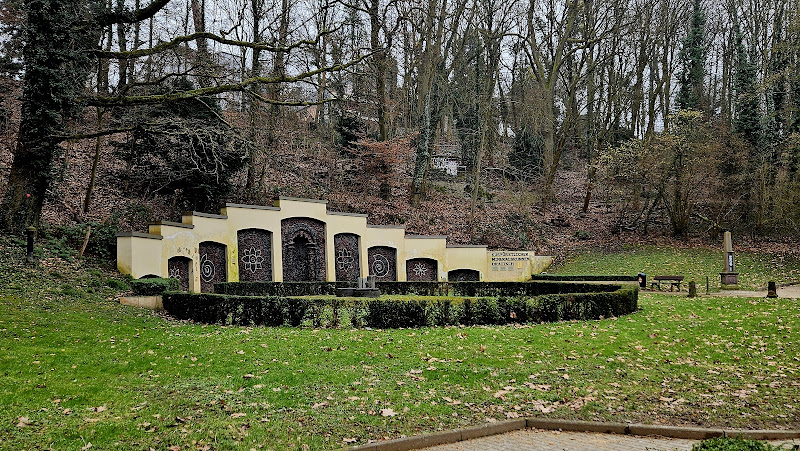
Draitschbrunnen
About Draitschbrunnen
Description
The Draitschbrunnen is one of those places that quietly charms you before you even realize it. Tucked away in the spa district of Bad Godesberg in Bonn, this historic mineral spring has been soothing locals and travelers alike for generations. It’s not flashy or over-commercialized—thankfully—but it carries that old-world European spa-town feel that’s hard to find these days. The water here is said to have healing properties, rich in minerals that were once prescribed for everything from digestion to general well-being. Whether you believe in that sort of thing or not, there’s something oddly comforting about sipping from the fountain and feeling connected to centuries of tradition.
I remember the first time I stopped by—it wasn’t even planned. I was wandering through the park on a chilly morning, coffee in hand, when I saw a few locals filling glass bottles from the fountain. They smiled and told me, “You have to try it.” So, I did. The taste? Let’s just say it’s an acquired one—slightly metallic, earthy, but undeniably unique. It’s the kind of flavor that reminds you this isn’t just tap water. And while I can’t claim it cured my fatigue, I did walk away feeling oddly refreshed, maybe even a little lighter.
What makes Draitschbrunnen such a gem is its blend of history, wellness, and simplicity. There’s no grand entrance or ticket booth. You just show up, breathe in the crisp air, listen to the bubbling of the spring, and take a moment to slow down. It’s the sort of place that rewards curiosity and quiet appreciation rather than Instagram-perfect poses. The surrounding park adds to the calm atmosphere, with leafy paths and benches that invite you to linger longer than you planned.
Key Features
- Historic mineral spring: Known for its naturally carbonated, mineral-rich water believed to offer health benefits.
- Peaceful surroundings: Located in a tranquil park setting ideal for relaxation and reflection.
- Free access: Visitors can taste the water or fill bottles without any cost.
- Architectural charm: The fountain’s design reflects early 20th-century spa culture with elegant details.
- Accessible facilities: Wheelchair-accessible entrance and parking make it easy for all visitors to enjoy.
- Local tradition: A beloved spot for residents who have been coming here for decades to collect the water.
What I personally love is how unpretentious it is. There’s no souvenir shop or crowds jostling for selfies. Just the gentle sound of water and the occasional chatter of locals who treat it as part of their daily routine. Some even swear by its benefits, claiming it helps with digestion or joint pain. Whether that’s science or sentiment, who knows—but it’s fascinating to see how deeply the place is woven into the community’s rhythm.
Best Time to Visit
If you’re planning a visit, spring and early autumn are ideal. The weather is mild, the surrounding trees are either bursting with new leaves or glowing in shades of amber, and the park feels alive without being crowded. Early mornings are particularly magical—the light filters through the trees, the air has that crisp freshness, and you might even have the fountain all to yourself. Winter, on the other hand, gives the place a quiet, almost meditative charm. There’s something poetic about watching your breath mist in the air while sipping mineral water that’s been bubbling from underground for centuries.
Summer can get a bit busier, especially when locals come to escape the heat, but it never feels overwhelming. And if you’re the type who enjoys a leisurely stroll after your visit, the nearby cafés and bakeries make for a perfect follow-up stop. I’ve spent more than one lazy afternoon there, alternating between mineral water and espresso—balance, right?
How to Get There
Reaching the Draitschbrunnen is straightforward, whether you’re coming from central Bonn or further afield. Public transport options are reliable—trains and buses connect the area easily, and from the nearest stop, it’s just a short walk through a pleasant neighborhood. If you’re driving, parking is available nearby, and the paths are well-marked. The route itself is part of the charm; as you approach, you’ll notice the gradual shift from city bustle to serene parkland.
For those who prefer exploring on foot or by bike, the area is dotted with scenic trails that make the journey as enjoyable as the destination. I once cycled there on a whim during a weekend trip, and honestly, that ride through the tree-lined streets was half the joy of the experience. The fountain feels like a small reward at the end of a gentle adventure.
Tips for Visiting
Here’s the thing about Draitschbrunnen—it’s simple, but knowing a few insider tips can make your visit even better:
- Bring your own bottle: Locals often fill up reusable bottles to take the mineral water home. It’s free and perfectly safe to drink.
- Taste with an open mind: The water’s flavor is distinctive—slightly salty and mineral-heavy. Don’t expect it to taste like your bottled spring water from the store.
- Go early: Mornings are peaceful and less crowded. Plus, the light is beautiful for photos if you’re into that.
- Take a moment to sit: The benches around the fountain are perfect for people-watching or just letting your thoughts drift. It’s a great place to slow down.
- Respect the space: This isn’t a tourist trap—it’s a cherished local spot. Keep noise low and leave the area as you found it.
- Combine your visit: The surrounding district has lovely parks and cafés, so make a day of it. You’ll find that the slower pace of Bad Godesberg is part of its charm.
And here’s a little personal tip: if you’re visiting in cooler months, bring a thermos of tea or coffee and sit nearby after tasting the water. The contrast between the warmth of your drink and the crispness of the air makes for a strangely comforting experience. It’s one of those small, quiet pleasures that stick with you long after you’ve left.
For travelers who enjoy discovering places that aren’t splashed across every travel guide, Draitschbrunnen offers something refreshing—literally and figuratively. It’s not about spectacle; it’s about presence. The kind of place where you can pause, breathe, and feel like you’ve stumbled upon a little piece of local life that still beats to its own steady rhythm. And honestly, in a world that moves too fast, that feels like a rare gift.
Key Features
- Key Features
- Best Time to Visit
- How to Get There
- Tips for Visiting
More Details
Updated December 1, 2025
Table of Contents
Description
The Draitschbrunnen is one of those places that quietly charms you before you even realize it. Tucked away in the spa district of Bad Godesberg in Bonn, this historic mineral spring has been soothing locals and travelers alike for generations. It’s not flashy or over-commercialized—thankfully—but it carries that old-world European spa-town feel that’s hard to find these days. The water here is said to have healing properties, rich in minerals that were once prescribed for everything from digestion to general well-being. Whether you believe in that sort of thing or not, there’s something oddly comforting about sipping from the fountain and feeling connected to centuries of tradition.
I remember the first time I stopped by—it wasn’t even planned. I was wandering through the park on a chilly morning, coffee in hand, when I saw a few locals filling glass bottles from the fountain. They smiled and told me, “You have to try it.” So, I did. The taste? Let’s just say it’s an acquired one—slightly metallic, earthy, but undeniably unique. It’s the kind of flavor that reminds you this isn’t just tap water. And while I can’t claim it cured my fatigue, I did walk away feeling oddly refreshed, maybe even a little lighter.
What makes Draitschbrunnen such a gem is its blend of history, wellness, and simplicity. There’s no grand entrance or ticket booth. You just show up, breathe in the crisp air, listen to the bubbling of the spring, and take a moment to slow down. It’s the sort of place that rewards curiosity and quiet appreciation rather than Instagram-perfect poses. The surrounding park adds to the calm atmosphere, with leafy paths and benches that invite you to linger longer than you planned.
Key Features
- Historic mineral spring: Known for its naturally carbonated, mineral-rich water believed to offer health benefits.
- Peaceful surroundings: Located in a tranquil park setting ideal for relaxation and reflection.
- Free access: Visitors can taste the water or fill bottles without any cost.
- Architectural charm: The fountain’s design reflects early 20th-century spa culture with elegant details.
- Accessible facilities: Wheelchair-accessible entrance and parking make it easy for all visitors to enjoy.
- Local tradition: A beloved spot for residents who have been coming here for decades to collect the water.
What I personally love is how unpretentious it is. There’s no souvenir shop or crowds jostling for selfies. Just the gentle sound of water and the occasional chatter of locals who treat it as part of their daily routine. Some even swear by its benefits, claiming it helps with digestion or joint pain. Whether that’s science or sentiment, who knows—but it’s fascinating to see how deeply the place is woven into the community’s rhythm.
Best Time to Visit
If you’re planning a visit, spring and early autumn are ideal. The weather is mild, the surrounding trees are either bursting with new leaves or glowing in shades of amber, and the park feels alive without being crowded. Early mornings are particularly magical—the light filters through the trees, the air has that crisp freshness, and you might even have the fountain all to yourself. Winter, on the other hand, gives the place a quiet, almost meditative charm. There’s something poetic about watching your breath mist in the air while sipping mineral water that’s been bubbling from underground for centuries.
Summer can get a bit busier, especially when locals come to escape the heat, but it never feels overwhelming. And if you’re the type who enjoys a leisurely stroll after your visit, the nearby cafés and bakeries make for a perfect follow-up stop. I’ve spent more than one lazy afternoon there, alternating between mineral water and espresso—balance, right?
How to Get There
Reaching the Draitschbrunnen is straightforward, whether you’re coming from central Bonn or further afield. Public transport options are reliable—trains and buses connect the area easily, and from the nearest stop, it’s just a short walk through a pleasant neighborhood. If you’re driving, parking is available nearby, and the paths are well-marked. The route itself is part of the charm; as you approach, you’ll notice the gradual shift from city bustle to serene parkland.
For those who prefer exploring on foot or by bike, the area is dotted with scenic trails that make the journey as enjoyable as the destination. I once cycled there on a whim during a weekend trip, and honestly, that ride through the tree-lined streets was half the joy of the experience. The fountain feels like a small reward at the end of a gentle adventure.
Tips for Visiting
Here’s the thing about Draitschbrunnen—it’s simple, but knowing a few insider tips can make your visit even better:
- Bring your own bottle: Locals often fill up reusable bottles to take the mineral water home. It’s free and perfectly safe to drink.
- Taste with an open mind: The water’s flavor is distinctive—slightly salty and mineral-heavy. Don’t expect it to taste like your bottled spring water from the store.
- Go early: Mornings are peaceful and less crowded. Plus, the light is beautiful for photos if you’re into that.
- Take a moment to sit: The benches around the fountain are perfect for people-watching or just letting your thoughts drift. It’s a great place to slow down.
- Respect the space: This isn’t a tourist trap—it’s a cherished local spot. Keep noise low and leave the area as you found it.
- Combine your visit: The surrounding district has lovely parks and cafés, so make a day of it. You’ll find that the slower pace of Bad Godesberg is part of its charm.
And here’s a little personal tip: if you’re visiting in cooler months, bring a thermos of tea or coffee and sit nearby after tasting the water. The contrast between the warmth of your drink and the crispness of the air makes for a strangely comforting experience. It’s one of those small, quiet pleasures that stick with you long after you’ve left.
For travelers who enjoy discovering places that aren’t splashed across every travel guide, Draitschbrunnen offers something refreshing—literally and figuratively. It’s not about spectacle; it’s about presence. The kind of place where you can pause, breathe, and feel like you’ve stumbled upon a little piece of local life that still beats to its own steady rhythm. And honestly, in a world that moves too fast, that feels like a rare gift.
Key Highlights
- Key Features
- Best Time to Visit
- How to Get There
- Tips for Visiting
Location
Places to Stay Near Draitschbrunnen
Find and Book a Tour
Explore More Travel Guides
No reviews found! Be the first to review!
Traveler Reviews for Draitschbrunnen
There are no reviews yet. Be the first one to write one.
Have you visited Draitschbrunnen? Help other travelers by sharing your review.
You Might Also Like

Wildpark

Stadtbefestigung Alter Zoll

Museum Koenig Bonn
Find Accommodations Nearby
Recommended Tours & Activities
Visitor Reviews
There are no reviews yet. Be the first one to write one.
Share Your Experience
Have you visited Draitschbrunnen? Help other travelers by leaving a review.