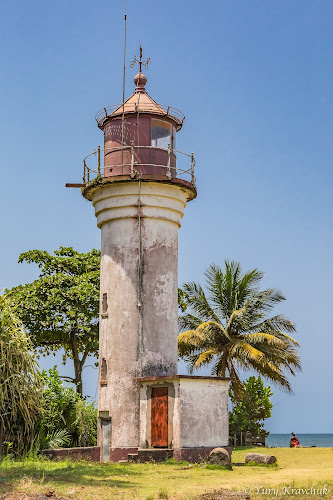
About Statue of Charles Atangana

Statue of Charles Atangana is a popular tourist attraction located in Yaounde, Cameroon. With a rating of 3.6 out of 5, it stands out as one of the recognized tourist attractions in the area.

Location

You can find Statue of Charles Atangana at VG5C+94J, Yaoundé, Cameroon.

Visiting Statue of Charles Atangana

Located in Yaounde, Cameroon, Statue of Charles Atangana is a tourist attraction that visitors to the area may find worth exploring.

Planning Your Visit

The tourist attraction is located at VG5C+94J, Yaoundé, Cameroon. GPS coordinates: 3.858460, 11.520254. Check locally for current opening hours and any admission fees before visiting.

More Details

Updated June 4, 2026

Statue of Charles Atangana is a popular tourist attraction located in Yaounde, Cameroon. With a rating of 3.6 out of 5, it stands out as one of the recognized tourist attractions in the area.

Location

You can find Statue of Charles Atangana at VG5C+94J, Yaoundé, Cameroon.

Visiting Statue of Charles Atangana

Located in Yaounde, Cameroon, Statue of Charles Atangana is a tourist attraction that visitors to the area may find worth exploring.

Planning Your Visit

The tourist attraction is located at VG5C+94J, Yaoundé, Cameroon. GPS coordinates: 3.858460, 11.520254. Check locally for current opening hours and any admission fees before visiting.

Location

Places to Stay Near Statue of Charles Atangana

Find and Book a Tour

Explore More Travel Guides

No reviews found! Be the first to review!

The Statue of Charles Atangana is a bronze monument in central Yaoundé, Cameroon. It honors the paramount chief who led the Ewondo and Bane peoples during the colonial era in the early 20th century.

Created by Cameroonian artist Gédéon Mpando in 1982, the statue stands in Place Charles Atangana, a small public square. The spot is a historical landmark and a gathering place for locals.

This monument commemorates Charles Atangana, who served as a bridge between traditional African leadership and colonial administration from the early 1900s until his death in 1943.

When you show up here, it’s more than just a statue. It’s a slice of Cameroon’s colonial past, right in the open.

Charles Atangana, born around 1880 in Mvolyé (now part of Yaoundé), became one of the most influential African leaders of his time. He managed to work within both German and French colonial systems, all while holding onto his role as chief.

The statue gives you a glimpse into how Yaoundé grew and how leaders like Atangana navigated the tricky years of European rule. If you’re into African history or colonial studies, or you just want to check out a meaningful landmark, this monument offers a perspective you probably won’t get from most guidebooks.

Key Takeaways

  • The statue honors Charles Atangana, paramount chief of the Ewondo and Bane peoples during Cameroon’s colonial period.
  • It’s located in Place Charles Atangana in central Yaoundé and was created by artist Gédéon Mpando in 1982.
  • The site stands as a historical marker and a window into Cameroon’s colonial-era leadership.

Key Details and Quick Facts

The Statue of Charles Atangana stands on Avenue Marchand, right across from the Ministry of Transport in central Yaoundé. It’s dedicated to the paramount chief who led the Ewondo and Bane peoples from around 1880 until his death on September 1, 1943.

Artist Gédéon Mpando created the bronze statue in 1982. The monument sits in Place Charles Atangana, a green square that’s both a historical site and a public hangout.

Basic Information:

  • Location: Avenue Marchand, facing Ministry of Transport
  • Subject: Charles Atangana (also known as Ntsama or Karl)
  • Created: 1982
  • Artist: Gédéon Mpando
  • Entry: Free public access

Charles Atangana was born around 1880-1883. He became one of Cameroon’s first educated leaders, connecting traditional Ewondo customs with colonial government during both German and French rule.

The statue is ranked #9 in Yaoundé according to visitor reviews. It’s well-maintained, but oddly, you won’t find any informational plaques explaining its story at the site.

The square is a central meeting point. Locals gather here, so it’s woven into daily city life, not just a tourist photo stop.

What to Expect at the Statue

When you visit the Statue of Charles Atangana in Yaoundé, you’ll spot a monument dedicated to the paramount chief of the Ewondo and Bane peoples. It’s a tribute to Atangana’s role in connecting local traditions with colonial administration during a pivotal time in Cameroon’s history.

You can check out the monument’s structure and get a sense of Charles Atangana’s place as one of Cameroon’s first intellectuals. He was among the early educated elite who shaped the country’s development during both colonial and post-independence periods.

You’ll find:

  • Photography opportunities of the monument and the city around it.
  • Historical context about Atangana’s leadership of the Ewondo people.
  • Cultural insights into how traditional authority worked alongside colonial systems.
  • Views of Yaoundé’s cityscape from the monument’s location.

Guided tours are available if you want a deeper dive into Atangana’s legacy and his influence on modern Cameroon. The location is right in the capital, so it’s easy to fit into your itinerary.

Plan Your Visit

The statue sits in central Yaoundé. You can visit any time of year, but the dry season from November to February is the most comfortable for wandering around.

Best Time to Go

You’ll get the best weather between November and February. Temperatures hover between 68°F and 86°F, and there’s not much rain—perfect for walking and taking photos.

Rainy seasons hit from March to June and September to November. Heavy afternoon downpours are pretty common then. If you’re visiting during those months, aim for the morning before the skies open up.

Weekday mornings tend to be quieter, which is nice if you’re not into crowds. The monument is outdoors and open all day, so you can time your visit for the best light or coolest temps.

Getting There

The statue is in central Yaoundé, in the city’s main district. Taxis are the most common way to get there.

Motorcycle taxis (“okadas”) are faster if you’re in a hurry, but always settle on a fare before you hop on. Most drivers know the monument as “Statue Charles Atangana.”

If your hotel is downtown, you might be able to walk there. The area is pedestrian-friendly, though sidewalks can be hit-or-miss.

Insider Tips

There’s no detailed signage or plaques at the monument, so it’s smart to read up on Charles Atangana before you go. He lived from 1883 to 1943 and was paramount chief during the colonial period.

The monument is ranked #9 out of 36 attractions in Yaoundé on travel sites. It’s often overlooked by tourists, so you’ll usually have space to yourself.

Plan to spend about 15-20 minutes here for photos and a bit of reflection. Bring your own water and maybe a hat—shade is limited.

Local vendors are around, but don’t expect touristy stuff like restrooms or gift shops right by the statue.

If you want more context, consider hiring a local guide. Your hotel can probably set it up.

Nearby Attractions and Where to Explore Next

The Statue of Charles Atangana is in central Yaoundé near Place de l’Indépendance. You’re within walking distance of the National Museum and the Reunification Monument.

The National Museum holds Cameroon’s ethnographic collections and traditional art. There are displays of masks, musical instruments, and artifacts from all over the country.

The Reunification Monument marks the 1972 unification of French and English Cameroon. It’s a key landmark if you’re curious about the nation’s political evolution.

Other attractions in the central district:

  • Cathédrale Notre-Dame des Victoires – The main Catholic cathedral, built by missionaries.
  • Marché Central – The bustling market for local crafts and produce.
  • Place de l’Indépendance – The main public square, often hosting events.

The Basilica Marie-Reine-des-Apôtres, built in 2006, stands where the first church by the Missionaries of the Holy Spirit was constructed in Cameroon. It’s a modern contrast to the colonial-era buildings nearby.

Lycée Général Leclerc is another slice of Yaoundé’s history—a prominent colonial-era secondary school. The building itself is a reminder of the city’s educational roots.

Frequently Asked Questions

The Statue of Charles Atangana sits at Place Charles Atangana on Avenue Marchand in central Yaoundé, facing the Ministry of Transport. People usually ask about where it is, Atangana’s historical role, what the statue’s design reveals, best visiting times, nearby sites, and how Cameroonians view his legacy today.

Where exactly is the Charles Atangana statue located in Yaoundé, and what’s the easiest way to visit it on foot or by taxi?

The statue is at Place Charles Atangana on Avenue Marchand, right across from the Ministry of Transport in Yaoundé’s heart. It’s in the Centre administrative district, so it’s pretty easy to find.

Most taxi drivers recognize “Place Charles Atangana.” If you’re walking from the Hilton hotel area, head south on Avenue Kennedy for about 15 minutes.

The square is open 24 hours. You can approach it from different sides since it’s in an open plaza.

Who was Charles Atangana, and why is he remembered as such an influential Ewondo leader in Cameroon’s colonial-era history?

Charles Atangana, born Ntsama around 1880, was paramount chief of the Ewondo and Bane peoples from the early 1900s until his death in 1943. The Germans gave him the name Karl and trained him in their system.

He became one of Cameroon’s first educated African leaders. Atangana bridged traditional Ewondo governance and European colonial powers, working with both German and French administrations.

His diplomatic skills let him keep authority through regime changes. He’s seen as part of Cameroon’s early intelligentsia and helped shape how local chiefs negotiated with colonial governments.

What details in the statue’s design and inscriptions hint at Atangana’s role as a paramount chief and political intermediary?

Gédéon Mpando, a Cameroonian artist, created the bronze statue in 1982. Atangana is shown in formal dress mixing African and European styles, which speaks to his position between two worlds.

He’s standing upright in a commanding pose. The statue really captures his role as someone with traditional authority who also navigated colonial bureaucracy.

The monument is a historical marker for Yaoundé’s early 20th-century development. Inscriptions and plaques around the base share context about his tenure as paramount chief.

What’s the best time of day to see the monument (light, crowds, safety), and are there local etiquette tips visitors should know?

Early mornings, between 7 and 9 a.m., are great for photos and avoiding crowds. Late afternoon from 4 to 6 p.m. works too, before the evening commute gets busy.

There’s steady foot traffic during business hours, since it’s near government offices. It’s better not to visit after dark—lighting is limited and things get quiet.

You can take photos freely. The plaza is a public space where people walk, rest, and sometimes gather for small events.

How does a visit to this statue connect with nearby heritage stops in Yaoundé, including sites linked to Ewondo culture and the city’s early administration?

The Ministry of Transport building across from the statue is one of those colonial-era administrative structures Atangana would have worked with. You’re standing in what used to be the administrative heart of early Yaoundé.

Nearby, the Cathédrale Notre-Dame des Victoires (finished in 1947) reflects the Catholic missions that influenced Ewondo communities during Atangana’s time. The Centre Ville district keeps some colonial-era architecture from both German and French periods.

If you’re curious about Ewondo culture, the Musée National du Cameroun is about 2 kilometers east on Avenue Churchill. It has artifacts from the Ewondo and Bane communities that Atangana represented.

How do Cameroonians today view Charles Atangana’s legacy—admiration, controversy, or a mix—and how is that reflected around the monument?

Cameroonians have mixed feelings about Atangana. Some folks admire him as a clever leader who tried to shield his people during a rough colonial era.

But then, there are those who look at his cooperation with German and French authorities with a bit more suspicion. It’s not exactly a settled debate.

He’s often mentioned as one of Cameroon’s early educated elites, someone who helped shape the country’s path. The statue standing tall in central Yaoundé is a pretty clear nod from officials that they consider him historically significant.

You won’t usually find protests or graffiti at the monument. It’s more of a landmark than a lightning rod, though conversations about colonial-era chiefs still pop up in Cameroon’s wider reflection on its past.

Traveler Reviews for Statue of Charles Atangana

There are no reviews yet. Be the first one to write one.

Share Your Experience

Have you visited Statue of Charles Atangana? Help other travelers by sharing your review.

Find Accommodations Nearby

Recommended Tours & Activities

Visitor Reviews

There are no reviews yet. Be the first one to write one.

Share Your Experience

Have you visited Statue of Charles Atangana? Help other travelers by leaving a review.