

Monument to Bambuquera
About Monument to Bambuquera
Description
The Monument to Bambuquera stands as one of Colombia's most captivating tributes to the hardworking women who shaped the nation's coffee culture. This scenic attraction celebrates the indomitable spirit of female coffee pickers who carried heavy loads of harvested beans on their backs through the mountainous terrain of the coffee region. Standing tall and proud, the monument captures a moment in time that defined generations of Colombian agricultural heritage. When you first lay eyes on this striking sculpture, there's something profoundly moving about how it immortalizes everyday heroism. These weren't women looking for glory or recognition – they were simply doing what needed to be done to support their families and communities. And honestly, that makes this monument even more powerful because it reminds us that real strength often comes from the most humble places. The statue itself depicts a bambuquera in traditional attire, complete with the characteristic bambuco basket strapped to her back. You can almost feel the weight she's carrying, yet there's dignity in her posture that speaks volumes about Colombian resilience. What strikes most visitors is how the artist managed to capture both the physical strain of the work and the pride these women carried with them daily. It's not just another tourist photo opportunity – though you'll definitely want your camera ready – it's a genuine window into Colombia's soul. Located within the heart of coffee country, this monument has become something of a pilgrimage site for those who want to understand the real story behind their morning cup of coffee. I remember talking to a local guide who told me his grandmother was a bambuquera, and the emotion in his voice when he described her strength was something you just can't fake. That's what this place does – it connects you to real human stories.Key Features
The Monument to Bambuquera offers visitors several distinctive characteristics that make it worth seeking out: • The statue itself reaches an impressive height, making it visible from various points in the surrounding area and serving as a landmark for travelers exploring the coffee region • Detailed sculptural work that showcases traditional coffee-picking attire including the long skirt, blouse, and the iconic bambuco basket that could hold up to 70 kilograms of coffee cherries • A surrounding area that provides excellent vantage points for photography, particularly during golden hour when the light hits the bronze or stone surface just right • Informational plaques that explain the historical significance of the bambuqueras and their contribution to Colombia's economic development, though you might need some Spanish language skills to fully appreciate them • The monument's positioning offers sweeping views of the coffee landscape, allowing visitors to visualize the terrain these women navigated daily with their heavy loads • A peaceful atmosphere that encourages reflection and appreciation for agricultural workers who rarely received recognition during their lifetimes • Local vendors often set up nearby, giving visitors the chance to purchase authentic Colombian coffee directly from families who continue the coffee-growing tradition • The site serves as a popular meeting point for cultural tours exploring the coffee region's heritage and traditionsBest Time to Visit
Timing your visit to the Monument to Bambuquera can significantly impact your experience. The coffee region enjoys a relatively stable climate year-round, but certain periods definitely offer advantages over others. The dry season, which typically runs from December through March and again from July through August, provides the most reliable weather for visiting outdoor monuments. You'll have clearer skies for photographs, and the walking paths around the monument will be in better condition. But here's the thing – these periods also coincide with peak tourist season, so you might find yourself sharing the space with more visitors than you'd prefer. I'd personally recommend visiting during the shoulder months of April or September. Sure, you might catch some rain, but the coffee region's showers are usually brief afternoon affairs rather than all-day downpours. Plus, the landscape looks absolutely stunning after a rain shower, with everything taking on this refreshed, almost glowing quality. And you'll have more intimate moments with the monument without crowds of tour groups circling around. Early morning visits offer something special regardless of season. The monument takes on different character in the soft morning light, and you're likely to encounter local residents going about their daily routines, which adds authenticity to the experience. Late afternoon around 4 or 5 PM also works beautifully for photography enthusiasts. If you're hoping to experience the monument during a cultural celebration, research local festivals celebrating coffee culture or agricultural heritage. These events bring additional context and energy to the site, though expect larger crowds during these occasions.How to Get There
Reaching the Monument to Bambuquera requires a bit of planning, but it's entirely manageable even for travelers who aren't particularly adventurous navigators. The monument sits within Colombia's coffee axis region, which is reasonably well-connected to major cities. Most visitors base themselves in one of the main coffee towns and make day trips to various attractions including this monument. From these central locations, you have several transportation options. Rental cars provide the most flexibility if you're comfortable driving in Colombia – the roads in the coffee region are generally well-maintained, though they can be winding and steep in places. GPS navigation works reliably in this area, though having offline maps downloaded never hurts. Local buses represent the most economical option, and they run with surprising regularity between major points. The trick is understanding the local bus system, which operates more on rhythm and routine than strict schedules. Don't be shy about asking locals for help – coffee region residents are famously hospitable and patient with travelers, even when language barriers exist. Taxis and ride-sharing services operate throughout the coffee region, and for reasonable rates you can hire a driver for several hours to visit multiple sites including the monument. This approach works particularly well if you're traveling with a small group and can split costs. Many taxi drivers essentially function as informal tour guides and can provide valuable context about the areas you're visiting. Organized tours frequently include the Monument to Bambuquera as part of coffee culture itineraries. While these packages offer convenience and expert guidance, they also operate on fixed schedules that might not align with your preferred pace or photography needs. Some visitors actually reach the monument on foot as part of longer hikes through coffee plantations and rural landscapes. If you're reasonably fit and enjoy walking, this can be a rewarding approach that helps you understand the terrain the bambuqueras traversed daily.Tips for Visiting
Making the most of your visit to the Monument to Bambuquera involves more than just showing up with a camera. Here's what actually matters based on real visitor experiences. Bring layers of clothing even if it seems warm when you leave your accommodation. The coffee region's mountain climate can shift quickly, and what starts as a sunny morning might turn breezy and cool within an hour. A light jacket or sweater tucked in your bag will make you much more comfortable. Wear proper footwear – and I mean actual closed-toe shoes with decent grip, not flip-flops or fashion sandals. The area around the monument might involve uneven surfaces, and you'll want stable footing for moving around to find the best viewing angles. Respect the monument and its surroundings. This isn't just a sculpture – it's a meaningful tribute to real people and their sacrifices. Keep the area clean, don't climb on the monument itself, and be mindful that some visitors might be having personal or emotional reactions to what the statue represents. Take time to actually look at the details rather than rushing through for quick photos. Notice the sculptor's attention to the bambuquera's hands, the way the clothing drapes, the expression on her face. These elements tell stories that you'll miss if you're only focused on getting that perfect Instagram shot. Engage with local people if opportunities arise naturally. Coffee region residents often have family connections to the coffee industry and might share stories that bring the monument's significance into sharper focus. Just be respectful and don't treat people like tourist attractions themselves. Consider visiting a working coffee farm before or after seeing the monument. Understanding the actual process of coffee cultivation and harvesting makes the bambuquera's work more tangible and impressive. Many fincas offer tours that let you try picking coffee cherries yourself – you'll quickly appreciate how physically demanding this work is. Bring water and maybe a light snack, especially if you're visiting during warmer parts of the day. While the monument itself doesn't require extended physical exertion to visit, you might want to linger longer than anticipated, and basic provisions ensure comfort. Check if there are any local events or commemorations happening around your visit dates. Occasionally, community gatherings or cultural celebrations take place near the monument, offering deeper cultural immersion than a standard tourist visit. Don't rush. This isn't the kind of attraction where you check a box and move on. Allow yourself at least 30-45 minutes to properly experience the monument and its surroundings. Sit for a while if there's a bench nearby. Let the significance of what you're seeing actually sink in rather than just passing through in a flurry of activity.Key Features
- Figurative sculpture honoring female agricultural labor in Tolima
- Prominent location in a roundabout on Av. Guabinal — easy to spot
- Photogenic setting popular with local photographers and passersby
- Part of Ibagué’s public art and cultural heritage circuit
- Accessible on foot from nearby museums and cultural sites
More Details
Updated March 30, 2026
Table of Contents
Description
The Monument to Bambuquera stands as one of Colombia’s most captivating tributes to the hardworking women who shaped the nation’s coffee culture. This scenic attraction celebrates the indomitable spirit of female coffee pickers who carried heavy loads of harvested beans on their backs through the mountainous terrain of the coffee region. Standing tall and proud, the monument captures a moment in time that defined generations of Colombian agricultural heritage.
When you first lay eyes on this striking sculpture, there’s something profoundly moving about how it immortalizes everyday heroism. These weren’t women looking for glory or recognition – they were simply doing what needed to be done to support their families and communities. And honestly, that makes this monument even more powerful because it reminds us that real strength often comes from the most humble places.
The statue itself depicts a bambuquera in traditional attire, complete with the characteristic bambuco basket strapped to her back. You can almost feel the weight she’s carrying, yet there’s dignity in her posture that speaks volumes about Colombian resilience. What strikes most visitors is how the artist managed to capture both the physical strain of the work and the pride these women carried with them daily. It’s not just another tourist photo opportunity – though you’ll definitely want your camera ready – it’s a genuine window into Colombia’s soul.
Located within the heart of coffee country, this monument has become something of a pilgrimage site for those who want to understand the real story behind their morning cup of coffee. I remember talking to a local guide who told me his grandmother was a bambuquera, and the emotion in his voice when he described her strength was something you just can’t fake. That’s what this place does – it connects you to real human stories.
Key Features
The Monument to Bambuquera offers visitors several distinctive characteristics that make it worth seeking out:
• The statue itself reaches an impressive height, making it visible from various points in the surrounding area and serving as a landmark for travelers exploring the coffee region
• Detailed sculptural work that showcases traditional coffee-picking attire including the long skirt, blouse, and the iconic bambuco basket that could hold up to 70 kilograms of coffee cherries
• A surrounding area that provides excellent vantage points for photography, particularly during golden hour when the light hits the bronze or stone surface just right
• Informational plaques that explain the historical significance of the bambuqueras and their contribution to Colombia’s economic development, though you might need some Spanish language skills to fully appreciate them
• The monument’s positioning offers sweeping views of the coffee landscape, allowing visitors to visualize the terrain these women navigated daily with their heavy loads
• A peaceful atmosphere that encourages reflection and appreciation for agricultural workers who rarely received recognition during their lifetimes
• Local vendors often set up nearby, giving visitors the chance to purchase authentic Colombian coffee directly from families who continue the coffee-growing tradition
• The site serves as a popular meeting point for cultural tours exploring the coffee region’s heritage and traditions
Best Time to Visit
Timing your visit to the Monument to Bambuquera can significantly impact your experience. The coffee region enjoys a relatively stable climate year-round, but certain periods definitely offer advantages over others.
The dry season, which typically runs from December through March and again from July through August, provides the most reliable weather for visiting outdoor monuments. You’ll have clearer skies for photographs, and the walking paths around the monument will be in better condition. But here’s the thing – these periods also coincide with peak tourist season, so you might find yourself sharing the space with more visitors than you’d prefer.
I’d personally recommend visiting during the shoulder months of April or September. Sure, you might catch some rain, but the coffee region’s showers are usually brief afternoon affairs rather than all-day downpours. Plus, the landscape looks absolutely stunning after a rain shower, with everything taking on this refreshed, almost glowing quality. And you’ll have more intimate moments with the monument without crowds of tour groups circling around.
Early morning visits offer something special regardless of season. The monument takes on different character in the soft morning light, and you’re likely to encounter local residents going about their daily routines, which adds authenticity to the experience. Late afternoon around 4 or 5 PM also works beautifully for photography enthusiasts.
If you’re hoping to experience the monument during a cultural celebration, research local festivals celebrating coffee culture or agricultural heritage. These events bring additional context and energy to the site, though expect larger crowds during these occasions.
How to Get There
Reaching the Monument to Bambuquera requires a bit of planning, but it’s entirely manageable even for travelers who aren’t particularly adventurous navigators. The monument sits within Colombia’s coffee axis region, which is reasonably well-connected to major cities.
Most visitors base themselves in one of the main coffee towns and make day trips to various attractions including this monument. From these central locations, you have several transportation options. Rental cars provide the most flexibility if you’re comfortable driving in Colombia – the roads in the coffee region are generally well-maintained, though they can be winding and steep in places. GPS navigation works reliably in this area, though having offline maps downloaded never hurts.
Local buses represent the most economical option, and they run with surprising regularity between major points. The trick is understanding the local bus system, which operates more on rhythm and routine than strict schedules. Don’t be shy about asking locals for help – coffee region residents are famously hospitable and patient with travelers, even when language barriers exist.
Taxis and ride-sharing services operate throughout the coffee region, and for reasonable rates you can hire a driver for several hours to visit multiple sites including the monument. This approach works particularly well if you’re traveling with a small group and can split costs. Many taxi drivers essentially function as informal tour guides and can provide valuable context about the areas you’re visiting.
Organized tours frequently include the Monument to Bambuquera as part of coffee culture itineraries. While these packages offer convenience and expert guidance, they also operate on fixed schedules that might not align with your preferred pace or photography needs.
Some visitors actually reach the monument on foot as part of longer hikes through coffee plantations and rural landscapes. If you’re reasonably fit and enjoy walking, this can be a rewarding approach that helps you understand the terrain the bambuqueras traversed daily.
Tips for Visiting
Making the most of your visit to the Monument to Bambuquera involves more than just showing up with a camera. Here’s what actually matters based on real visitor experiences.
Bring layers of clothing even if it seems warm when you leave your accommodation. The coffee region’s mountain climate can shift quickly, and what starts as a sunny morning might turn breezy and cool within an hour. A light jacket or sweater tucked in your bag will make you much more comfortable.
Wear proper footwear – and I mean actual closed-toe shoes with decent grip, not flip-flops or fashion sandals. The area around the monument might involve uneven surfaces, and you’ll want stable footing for moving around to find the best viewing angles.
Respect the monument and its surroundings. This isn’t just a sculpture – it’s a meaningful tribute to real people and their sacrifices. Keep the area clean, don’t climb on the monument itself, and be mindful that some visitors might be having personal or emotional reactions to what the statue represents.
Take time to actually look at the details rather than rushing through for quick photos. Notice the sculptor’s attention to the bambuquera’s hands, the way the clothing drapes, the expression on her face. These elements tell stories that you’ll miss if you’re only focused on getting that perfect Instagram shot.
Engage with local people if opportunities arise naturally. Coffee region residents often have family connections to the coffee industry and might share stories that bring the monument’s significance into sharper focus. Just be respectful and don’t treat people like tourist attractions themselves.
Consider visiting a working coffee farm before or after seeing the monument. Understanding the actual process of coffee cultivation and harvesting makes the bambuquera’s work more tangible and impressive. Many fincas offer tours that let you try picking coffee cherries yourself – you’ll quickly appreciate how physically demanding this work is.
Bring water and maybe a light snack, especially if you’re visiting during warmer parts of the day. While the monument itself doesn’t require extended physical exertion to visit, you might want to linger longer than anticipated, and basic provisions ensure comfort.
Check if there are any local events or commemorations happening around your visit dates. Occasionally, community gatherings or cultural celebrations take place near the monument, offering deeper cultural immersion than a standard tourist visit.
Don’t rush. This isn’t the kind of attraction where you check a box and move on. Allow yourself at least 30-45 minutes to properly experience the monument and its surroundings. Sit for a while if there’s a bench nearby. Let the significance of what you’re seeing actually sink in rather than just passing through in a flurry of activity.
Key Highlights
- Figurative sculpture honoring female agricultural labor in Tolima
- Prominent location in a roundabout on Av. Guabinal — easy to spot
- Photogenic setting popular with local photographers and passersby
- Part of Ibagué’s public art and cultural heritage circuit
- Accessible on foot from nearby museums and cultural sites
Location
Places to Stay Near Monument to Bambuquera
Find and Book a Tour
Explore More Travel Guides
No reviews found! Be the first to review!
Monument to Bambuquera is a prominent attractions located in Ibagué, Ibague.
Visit us at: Av. Guabinal #79-147, Ibagué, Tolima, Colombia.
Traveler Reviews for Monument to Bambuquera
There are no reviews yet. Be the first one to write one.
Have you visited Monument to Bambuquera? Help other travelers by sharing your review.
Nearby Attractions
You Might Also Like

Cra. 1 # 28-1 28 79
AKT MOTOS IBAGUE PRINCIPAL
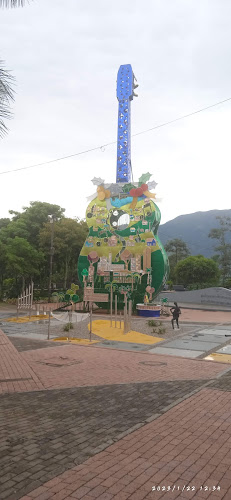
Punto Información Guías Profesionales de Turismo de Colombia Capitulo Tolima
Find Accommodations Nearby
Recommended Tours & Activities
Visitor Reviews
There are no reviews yet. Be the first one to write one.
Share Your Experience
Have you visited Monument to Bambuquera? Help other travelers by leaving a review.