
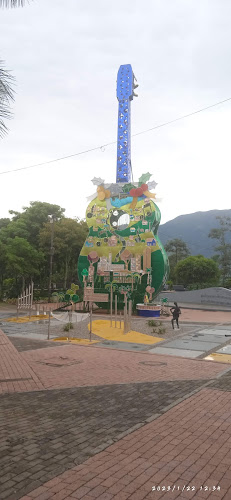
Punto Información Guías Profesionales de Turismo de Colombia Capitulo Tolima
About Punto Información Guías Profesionales de Turismo de Colombia Capitulo Tolima
Description
The Punto Información Guías Profesionales de Turismo de Colombia Capitulo Tolima serves as an essential resource center for travelers exploring the Tolima department in Colombia. This tourist information point connects visitors with certified professional tour guides who possess deep knowledge of the region's cultural heritage, natural attractions, and hidden gems that most tourists would otherwise miss. Located in one of Colombia's most historically significant departments, this facility acts as a bridge between curious travelers and authentic local experiences. What makes this information center particularly valuable is its focus on professionalism and expertise. The guides affiliated with this chapter aren't just enthusiastic locals—they're trained professionals who've undergone rigorous certification processes to ensure they can deliver accurate historical context, safety protocols, and enriching narratives about Tolima's diverse offerings. And honestly, that level of commitment makes all the difference when you're trying to understand a place rather than just photograph it. Tolima itself is often overlooked by travelers who rush between Bogotá and the coffee region, but that's their loss. This department boasts everything from archaeological sites and colonial towns to snow-capped peaks and thermal springs. The information center helps visitors navigate these options based on their interests, fitness levels, and available time. It's particularly helpful for families since the staff can recommend child-friendly activities and guides who specialize in making educational experiences fun for younger travelers. I've always believed that the quality of your guide can make or break a trip, and having a dedicated information point where you can connect with vetted professionals removes so much of the guesswork from travel planning. You're not just getting someone who knows where things are—you're getting someone who understands why they matter.Key Features
The Punto Información Guías Profesionales de Turismo de Colombia Capitulo Tolima offers several distinct advantages that set it apart from typical tourist information kiosks:- Certified Professional Guides: All guides associated with this chapter have completed official certification programs, ensuring they meet national standards for tourism professionals in Colombia.
- Specialized Local Knowledge: The guides possess extensive familiarity with Tolima's geography, history, culture, and current conditions, allowing them to provide insights that generic online resources simply can't match.
- Family-Friendly Services: The center explicitly caters to families traveling with children, connecting them with guides who know how to engage younger visitors and parents seeking age-appropriate activities.
- Customized Itinerary Planning: Rather than pushing pre-packaged tours, the information point helps travelers design experiences tailored to their specific interests, whether that's archaeology, nature, adventure sports, or cultural immersion.
- Safety and Reliability: Working with officially recognized guides means travelers benefit from proper insurance coverage, emergency protocols, and accountability standards that informal guides may not provide.
- Multi-Destination Expertise: The guides can provide comprehensive information about various attractions throughout Tolima, from Ibagué to the Nevado del Tolima, helping visitors maximize their time in the region.
- Language Support: Many professional guides offer services in multiple languages, breaking down communication barriers that often limit deeper cultural understanding.
- Current Conditions Updates: The center provides real-time information about weather, road conditions, seasonal variations, and any temporary closures that might affect travel plans.
Best Time to Visit
Planning when to visit the Punto Información center—and Tolima more broadly—requires understanding the region's climate patterns and tourism rhythms. The department experiences two distinct dry seasons, which generally run from December through March and again from July through August. These periods offer the most reliable weather for outdoor activities, making them peak times for tourism in the area. But here's the thing: visiting during shoulder seasons has its own advantages. From April to June and September to November, you'll encounter fewer crowds, potentially better rates on accommodations, and guides who have more availability and flexibility with scheduling. Sure, you might face occasional afternoon showers, but the landscape becomes incredibly lush during these months, and honestly, the rain usually doesn't last all day anyway. If you're planning to tackle the Nevado del Tolima trek or other high-altitude adventures, the dry seasons are pretty much non-negotiable. Mountain weather can be unpredictable enough without adding rainy season variables into the mix. I learned this the hard way on a previous trip to a different Colombian mountain range—let's just say that "challenging" doesn't begin to describe what it's like when trails turn to mud and visibility drops to nothing. For cultural tourism focused on towns like Honda or Mariquita, seasonal variations matter less. These destinations are accessible and enjoyable year-round, though festivals and local celebrations follow specific calendars that might influence your timing. The information center can provide detailed calendars of regional events, which is incredibly useful if you want to experience traditional festivals or avoid holiday crowds. Temperature in Tolima varies dramatically based on altitude rather than season. Down in the Magdalena River valley, expect warm to hot conditions year-round, while higher elevations remain cool to cold regardless of the month. This means you can actually visit the information center any time and get connected with guides for experiences matching your weather preferences on that particular day. Early morning visits to the center are generally less crowded than afternoon arrivals, giving you more personalized attention from staff and better chances of connecting with guides who have same-day or next-day availability.How to Get There
Reaching the Punto Información in Tolima requires first getting yourself to the department, which is reasonably accessible from Colombia's major cities. Most travelers use Ibagué, the department capital, as their entry point and primary base for exploring the region. If you're flying, Ibagué's Perales Airport receives limited commercial flights, primarily from Bogotá. The flight takes roughly 40 minutes, which beats the alternative of a four to five-hour bus journey, though honestly, the overland route offers some pretty spectacular Andean scenery if you've got the time and patience for it. From Bogotá, numerous bus companies operate frequent services to Ibagué, with comfortable coaches that make the journey relatively pleasant. From Medellín, the journey is longer—around eight to nine hours by bus—but it's certainly doable and cost-effective. The route passes through interesting terrain, and several companies offer overnight services if you prefer to sleep through the trip. Once you're in Ibagué or whichever Tolima town serves as your base, local transportation options include taxis, ride-sharing apps that operate in urban areas, and local buses for budget-conscious travelers. The information center staff can provide specific directions based on where you're staying, and many guides offer to meet clients at their accommodations, which eliminates navigation concerns entirely. For travelers driving themselves, the Pan-American Highway provides the main north-south route through Tolima, while secondary roads connect various towns and attractions. Road conditions vary significantly, and this is where having current information from the centro becomes invaluable. What looks straightforward on a map might involve unpaved sections, and seasonal conditions can affect travel times dramatically. Many visitors actually discover the information center through their hotel concierge or by asking locals for recommendations about reputable guides. Word-of-mouth remains powerful in Colombian tourism, and the professional guides chapter has built a solid reputation that precedes formal marketing efforts.Tips for Visiting
Making the most of your interaction with the Punto Información Guías Profesionales requires some preparation and realistic expectations. First and foremost, arrive with at least a general idea of what interests you. The staff can help refine and improve your plans, but they'll be most effective if you can articulate whether you're drawn to nature, history, adventure, culture, or some combination thereof. Bring a notebook or use your phone to take notes. The staff will likely provide you with names, phone numbers, recommendations, and logistical details that you'll want to reference later. And trust me, you think you'll remember everything, but you won't. I've made that mistake more times than I care to admit. Budget discussions shouldn't be awkward or avoided. Professional guides charge for their expertise, and prices vary based on the type of experience, group size, duration, and specialized skills required. Being upfront about your budget helps the center connect you with appropriate options rather than wasting everyone's time with mismatched expectations. If you're traveling with children, be specific about their ages and interest levels. A guide perfect for teenagers might not work well with younger kids, and vice versa. The center's emphasis on family-friendly services means they've got options, but matching requires honest communication about your family's dynamics and capabilities. Timing matters more than you'd think. Booking guides several days in advance provides the best selection, particularly during high season. But the center can sometimes arrange same-day or next-day connections if guides have availability, so don't assume it's hopeless if you've arrived without reservations. Ask about what's included in quoted prices. Does the guide fee cover transportation, entrance fees, meals, or equipment? Clarifying these details upfront prevents unpleasant surprises later. Professional guides should be transparent about costs, and the information center can help mediate any confusion. Don't hesitate to request references or credentials if you're uncertain. Professional guides expect these questions and respect travelers who take their safety and experience quality seriously. The certification process means something, and guides who've earned their credentials are typically proud to share their qualifications. Consider the physical requirements honestly. Colombian terrain can be demanding, and Tolima's topography ranges from lowland valleys to high-altitude mountains. If you have health concerns, mobility limitations, or simply aren't particularly fit, communicate this clearly so guides can adjust plans appropriately. There's no shame in choosing less strenuous options—it's far better than discovering mid-trek that you've bitten off more than you can chew. Finally, remember that building rapport with your guide enhances the entire experience. These professionals aren't just walking encyclopedias—they're people who love their region and enjoy sharing it with genuinely interested visitors. Approach the interaction with curiosity and respect, and you'll likely gain insights and experiences that transcend typical tourist encounters. That human connection, facilitated by the professional structure that the Punto Información provides, often becomes the most memorable aspect of visiting Tolima.Key Features
- Connection to certified, professional local guides
- Personalized itinerary planning for Tolima (nature, culture, coffee)
- Information on sustainable and community-based tourism options
- Assistance with logistics: transport, permits and safety advice
- Local knowledge of festivals, trails and off-the-beaten-path sites
More Details
Updated March 30, 2026
Table of Contents
- Description
- Key Features
- Best Time to Visit
- How to Get There
- Tips for Visiting
- Key Highlights
- Location
- Places to Stay Near Punto Información Guías Profesionales de Turismo de Colombia Capitulo Tolima
- Find and Book a Tour
- Explore More Travel Guides
- Nearby Places You Might Like
- Traveler Reviews for Punto Información Guías Profesionales de Turismo de Colombia Capitulo Tolima
- Share Your Experience
Description
The Punto Información Guías Profesionales de Turismo de Colombia Capitulo Tolima serves as an essential resource center for travelers exploring the Tolima department in Colombia. This tourist information point connects visitors with certified professional tour guides who possess deep knowledge of the region’s cultural heritage, natural attractions, and hidden gems that most tourists would otherwise miss. Located in one of Colombia’s most historically significant departments, this facility acts as a bridge between curious travelers and authentic local experiences.
What makes this information center particularly valuable is its focus on professionalism and expertise. The guides affiliated with this chapter aren’t just enthusiastic locals—they’re trained professionals who’ve undergone rigorous certification processes to ensure they can deliver accurate historical context, safety protocols, and enriching narratives about Tolima’s diverse offerings. And honestly, that level of commitment makes all the difference when you’re trying to understand a place rather than just photograph it.
Tolima itself is often overlooked by travelers who rush between Bogotá and the coffee region, but that’s their loss. This department boasts everything from archaeological sites and colonial towns to snow-capped peaks and thermal springs. The information center helps visitors navigate these options based on their interests, fitness levels, and available time. It’s particularly helpful for families since the staff can recommend child-friendly activities and guides who specialize in making educational experiences fun for younger travelers.
I’ve always believed that the quality of your guide can make or break a trip, and having a dedicated information point where you can connect with vetted professionals removes so much of the guesswork from travel planning. You’re not just getting someone who knows where things are—you’re getting someone who understands why they matter.
Key Features
The Punto Información Guías Profesionales de Turismo de Colombia Capitulo Tolima offers several distinct advantages that set it apart from typical tourist information kiosks:
- Certified Professional Guides: All guides associated with this chapter have completed official certification programs, ensuring they meet national standards for tourism professionals in Colombia.
- Specialized Local Knowledge: The guides possess extensive familiarity with Tolima’s geography, history, culture, and current conditions, allowing them to provide insights that generic online resources simply can’t match.
- Family-Friendly Services: The center explicitly caters to families traveling with children, connecting them with guides who know how to engage younger visitors and parents seeking age-appropriate activities.
- Customized Itinerary Planning: Rather than pushing pre-packaged tours, the information point helps travelers design experiences tailored to their specific interests, whether that’s archaeology, nature, adventure sports, or cultural immersion.
- Safety and Reliability: Working with officially recognized guides means travelers benefit from proper insurance coverage, emergency protocols, and accountability standards that informal guides may not provide.
- Multi-Destination Expertise: The guides can provide comprehensive information about various attractions throughout Tolima, from Ibagué to the Nevado del Tolima, helping visitors maximize their time in the region.
- Language Support: Many professional guides offer services in multiple languages, breaking down communication barriers that often limit deeper cultural understanding.
- Current Conditions Updates: The center provides real-time information about weather, road conditions, seasonal variations, and any temporary closures that might affect travel plans.
Best Time to Visit
Planning when to visit the Punto Información center—and Tolima more broadly—requires understanding the region’s climate patterns and tourism rhythms. The department experiences two distinct dry seasons, which generally run from December through March and again from July through August. These periods offer the most reliable weather for outdoor activities, making them peak times for tourism in the area.
But here’s the thing: visiting during shoulder seasons has its own advantages. From April to June and September to November, you’ll encounter fewer crowds, potentially better rates on accommodations, and guides who have more availability and flexibility with scheduling. Sure, you might face occasional afternoon showers, but the landscape becomes incredibly lush during these months, and honestly, the rain usually doesn’t last all day anyway.
If you’re planning to tackle the Nevado del Tolima trek or other high-altitude adventures, the dry seasons are pretty much non-negotiable. Mountain weather can be unpredictable enough without adding rainy season variables into the mix. I learned this the hard way on a previous trip to a different Colombian mountain range—let’s just say that “challenging” doesn’t begin to describe what it’s like when trails turn to mud and visibility drops to nothing.
For cultural tourism focused on towns like Honda or Mariquita, seasonal variations matter less. These destinations are accessible and enjoyable year-round, though festivals and local celebrations follow specific calendars that might influence your timing. The information center can provide detailed calendars of regional events, which is incredibly useful if you want to experience traditional festivals or avoid holiday crowds.
Temperature in Tolima varies dramatically based on altitude rather than season. Down in the Magdalena River valley, expect warm to hot conditions year-round, while higher elevations remain cool to cold regardless of the month. This means you can actually visit the information center any time and get connected with guides for experiences matching your weather preferences on that particular day.
Early morning visits to the center are generally less crowded than afternoon arrivals, giving you more personalized attention from staff and better chances of connecting with guides who have same-day or next-day availability.
How to Get There
Reaching the Punto Información in Tolima requires first getting yourself to the department, which is reasonably accessible from Colombia’s major cities. Most travelers use Ibagué, the department capital, as their entry point and primary base for exploring the region.
If you’re flying, Ibagué’s Perales Airport receives limited commercial flights, primarily from Bogotá. The flight takes roughly 40 minutes, which beats the alternative of a four to five-hour bus journey, though honestly, the overland route offers some pretty spectacular Andean scenery if you’ve got the time and patience for it. From Bogotá, numerous bus companies operate frequent services to Ibagué, with comfortable coaches that make the journey relatively pleasant.
From Medellín, the journey is longer—around eight to nine hours by bus—but it’s certainly doable and cost-effective. The route passes through interesting terrain, and several companies offer overnight services if you prefer to sleep through the trip.
Once you’re in Ibagué or whichever Tolima town serves as your base, local transportation options include taxis, ride-sharing apps that operate in urban areas, and local buses for budget-conscious travelers. The information center staff can provide specific directions based on where you’re staying, and many guides offer to meet clients at their accommodations, which eliminates navigation concerns entirely.
For travelers driving themselves, the Pan-American Highway provides the main north-south route through Tolima, while secondary roads connect various towns and attractions. Road conditions vary significantly, and this is where having current information from the centro becomes invaluable. What looks straightforward on a map might involve unpaved sections, and seasonal conditions can affect travel times dramatically.
Many visitors actually discover the information center through their hotel concierge or by asking locals for recommendations about reputable guides. Word-of-mouth remains powerful in Colombian tourism, and the professional guides chapter has built a solid reputation that precedes formal marketing efforts.
Tips for Visiting
Making the most of your interaction with the Punto Información Guías Profesionales requires some preparation and realistic expectations. First and foremost, arrive with at least a general idea of what interests you. The staff can help refine and improve your plans, but they’ll be most effective if you can articulate whether you’re drawn to nature, history, adventure, culture, or some combination thereof.
Bring a notebook or use your phone to take notes. The staff will likely provide you with names, phone numbers, recommendations, and logistical details that you’ll want to reference later. And trust me, you think you’ll remember everything, but you won’t. I’ve made that mistake more times than I care to admit.
Budget discussions shouldn’t be awkward or avoided. Professional guides charge for their expertise, and prices vary based on the type of experience, group size, duration, and specialized skills required. Being upfront about your budget helps the center connect you with appropriate options rather than wasting everyone’s time with mismatched expectations.
If you’re traveling with children, be specific about their ages and interest levels. A guide perfect for teenagers might not work well with younger kids, and vice versa. The center’s emphasis on family-friendly services means they’ve got options, but matching requires honest communication about your family’s dynamics and capabilities.
Timing matters more than you’d think. Booking guides several days in advance provides the best selection, particularly during high season. But the center can sometimes arrange same-day or next-day connections if guides have availability, so don’t assume it’s hopeless if you’ve arrived without reservations.
Ask about what’s included in quoted prices. Does the guide fee cover transportation, entrance fees, meals, or equipment? Clarifying these details upfront prevents unpleasant surprises later. Professional guides should be transparent about costs, and the information center can help mediate any confusion.
Don’t hesitate to request references or credentials if you’re uncertain. Professional guides expect these questions and respect travelers who take their safety and experience quality seriously. The certification process means something, and guides who’ve earned their credentials are typically proud to share their qualifications.
Consider the physical requirements honestly. Colombian terrain can be demanding, and Tolima’s topography ranges from lowland valleys to high-altitude mountains. If you have health concerns, mobility limitations, or simply aren’t particularly fit, communicate this clearly so guides can adjust plans appropriately. There’s no shame in choosing less strenuous options—it’s far better than discovering mid-trek that you’ve bitten off more than you can chew.
Finally, remember that building rapport with your guide enhances the entire experience. These professionals aren’t just walking encyclopedias—they’re people who love their region and enjoy sharing it with genuinely interested visitors. Approach the interaction with curiosity and respect, and you’ll likely gain insights and experiences that transcend typical tourist encounters. That human connection, facilitated by the professional structure that the Punto Información provides, often becomes the most memorable aspect of visiting Tolima.
Key Highlights
- Connection to certified, professional local guides
- Personalized itinerary planning for Tolima (nature, culture, coffee)
- Information on sustainable and community-based tourism options
- Assistance with logistics: transport, permits and safety advice
- Local knowledge of festivals, trails and off-the-beaten-path sites
Location
Places to Stay Near Punto Información Guías Profesionales de Turismo de Colombia Capitulo Tolima
Find and Book a Tour
Explore More Travel Guides
No reviews found! Be the first to review!
Punto Información Guías Profesionales de Turismo de Colombia Capitulo Tolima is a prominent attractions located in Ibagué, Ibague.
Visit us at: Ibagué, Ibague, Tolima, Colombia.
Traveler Reviews for Punto Información Guías Profesionales de Turismo de Colombia Capitulo Tolima
There are no reviews yet. Be the first one to write one.
Have you visited Punto Información Guías Profesionales de Turismo de Colombia Capitulo Tolima? Help other travelers by sharing your review.
Nearby Attractions
You Might Also Like

San Jorge Botanical Garden
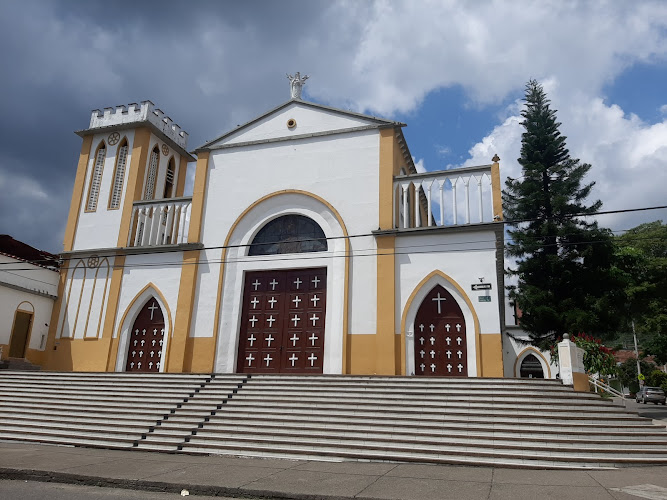
Belén Park

Centenario Park
Find Accommodations Nearby
Recommended Tours & Activities
Visitor Reviews
There are no reviews yet. Be the first one to write one.
Share Your Experience
Have you visited Punto Información Guías Profesionales de Turismo de Colombia Capitulo Tolima? Help other travelers by leaving a review.