

Orquídeas del Tolima
About Orquídeas del Tolima
Description
Orquídeas del Tolima stands as one of Colombia's hidden natural treasures, offering travelers an authentic encounter with the country's remarkable biodiversity. This nature preserve and hiking area showcases what makes the Tolima region so special – a landscape where cloud forests meet mountain terrain, creating the perfect conditions for one of the world's most diverse orchid populations to thrive. The reserve itself feels like stepping into a different world entirely. When you arrive here, you're not just visiting another tourist spot with manicured paths and information boards every few meters. Instead, you're entering a working conservation area where nature takes center stage and visitors become temporary participants in an ongoing ecological story. I've found that places like this, where tourism feels secondary to preservation, offer something far more meaningful than perfectly curated experiences ever could. What makes this place truly remarkable is how accessible it manages to be while maintaining its wild character. The reserve welcomes families with children, provides facilities like public restrooms (which believe me, matters more than you'd think when you're hours into a hike), and even offers wheelchair accessible parking. But it doesn't sacrifice its natural integrity for convenience, which is a balance many protected areas struggle to achieve. The orchids themselves are obviously the main attraction, and they should be. Colombia boasts over 4,000 orchid species, making it the country with the greatest orchid diversity on Earth. And while I can't promise you'll see every variety during your visit, the collection at Orquídeas del Tolima represents a stunning cross-section of what makes these flowers so captivating. Some bloom year-round, others only during specific seasons, creating an ever-changing display that rewards repeat visitors.Key Features
Travelers planning their visit to Orquídeas del Tolima should know what sets this preserve apart from other natural areas in Colombia: • Extensive hiking trails that range from easy walks suitable for young children to more challenging routes for experienced hikers seeking adventure • One of the region's most comprehensive orchid collections, featuring both common and rare species native to the Tolima mountains • Designated picnic areas where families can spend entire afternoons surrounded by nature without needing to rush through their visit • Educational opportunities that go beyond simple plaques – the reserve functions as a living classroom for understanding cloud forest ecosystems • Wheelchair accessible parking facilities, making the preserve more inclusive than many natural areas in rural Colombia • Public restroom facilities, which remains surprisingly uncommon at many hiking destinations throughout the country • Kid-friendly trail options that introduce younger travelers to nature exploration without overwhelming them with difficulty or distance • Year-round accessibility, though certain trails may close temporarily during heavy rain periods for safety reasons • Photography opportunities that rival any botanical garden, with the added benefit of capturing orchids in their natural mountain habitat • Relatively uncrowded trails compared to more famous Colombian nature reserves, allowing for quieter, more contemplative experiencesBest Time to Visit
Timing your visit to Orquídeas del Tolima can make the difference between a good experience and an unforgettable one. The preserve remains open throughout the year, but the orchid blooming cycles and regional weather patterns definitely favor certain months over others. The peak blooming season typically runs from March through May, when the transition from dry to wet season creates ideal conditions for many orchid species to flower simultaneously. During these months, you'll encounter the greatest variety of blooms, with some trails looking like someone scattered jewels throughout the forest. I've heard from travelers who visited during April that they counted over thirty different orchid species in bloom during a single afternoon hike. September through November presents another excellent window for visiting. The weather stabilizes after the heaviest rains, trails become less muddy, and a second blooming wave occurs for certain species. These months also tend to see fewer visitors, which means you might have entire sections of trail to yourself. The dry season from December through February offers the most reliable weather for hiking. While you won't see quite as many orchids in bloom, the trails remain in excellent condition and visibility tends to be better for photography. Families with young children often prefer visiting during these months since the reduced rainfall means less chance of having to cut a hike short. I'd generally suggest avoiding the absolute peak of rainy season in October and early November if you're particular about weather. But honestly? Some of my best nature experiences have happened in light rain, when the forest comes alive with sounds and smells you'd never notice on a sunny day. Just come prepared with proper rain gear. Early morning arrivals, regardless of season, offer the best chance of spotting wildlife and experiencing the forest when it's most active. Plus, you'll beat any crowds that might arrive later in the day.How to Get There
Getting to Orquídeas del Tolima requires a bit more effort than simply hopping on a tour bus, but that's partly what keeps it special. The preserve sits in the Tolima department, and most travelers use Ibagué as their base city for accessing the area. From Ibagué, you're looking at roughly a 45-minute to one-hour drive depending on road conditions and exactly where in the reserve you're headed. The most straightforward option involves hiring a taxi or arranging private transportation through your accommodation. Many hotels and hostels in Ibagué have relationships with drivers who know the route well and can offer reasonable day-trip rates. Expect to pay between 80,000 to 120,000 Colombian pesos for a round-trip with waiting time, though prices fluctuate. Some travelers rent cars in Ibagué, which works fine if you're comfortable navigating mountain roads. The route is paved for most of the journey, though the final approach involves some narrower sections where you'll want to drive cautiously. Having your own vehicle gives you flexibility to explore at your own pace without worrying about a driver waiting for you. Public transportation exists but requires more patience and planning. Buses heading toward the rural communities near the reserve depart from Ibagué's terminal, but schedules can be irregular and you might end up with a bit of walking from where the bus drops you off. This option works best for budget travelers or those who enjoy the adventure of local transport. If you're coming from Bogotá, the capital sits about four to five hours away by road. Direct buses run regularly between Bogotá and Ibagué, making it feasible to visit Orquídeas del Tolima as part of a longer Colombian itinerary without too much logistical headache.Tips for Visiting
Making the most of your time at Orquídeas del Tolima comes down to proper preparation and knowing what to expect. Here's what actually matters based on the realities of visiting this type of preserve. First off, wear proper hiking shoes. I know this seems obvious, but you'd be surprised how many travelers show up in sandals or fashion sneakers and then struggle on muddy sections. The trails aren't technically difficult, but they're also not sidewalks. Boots with ankle support and good tread make everything more enjoyable. Bring layers of clothing even if the weather looks perfect when you leave your hotel. Mountain weather changes quickly, and you'll want a light rain jacket and maybe a fleece tucked in your day pack. The elevation means temperatures can drop unexpectedly, especially in shaded sections of trail or if clouds roll in. Pack more water than you think you'll need. There's something about mountain hiking that makes people underestimate how much they'll drink. Two liters per person is a good starting point, more if you're visiting during warmer months or planning extended hikes. Don't rush. Seriously, this is the most common mistake visitors make. Orquídeas del Tolima reveals itself to patient observers. The orchids aren't always obvious – some species grow high in trees, others hide among other vegetation. Take your time, look carefully, and you'll be rewarded with discoveries that hurried hikers miss completely. Bring a good camera or ensure your phone has a decent macro capability. Orchid photography becomes addictive once you start, and you'll regret not having proper equipment for capturing the intricate details of these flowers. A small tripod helps too, since the forest shade often requires longer exposure times. If you're visiting with children, start with the shorter, easier trails to gauge their interest and energy levels before committing to longer routes. The kid-friendly paths offer plenty of orchid viewing opportunities without requiring marathon hiking endurance. Consider bringing a field guide to Colombian orchids if you're really interested in the flora. While the preserve has some identification information, a detailed guide lets you learn at your own pace and adds an educational dimension to your visit. Respect the "look but don't touch" principle. These orchids exist in a delicate balance with their environment, and handling them can damage both the plants and their chances of successful reproduction. Enjoy them with your eyes and camera, but leave them undisturbed. Visit on weekdays if possible. Weekends bring more local visitors, which isn't necessarily bad but can make the trails more crowded. Weekday visits often feel more peaceful and provide better opportunities for wildlife observation. Bring snacks or a packed lunch to take advantage of the picnic areas. There aren't food vendors inside the preserve, and having provisions means you can stay longer without needing to leave for meals. Just remember to pack out everything you bring in. Finally, give yourself more time than you think you'll need. Many visitors plan for a quick two-hour visit and end up wanting to stay all day once they're immersed in the environment. If your schedule allows, dedicate an entire day to exploring the preserve properly rather than treating it as a brief stop on a packed itinerary.Key Features
- Extensive orchid collections with many local species and cultivars
- Interpretive trails and guided tours focused on conservation and propagation
- Diverse accompanying plant life: bromeliads, heliconias, guaduas and native trees
- Accessible location within Ibagué for easy half-day visits
- Educational programs and opportunities to learn from local guides and researchers
More Details
Updated March 30, 2026
Table of Contents
Description
Orquídeas del Tolima stands as one of Colombia’s hidden natural treasures, offering travelers an authentic encounter with the country’s remarkable biodiversity. This nature preserve and hiking area showcases what makes the Tolima region so special – a landscape where cloud forests meet mountain terrain, creating the perfect conditions for one of the world’s most diverse orchid populations to thrive.
The reserve itself feels like stepping into a different world entirely. When you arrive here, you’re not just visiting another tourist spot with manicured paths and information boards every few meters. Instead, you’re entering a working conservation area where nature takes center stage and visitors become temporary participants in an ongoing ecological story. I’ve found that places like this, where tourism feels secondary to preservation, offer something far more meaningful than perfectly curated experiences ever could.
What makes this place truly remarkable is how accessible it manages to be while maintaining its wild character. The reserve welcomes families with children, provides facilities like public restrooms (which believe me, matters more than you’d think when you’re hours into a hike), and even offers wheelchair accessible parking. But it doesn’t sacrifice its natural integrity for convenience, which is a balance many protected areas struggle to achieve.
The orchids themselves are obviously the main attraction, and they should be. Colombia boasts over 4,000 orchid species, making it the country with the greatest orchid diversity on Earth. And while I can’t promise you’ll see every variety during your visit, the collection at Orquídeas del Tolima represents a stunning cross-section of what makes these flowers so captivating. Some bloom year-round, others only during specific seasons, creating an ever-changing display that rewards repeat visitors.
Key Features
Travelers planning their visit to Orquídeas del Tolima should know what sets this preserve apart from other natural areas in Colombia:
• Extensive hiking trails that range from easy walks suitable for young children to more challenging routes for experienced hikers seeking adventure
• One of the region’s most comprehensive orchid collections, featuring both common and rare species native to the Tolima mountains
• Designated picnic areas where families can spend entire afternoons surrounded by nature without needing to rush through their visit
• Educational opportunities that go beyond simple plaques – the reserve functions as a living classroom for understanding cloud forest ecosystems
• Wheelchair accessible parking facilities, making the preserve more inclusive than many natural areas in rural Colombia
• Public restroom facilities, which remains surprisingly uncommon at many hiking destinations throughout the country
• Kid-friendly trail options that introduce younger travelers to nature exploration without overwhelming them with difficulty or distance
• Year-round accessibility, though certain trails may close temporarily during heavy rain periods for safety reasons
• Photography opportunities that rival any botanical garden, with the added benefit of capturing orchids in their natural mountain habitat
• Relatively uncrowded trails compared to more famous Colombian nature reserves, allowing for quieter, more contemplative experiences
Best Time to Visit
Timing your visit to Orquídeas del Tolima can make the difference between a good experience and an unforgettable one. The preserve remains open throughout the year, but the orchid blooming cycles and regional weather patterns definitely favor certain months over others.
The peak blooming season typically runs from March through May, when the transition from dry to wet season creates ideal conditions for many orchid species to flower simultaneously. During these months, you’ll encounter the greatest variety of blooms, with some trails looking like someone scattered jewels throughout the forest. I’ve heard from travelers who visited during April that they counted over thirty different orchid species in bloom during a single afternoon hike.
September through November presents another excellent window for visiting. The weather stabilizes after the heaviest rains, trails become less muddy, and a second blooming wave occurs for certain species. These months also tend to see fewer visitors, which means you might have entire sections of trail to yourself.
The dry season from December through February offers the most reliable weather for hiking. While you won’t see quite as many orchids in bloom, the trails remain in excellent condition and visibility tends to be better for photography. Families with young children often prefer visiting during these months since the reduced rainfall means less chance of having to cut a hike short.
I’d generally suggest avoiding the absolute peak of rainy season in October and early November if you’re particular about weather. But honestly? Some of my best nature experiences have happened in light rain, when the forest comes alive with sounds and smells you’d never notice on a sunny day. Just come prepared with proper rain gear.
Early morning arrivals, regardless of season, offer the best chance of spotting wildlife and experiencing the forest when it’s most active. Plus, you’ll beat any crowds that might arrive later in the day.
How to Get There
Getting to Orquídeas del Tolima requires a bit more effort than simply hopping on a tour bus, but that’s partly what keeps it special. The preserve sits in the Tolima department, and most travelers use Ibagué as their base city for accessing the area.
From Ibagué, you’re looking at roughly a 45-minute to one-hour drive depending on road conditions and exactly where in the reserve you’re headed. The most straightforward option involves hiring a taxi or arranging private transportation through your accommodation. Many hotels and hostels in Ibagué have relationships with drivers who know the route well and can offer reasonable day-trip rates. Expect to pay between 80,000 to 120,000 Colombian pesos for a round-trip with waiting time, though prices fluctuate.
Some travelers rent cars in Ibagué, which works fine if you’re comfortable navigating mountain roads. The route is paved for most of the journey, though the final approach involves some narrower sections where you’ll want to drive cautiously. Having your own vehicle gives you flexibility to explore at your own pace without worrying about a driver waiting for you.
Public transportation exists but requires more patience and planning. Buses heading toward the rural communities near the reserve depart from Ibagué’s terminal, but schedules can be irregular and you might end up with a bit of walking from where the bus drops you off. This option works best for budget travelers or those who enjoy the adventure of local transport.
If you’re coming from Bogotá, the capital sits about four to five hours away by road. Direct buses run regularly between Bogotá and Ibagué, making it feasible to visit Orquídeas del Tolima as part of a longer Colombian itinerary without too much logistical headache.
Tips for Visiting
Making the most of your time at Orquídeas del Tolima comes down to proper preparation and knowing what to expect. Here’s what actually matters based on the realities of visiting this type of preserve.
First off, wear proper hiking shoes. I know this seems obvious, but you’d be surprised how many travelers show up in sandals or fashion sneakers and then struggle on muddy sections. The trails aren’t technically difficult, but they’re also not sidewalks. Boots with ankle support and good tread make everything more enjoyable.
Bring layers of clothing even if the weather looks perfect when you leave your hotel. Mountain weather changes quickly, and you’ll want a light rain jacket and maybe a fleece tucked in your day pack. The elevation means temperatures can drop unexpectedly, especially in shaded sections of trail or if clouds roll in.
Pack more water than you think you’ll need. There’s something about mountain hiking that makes people underestimate how much they’ll drink. Two liters per person is a good starting point, more if you’re visiting during warmer months or planning extended hikes.
Don’t rush. Seriously, this is the most common mistake visitors make. Orquídeas del Tolima reveals itself to patient observers. The orchids aren’t always obvious – some species grow high in trees, others hide among other vegetation. Take your time, look carefully, and you’ll be rewarded with discoveries that hurried hikers miss completely.
Bring a good camera or ensure your phone has a decent macro capability. Orchid photography becomes addictive once you start, and you’ll regret not having proper equipment for capturing the intricate details of these flowers. A small tripod helps too, since the forest shade often requires longer exposure times.
If you’re visiting with children, start with the shorter, easier trails to gauge their interest and energy levels before committing to longer routes. The kid-friendly paths offer plenty of orchid viewing opportunities without requiring marathon hiking endurance.
Consider bringing a field guide to Colombian orchids if you’re really interested in the flora. While the preserve has some identification information, a detailed guide lets you learn at your own pace and adds an educational dimension to your visit.
Respect the “look but don’t touch” principle. These orchids exist in a delicate balance with their environment, and handling them can damage both the plants and their chances of successful reproduction. Enjoy them with your eyes and camera, but leave them undisturbed.
Visit on weekdays if possible. Weekends bring more local visitors, which isn’t necessarily bad but can make the trails more crowded. Weekday visits often feel more peaceful and provide better opportunities for wildlife observation.
Bring snacks or a packed lunch to take advantage of the picnic areas. There aren’t food vendors inside the preserve, and having provisions means you can stay longer without needing to leave for meals. Just remember to pack out everything you bring in.
Finally, give yourself more time than you think you’ll need. Many visitors plan for a quick two-hour visit and end up wanting to stay all day once they’re immersed in the environment. If your schedule allows, dedicate an entire day to exploring the preserve properly rather than treating it as a brief stop on a packed itinerary.
Key Highlights
- Extensive orchid collections with many local species and cultivars
- Interpretive trails and guided tours focused on conservation and propagation
- Diverse accompanying plant life: bromeliads, heliconias, guaduas and native trees
- Accessible location within Ibagué for easy half-day visits
- Educational programs and opportunities to learn from local guides and researchers
Location
Places to Stay Near Orquídeas del Tolima
Find and Book a Tour
Explore More Travel Guides
No reviews found! Be the first to review!
Orquídeas del Tolima is a prominent Reserva natural located in Ibagué, Ibague.
Visit us at: Cra. 30 Sur #13 – 35, Ibagué, Tolima, Kolumbien.
Traveler Reviews for Orquídeas del Tolima
There are no reviews yet. Be the first one to write one.
Have you visited Orquídeas del Tolima? Help other travelers by sharing your review.
Nearby Attractions
You Might Also Like

Letrero Ibague

San Jorge Botanical Garden
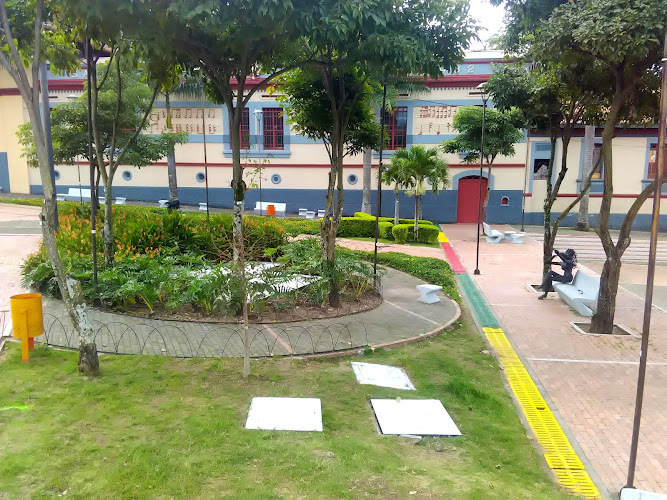
Música Park
Find Accommodations Nearby
Recommended Tours & Activities
Visitor Reviews
There are no reviews yet. Be the first one to write one.
Share Your Experience
Have you visited Orquídeas del Tolima? Help other travelers by leaving a review.