
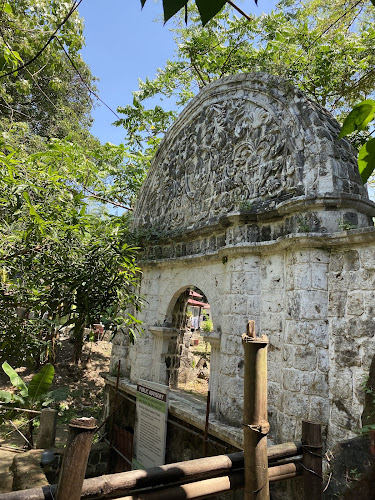
Sta. Lucia Miracle Well
About Sta. Lucia Miracle Well
Description
Honestly, some places whisper stories you won’t hear anywhere else. That’s exactly what Sta. Lucia Miracle Well in Taal, Batangas feels like—a little slice of “whoa, did that just happen?” in the heart of the Philippines. When you first stroll down the steps, with the tropical sunlight playing peekaboo through tangled tree branches overhead, it almost feels like you’ve stumbled into a carefully guarded secret.
To outsiders, it’s a humble stone well with a spring that never dries up (rain or shine, anyone), tucked into the hillside not too far from Taal’s old churches and ancestral houses. But for locals and Filipino pilgrims, this spring is loaded with stories, faith, and a bit of old-fashioned magic. The legend goes that centuries ago, the well appeared miraculously, offering cool, sweet water when folks needed it most—think droughts, fears, and that desperate wish for hope. Now, whether that’s fact, fable, or some tangled mess in between, the well sits quietly waiting for travelers who are curious, reflective, or maybe just a little bit thirsty.
One thing that really strikes me about Sta. Lucia Miracle Well is its aura—a hush that wraps around your shoulders like a shawl. You don’t need to be religious to feel the peace here. Flowers, candles, and little scraps of handwritten prayers are tucked along the ledges. Visitors kneel, touch the stone, splash their faces, or gather water (it’s supposed to be extra potent if you’re asking for a miracle or healing). Locals swear the water’s coolness and clarity have a dose of real power. As for me? I don’t know if every rumor is true, but I left feeling better than when I’d arrived.
If you’re chasing Instagram-perfect views, this place is different. It’s for memory-makers, spiritual explorers, and curious wanderers. While the well itself is simple—modest, unadorned, almost shy—the emotions swirling around it are anything but. Kids giggle, abuelas walk slow, and every now and then, you’ll hear a half-whispered prayer float up with the breeze. If you’re sensitive (or sentimental like me), you’ll probably catch a lump in your throat without even trying.
Key Features
- Miracle Spring: A natural stone well, believed by many to have healing properties and a backstory that could fill a book. Locals will eagerly tell you tales of unexpected recoveries—whether it’s the water or wishful thinking, who can say?
- Pilgrimage Destination: Treasured as a stopover point for the faithful, especially during Holy Week, All Saints’ Day, and Marian processions. It’s a legit destination to reflect, connect, and maybe hope for a blessing. You’ll spot folks making the sign of the cross or quietly crying in gratitude.
- Quiet, Reflective Atmosphere: No honking traffic or pushy crowds here. Even children instinctively lower their voices. The peaceful setting makes it—without exaggeration—one of the calmest spots I’ve experienced in Batangas.
- Easy Access Yet Tucked Away: You don't need climbing gear. The trail down is friendly enough even for the not-so-surefooted. Kind of like discovering a time capsule that’s hiding in plain sight, right next to better-known churches and heritage houses.
- Cultural Heritage Site: Well-loved by Taal families and history buffs. The place ties right into Taal’s old identities, adding a layer of flavor to the region’s more famous Spanish-era architecture and culinary legends. If you geek out over stories or traditions, you’ll have a field day here.
- Open Space for Prayer and Reflection: There’s room for small groups, but solo contemplation works too. Bring your own candle, jot a note, or just sit and soak up the serenity.
- Breathtaking Simplicity: Not fancy, but beautiful in a raw, unpolished way. Every stone looks like something out of an old family photo.
Best Time to Visit
If you want peace and maybe a little elbow room, weekdays are your best bet—early mornings are golden. The air is cooler, the birds are chattier, and you’ll share the site mostly with locals or early risers (my kind of crew).
Now, if you’re the type who likes seeing places alive with tradition, swing by during local religious festivals. Holy Week is the big one—visitors trickle in all day, lighting candles, leaving offerings, and making the air thrum with prayers. It’s busier, all right, but if you’re looking for that full-on communal vibe, this is when the Miracle Well shows its heart.
For weather, Batangas is mostly friendly year-round. But December through May (the dry season) is your best window. You get sunny days, less humidity, and the path to the well isn’t muddy. I’ve been in the rainy season too. It adds a mysterious touch—moss slicked stones, droplets on leaves—but watch your step!
Check ahead for local events; sometimes, school groups or parish processions fill up the path. If you love a bit of quiet (like I do), just steer clear of those days. Or, who knows, join them and make a new memory.
How to Get There
Let me lay it out for you as simply (and real) as I can. From Manila, you’ll want to get yourself to Batangas province. Buses and jeepneys run daily; just ask around for any ride bound for Taal—locals are super friendly and love helping travelers find their way. Once in Taal town proper, you’re close! The Miracle Well isn’t smack in the town center, but honestly, every tricycle driver knows about it (and probably has their favorite story too).
Your journey might look a bit like this: Bus or van from Manila to Batangas City. From there, grab a jeepney heading to Taal. Once in Taal, flag down a tricycle and just say, Sta. Lucia Miracle Well. Boom—done. The drivers will usually drop you by the short trail leading down to the well. The path is a gentle descent, stone steps and leafy shade most of the way. No mountain climbing required. Expect about a 2-minute walk from where your ride lets you off.
If you’re the wandering type, map apps work okay, but half the fun is chatting with folks along the way. You’ll pick up bits of local history or maybe even get invited for a quick snack (happened to me—twice, actually).
Tips for Visiting
- Bring a container if you want to take water home—locals do it, visitors do it, and frankly, there’s something special about carrying a bit of hope with you.
- Dress simply. The vibe here is humble, spiritual, and practical. No need for flashy outfits. Wear comfortable shoes—the path is short but can be slippery after rain.
- Be respectful. Treat the area, the water, and fellow visitors with care. Prayers or moments of silence are welcomed, but keep the noise down, especially if someone’s deep in personal reflection.
- Watch your step. Moss and old stones can be a slip-up waiting to happen, especially during the rainy months. Take it slow. No need to rush.
- Ask questions! If you see a local lighting a candle or telling a story, don’t be shy. People here are proud of their history and happy to share little nuggets you won’t find in travel guides.
- Visit nearby heritage spots. The well is the main draw, but Taal’s old churches (like St. Martin de Tours Basilica) and antique houses nearby add layers to your trip. Build out your day—you won’t regret it.
- Travel light. The space by the well is tight and stairs are narrow-ish—leave bulky bags in the car or with your tricycle driver (they’ll probably offer to watch over them for you).
- Photography: Photos are allowed, but don’t make it an intrusive photo shoot. The best shots here are the candid ones—sunlight flickering on stone, faces lit with quiet awe.
- Let the moment sink in. Seriously, don’t just dip, snap a selfie, and run. Give yourself a few deep breaths to let the serenity work its magic. Sometimes the smallest, strangest places have the biggest impact.
Friends, the Sta. Lucia Miracle Well isn’t flashy. It’s not the kind of place that dominates the front of travel brochures. But its quiet magic, its sense of mystery, and the stories layered into its cool water have drawn generations. If you’re ever in Taal, let your curiosity—or maybe your heart—lead you down those old stone steps. Who knows what blessings, big or
Key Features
- Key Features
- Best Time to Visit
- How to Get There
- Tips for Visiting
More Details
Updated June 9, 2025
Table of Contents
Description
Honestly, some places whisper stories you won’t hear anywhere else. That’s exactly what Sta. Lucia Miracle Well in Taal, Batangas feels like—a little slice of “whoa, did that just happen?” in the heart of the Philippines. When you first stroll down the steps, with the tropical sunlight playing peekaboo through tangled tree branches overhead, it almost feels like you’ve stumbled into a carefully guarded secret.
To outsiders, it’s a humble stone well with a spring that never dries up (rain or shine, anyone), tucked into the hillside not too far from Taal’s old churches and ancestral houses. But for locals and Filipino pilgrims, this spring is loaded with stories, faith, and a bit of old-fashioned magic. The legend goes that centuries ago, the well appeared miraculously, offering cool, sweet water when folks needed it most—think droughts, fears, and that desperate wish for hope. Now, whether that’s fact, fable, or some tangled mess in between, the well sits quietly waiting for travelers who are curious, reflective, or maybe just a little bit thirsty.
One thing that really strikes me about Sta. Lucia Miracle Well is its aura—a hush that wraps around your shoulders like a shawl. You don’t need to be religious to feel the peace here. Flowers, candles, and little scraps of handwritten prayers are tucked along the ledges. Visitors kneel, touch the stone, splash their faces, or gather water (it’s supposed to be extra potent if you’re asking for a miracle or healing). Locals swear the water’s coolness and clarity have a dose of real power. As for me? I don’t know if every rumor is true, but I left feeling better than when I’d arrived.
If you’re chasing Instagram-perfect views, this place is different. It’s for memory-makers, spiritual explorers, and curious wanderers. While the well itself is simple—modest, unadorned, almost shy—the emotions swirling around it are anything but. Kids giggle, abuelas walk slow, and every now and then, you’ll hear a half-whispered prayer float up with the breeze. If you’re sensitive (or sentimental like me), you’ll probably catch a lump in your throat without even trying.
Key Features
- Miracle Spring: A natural stone well, believed by many to have healing properties and a backstory that could fill a book. Locals will eagerly tell you tales of unexpected recoveries—whether it’s the water or wishful thinking, who can say?
- Pilgrimage Destination: Treasured as a stopover point for the faithful, especially during Holy Week, All Saints’ Day, and Marian processions. It’s a legit destination to reflect, connect, and maybe hope for a blessing. You’ll spot folks making the sign of the cross or quietly crying in gratitude.
- Quiet, Reflective Atmosphere: No honking traffic or pushy crowds here. Even children instinctively lower their voices. The peaceful setting makes it—without exaggeration—one of the calmest spots I’ve experienced in Batangas.
- Easy Access Yet Tucked Away: You don’t need climbing gear. The trail down is friendly enough even for the not-so-surefooted. Kind of like discovering a time capsule that’s hiding in plain sight, right next to better-known churches and heritage houses.
- Cultural Heritage Site: Well-loved by Taal families and history buffs. The place ties right into Taal’s old identities, adding a layer of flavor to the region’s more famous Spanish-era architecture and culinary legends. If you geek out over stories or traditions, you’ll have a field day here.
- Open Space for Prayer and Reflection: There’s room for small groups, but solo contemplation works too. Bring your own candle, jot a note, or just sit and soak up the serenity.
- Breathtaking Simplicity: Not fancy, but beautiful in a raw, unpolished way. Every stone looks like something out of an old family photo.
Best Time to Visit
If you want peace and maybe a little elbow room, weekdays are your best bet—early mornings are golden. The air is cooler, the birds are chattier, and you’ll share the site mostly with locals or early risers (my kind of crew).
Now, if you’re the type who likes seeing places alive with tradition, swing by during local religious festivals. Holy Week is the big one—visitors trickle in all day, lighting candles, leaving offerings, and making the air thrum with prayers. It’s busier, all right, but if you’re looking for that full-on communal vibe, this is when the Miracle Well shows its heart.
For weather, Batangas is mostly friendly year-round. But December through May (the dry season) is your best window. You get sunny days, less humidity, and the path to the well isn’t muddy. I’ve been in the rainy season too. It adds a mysterious touch—moss slicked stones, droplets on leaves—but watch your step!
Check ahead for local events; sometimes, school groups or parish processions fill up the path. If you love a bit of quiet (like I do), just steer clear of those days. Or, who knows, join them and make a new memory.
How to Get There
Let me lay it out for you as simply (and real) as I can. From Manila, you’ll want to get yourself to Batangas province. Buses and jeepneys run daily; just ask around for any ride bound for Taal—locals are super friendly and love helping travelers find their way. Once in Taal town proper, you’re close! The Miracle Well isn’t smack in the town center, but honestly, every tricycle driver knows about it (and probably has their favorite story too).
Your journey might look a bit like this: Bus or van from Manila to Batangas City. From there, grab a jeepney heading to Taal. Once in Taal, flag down a tricycle and just say, Sta. Lucia Miracle Well. Boom—done. The drivers will usually drop you by the short trail leading down to the well. The path is a gentle descent, stone steps and leafy shade most of the way. No mountain climbing required. Expect about a 2-minute walk from where your ride lets you off.
If you’re the wandering type, map apps work okay, but half the fun is chatting with folks along the way. You’ll pick up bits of local history or maybe even get invited for a quick snack (happened to me—twice, actually).
Tips for Visiting
- Bring a container if you want to take water home—locals do it, visitors do it, and frankly, there’s something special about carrying a bit of hope with you.
- Dress simply. The vibe here is humble, spiritual, and practical. No need for flashy outfits. Wear comfortable shoes—the path is short but can be slippery after rain.
- Be respectful. Treat the area, the water, and fellow visitors with care. Prayers or moments of silence are welcomed, but keep the noise down, especially if someone’s deep in personal reflection.
- Watch your step. Moss and old stones can be a slip-up waiting to happen, especially during the rainy months. Take it slow. No need to rush.
- Ask questions! If you see a local lighting a candle or telling a story, don’t be shy. People here are proud of their history and happy to share little nuggets you won’t find in travel guides.
- Visit nearby heritage spots. The well is the main draw, but Taal’s old churches (like St. Martin de Tours Basilica) and antique houses nearby add layers to your trip. Build out your day—you won’t regret it.
- Travel light. The space by the well is tight and stairs are narrow-ish—leave bulky bags in the car or with your tricycle driver (they’ll probably offer to watch over them for you).
- Photography: Photos are allowed, but don’t make it an intrusive photo shoot. The best shots here are the candid ones—sunlight flickering on stone, faces lit with quiet awe.
- Let the moment sink in. Seriously, don’t just dip, snap a selfie, and run. Give yourself a few deep breaths to let the serenity work its magic. Sometimes the smallest, strangest places have the biggest impact.
Friends, the Sta. Lucia Miracle Well isn’t flashy. It’s not the kind of place that dominates the front of travel brochures. But its quiet magic, its sense of mystery, and the stories layered into its cool water have drawn generations. If you’re ever in Taal, let your curiosity—or maybe your heart—lead you down those old stone steps. Who knows what blessings, big or
Key Highlights
- Key Features
- Best Time to Visit
- How to Get There
- Tips for Visiting
Location
Places to Stay Near Sta. Lucia Miracle Well
Find and Book a Tour
Explore More Travel Guides
No reviews found! Be the first to review!
Traveler Reviews for Sta. Lucia Miracle Well
There are no reviews yet. Be the first one to write one.
Have you visited Sta. Lucia Miracle Well? Help other travelers by sharing your review.
You Might Also Like
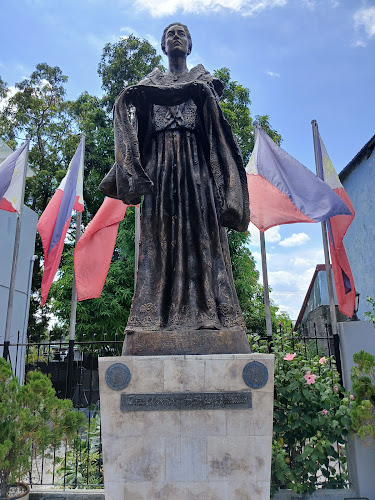
Marcela Agoncillo Monument
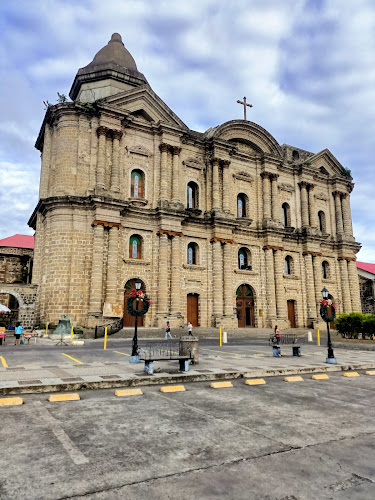
The Heritage Town of Taal
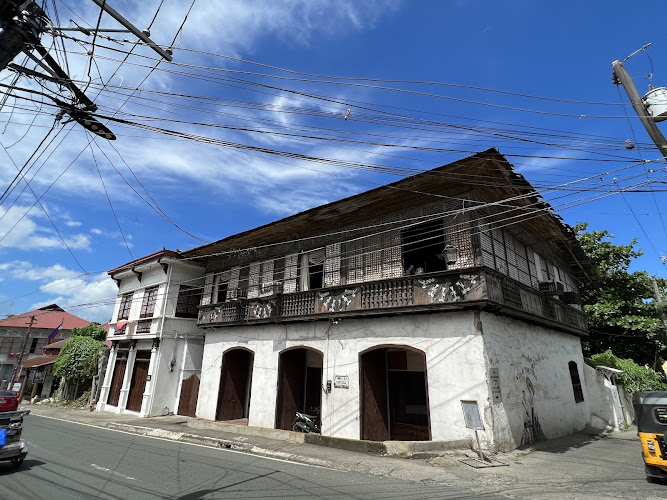
Villa Tortuga
Find Accommodations Nearby
Recommended Tours & Activities
Visitor Reviews
There are no reviews yet. Be the first one to write one.
Share Your Experience
Have you visited Sta. Lucia Miracle Well? Help other travelers by leaving a review.