
The Heritage Town of Taal
About The Heritage Town of Taal
Description
- Wear Walking Shoes: Those cobblestones couldn’t care less about fancy footwear. Go for comfort, and if you have sensitive ankles, invest in a sturdy pair. You’ll thank me.
- Bring Small Bills: Many vendors (especially the old-timers selling embroidery in their front yards) don’t fuss with big notes. You’ll score the best deals—plus, it’s oddly satisfying to pay with crinkled 20-peso bills.
- Start Early: Mornings are gold. Cool breezes, soft golden light, fresh pan de sal, and fewer crowds. You’ll feel like the whole town is yours for a couple of hours.
- Respect Private Property: Not all heritage homes are museums. If you see a “Bawal Pumasok” (“Do Not Enter”) sign, admire from the street. Some families have called these houses home for over a hundred years.
- Prepare for Photogenic Overload: Seriously, keep extra memory cards and backup batteries. Even my least “artsy” friends can’t help snapping away here.
- Hydrate & Snack: There are a few local bakeries and carinderias, but don’t bank on convenience stores on every block. Pop a bottle of water and a pack of suman in your bag.
- Ask Locals About Hidden Gems: The best adobo or embroidery shop might not be on Google Maps. Ask. Folks here love sharing stories—they may even walk you over themselves.
- Look Up—Always: Some of the prettiest carvings and intricate grillwork are right above eye level. Check out the balconies and windows—you’ll spot details you’d never notice skimming Instagram.
- For the Kids (& Kids at Heart): Taal isn’t just a grown-up affair. There’s enough space, parks, and friendly faces for the little ones to explore.
-
Stay a Night If You Can: I’m telling you, the old houses look magical under the lamplight. If you can book a stay in a heritage inn, it’s worth every peso.
</li
Getting to Taal is easier than most friends expect. If you’re coming from Metro Manila, set aside roughly 2–3 hours (traffic gods willing!). The most straightforward route is via the Southern Tagalog Arterial Road (STAR Tollway). If you’re the public commute type, buses to Lemery depart regularly from major terminals—look for the Batangas-bound signs. Hop off at Lemery, then hail a jeep or tricycle for the last short leg to the Taal heritage district.
A word to the wise: Some GPS apps will try to detour you onto the scenic route—tempting if you love winding roads and hidden provincial stops, but stick to STAR Tollway if you want to hit Taal fast and avoid potholes. Parking’s a game of luck in the old quarters, though there are several official lots near heritage landmarks. I once parked outside the public market and strolled happily through backstreets, meeting hardly anyone but smiling locals and sleepy alley cats.
Tips for Visiting
- Wear Walking Shoes: Those cobblestones couldn’t care less about fancy footwear. Go for comfort, and if you have sensitive ankles, invest in a sturdy pair. You’ll thank me.
- Bring Small Bills: Many vendors (especially the old-timers selling embroidery in their front yards) don’t fuss with big notes. You’ll score the best deals—plus, it’s oddly satisfying to pay with crinkled 20-peso bills.
- Start Early: Mornings are gold. Cool breezes, soft golden light, fresh pan de sal, and fewer crowds. You’ll feel like the whole town is yours for a couple of hours.
- Respect Private Property: Not all heritage homes are museums. If you see a “Bawal Pumasok” (“Do Not Enter”) sign, admire from the street. Some families have called these houses home for over a hundred years.
- Prepare for Photogenic Overload: Seriously, keep extra memory cards and backup batteries. Even my least “artsy” friends can’t help snapping away here.
- Hydrate & Snack: There are a few local bakeries and carinderias, but don’t bank on convenience stores on every block. Pop a bottle of water and a pack of suman in your bag.
- Ask Locals About Hidden Gems: The best adobo or embroidery shop might not be on Google Maps. Ask. Folks here love sharing stories—they may even walk you over themselves.
- Look Up—Always: Some of the prettiest carvings and intricate grillwork are right above eye level. Check out the balconies and windows—you’ll spot details you’d never notice skimming Instagram.
- For the Kids (& Kids at Heart): Taal isn’t just a grown-up affair. There’s enough space, parks, and friendly faces for the little ones to explore.
-
Stay a Night If You Can: I’m telling you, the old houses look magical under the lamplight. If you can book a stay in a heritage inn, it’s worth every peso.
</li
I’ll shoot straight with you—Taal is a darling year-round, but there are sweet spots worth planning for. Go from December to February if you want cool breezes that make morning walks a dream (and less sticky than the summer months, trust me). If you’re aiming to catch the hum of town festivals, late April brings El Pasubat—an absolute must if you love street food, quirky parades, and a sea of locals dressed up in their most flamboyant barong and saya. Holy Week transforms the streets into open-air stages for dramatic pageantry, though crowds can get brisk.
Dry season (November to May) is prime for urban exploration. Monsoon runners (June to October) might still enjoy quieter moments, but have a foldable umbrella as your travel buddy—you never know when a tropical shower might pull a surprise.
How to Get There
Getting to Taal is easier than most friends expect. If you’re coming from Metro Manila, set aside roughly 2–3 hours (traffic gods willing!). The most straightforward route is via the Southern Tagalog Arterial Road (STAR Tollway). If you’re the public commute type, buses to Lemery depart regularly from major terminals—look for the Batangas-bound signs. Hop off at Lemery, then hail a jeep or tricycle for the last short leg to the Taal heritage district.
A word to the wise: Some GPS apps will try to detour you onto the scenic route—tempting if you love winding roads and hidden provincial stops, but stick to STAR Tollway if you want to hit Taal fast and avoid potholes. Parking’s a game of luck in the old quarters, though there are several official lots near heritage landmarks. I once parked outside the public market and strolled happily through backstreets, meeting hardly anyone but smiling locals and sleepy alley cats.
Tips for Visiting
- Wear Walking Shoes: Those cobblestones couldn’t care less about fancy footwear. Go for comfort, and if you have sensitive ankles, invest in a sturdy pair. You’ll thank me.
- Bring Small Bills: Many vendors (especially the old-timers selling embroidery in their front yards) don’t fuss with big notes. You’ll score the best deals—plus, it’s oddly satisfying to pay with crinkled 20-peso bills.
- Start Early: Mornings are gold. Cool breezes, soft golden light, fresh pan de sal, and fewer crowds. You’ll feel like the whole town is yours for a couple of hours.
- Respect Private Property: Not all heritage homes are museums. If you see a “Bawal Pumasok” (“Do Not Enter”) sign, admire from the street. Some families have called these houses home for over a hundred years.
- Prepare for Photogenic Overload: Seriously, keep extra memory cards and backup batteries. Even my least “artsy” friends can’t help snapping away here.
- Hydrate & Snack: There are a few local bakeries and carinderias, but don’t bank on convenience stores on every block. Pop a bottle of water and a pack of suman in your bag.
- Ask Locals About Hidden Gems: The best adobo or embroidery shop might not be on Google Maps. Ask. Folks here love sharing stories—they may even walk you over themselves.
- Look Up—Always: Some of the prettiest carvings and intricate grillwork are right above eye level. Check out the balconies and windows—you’ll spot details you’d never notice skimming Instagram.
- For the Kids (& Kids at Heart): Taal isn’t just a grown-up affair. There’s enough space, parks, and friendly faces for the little ones to explore.
-
Stay a Night If You Can: I’m telling you, the old houses look magical under the lamplight. If you can book a stay in a heritage inn, it’s worth every peso.
</li
You know, when people talk about Philippine towns with soul, Taal always seems to pop into my mind, and for good reason. This is not one of those places you tick off quickly on a “been there, done that” list. If you ever yearned to step into a street that feels like it holds a thousand whispered secrets, Taal delivers in spades. I remember the first time I wandered through Calle Agoncillo, agape at the rows of Spanish-era ancestral homes—some with faded paint, some with creaking timber, all with the kind of wear that only comes from generations watching history unfold.
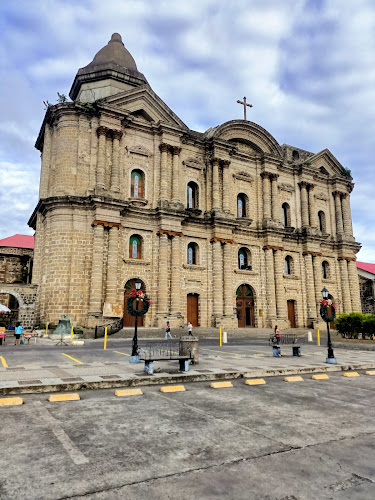
What makes Taal special isn’t just the preserved facades or cobblestoned roads—though, yeah, you’ll want your camera ready. It’s a living, breathing town where locals share legends over cups of thick barako coffee, and children play under capiz window shadows. Here, tradition isn’t a museum display. It’s everyday life. You might even hear the church bells sounding from Asia’s biggest Catholic church, calling everyone to gather for another cherished celebration.
Don’t get me wrong—Taal has its quirks. There’s a sense of “controlled chaos” on weekends, with tricycles whirring, vendors hawking their balisong (yep, the fabled Batangueno butterfly knife), and sudden pockets of quiet that sneak up on you between centuries-old houses. Frankly, it’s this jumble, this mix of the slow and lively, that makes the town irresistible for curious travelers like myself. Whether you’ve come for the historical deep dive, to snag intricate hand-embroidered piña barong, or simply to feast on sticky suman at a back-alley store, Taal stays with you long after you leave.
Key Features
- Ancestral Houses Galore: Dozens of heritage homes line the streets, each with their own story. Some now double as museums—think Agoncillo, Goco, and Villavicencio—but don’t be afraid to chat with a local and see which ones you might sneak a peek into.
- Taal Basilica: Not just another church—the Minor Basilica of St. Martin de Tours towers over the town and claims the title as the largest Catholic church in Asia. If you’re wondering why Taal feels like it’s the heart of Batangas, stand under this church’s epic dome at sundown.
- Balisong Capital: Taal is legendary for its handmade butterfly knives. Even if you’re not a collector, watching a craftsman wield one is a jaw-dropping slice of local pride.
- Handcrafted Barong and Gowns: The finest piña and jusi fabric, delicately hand-embroidered, are for sale in tiny boutiques. For those who love Filipino fashion—the real deal is made right here by master artisans.
- Food Adventures: Local eats aren’t just good, they’re a rite of passage. Try tapang Taal, suman, or indulge with a little tawilis (tiny freshwater fish) if you find it in season.
- Wheelchair & Kid-Friendly Design: The town has made a visible effort with accessible ramps and parking, so those with limited mobility—and families with strollers—don’t have to worry much about getting around.
- Lively Festivals: From the wild, color-splashed El Pasubat Festival to religious Holy Week reenactments, Taal’s calendar is dotted with celebrations that you’ll want to see (and taste—food festivals abound!).
- Capiz Windows & Wooden Balconies: You’ll be hard pressed to find such beautifully preserved Spanish-Filipino architecture anywhere else in such dense concentration. It’s a selfie paradise, not gonna lie.
- Museum Collection: Quirky little museums await—including one for embroidery and another that’s all about the barong Tagalog. It’s history, told in fabric and steel.
- Panoramic Views: Climb up to the basilica’s belfry or find a café overlooking Taal Lake—you’ll get brag-worthy panoramas that paint the whole town in honeyed sunset light.
Best Time to Visit
I’ll shoot straight with you—Taal is a darling year-round, but there are sweet spots worth planning for. Go from December to February if you want cool breezes that make morning walks a dream (and less sticky than the summer months, trust me). If you’re aiming to catch the hum of town festivals, late April brings El Pasubat—an absolute must if you love street food, quirky parades, and a sea of locals dressed up in their most flamboyant barong and saya. Holy Week transforms the streets into open-air stages for dramatic pageantry, though crowds can get brisk.
Dry season (November to May) is prime for urban exploration. Monsoon runners (June to October) might still enjoy quieter moments, but have a foldable umbrella as your travel buddy—you never know when a tropical shower might pull a surprise.
How to Get There
Getting to Taal is easier than most friends expect. If you’re coming from Metro Manila, set aside roughly 2–3 hours (traffic gods willing!). The most straightforward route is via the Southern Tagalog Arterial Road (STAR Tollway). If you’re the public commute type, buses to Lemery depart regularly from major terminals—look for the Batangas-bound signs. Hop off at Lemery, then hail a jeep or tricycle for the last short leg to the Taal heritage district.
A word to the wise: Some GPS apps will try to detour you onto the scenic route—tempting if you love winding roads and hidden provincial stops, but stick to STAR Tollway if you want to hit Taal fast and avoid potholes. Parking’s a game of luck in the old quarters, though there are several official lots near heritage landmarks. I once parked outside the public market and strolled happily through backstreets, meeting hardly anyone but smiling locals and sleepy alley cats.
Tips for Visiting
- Wear Walking Shoes: Those cobblestones couldn’t care less about fancy footwear. Go for comfort, and if you have sensitive ankles, invest in a sturdy pair. You’ll thank me.
- Bring Small Bills: Many vendors (especially the old-timers selling embroidery in their front yards) don’t fuss with big notes. You’ll score the best deals—plus, it’s oddly satisfying to pay with crinkled 20-peso bills.
- Start Early: Mornings are gold. Cool breezes, soft golden light, fresh pan de sal, and fewer crowds. You’ll feel like the whole town is yours for a couple of hours.
- Respect Private Property: Not all heritage homes are museums. If you see a “Bawal Pumasok” (“Do Not Enter”) sign, admire from the street. Some families have called these houses home for over a hundred years.
- Prepare for Photogenic Overload: Seriously, keep extra memory cards and backup batteries. Even my least “artsy” friends can’t help snapping away here.
- Hydrate & Snack: There are a few local bakeries and carinderias, but don’t bank on convenience stores on every block. Pop a bottle of water and a pack of suman in your bag.
- Ask Locals About Hidden Gems: The best adobo or embroidery shop might not be on Google Maps. Ask. Folks here love sharing stories—they may even walk you over themselves.
- Look Up—Always: Some of the prettiest carvings and intricate grillwork are right above eye level. Check out the balconies and windows—you’ll spot details you’d never notice skimming Instagram.
- For the Kids (& Kids at Heart): Taal isn’t just a grown-up affair. There’s enough space, parks, and friendly faces for the little ones to explore.
- Stay a Night If You Can: I’m telling you, the old houses look magical under the lamplight. If you can book a stay in a heritage inn, it’s worth every peso. </li
Key Features
- Key Features
- Best Time to Visit
- How to Get There
- Tips for Visiting
More Details
Updated June 9, 2025
Table of Contents
Description
You know, when people talk about Philippine towns with soul, Taal always seems to pop into my mind, and for good reason. This is not one of those places you tick off quickly on a “been there, done that” list. If you ever yearned to step into a street that feels like it holds a thousand whispered secrets, Taal delivers in spades. I remember the first time I wandered through Calle Agoncillo, agape at the rows of Spanish-era ancestral homes—some with faded paint, some with creaking timber, all with the kind of wear that only comes from generations watching history unfold.
What makes Taal special isn’t just the preserved facades or cobblestoned roads—though, yeah, you’ll want your camera ready. It’s a living, breathing town where locals share legends over cups of thick barako coffee, and children play under capiz window shadows. Here, tradition isn’t a museum display. It’s everyday life. You might even hear the church bells sounding from Asia’s biggest Catholic church, calling everyone to gather for another cherished celebration.
Don’t get me wrong—Taal has its quirks. There’s a sense of “controlled chaos” on weekends, with tricycles whirring, vendors hawking their balisong (yep, the fabled Batangueno butterfly knife), and sudden pockets of quiet that sneak up on you between centuries-old houses. Frankly, it’s this jumble, this mix of the slow and lively, that makes the town irresistible for curious travelers like myself. Whether you’ve come for the historical deep dive, to snag intricate hand-embroidered piña barong, or simply to feast on sticky suman at a back-alley store, Taal stays with you long after you leave.
Key Features
- Ancestral Houses Galore: Dozens of heritage homes line the streets, each with their own story. Some now double as museums—think Agoncillo, Goco, and Villavicencio—but don’t be afraid to chat with a local and see which ones you might sneak a peek into.
- Taal Basilica: Not just another church—the Minor Basilica of St. Martin de Tours towers over the town and claims the title as the largest Catholic church in Asia. If you’re wondering why Taal feels like it’s the heart of Batangas, stand under this church’s epic dome at sundown.
- Balisong Capital: Taal is legendary for its handmade butterfly knives. Even if you’re not a collector, watching a craftsman wield one is a jaw-dropping slice of local pride.
- Handcrafted Barong and Gowns: The finest piña and jusi fabric, delicately hand-embroidered, are for sale in tiny boutiques. For those who love Filipino fashion—the real deal is made right here by master artisans.
- Food Adventures: Local eats aren’t just good, they’re a rite of passage. Try tapang Taal, suman, or indulge with a little tawilis (tiny freshwater fish) if you find it in season.
- Wheelchair & Kid-Friendly Design: The town has made a visible effort with accessible ramps and parking, so those with limited mobility—and families with strollers—don’t have to worry much about getting around.
- Lively Festivals: From the wild, color-splashed El Pasubat Festival to religious Holy Week reenactments, Taal’s calendar is dotted with celebrations that you’ll want to see (and taste—food festivals abound!).
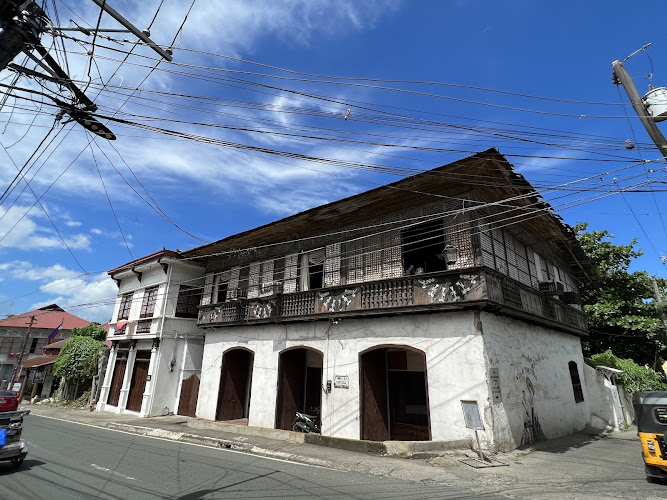
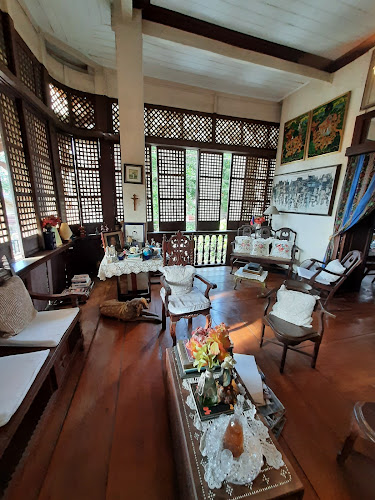
- Capiz Windows & Wooden Balconies: You’ll be hard pressed to find such beautifully preserved Spanish-Filipino architecture anywhere else in such dense concentration. It’s a selfie paradise, not gonna lie.
- Museum Collection: Quirky little museums await—including one for embroidery and another that’s all about the barong Tagalog. It’s history, told in fabric and steel.
- Panoramic Views: Climb up to the basilica’s belfry or find a café overlooking Taal Lake—you’ll get brag-worthy panoramas that paint the whole town in honeyed sunset light.
Best Time to Visit
I’ll shoot straight with you—Taal is a darling year-round, but there are sweet spots worth planning for. Go from December to February if you want cool breezes that make morning walks a dream (and less sticky than the summer months, trust me). If you’re aiming to catch the hum of town festivals, late April brings El Pasubat—an absolute must if you love street food, quirky parades, and a sea of locals dressed up in their most flamboyant barong and saya. Holy Week transforms the streets into open-air stages for dramatic pageantry, though crowds can get brisk.
Dry season (November to May) is prime for urban exploration. Monsoon runners (June to October) might still enjoy quieter moments, but have a foldable umbrella as your travel buddy—you never know when a tropical shower might pull a surprise.
How to Get There
Getting to Taal is easier than most friends expect. If you’re coming from Metro Manila, set aside roughly 2–3 hours (traffic gods willing!). The most straightforward route is via the Southern Tagalog Arterial Road (STAR Tollway). If you’re the public commute type, buses to Lemery depart regularly from major terminals—look for the Batangas-bound signs. Hop off at Lemery, then hail a jeep or tricycle for the last short leg to the Taal heritage district.
A word to the wise: Some GPS apps will try to detour you onto the scenic route—tempting if you love winding roads and hidden provincial stops, but stick to STAR Tollway if you want to hit Taal fast and avoid potholes. Parking’s a game of luck in the old quarters, though there are several official lots near heritage landmarks. I once parked outside the public market and strolled happily through backstreets, meeting hardly anyone but smiling locals and sleepy alley cats.
Tips for Visiting
- Wear Walking Shoes: Those cobblestones couldn’t care less about fancy footwear. Go for comfort, and if you have sensitive ankles, invest in a sturdy pair. You’ll thank me.
- Bring Small Bills: Many vendors (especially the old-timers selling embroidery in their front yards) don’t fuss with big notes. You’ll score the best deals—plus, it’s oddly satisfying to pay with crinkled 20-peso bills.
- Start Early: Mornings are gold. Cool breezes, soft golden light, fresh pan de sal, and fewer crowds. You’ll feel like the whole town is yours for a couple of hours.
- Respect Private Property: Not all heritage homes are museums. If you see a “Bawal Pumasok” (“Do Not Enter”) sign, admire from the street. Some families have called these houses home for over a hundred years.
- Prepare for Photogenic Overload: Seriously, keep extra memory cards and backup batteries. Even my least “artsy” friends can’t help snapping away here.
- Hydrate & Snack: There are a few local bakeries and carinderias, but don’t bank on convenience stores on every block. Pop a bottle of water and a pack of suman in your bag.
- Ask Locals About Hidden Gems: The best adobo or embroidery shop might not be on Google Maps. Ask. Folks here love sharing stories—they may even walk you over themselves.
- Look Up—Always: Some of the prettiest carvings and intricate grillwork are right above eye level. Check out the balconies and windows—you’ll spot details you’d never notice skimming Instagram.
- For the Kids (& Kids at Heart): Taal isn’t just a grown-up affair. There’s enough space, parks, and friendly faces for the little ones to explore.
- Stay a Night If You Can: I’m telling you, the old houses look magical under the lamplight. If you can book a stay in a heritage inn, it’s worth every peso.
- Key Features
- Best Time to Visit
- How to Get There
- Tips for Visiting
Key Highlights
Location
Places to Stay Near The Heritage Town of Taal
Find and Book a Tour
Explore More Travel Guides
No reviews found! Be the first to review!
Traveler Reviews for The Heritage Town of Taal
There are no reviews yet. Be the first one to write one.
Have you visited The Heritage Town of Taal? Help other travelers by sharing your review.
You Might Also Like

Taal Park
Villa Tortuga
Goco Ancestral House
Find Accommodations Nearby
Recommended Tours & Activities
Visitor Reviews
There are no reviews yet. Be the first one to write one.
Share Your Experience
Have you visited The Heritage Town of Taal? Help other travelers by leaving a review.