
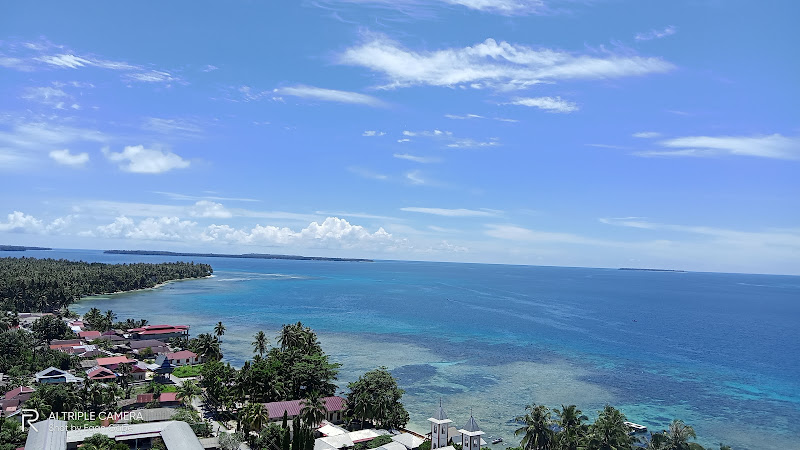
Sibolga
About Sibolga
Description
Sibolga is this intriguing little city perched on the west coast of North Sumatra, Indonesia, hugging the natural harbour of Sibolga Bay. It faces the vast Indian Ocean, giving it a rugged charm that’s a bit raw and real—not polished or touristy, which I kinda love. It’s a working port town, known mainly as the gateway to Nias Island, so you’ll often find travelers passing through, waiting for their boats or just soaking up the salty sea air. The city itself wears its history on its sleeve, especially since it was deeply affected by the 2004 Indian Ocean earthquake. That event left marks on the place, but also shaped a resilient spirit among the locals.
What’s cool about Sibolga is that it doesn’t try to be flashy. It’s a bit off the beaten path, and that’s exactly why it’s worth a visit. You won’t find the usual tourist traps here; instead, there’s a genuine, lived-in vibe. The streets buzz with local life, markets spill over with fresh fish and tropical fruits, and the scent of street food lingers in the humid air. If you’re the kind of traveler who likes to get under the skin of a place, to see how people really live by the sea, Sibolga offers that chance.
Key Features
- Natural harbour with stunning views of Sibolga Bay and the Indian Ocean
- Gateway to Nias Island, making it a crucial transit point for island adventures
- Rich local markets featuring fresh seafood and tropical produce
- Laid-back coastal atmosphere with authentic Indonesian port city life
- Historical significance tied to the 2004 Indian Ocean earthquake and tsunami
- Access to nearby beaches and natural attractions just outside the city
- Friendly, warm locals who are proud of their heritage and culture
- Affordable accommodations and eateries, perfect for budget travelers
Best Time to Visit
If you’re wondering when to drop by Sibolga, the dry season, roughly from May to September, is your best bet. During this time, the weather is generally sunny and pleasant, making it easier to explore the bay and catch boats to Nias Island without the worry of sudden downpours. The rainier months, from November to March, can be a bit unpredictable with heavy showers and rough seas, which might disrupt travel plans, especially if you’re relying on ferry schedules.
That said, if you’re a fan of quieter, off-peak travel, visiting during the shoulder months could be interesting. You might get a more intimate experience with fewer tourists around, though you’ll want to keep an eye on the weather forecasts. Just remember, the ocean can be moody, so flexibility is key. Personally, I prefer the dry season because the calm waters make for better boat rides and the sun just lifts your mood, you know?
How to Get There
Getting to Sibolga isn’t as straightforward as hopping on a plane to a big city, but that’s part of the adventure. The closest major airport is in Medan, the capital of North Sumatra, about a 5-6 hour drive away. From Medan, you can hire a car, take a bus, or even grab a shared minivan heading west. The road trip itself is quite scenic, winding through lush landscapes and small towns, giving you a taste of rural Indonesian life.
Once you arrive in Sibolga, the port is the main hub. If you’re heading to Nias Island, ferries and boats leave regularly, though schedules can be a bit erratic, so it’s wise to check in advance and be prepared for some waiting around. For those coming from other parts of Sumatra or Indonesia, overland travel is common, but it can be long and bumpy. Honestly, it’s all part of the charm, if you’re up for it.
Tips for Visiting
Alright, here’s the real talk. Sibolga isn’t a polished tourist hotspot, so you gotta come with an open mind and a bit of patience. The infrastructure is basic, and English isn’t widely spoken, so a phrasebook or translation app will be your best friends. But don’t let that scare you off—it’s part of the authentic experience.
When exploring the markets, try the local snacks and seafood—you won’t regret it. Just be mindful of hygiene, as street food standards can vary. Also, if you’re planning to catch a boat to Nias Island, give yourself plenty of time. The ferry schedules can change without much notice, and sometimes boats get canceled due to weather.
One thing I learned the hard way was to carry some cash. ATMs are limited, and many small vendors don’t take cards. Also, pack light but bring essentials like mosquito repellent, sunscreen, and a decent pair of walking shoes. The city streets can be uneven, and you’ll want to be comfortable.
Lastly, take time to chat with locals if you get the chance. Their stories and warmth really add depth to your visit. Sibolga might not shout for attention, but it quietly rewards those willing to explore its corners with genuine moments and memories. If you’re craving a trip that’s a little different and a lot real, Sibolga might just surprise you.
Key Features
- Natural harbour with stunning views of Sibolga Bay and the Indian Ocean
- Gateway to Nias Island, making it a crucial transit point for island adventures
- Rich local markets featuring fresh seafood and tropical produce
- Laid-back coastal atmosphere with authentic Indonesian port city life
- Historical significance tied to the 2004 Indian Ocean earthquake and tsunami
- Access to nearby beaches and natural attractions just outside the city
- Friendly, warm locals who are proud of their heritage and culture
- Affordable accommodations and eateries, perfect for budget travelers
More Details
Updated July 17, 2025
Description
Sibolga is this intriguing little city perched on the west coast of North Sumatra, Indonesia, hugging the natural harbour of Sibolga Bay. It faces the vast Indian Ocean, giving it a rugged charm that’s a bit raw and real—not polished or touristy, which I kinda love. It’s a working port town, known mainly as the gateway to Nias Island, so you’ll often find travelers passing through, waiting for their boats or just soaking up the salty sea air. The city itself wears its history on its sleeve, especially since it was deeply affected by the 2004 Indian Ocean earthquake. That event left marks on the place, but also shaped a resilient spirit among the locals.
What’s cool about Sibolga is that it doesn’t try to be flashy. It’s a bit off the beaten path, and that’s exactly why it’s worth a visit. You won’t find the usual tourist traps here; instead, there’s a genuine, lived-in vibe. The streets buzz with local life, markets spill over with fresh fish and tropical fruits, and the scent of street food lingers in the humid air. If you’re the kind of traveler who likes to get under the skin of a place, to see how people really live by the sea, Sibolga offers that chance.
Key Features
- Natural harbour with stunning views of Sibolga Bay and the Indian Ocean
- Gateway to Nias Island, making it a crucial transit point for island adventures
- Rich local markets featuring fresh seafood and tropical produce
- Laid-back coastal atmosphere with authentic Indonesian port city life
- Historical significance tied to the 2004 Indian Ocean earthquake and tsunami
- Access to nearby beaches and natural attractions just outside the city
- Friendly, warm locals who are proud of their heritage and culture
- Affordable accommodations and eateries, perfect for budget travelers
Best Time to Visit
If you’re wondering when to drop by Sibolga, the dry season, roughly from May to September, is your best bet. During this time, the weather is generally sunny and pleasant, making it easier to explore the bay and catch boats to Nias Island without the worry of sudden downpours. The rainier months, from November to March, can be a bit unpredictable with heavy showers and rough seas, which might disrupt travel plans, especially if you’re relying on ferry schedules.
That said, if you’re a fan of quieter, off-peak travel, visiting during the shoulder months could be interesting. You might get a more intimate experience with fewer tourists around, though you’ll want to keep an eye on the weather forecasts. Just remember, the ocean can be moody, so flexibility is key. Personally, I prefer the dry season because the calm waters make for better boat rides and the sun just lifts your mood, you know?
How to Get There
Getting to Sibolga isn’t as straightforward as hopping on a plane to a big city, but that’s part of the adventure. The closest major airport is in Medan, the capital of North Sumatra, about a 5-6 hour drive away. From Medan, you can hire a car, take a bus, or even grab a shared minivan heading west. The road trip itself is quite scenic, winding through lush landscapes and small towns, giving you a taste of rural Indonesian life.
Once you arrive in Sibolga, the port is the main hub. If you’re heading to Nias Island, ferries and boats leave regularly, though schedules can be a bit erratic, so it’s wise to check in advance and be prepared for some waiting around. For those coming from other parts of Sumatra or Indonesia, overland travel is common, but it can be long and bumpy. Honestly, it’s all part of the charm, if you’re up for it.
Tips for Visiting
Alright, here’s the real talk. Sibolga isn’t a polished tourist hotspot, so you gotta come with an open mind and a bit of patience. The infrastructure is basic, and English isn’t widely spoken, so a phrasebook or translation app will be your best friends. But don’t let that scare you off—it’s part of the authentic experience.
When exploring the markets, try the local snacks and seafood—you won’t regret it. Just be mindful of hygiene, as street food standards can vary. Also, if you’re planning to catch a boat to Nias Island, give yourself plenty of time. The ferry schedules can change without much notice, and sometimes boats get canceled due to weather.
One thing I learned the hard way was to carry some cash. ATMs are limited, and many small vendors don’t take cards. Also, pack light but bring essentials like mosquito repellent, sunscreen, and a decent pair of walking shoes. The city streets can be uneven, and you’ll want to be comfortable.
Lastly, take time to chat with locals if you get the chance. Their stories and warmth really add depth to your visit. Sibolga might not shout for attention, but it quietly rewards those willing to explore its corners with genuine moments and memories. If you’re craving a trip that’s a little different and a lot real, Sibolga might just surprise you.
Key Highlights
- Natural harbour with stunning views of Sibolga Bay and the Indian Ocean
- Gateway to Nias Island, making it a crucial transit point for island adventures
- Rich local markets featuring fresh seafood and tropical produce
- Laid-back coastal atmosphere with authentic Indonesian port city life
- Historical significance tied to the 2004 Indian Ocean earthquake and tsunami
- Access to nearby beaches and natural attractions just outside the city
- Friendly, warm locals who are proud of their heritage and culture
- Affordable accommodations and eateries, perfect for budget travelers
Location
Places to Stay Near Sibolga
Find and Book a Tour
Explore More Travel Guides
No reviews found! Be the first to review!
Traveler Reviews for Sibolga
There are no reviews yet. Be the first one to write one.
Have you visited Sibolga? Help other travelers by sharing your review.
You Might Also Like
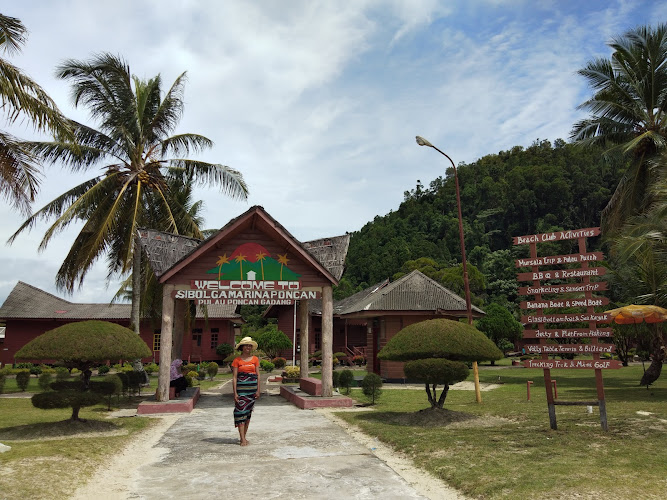
Pulau Poncan
Tor simarbarimbing
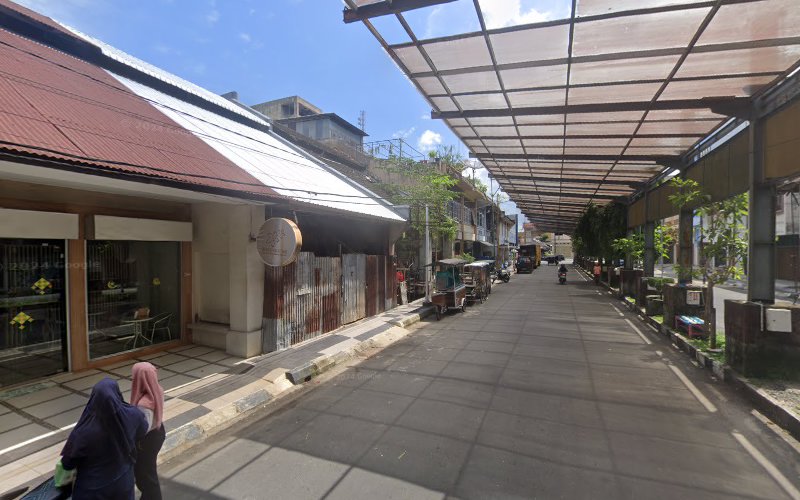
Pusat kuliner Kota Sibolga
Find Accommodations Nearby
Recommended Tours & Activities
Visitor Reviews
There are no reviews yet. Be the first one to write one.
Share Your Experience
Have you visited Sibolga? Help other travelers by leaving a review.