

Shri Vishnupad Temple, Gaya Ji
About Shri Vishnupad Temple, Gaya Ji
Description
The Shri Vishnupad Temple in Gaya stands as one of India's most spiritually significant pilgrimage sites, and honestly, when you first lay eyes on it, you understand why millions of devotees have made this journey over centuries. Built in the 1700s by Queen Ahilyabai Holkar of Indore, this temple houses what believers consider to be the actual footprint of Lord Vishnu himself - a 40-centimeter impression etched into solid rock that's said to be thousands of years old. Walking through the temple complex feels like stepping into a different era altogether. The architecture reflects classic Hindu temple design from the 18th century, with its towering structure rising about 100 feet into the sky. The entire temple is constructed from large blocks of gray stone, and there's something genuinely moving about seeing how these massive structures were assembled without modern technology. The footprint - called Dharmasila - sits inside the main sanctum under a silver-plated umbrella, and it's surrounded by a silver basin that devotees fill with offerings. What strikes most visitors, myself having heard from fellow travelers, is the palpable sense of devotion that permeates every corner of this sacred space. This isn't just another tourist attraction - it's a living, breathing center of faith where people come to perform Pind Daan, a ritual offering for departed ancestors. The temple sits on the banks of the Falgu River, and according to Hindu tradition, performing these rituals here can provide salvation to one's ancestors and free them from the cycle of rebirth. The temple complex is larger than many expect, covering substantial ground with various smaller shrines dedicated to different deities. And while the main attraction is certainly Vishnu's footprint, there's so much more to explore here. The priests at the temple, known as Gayawal Pandas, have been serving here for generations - some families claim their lineage of service stretches back hundreds of years.Key Features
The Shri Vishnupad Temple offers visitors several distinctive elements that make it stand out among India's countless sacred sites: • The 40-centimeter basalt rock footprint of Lord Vishnu, which remains the primary object of worship and draws pilgrims from across the globe • An octagonal shrine structure that houses the sacred footprint, topped with a stunning silver-plated canopy that catches light beautifully throughout the day • The massive temple tower reaching approximately 100 feet in height, constructed entirely from gray stone blocks that have withstood centuries of monsoons and heat • Ancient Banyan tree within the temple grounds, believed to be several hundred years old and considered sacred by worshippers • The Falgu River flowing adjacent to the temple, where pilgrims perform ritual bathing and ceremonies for their ancestors • Wheelchair accessible facilities making this ancient site surprisingly accommodating for visitors with mobility challenges • Multiple payment options including digital payments through Google Pay, which is pretty convenient considering how many temples still operate on cash-only basis • Various parking options ranging from free street parking to paid lots, though finding a spot during peak pilgrimage seasons can test anyone's patience • Restroom facilities available onsite, which honestly matters more than people think when you're planning a several-hour visit • The Brahmakund, a sacred water tank where devotees perform ablutions before entering the main shrine • Smaller subsidiary shrines dedicated to other deities including Goddess Gaya Lakshmi and Lord Shiva scattered throughout the complex • Intricate stone carvings and inscriptions dating back to the original construction period that showcase remarkable craftsmanshipBest Time to Visit
Timing your visit to Shri Vishnupad Temple makes a tremendous difference in your overall experience, and I've heard enough stories from travelers to know that getting this wrong can really impact your trip. The ideal months fall between October and March when temperatures in Bihar remain pleasant, ranging from about 15 to 25 degrees Celsius. During these cooler months, you can comfortably spend hours exploring the temple complex without feeling like you're melting into the stone floors. The summer months from April to June bring scorching heat that can exceed 45 degrees Celsius, and trust me, trying to maintain spiritual focus when you're drenched in sweat isn't exactly ideal. Monsoon season from July to September presents its own challenges. While the rains cool things down considerably, the Falgu River can swell and the temple grounds get slippery. But some visitors actually prefer this time - the crowds thin out significantly, and there's something atmospheric about experiencing the temple during the rains. Now, if you're interested in witnessing the temple at its most vibrant - though I promised not to use that word much - consider visiting during Pitri Paksha, a 16-day period in September when thousands upon thousands of pilgrims descend on Gaya to perform ancestral rites. The energy during this time is absolutely intense, though you'll be sharing your experience with massive crowds. Similarly, Vishnupad Jayanti and other festivals transform the temple into a hub of ceremonial activity. For those seeking a more contemplative experience, weekday mornings during the winter months offer the perfect balance. You'll encounter genuine devotees going about their rituals without the overwhelming weekend crowds or festival chaos. Early mornings around 5 or 6 AM provide particularly peaceful moments, though you'll need to check the specific opening times which can vary.How to Get There
Getting to Shri Vishnupad Temple in Gaya requires some planning, but the journey is definitely manageable from most major Indian cities. By air, Gaya Airport serves as your closest option, located roughly 12 kilometers from the temple. The airport has expanded significantly in recent years with better connectivity to cities like Delhi, Kolkata, Mumbai, and Varanasi. From the airport, you can hire a taxi or auto-rickshaw straight to the temple, and the ride typically takes about 30 minutes depending on traffic conditions. The railway option often works better for most travelers. Gaya Junction is a major railway station with excellent connections to practically every corner of India. Trains from Delhi, Kolkata, Patna, and Varanasi run regularly, and the station sits just about 2 kilometers from the temple. You can walk if you're traveling light and feeling adventurous, or grab one of the many cycle-rickshaws, auto-rickshaws, or taxis waiting outside the station. Road travel to Gaya is straightforward with well-maintained highways connecting it to nearby cities. From Patna, it's roughly a 2-hour drive covering about 100 kilometers. From Varanasi, expect around 4 hours for the 250-kilometer journey. State-run buses operate regular services, and private bus operators offer more comfortable options with air conditioning and better seating. Once you're in Gaya city, finding the temple is easy - it's one of the most prominent landmarks, and literally everyone knows where it is. Local transportation options include cycle-rickshaws which offer a charming if somewhat slow way to navigate the streets, auto-rickshaws for faster travel, and app-based cab services that have started operating in the city.Tips for Visiting
Visiting Shri Vishnupad Temple requires some practical preparation and cultural awareness to make the most of your experience. Dress conservatively - this cannot be stressed enough. Men should wear long pants and shirts with sleeves, while women should opt for traditional Indian wear like sarees or salwar kameez, or at minimum, clothing that covers shoulders and knees. Shorts and sleeveless tops will get you disapproving looks and might even prevent entry to certain areas. You'll need to remove your shoes before entering the temple premises, so wear footwear that's easy to slip on and off. The temple provides shoe storage facilities, but bringing a small bag to carry your shoes can give you peace of mind. And watch out - the stone floors get incredibly hot during summer afternoons. Photography rules can be strict inside the main sanctum, so always ask permission before clicking away. Some areas prohibit cameras entirely, and respect for these rules shows consideration for the sacred nature of the space and the devotees worshipping there. If you're planning to perform Pind Daan or other rituals, you'll need to work with the temple priests. These ceremonies can be complex and expensive, so discuss costs upfront to avoid misunderstandings. Some priests have been known to ask for significantly higher fees from foreign visitors, so polite but firm negotiation is sometimes necessary. Bring cash, even though digital payments are accepted. Many smaller offerings and donations still work better with physical currency, and not all vendors around the temple have card readers or UPI payment options. The temple gets incredibly crowded during peak hours and festivals. If you prefer a more peaceful experience, aim for early morning visits on weekdays. The atmosphere between 6 and 8 AM offers a completely different experience from the afternoon chaos. Hiring a local guide can tremendously enhance your understanding of the temple's history, rituals, and significance. Many guides wait near the entrance, and their knowledge often includes stories and details you won't find in guidebooks. Keep your belongings secure and be mindful of pickpockets in crowded areas. This isn't unique to this temple, but anywhere large crowds gather, opportunistic theft can happen. Respect the spiritual practices you witness. People come here during profound moments of grief and devotion, performing rituals for deceased loved ones. Maintain appropriate decorum and avoid loud conversations or disruptive behavior. Consider visiting the nearby Mangla Gauri Temple and Vishnupad Gaya Museum to get a fuller picture of Gaya's religious and cultural significance. These sites complement the main temple experience and help contextualize what you're seeing. Stay hydrated but be strategic about it. While water is essential, especially in summer, restroom facilities can get overwhelmed during busy periods. The temple does have facilities, but planning your water intake helps avoid uncomfortable situations. And finally, approach your visit with an open mind and heart. Whether you're a devoted Hindu pilgrim or a curious traveler, the Shri Vishnupad Temple offers something genuinely special - a connection to centuries of unbroken faith and tradition that continues to draw people seeking meaning, peace, and spiritual connection.Key Features
- Key Features
- Best Time to Visit
- How to Get There
- Tips for Visiting
More Details
Updated March 30, 2026
Table of Contents
Description
The Shri Vishnupad Temple in Gaya stands as one of India’s most spiritually significant pilgrimage sites, and honestly, when you first lay eyes on it, you understand why millions of devotees have made this journey over centuries. Built in the 1700s by Queen Ahilyabai Holkar of Indore, this temple houses what believers consider to be the actual footprint of Lord Vishnu himself – a 40-centimeter impression etched into solid rock that’s said to be thousands of years old.
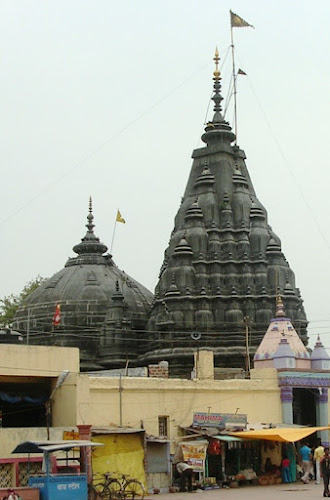
Walking through the temple complex feels like stepping into a different era altogether. The architecture reflects classic Hindu temple design from the 18th century, with its towering structure rising about 100 feet into the sky. The entire temple is constructed from large blocks of gray stone, and there’s something genuinely moving about seeing how these massive structures were assembled without modern technology. The footprint – called Dharmasila – sits inside the main sanctum under a silver-plated umbrella, and it’s surrounded by a silver basin that devotees fill with offerings.
What strikes most visitors, myself having heard from fellow travelers, is the palpable sense of devotion that permeates every corner of this sacred space. This isn’t just another tourist attraction – it’s a living, breathing center of faith where people come to perform Pind Daan, a ritual offering for departed ancestors. The temple sits on the banks of the Falgu River, and according to Hindu tradition, performing these rituals here can provide salvation to one’s ancestors and free them from the cycle of rebirth.
The temple complex is larger than many expect, covering substantial ground with various smaller shrines dedicated to different deities. And while the main attraction is certainly Vishnu’s footprint, there’s so much more to explore here. The priests at the temple, known as Gayawal Pandas, have been serving here for generations – some families claim their lineage of service stretches back hundreds of years.
Key Features
The Shri Vishnupad Temple offers visitors several distinctive elements that make it stand out among India’s countless sacred sites:
• The 40-centimeter basalt rock footprint of Lord Vishnu, which remains the primary object of worship and draws pilgrims from across the globe
• An octagonal shrine structure that houses the sacred footprint, topped with a stunning silver-plated canopy that catches light beautifully throughout the day
• The massive temple tower reaching approximately 100 feet in height, constructed entirely from gray stone blocks that have withstood centuries of monsoons and heat
• Ancient Banyan tree within the temple grounds, believed to be several hundred years old and considered sacred by worshippers
• The Falgu River flowing adjacent to the temple, where pilgrims perform ritual bathing and ceremonies for their ancestors
• Wheelchair accessible facilities making this ancient site surprisingly accommodating for visitors with mobility challenges
• Multiple payment options including digital payments through Google Pay, which is pretty convenient considering how many temples still operate on cash-only basis
• Various parking options ranging from free street parking to paid lots, though finding a spot during peak pilgrimage seasons can test anyone’s patience
• Restroom facilities available onsite, which honestly matters more than people think when you’re planning a several-hour visit
• The Brahmakund, a sacred water tank where devotees perform ablutions before entering the main shrine
• Smaller subsidiary shrines dedicated to other deities including Goddess Gaya Lakshmi and Lord Shiva scattered throughout the complex
• Intricate stone carvings and inscriptions dating back to the original construction period that showcase remarkable craftsmanship
Best Time to Visit
Timing your visit to Shri Vishnupad Temple makes a tremendous difference in your overall experience, and I’ve heard enough stories from travelers to know that getting this wrong can really impact your trip.
The ideal months fall between October and March when temperatures in Bihar remain pleasant, ranging from about 15 to 25 degrees Celsius. During these cooler months, you can comfortably spend hours exploring the temple complex without feeling like you’re melting into the stone floors. The summer months from April to June bring scorching heat that can exceed 45 degrees Celsius, and trust me, trying to maintain spiritual focus when you’re drenched in sweat isn’t exactly ideal.
Monsoon season from July to September presents its own challenges. While the rains cool things down considerably, the Falgu River can swell and the temple grounds get slippery. But some visitors actually prefer this time – the crowds thin out significantly, and there’s something atmospheric about experiencing the temple during the rains.
Now, if you’re interested in witnessing the temple at its most vibrant – though I promised not to use that word much – consider visiting during Pitri Paksha, a 16-day period in September when thousands upon thousands of pilgrims descend on Gaya to perform ancestral rites. The energy during this time is absolutely intense, though you’ll be sharing your experience with massive crowds. Similarly, Vishnupad Jayanti and other festivals transform the temple into a hub of ceremonial activity.
For those seeking a more contemplative experience, weekday mornings during the winter months offer the perfect balance. You’ll encounter genuine devotees going about their rituals without the overwhelming weekend crowds or festival chaos. Early mornings around 5 or 6 AM provide particularly peaceful moments, though you’ll need to check the specific opening times which can vary.
How to Get There
Getting to Shri Vishnupad Temple in Gaya requires some planning, but the journey is definitely manageable from most major Indian cities.
By air, Gaya Airport serves as your closest option, located roughly 12 kilometers from the temple. The airport has expanded significantly in recent years with better connectivity to cities like Delhi, Kolkata, Mumbai, and Varanasi. From the airport, you can hire a taxi or auto-rickshaw straight to the temple, and the ride typically takes about 30 minutes depending on traffic conditions.
The railway option often works better for most travelers. Gaya Junction is a major railway station with excellent connections to practically every corner of India. Trains from Delhi, Kolkata, Patna, and Varanasi run regularly, and the station sits just about 2 kilometers from the temple. You can walk if you’re traveling light and feeling adventurous, or grab one of the many cycle-rickshaws, auto-rickshaws, or taxis waiting outside the station.
Road travel to Gaya is straightforward with well-maintained highways connecting it to nearby cities. From Patna, it’s roughly a 2-hour drive covering about 100 kilometers. From Varanasi, expect around 4 hours for the 250-kilometer journey. State-run buses operate regular services, and private bus operators offer more comfortable options with air conditioning and better seating.
Once you’re in Gaya city, finding the temple is easy – it’s one of the most prominent landmarks, and literally everyone knows where it is. Local transportation options include cycle-rickshaws which offer a charming if somewhat slow way to navigate the streets, auto-rickshaws for faster travel, and app-based cab services that have started operating in the city.
Tips for Visiting
Visiting Shri Vishnupad Temple requires some practical preparation and cultural awareness to make the most of your experience.
Dress conservatively – this cannot be stressed enough. Men should wear long pants and shirts with sleeves, while women should opt for traditional Indian wear like sarees or salwar kameez, or at minimum, clothing that covers shoulders and knees. Shorts and sleeveless tops will get you disapproving looks and might even prevent entry to certain areas.
You’ll need to remove your shoes before entering the temple premises, so wear footwear that’s easy to slip on and off. The temple provides shoe storage facilities, but bringing a small bag to carry your shoes can give you peace of mind. And watch out – the stone floors get incredibly hot during summer afternoons.
Photography rules can be strict inside the main sanctum, so always ask permission before clicking away. Some areas prohibit cameras entirely, and respect for these rules shows consideration for the sacred nature of the space and the devotees worshipping there.
If you’re planning to perform Pind Daan or other rituals, you’ll need to work with the temple priests. These ceremonies can be complex and expensive, so discuss costs upfront to avoid misunderstandings. Some priests have been known to ask for significantly higher fees from foreign visitors, so polite but firm negotiation is sometimes necessary.
Bring cash, even though digital payments are accepted. Many smaller offerings and donations still work better with physical currency, and not all vendors around the temple have card readers or UPI payment options.
The temple gets incredibly crowded during peak hours and festivals. If you prefer a more peaceful experience, aim for early morning visits on weekdays. The atmosphere between 6 and 8 AM offers a completely different experience from the afternoon chaos.
Hiring a local guide can tremendously enhance your understanding of the temple’s history, rituals, and significance. Many guides wait near the entrance, and their knowledge often includes stories and details you won’t find in guidebooks.
Keep your belongings secure and be mindful of pickpockets in crowded areas. This isn’t unique to this temple, but anywhere large crowds gather, opportunistic theft can happen.
Respect the spiritual practices you witness. People come here during profound moments of grief and devotion, performing rituals for deceased loved ones. Maintain appropriate decorum and avoid loud conversations or disruptive behavior.
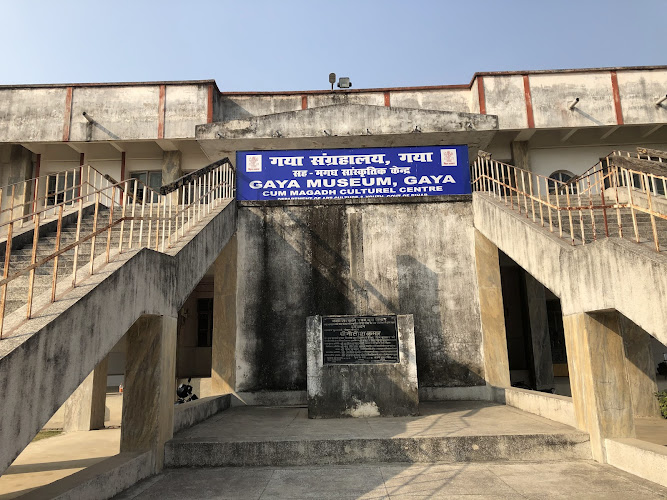
Consider visiting the nearby Mangla Gauri Temple and Vishnupad Gaya Museum to get a fuller picture of Gaya’s religious and cultural significance. These sites complement the main temple experience and help contextualize what you’re seeing.
Stay hydrated but be strategic about it. While water is essential, especially in summer, restroom facilities can get overwhelmed during busy periods. The temple does have facilities, but planning your water intake helps avoid uncomfortable situations.
And finally, approach your visit with an open mind and heart. Whether you’re a devoted Hindu pilgrim or a curious traveler, the Shri Vishnupad Temple offers something genuinely special – a connection to centuries of unbroken faith and tradition that continues to draw people seeking meaning, peace, and spiritual connection.
Key Highlights
- Key Features
- Best Time to Visit
- How to Get There
- Tips for Visiting
Location
Places to Stay Near Shri Vishnupad Temple, Gaya Ji
Find and Book a Tour
Explore More Travel Guides
No reviews found! Be the first to review!
Shri Vishnupad Temple, Gaya Ji is a prominent Hindu temple located in Gaya.
Visit us at: Chand Chaura, Gaya, Bihar 823001, India.
Traveler Reviews for Shri Vishnupad Temple, Gaya Ji
There are no reviews yet. Be the first one to write one.
Have you visited Shri Vishnupad Temple, Gaya Ji? Help other travelers by sharing your review.
You Might Also Like
Gaya Museum

APR City Center Mall
Gayajipurohit
Find Accommodations Nearby
Recommended Tours & Activities
Visitor Reviews
There are no reviews yet. Be the first one to write one.
Share Your Experience
Have you visited Shri Vishnupad Temple, Gaya Ji? Help other travelers by leaving a review.