
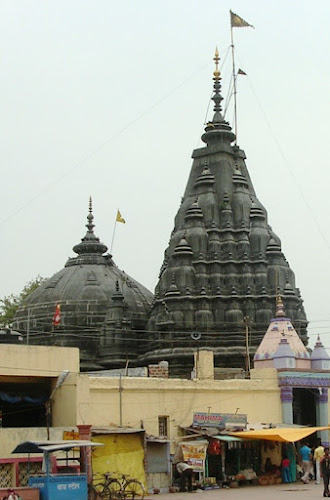
Gayajipurohit
About Gayajipurohit
Description
Gayajipurohit stands as one of those remarkable Hindu temples that travelers often stumble upon when exploring India's spiritual landscape. The temple serves as a significant religious site where devotees and curious travelers alike gather to experience the profound traditions of Hindu worship. What makes this place particularly interesting is its role in the ancient practice of performing rituals for ancestors, which is deeply embedded in Hindu culture. When you visit Gayajipurohit, you're not just walking into another temple. You're stepping into a place where centuries-old traditions continue to thrive in modern times. The atmosphere here carries that unmistakable weight of devotion - you know what I mean if you've ever been to a place where faith isn't just practiced but truly lived. People come here specifically for Pind Daan ceremonies, which are special rituals performed for departed souls. And honestly, witnessing these ceremonies gives you a glimpse into how seriously Indian families take their obligations to their ancestors. The temple has earned a reputation among pilgrims who travel from various parts of the country seeking spiritual solace and fulfillment of their religious duties. Its significance in Hindu tradition cannot be overstated, particularly for those who believe in honoring their forefathers through prescribed rituals. The priests here, known as purohits, guide visitors through these complex ceremonies with generations of knowledge passed down through their families. But let me be real with you - this isn't your typical tourist-friendly, sanitized attraction. It's authentic, sometimes chaotic, and definitely requires an open mind. The experience can feel overwhelming if you're not familiar with Hindu customs, but that's precisely what makes it so genuine. You're witnessing real faith in action, not a performance for tourists.Key Features
The Gayajipurohit offers several distinctive characteristics that set it apart from ordinary temple visits: • Traditional ritual services performed by experienced priests who specialize in ancestral ceremonies and religious rites specific to this sacred site • Authentic spiritual atmosphere where local devotees conduct their religious obligations, providing travelers with an unfiltered view of Hindu devotional practices • Opportunities to participate in or observe Pind Daan ceremonies, which are considered highly auspicious for those seeking to honor their departed family members • The temple's commitment to sustainability through its clothing recycling program, demonstrating how ancient religious sites can embrace modern environmental consciousness • Access to knowledgeable purohits who can explain the significance of various rituals and customs for curious travelers who want to understand deeper meanings • A setting that remains relatively uncommercialized compared to some larger pilgrimage sites, offering a more intimate spiritual experience • The chance to witness multi-generational family groups performing ceremonies together, which really shows you the importance of these traditions in contemporary Indian society • Photography opportunities that capture the essence of living Hindu traditions, though visitors should always ask permission and respect sacred momentsBest Time to Visit
Timing your visit to Gayajipurohit requires some thoughtful consideration. The temple welcomes visitors year-round, but certain periods offer more favorable conditions for travelers who want to make the most of their experience. The cooler months between October and March generally provide the most comfortable weather for temple visits. You won't be battling intense heat while participating in or observing ceremonies that can last several hours. I've learned from experience that religious sites in India during summer months can test even the most devoted traveler's patience when temperatures soar. However, if you're interested in witnessing the temple at its most active, consider visiting during Pitru Paksha, a 16-day period in the Hindu lunar calendar when people specifically perform rituals for their ancestors. This typically falls in September or October. During this time, the temple sees significantly more visitors, and the atmosphere becomes particularly charged with devotional energy. But be prepared for crowds - and I mean serious crowds. Early mornings throughout the year offer something special. The temple opens its doors when most tourists are still sleeping, and you'll find the air cooler, the crowds thinner, and the spiritual atmosphere somehow more concentrated. There's something about watching the morning rituals unfold as the sun rises that you just can't replicate at other times of day. Avoid visiting during major festivals at nearby temples unless you specifically want that experience, as accommodation and transportation can become challenging. The surrounding area gets packed, and what should be a contemplative experience might turn into a logistical headache.How to Get There
Getting to Gayajipurohit requires some planning, but it's definitely achievable for travelers willing to put in a bit of effort. The temple's location means you'll need to consider your broader travel itinerary when planning your visit. Most travelers will find that reaching the temple involves a combination of transportation methods. If you're coming from a major city, you'll likely start with either train or bus travel to reach the general area. Indian railways offer extensive connectivity, and this remains one of the most economical ways to travel, though comfort levels vary significantly depending on which class you book. Once you're in the vicinity, local transportation options include auto-rickshaws, cycle-rickshaws, and taxis. And here's a pro tip from someone who's learned this the hard way - always negotiate your fare before getting into any vehicle, or insist on using the meter if one's available. The difference between tourist prices and local prices can be substantial. For international travelers or those coming from distant parts of India, flying into the nearest major airport and then arranging ground transportation makes sense. Hiring a private car with a driver for a day might seem expensive initially, but when you factor in the convenience and time saved, it often proves worthwhile, especially if you're visiting multiple sites in the region. The roads leading to the temple are generally accessible throughout the year, though monsoon season can occasionally cause delays or minor flooding. Local buses also service the area, offering the most budget-friendly option, but expect them to be crowded and to make frequent stops.Tips for Visiting
Visiting Gayajipurohit successfully requires more than just showing up. Here's what you actually need to know to make your visit meaningful and respectful. First things first - dress appropriately. This means covering your shoulders and knees at minimum. Women should consider wearing a dupatta or scarf, and everyone should prepare to remove shoes before entering certain areas. I can't stress this enough: religious sites aren't the place to test local tolerance for revealing clothing. You'll feel more comfortable and receive a warmer welcome when you respect local customs. Bring cash, and I mean actual physical currency. While digital payments are becoming more common in India, temples and the priests who perform ceremonies typically work on a cash basis. You'll need money for offerings, ritual services if you choose to participate, and donations. Small bills are particularly useful because getting change can sometimes be problematic. Photography deserves careful consideration. While the temple itself might be photographable, ceremonies and people in prayer should never be photographed without explicit permission. When in doubt, ask first or just put the camera away. Some of my most memorable travel experiences weren't captured on camera, and that's okay. Consider hiring a guide or speaking with temple administrators about the significance of what you're witnessing. Understanding the context transforms a visit from simple sightseeing into genuine cultural learning. The purohits often speak multiple languages and can explain rituals in terms outsiders can understand. Be prepared for approaches from various service providers, including priests offering to perform ceremonies. This is normal at religious sites throughout India. If you're not interested, a polite but firm "no thank you" works better than ignoring people. If you are interested, discuss all costs upfront to avoid misunderstandings later. Respect the space and people around you. This temple serves active worshippers fulfilling serious religious obligations. Keep your voice down, avoid unnecessary movement during ceremonies, and remember that you're a guest in someone else's sacred space. That means putting your phone on silent and resisting the urge to chat loudly with your travel companions. Bring water and perhaps some light snacks, especially if you're visiting during warmer months or plan to stay for extended observation of ceremonies. However, be mindful about where you eat and drink - never inside the main temple areas. Consider the emotional intensity of what you might witness. Pind Daan ceremonies can be deeply moving, with families expressing genuine grief and devotion. Some travelers find this overwhelming or uncomfortable. That's a normal reaction to witnessing raw emotion in an unfamiliar cultural context. Finally, embrace a bit of flexibility in your schedule. Religious ceremonies don't always run on tourist-friendly timetables, and the most interesting experiences often happen when you allow yourself to simply be present rather than rushing to the next attraction on your itinerary.Key Features
- Active site for local puja and pind-daan related rituals
- Intimate, small-scale temple architecture representative of regional style
- Close proximity to Vishnupad Road and Phalgu River ritual sites
- Opportunity to observe and engage with resident purohits and devotees
- A quieter complement to larger pilgrimage sites in Gaya/Bodhgaya
More Details
Updated January 18, 2026
Table of Contents
Description
Gayajipurohit stands as one of those remarkable Hindu temples that travelers often stumble upon when exploring India’s spiritual landscape. The temple serves as a significant religious site where devotees and curious travelers alike gather to experience the profound traditions of Hindu worship. What makes this place particularly interesting is its role in the ancient practice of performing rituals for ancestors, which is deeply embedded in Hindu culture.
When you visit Gayajipurohit, you’re not just walking into another temple. You’re stepping into a place where centuries-old traditions continue to thrive in modern times. The atmosphere here carries that unmistakable weight of devotion – you know what I mean if you’ve ever been to a place where faith isn’t just practiced but truly lived. People come here specifically for Pind Daan ceremonies, which are special rituals performed for departed souls. And honestly, witnessing these ceremonies gives you a glimpse into how seriously Indian families take their obligations to their ancestors.
The temple has earned a reputation among pilgrims who travel from various parts of the country seeking spiritual solace and fulfillment of their religious duties. Its significance in Hindu tradition cannot be overstated, particularly for those who believe in honoring their forefathers through prescribed rituals. The priests here, known as purohits, guide visitors through these complex ceremonies with generations of knowledge passed down through their families.
But let me be real with you – this isn’t your typical tourist-friendly, sanitized attraction. It’s authentic, sometimes chaotic, and definitely requires an open mind. The experience can feel overwhelming if you’re not familiar with Hindu customs, but that’s precisely what makes it so genuine. You’re witnessing real faith in action, not a performance for tourists.
Key Features
The Gayajipurohit offers several distinctive characteristics that set it apart from ordinary temple visits:
• Traditional ritual services performed by experienced priests who specialize in ancestral ceremonies and religious rites specific to this sacred site
• Authentic spiritual atmosphere where local devotees conduct their religious obligations, providing travelers with an unfiltered view of Hindu devotional practices
• Opportunities to participate in or observe Pind Daan ceremonies, which are considered highly auspicious for those seeking to honor their departed family members
• The temple’s commitment to sustainability through its clothing recycling program, demonstrating how ancient religious sites can embrace modern environmental consciousness
• Access to knowledgeable purohits who can explain the significance of various rituals and customs for curious travelers who want to understand deeper meanings
• A setting that remains relatively uncommercialized compared to some larger pilgrimage sites, offering a more intimate spiritual experience
• The chance to witness multi-generational family groups performing ceremonies together, which really shows you the importance of these traditions in contemporary Indian society
• Photography opportunities that capture the essence of living Hindu traditions, though visitors should always ask permission and respect sacred moments
Best Time to Visit
Timing your visit to Gayajipurohit requires some thoughtful consideration. The temple welcomes visitors year-round, but certain periods offer more favorable conditions for travelers who want to make the most of their experience.
The cooler months between October and March generally provide the most comfortable weather for temple visits. You won’t be battling intense heat while participating in or observing ceremonies that can last several hours. I’ve learned from experience that religious sites in India during summer months can test even the most devoted traveler’s patience when temperatures soar.
However, if you’re interested in witnessing the temple at its most active, consider visiting during Pitru Paksha, a 16-day period in the Hindu lunar calendar when people specifically perform rituals for their ancestors. This typically falls in September or October. During this time, the temple sees significantly more visitors, and the atmosphere becomes particularly charged with devotional energy. But be prepared for crowds – and I mean serious crowds.
Early mornings throughout the year offer something special. The temple opens its doors when most tourists are still sleeping, and you’ll find the air cooler, the crowds thinner, and the spiritual atmosphere somehow more concentrated. There’s something about watching the morning rituals unfold as the sun rises that you just can’t replicate at other times of day.
Avoid visiting during major festivals at nearby temples unless you specifically want that experience, as accommodation and transportation can become challenging. The surrounding area gets packed, and what should be a contemplative experience might turn into a logistical headache.
How to Get There
Getting to Gayajipurohit requires some planning, but it’s definitely achievable for travelers willing to put in a bit of effort. The temple’s location means you’ll need to consider your broader travel itinerary when planning your visit.
Most travelers will find that reaching the temple involves a combination of transportation methods. If you’re coming from a major city, you’ll likely start with either train or bus travel to reach the general area. Indian railways offer extensive connectivity, and this remains one of the most economical ways to travel, though comfort levels vary significantly depending on which class you book.
Once you’re in the vicinity, local transportation options include auto-rickshaws, cycle-rickshaws, and taxis. And here’s a pro tip from someone who’s learned this the hard way – always negotiate your fare before getting into any vehicle, or insist on using the meter if one’s available. The difference between tourist prices and local prices can be substantial.
For international travelers or those coming from distant parts of India, flying into the nearest major airport and then arranging ground transportation makes sense. Hiring a private car with a driver for a day might seem expensive initially, but when you factor in the convenience and time saved, it often proves worthwhile, especially if you’re visiting multiple sites in the region.
The roads leading to the temple are generally accessible throughout the year, though monsoon season can occasionally cause delays or minor flooding. Local buses also service the area, offering the most budget-friendly option, but expect them to be crowded and to make frequent stops.
Tips for Visiting
Visiting Gayajipurohit successfully requires more than just showing up. Here’s what you actually need to know to make your visit meaningful and respectful.
First things first – dress appropriately. This means covering your shoulders and knees at minimum. Women should consider wearing a dupatta or scarf, and everyone should prepare to remove shoes before entering certain areas. I can’t stress this enough: religious sites aren’t the place to test local tolerance for revealing clothing. You’ll feel more comfortable and receive a warmer welcome when you respect local customs.
Bring cash, and I mean actual physical currency. While digital payments are becoming more common in India, temples and the priests who perform ceremonies typically work on a cash basis. You’ll need money for offerings, ritual services if you choose to participate, and donations. Small bills are particularly useful because getting change can sometimes be problematic.
Photography deserves careful consideration. While the temple itself might be photographable, ceremonies and people in prayer should never be photographed without explicit permission. When in doubt, ask first or just put the camera away. Some of my most memorable travel experiences weren’t captured on camera, and that’s okay.
Consider hiring a guide or speaking with temple administrators about the significance of what you’re witnessing. Understanding the context transforms a visit from simple sightseeing into genuine cultural learning. The purohits often speak multiple languages and can explain rituals in terms outsiders can understand.
Be prepared for approaches from various service providers, including priests offering to perform ceremonies. This is normal at religious sites throughout India. If you’re not interested, a polite but firm “no thank you” works better than ignoring people. If you are interested, discuss all costs upfront to avoid misunderstandings later.
Respect the space and people around you. This temple serves active worshippers fulfilling serious religious obligations. Keep your voice down, avoid unnecessary movement during ceremonies, and remember that you’re a guest in someone else’s sacred space. That means putting your phone on silent and resisting the urge to chat loudly with your travel companions.
Bring water and perhaps some light snacks, especially if you’re visiting during warmer months or plan to stay for extended observation of ceremonies. However, be mindful about where you eat and drink – never inside the main temple areas.
Consider the emotional intensity of what you might witness. Pind Daan ceremonies can be deeply moving, with families expressing genuine grief and devotion. Some travelers find this overwhelming or uncomfortable. That’s a normal reaction to witnessing raw emotion in an unfamiliar cultural context.
Finally, embrace a bit of flexibility in your schedule. Religious ceremonies don’t always run on tourist-friendly timetables, and the most interesting experiences often happen when you allow yourself to simply be present rather than rushing to the next attraction on your itinerary.
Key Highlights
- Active site for local puja and pind-daan related rituals
- Intimate, small-scale temple architecture representative of regional style
- Close proximity to Vishnupad Road and Phalgu River ritual sites
- Opportunity to observe and engage with resident purohits and devotees
- A quieter complement to larger pilgrimage sites in Gaya/Bodhgaya
Location
Places to Stay Near Gayajipurohit
Find and Book a Tour
Explore More Travel Guides
No reviews found! Be the first to review!
Traveler Reviews for Gayajipurohit
There are no reviews yet. Be the first one to write one.
Have you visited Gayajipurohit? Help other travelers by sharing your review.
Nearby Attractions
You Might Also Like
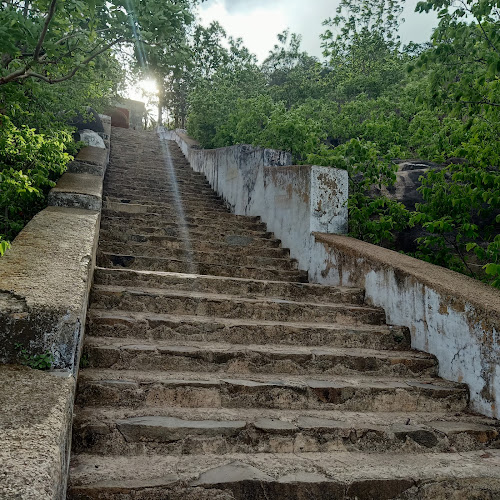
Brahmayoni Hill
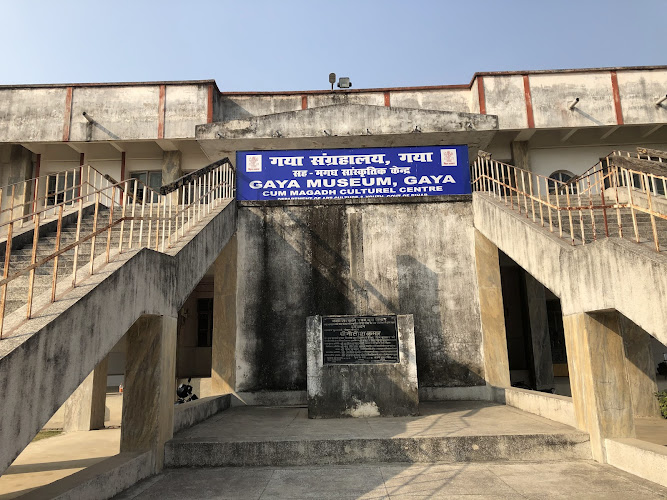
Gaya Museum

Shri Vishnupad Temple, Gaya Ji
Find Accommodations Nearby
Recommended Tours & Activities
Visitor Reviews
There are no reviews yet. Be the first one to write one.
Share Your Experience
Have you visited Gayajipurohit? Help other travelers by leaving a review.