
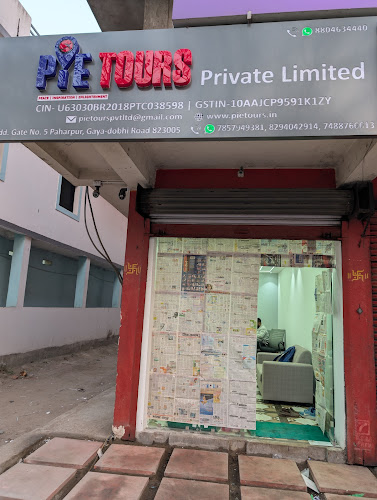
PIE TOURS | Pind Daan Gaya JI | Buddhist Circuit | Jain Circuit | Cab Booking| GAYA and Bodhgaya
About PIE TOURS | Pind Daan Gaya JI | Buddhist Circuit | Jain Circuit | Cab Booking| GAYA and Bodhgaya
Description
PIE TOURS has carved out a remarkable niche in one of India's most spiritually significant regions, serving travelers who come to Gaya and Bodhgaya for purposes that go far beyond typical sightseeing. This isn't your run-of-the-mill tour agency that just shuffles tourists from one monument to another. They've really understood what brings people to this ancient land—whether it's performing the sacred Pind Daan rituals at Gaya Ji, walking in Buddha's footsteps, exploring Jain heritage sites, or simply needing reliable transportation in an area where logistics can get tricky. I've always believed that the best tour operators are those who actually get why someone travels thousands of miles to a particular destination. And PIE TOURS seems to have figured this out. They're handling everything from the deeply personal and religious ceremonies to large-scale event management and wedding planning. That's quite a range, honestly. But it makes sense when you think about it—families often combine pilgrimage trips with significant life events, and having one agency that understands both the spiritual and practical aspects is invaluable. The company operates as a comprehensive solution provider for visitors to the Gaya-Bodhgaya region. They've positioned themselves at the intersection of spiritual tourism, cultural exploration, and practical travel services. What sets them apart is their specialization in Pind Daan services—the Hindu ritual performed for deceased ancestors at Gaya, which is considered one of the most auspicious places in India for this ceremony. Many agencies offer tours, but few understand the nuances and emotional weight of these rituals the way a specialized operator does. Their Buddhist Circuit tours take travelers through the significant sites where Gautama Buddha attained enlightenment, taught his first sermon, and spent much of his monastic life. The Jain Circuit services cater to followers tracing important Jain pilgrimage sites in Bihar. But they've also diversified into wedding planning and event management, recognizing that this region attracts people during major life transitions and celebrations. The cab booking service deserves special mention because anyone who's traveled in Bihar knows that reliable transportation isn't something you take for granted. Having a trustworthy vehicle with a knowledgeable driver who understands both the routes and the significance of various sites makes an enormous difference to your entire experience. They also offer minibus services for larger groups, which is perfect for family pilgrimages or organized tours.Key Features
The range of services PIE TOURS provides really shows they've thought about what travelers actually need in this region:- Specialized Pind Daan Assistance: They guide families through the complete ritual process at Gaya Ji, helping with the traditional ceremonies, connecting you with qualified priests, and ensuring all aspects of this important rite are performed correctly according to your family traditions.
- Buddhist Circuit Tours: Comprehensive guided experiences covering Bodhgaya's Mahabodhi Temple, Rajgir, Nalanda, Vaishali, and other significant Buddhist sites with knowledgeable guides who understand the historical and spiritual context.
- Jain Circuit Packages: Tailored itineraries for Jain pilgrims visiting important Tirthas and sites associated with Mahavira and other Tirthankaras in the Bihar region.
- Flexible Transportation Options: From individual cab bookings to minibus services for groups, providing clean, well-maintained vehicles with experienced drivers familiar with local roads and pilgrimage sites.
- Event Management Services: Full-scale planning and execution for weddings, religious ceremonies, corporate events, and family gatherings in the Gaya-Bodhgaya area.
- Modern Payment Systems: They accept NFC mobile payments, which is surprisingly forward-thinking for this region and makes transactions much simpler for international visitors who might not want to carry large amounts of cash.
- Tourist Information Support: Acting as a genuine information center for visitors who need guidance on local customs, timing for rituals, accommodation options, and navigating the sometimes overwhelming religious sites.
- Outdoor Activity Organization: Beyond religious tourism, they arrange exploration of the region's natural and historical attractions for those who want a more varied experience.
- Multi-Purpose Service Approach: Their ability to combine pilgrimage services with practical travel needs means you're dealing with one point of contact rather than coordinating multiple vendors.
Best Time to Visit
Timing your visit to Gaya and Bodhgaya depends heavily on what brings you here and, let me tell you, the weather can make or break your experience in this part of Bihar. The absolute best months for visiting are October through March. During these months, temperatures are bearable—ranging from around 10°C at night in December-January to pleasant 25-30°C during the day. This is when most international tourists arrive for the Buddhist Circuit, and it's genuinely comfortable for the outdoor walking and site exploration you'll be doing. But here's the thing—if you're coming specifically for Pind Daan, your timing might be dictated by religious calendars and family considerations rather than weather preferences. Many families perform these rituals during Pitru Paksha (the fortnight dedicated to ancestors, usually falling in September-October). During this period, Gaya sees an enormous influx of pilgrims, and the atmosphere is incredibly charged with devotion. However, this can also mean crowded ghats and longer wait times for rituals. The monsoon season from July to September brings heavy rainfall to the region. Roads can become difficult, and outdoor activities get disrupted. I wouldn't recommend this period unless you have specific religious reasons for visiting during these months. The humidity combined with rain makes everything quite challenging. Summer months from April to June are brutally hot, with temperatures often exceeding 40°C. If you absolutely must visit during this time, plan all your outdoor activities for early morning or late evening. The heat during midday is no joke and can lead to serious discomfort or health issues. Winter months, particularly December and January, offer the bonus of various Buddhist festivals and teachings by visiting lamas at Bodhgaya. The town takes on an international character with practitioners from Tibet, Thailand, Japan, and other Buddhist countries gathering for teachings and meditation courses.How to Get There
Getting to Gaya and Bodhgaya has become considerably easier over the years, though it still requires some planning. Gaya Airport, officially known as Gaya International Airport, is your closest air connection, located about 12 kilometers from Gaya city and roughly 17 kilometers from Bodhgaya. The airport has improved significantly and now receives both domestic and some international flights, particularly from Buddhist-majority countries during the peak pilgrimage season. Airlines like IndiGo, Air India, and SpiceJet operate regular flights from major Indian cities including Delhi, Kolkata, Mumbai, and Varanasi. From the airport, PIE TOURS and similar services can arrange pickups—this is definitely something to arrange in advance rather than trying to negotiate with random taxis at the airport. Gaya Junction railway station is actually the more popular option for domestic travelers. It's a major railway hub with excellent connectivity to Delhi, Kolkata, Varanasi, Patna, and other significant cities. Trains like the Mahabodhi Express and several others run regularly. The railway station can be chaotic, so having a prearranged pickup makes your arrival much smoother. The drive from Gaya station to Bodhgaya takes about 30-45 minutes depending on traffic. Road travel is another option if you're coming from nearby cities. Patna is about 110 kilometers away (roughly 3 hours by road), and Varanasi is around 250 kilometers (5-6 hours). The roads have improved, though they're still Indian highways with their particular character—meaning you'll share space with everything from speeding buses to wandering cattle. For those combining this with a larger India tour, many travelers come from Varanasi or include Gaya-Bodhgaya as part of an extended Buddhist Circuit that might also include Sarnath, Kushinagar, and Lumbini in Nepal. Once you're in the region, having a reliable car service becomes essential. The distance between Gaya and Bodhgaya is only about 13 kilometers, but you'll likely be making multiple trips between various sites, and local transportation can be unpredictable. This is where booking with an established operator like PIE TOURS makes practical sense—they know the routes, the parking situations at various temples, and can adjust timing based on crowd conditions.Tips for Visiting
Let me share some practical wisdom that'll make your trip to this region much more manageable and meaningful. First thing—dress modestly and appropriately. You're visiting deeply sacred sites for multiple religions, and respectful clothing isn't just about following rules, it's about showing understanding of the places you're privileged to visit. For temple visits, you'll need to remove shoes frequently, so wear footwear that's easy to slip on and off. Socks are a good idea for walking on hot stone surfaces during afternoon visits. If you're coming for Pind Daan, connect with your tour operator well in advance to understand the complete process, costs, and what you need to bring. There are specific items required for the rituals, and while everything is available locally, knowing beforehand prevents last-minute confusion. Also, be prepared for priests and various helpers who'll expect donations—it's part of the system. Having smaller denomination notes makes this easier. The Mahabodhi Temple complex in Bodhgaya requires going through security, and they're quite strict about what you can bring inside. Large bags aren't allowed, and photography rules vary in different sections. Go early morning if possible—the atmosphere at sunrise is extraordinary, and it's much less crowded. Bargaining is expected in local markets and with unofficial guides, but do it respectfully. The local economy depends significantly on tourism, and while you shouldn't be overcharged, remember that small amounts that seem negligible to you might be significant to local vendors. Food and water safety matters here. Stick to bottled water, and be cautious with street food unless you have a strong stomach or local recommendations. Most hotels and guesthouses in Bodhgaya cater to international visitors and serve safe, clean food. The local Bihari cuisine is worth trying—litti chokha is delicious—but choose your restaurant carefully. Learn a few basic Hindi phrases if you don't speak the language. While many people in the tourism industry speak some English, showing effort to communicate in the local language is always appreciated. "Namaste," "dhanyavaad" (thank you), and "kitna paisa?" (how much money?) will serve you well. Be aware of your surroundings and keep valuables secure. Gaya and Bodhgaya aren't particularly dangerous, but like any pilgrimage destination that sees large crowds, pickpocketing can occur. Use hotel safes for passports and excess cash. For photography enthusiasts, the golden hours around sunrise and sunset provide stunning light at the temples and ghats. But always ask permission before photographing people, especially during religious ceremonies. Some moments are too personal and sacred to capture, and respecting that boundary is important. If you're interested in deeper Buddhist study or meditation, several monasteries and centers in Bodhgaya offer courses, especially during winter months. These need advance booking but provide genuine immersion into Buddhist practice beyond just tourism. Finally, and this might sound odd, but allow yourself time to just sit and absorb the atmosphere. These aren't places to rush through checking boxes on an itinerary. Whether you're here for ancestral rituals, spiritual seeking, or historical interest, the energy of these ancient sacred sites reveals itself when you slow down and pay attention. That's when you'll understand why people have been making these journeys for thousands of years. Working with an experienced operator who understands both the logistical and spiritual dimensions of visiting this region removes a lot of stress and lets you focus on why you came in the first place. That peace of mind is worth its weight in gold when you're far from home, navigating unfamiliar customs, and participating in some of life's most meaningful moments.Key Features
- Key Features
- Best Time to Visit
- How to Get There
- Tips for Visiting
More Details
Updated March 30, 2026
Table of Contents
- Description
- Key Features
- Best Time to Visit
- How to Get There
- Tips for Visiting
- Key Highlights
- Location
- Places to Stay Near PIE TOURS | Pind Daan Gaya JI | Buddhist Circuit | Jain Circuit | Cab Booking| GAYA and Bodhgaya
- Find and Book a Tour
- Explore More Travel Guides
- Nearby Places You Might Like
- Traveler Reviews for PIE TOURS | Pind Daan Gaya JI | Buddhist Circuit | Jain Circuit | Cab Booking| GAYA and Bodhgaya
- Share Your Experience
Description
PIE TOURS has carved out a remarkable niche in one of India’s most spiritually significant regions, serving travelers who come to Gaya and Bodhgaya for purposes that go far beyond typical sightseeing. This isn’t your run-of-the-mill tour agency that just shuffles tourists from one monument to another. They’ve really understood what brings people to this ancient land—whether it’s performing the sacred Pind Daan rituals at Gaya Ji, walking in Buddha’s footsteps, exploring Jain heritage sites, or simply needing reliable transportation in an area where logistics can get tricky.
I’ve always believed that the best tour operators are those who actually get why someone travels thousands of miles to a particular destination. And PIE TOURS seems to have figured this out. They’re handling everything from the deeply personal and religious ceremonies to large-scale event management and wedding planning. That’s quite a range, honestly. But it makes sense when you think about it—families often combine pilgrimage trips with significant life events, and having one agency that understands both the spiritual and practical aspects is invaluable.
The company operates as a comprehensive solution provider for visitors to the Gaya-Bodhgaya region. They’ve positioned themselves at the intersection of spiritual tourism, cultural exploration, and practical travel services. What sets them apart is their specialization in Pind Daan services—the Hindu ritual performed for deceased ancestors at Gaya, which is considered one of the most auspicious places in India for this ceremony. Many agencies offer tours, but few understand the nuances and emotional weight of these rituals the way a specialized operator does.
Their Buddhist Circuit tours take travelers through the significant sites where Gautama Buddha attained enlightenment, taught his first sermon, and spent much of his monastic life. The Jain Circuit services cater to followers tracing important Jain pilgrimage sites in Bihar. But they’ve also diversified into wedding planning and event management, recognizing that this region attracts people during major life transitions and celebrations.
The cab booking service deserves special mention because anyone who’s traveled in Bihar knows that reliable transportation isn’t something you take for granted. Having a trustworthy vehicle with a knowledgeable driver who understands both the routes and the significance of various sites makes an enormous difference to your entire experience. They also offer minibus services for larger groups, which is perfect for family pilgrimages or organized tours.
Key Features
The range of services PIE TOURS provides really shows they’ve thought about what travelers actually need in this region:
- Specialized Pind Daan Assistance: They guide families through the complete ritual process at Gaya Ji, helping with the traditional ceremonies, connecting you with qualified priests, and ensuring all aspects of this important rite are performed correctly according to your family traditions.
- Buddhist Circuit Tours: Comprehensive guided experiences covering Bodhgaya’s Mahabodhi Temple, Rajgir, Nalanda, Vaishali, and other significant Buddhist sites with knowledgeable guides who understand the historical and spiritual context.
- Jain Circuit Packages: Tailored itineraries for Jain pilgrims visiting important Tirthas and sites associated with Mahavira and other Tirthankaras in the Bihar region.
- Flexible Transportation Options: From individual cab bookings to minibus services for groups, providing clean, well-maintained vehicles with experienced drivers familiar with local roads and pilgrimage sites.
- Event Management Services: Full-scale planning and execution for weddings, religious ceremonies, corporate events, and family gatherings in the Gaya-Bodhgaya area.
- Modern Payment Systems: They accept NFC mobile payments, which is surprisingly forward-thinking for this region and makes transactions much simpler for international visitors who might not want to carry large amounts of cash.
- Tourist Information Support: Acting as a genuine information center for visitors who need guidance on local customs, timing for rituals, accommodation options, and navigating the sometimes overwhelming religious sites.
- Outdoor Activity Organization: Beyond religious tourism, they arrange exploration of the region’s natural and historical attractions for those who want a more varied experience.
- Multi-Purpose Service Approach: Their ability to combine pilgrimage services with practical travel needs means you’re dealing with one point of contact rather than coordinating multiple vendors.
Best Time to Visit
Timing your visit to Gaya and Bodhgaya depends heavily on what brings you here and, let me tell you, the weather can make or break your experience in this part of Bihar.
The absolute best months for visiting are October through March. During these months, temperatures are bearable—ranging from around 10°C at night in December-January to pleasant 25-30°C during the day. This is when most international tourists arrive for the Buddhist Circuit, and it’s genuinely comfortable for the outdoor walking and site exploration you’ll be doing.
But here’s the thing—if you’re coming specifically for Pind Daan, your timing might be dictated by religious calendars and family considerations rather than weather preferences. Many families perform these rituals during Pitru Paksha (the fortnight dedicated to ancestors, usually falling in September-October). During this period, Gaya sees an enormous influx of pilgrims, and the atmosphere is incredibly charged with devotion. However, this can also mean crowded ghats and longer wait times for rituals.
The monsoon season from July to September brings heavy rainfall to the region. Roads can become difficult, and outdoor activities get disrupted. I wouldn’t recommend this period unless you have specific religious reasons for visiting during these months. The humidity combined with rain makes everything quite challenging.
Summer months from April to June are brutally hot, with temperatures often exceeding 40°C. If you absolutely must visit during this time, plan all your outdoor activities for early morning or late evening. The heat during midday is no joke and can lead to serious discomfort or health issues.
Winter months, particularly December and January, offer the bonus of various Buddhist festivals and teachings by visiting lamas at Bodhgaya. The town takes on an international character with practitioners from Tibet, Thailand, Japan, and other Buddhist countries gathering for teachings and meditation courses.
How to Get There
Getting to Gaya and Bodhgaya has become considerably easier over the years, though it still requires some planning.
Gaya Airport, officially known as Gaya International Airport, is your closest air connection, located about 12 kilometers from Gaya city and roughly 17 kilometers from Bodhgaya. The airport has improved significantly and now receives both domestic and some international flights, particularly from Buddhist-majority countries during the peak pilgrimage season. Airlines like IndiGo, Air India, and SpiceJet operate regular flights from major Indian cities including Delhi, Kolkata, Mumbai, and Varanasi. From the airport, PIE TOURS and similar services can arrange pickups—this is definitely something to arrange in advance rather than trying to negotiate with random taxis at the airport.
Gaya Junction railway station is actually the more popular option for domestic travelers. It’s a major railway hub with excellent connectivity to Delhi, Kolkata, Varanasi, Patna, and other significant cities. Trains like the Mahabodhi Express and several others run regularly. The railway station can be chaotic, so having a prearranged pickup makes your arrival much smoother. The drive from Gaya station to Bodhgaya takes about 30-45 minutes depending on traffic.
Road travel is another option if you’re coming from nearby cities. Patna is about 110 kilometers away (roughly 3 hours by road), and Varanasi is around 250 kilometers (5-6 hours). The roads have improved, though they’re still Indian highways with their particular character—meaning you’ll share space with everything from speeding buses to wandering cattle.
For those combining this with a larger India tour, many travelers come from Varanasi or include Gaya-Bodhgaya as part of an extended Buddhist Circuit that might also include Sarnath, Kushinagar, and Lumbini in Nepal.
Once you’re in the region, having a reliable car service becomes essential. The distance between Gaya and Bodhgaya is only about 13 kilometers, but you’ll likely be making multiple trips between various sites, and local transportation can be unpredictable. This is where booking with an established operator like PIE TOURS makes practical sense—they know the routes, the parking situations at various temples, and can adjust timing based on crowd conditions.
Tips for Visiting
Let me share some practical wisdom that’ll make your trip to this region much more manageable and meaningful.
First thing—dress modestly and appropriately. You’re visiting deeply sacred sites for multiple religions, and respectful clothing isn’t just about following rules, it’s about showing understanding of the places you’re privileged to visit. For temple visits, you’ll need to remove shoes frequently, so wear footwear that’s easy to slip on and off. Socks are a good idea for walking on hot stone surfaces during afternoon visits.
If you’re coming for Pind Daan, connect with your tour operator well in advance to understand the complete process, costs, and what you need to bring. There are specific items required for the rituals, and while everything is available locally, knowing beforehand prevents last-minute confusion. Also, be prepared for priests and various helpers who’ll expect donations—it’s part of the system. Having smaller denomination notes makes this easier.
The Mahabodhi Temple complex in Bodhgaya requires going through security, and they’re quite strict about what you can bring inside. Large bags aren’t allowed, and photography rules vary in different sections. Go early morning if possible—the atmosphere at sunrise is extraordinary, and it’s much less crowded.
Bargaining is expected in local markets and with unofficial guides, but do it respectfully. The local economy depends significantly on tourism, and while you shouldn’t be overcharged, remember that small amounts that seem negligible to you might be significant to local vendors.
Food and water safety matters here. Stick to bottled water, and be cautious with street food unless you have a strong stomach or local recommendations. Most hotels and guesthouses in Bodhgaya cater to international visitors and serve safe, clean food. The local Bihari cuisine is worth trying—litti chokha is delicious—but choose your restaurant carefully.
Learn a few basic Hindi phrases if you don’t speak the language. While many people in the tourism industry speak some English, showing effort to communicate in the local language is always appreciated. “Namaste,” “dhanyavaad” (thank you), and “kitna paisa?” (how much money?) will serve you well.
Be aware of your surroundings and keep valuables secure. Gaya and Bodhgaya aren’t particularly dangerous, but like any pilgrimage destination that sees large crowds, pickpocketing can occur. Use hotel safes for passports and excess cash.
For photography enthusiasts, the golden hours around sunrise and sunset provide stunning light at the temples and ghats. But always ask permission before photographing people, especially during religious ceremonies. Some moments are too personal and sacred to capture, and respecting that boundary is important.
If you’re interested in deeper Buddhist study or meditation, several monasteries and centers in Bodhgaya offer courses, especially during winter months. These need advance booking but provide genuine immersion into Buddhist practice beyond just tourism.
Finally, and this might sound odd, but allow yourself time to just sit and absorb the atmosphere. These aren’t places to rush through checking boxes on an itinerary. Whether you’re here for ancestral rituals, spiritual seeking, or historical interest, the energy of these ancient sacred sites reveals itself when you slow down and pay attention. That’s when you’ll understand why people have been making these journeys for thousands of years.
Working with an experienced operator who understands both the logistical and spiritual dimensions of visiting this region removes a lot of stress and lets you focus on why you came in the first place. That peace of mind is worth its weight in gold when you’re far from home, navigating unfamiliar customs, and participating in some of life’s most meaningful moments.
Key Highlights
- Key Features
- Best Time to Visit
- How to Get There
- Tips for Visiting
Location
Places to Stay Near PIE TOURS | Pind Daan Gaya JI | Buddhist Circuit | Jain Circuit | Cab Booking| GAYA and Bodhgaya
Find and Book a Tour
Explore More Travel Guides
No reviews found! Be the first to review!
PIE TOURS | Pind Daan Gaya JI | Buddhist Circuit | Jain Circuit | Cab Booking| GAYA and Bodhgaya is a prominent Tour agency located in Gaya.
Visit us at: Registered Address- Ander Bairagi Back of K.V No.1, Bihar 823002, India.
Traveler Reviews for PIE TOURS | Pind Daan Gaya JI | Buddhist Circuit | Jain Circuit | Cab Booking| GAYA and Bodhgaya
There are no reviews yet. Be the first one to write one.
Have you visited PIE TOURS | Pind Daan Gaya JI | Buddhist Circuit | Jain Circuit | Cab Booking| GAYA and Bodhgaya? Help other travelers by sharing your review.
You Might Also Like

Bharat Sevashram Sangha - Gaya

Kamakhya Devi Shakti Peeth Mandir

Pind Daan Gaya ji
Find Accommodations Nearby
Recommended Tours & Activities
Visitor Reviews
There are no reviews yet. Be the first one to write one.
Share Your Experience
Have you visited PIE TOURS | Pind Daan Gaya JI | Buddhist Circuit | Jain Circuit | Cab Booking| GAYA and Bodhgaya? Help other travelers by leaving a review.