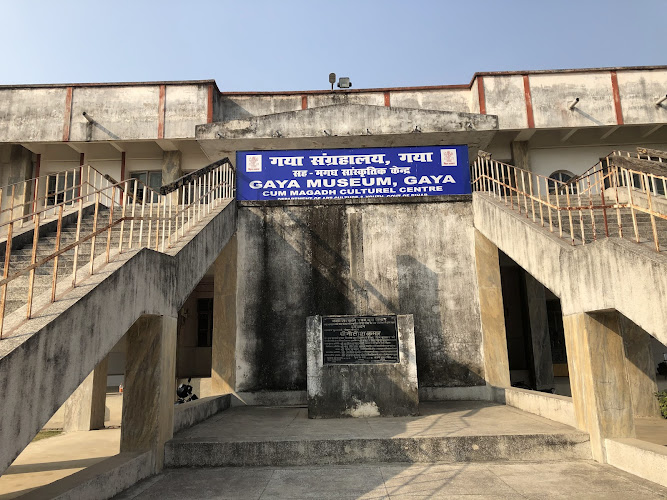
Gaya Museum
About Gaya Museum
Description
The Gaya Museum offers travelers an intimate look into the rich cultural and historical tapestry of one of Bihar's most spiritually significant cities. Unlike those massive museums where you end up with sore feet and information overload, this compact institution focuses on quality over quantity. The museum houses a carefully curated collection of historical artifacts that tell the story of Gaya's evolution through centuries of religious pilgrimage, cultural exchange, and regional development. Walking through the museum, visitors encounter pieces that span different eras of Gaya's past. The collection includes sculptures, archaeological finds, and artwork that reflect both the Buddhist heritage and Hindu traditions that have shaped this ancient city. What makes this museum particularly appealing for travelers is its manageable size - you can absorb everything in a couple of hours without feeling rushed or overwhelmed. I've always believed that smaller museums have a charm that larger institutions sometimes lack. There's something refreshing about being able to actually read every placard and examine artifacts without getting lost in endless corridors. The Gaya Museum exemplifies this approach, providing context and depth rather than simply throwing countless objects at visitors. The museum occasionally hosts live performances that bring cultural traditions to life, which adds an unexpected dimension to what might otherwise be a static experience. These performances offer travelers a chance to connect with local artistic traditions in ways that mere display cases never could.Key Features
- Compact collection of historical artifacts spanning multiple periods of Gaya's development
- Buddhist and Hindu sculptures reflecting the region's dual religious significance
- Archaeological finds from excavations around the Gaya region
- Traditional artwork showcasing local artistic techniques and styles
- Occasional live cultural performances that demonstrate regional performing arts
- Wheelchair accessible throughout, including entrance, parking area, and restroom facilities
- On-site restaurant for convenient dining during your visit
- Free parking available for visitors arriving by private vehicle
- Family-friendly environment suitable for children
- Informative displays that provide historical context for exhibited items
- Clean, well-maintained restroom facilities
- Air-conditioned exhibition spaces offering respite from Bihar's heat
Best Time to Visit
Timing your visit to the Gaya Museum requires consideration of both weather patterns and tourist seasons in this pilgrimage city. The ideal window falls between October and March when temperatures are considerably more pleasant. Bihar's summer months, particularly April through June, can be brutally hot with temperatures regularly exceeding 40°C (104°F). Trust me, trying to appreciate historical artifacts while sweating profusely isn't exactly the cultural experience most travelers seek. Winter months from November to February offer the most comfortable conditions. Mornings and late afternoons are particularly pleasant during this season. The museum typically experiences fewer crowds on weekdays, especially Tuesday through Thursday. Weekends and holidays see increased local visitor numbers since families often visit museums as part of educational outings. If you're planning your trip around major festivals, keep in mind that Gaya becomes exceptionally crowded during Pitru Paksha, a 15-day period when thousands of pilgrims arrive to perform ancestral rituals. While this creates fascinating cultural atmosphere in the city, the museum and surrounding areas become quite busy. Some travelers might find this energy exciting, while others prefer quieter contemplation of historical artifacts. Monsoon season from July through September brings relief from heat but also humidity and occasional heavy downpours. The museum's indoor nature makes it a decent rainy day activity, actually. But getting around Gaya during heavy rains can be challenging due to waterlogged streets. For the best experience, arrive at the museum shortly after opening hours. Early visits mean fewer crowds and fresher energy for absorbing information. Plus, you'll have better opportunities to interact with staff members who can provide additional insights about the collection.How to Get There
Reaching the Gaya Museum is relatively straightforward, though like many things in Bihar, it requires some patience and flexibility. Gaya itself is well-connected to major Indian cities through multiple transportation modes. By air, Gaya Airport serves both domestic and international flights, particularly during pilgrimage seasons. The airport is approximately 5-7 kilometers from the city center where the museum is located. Taxis and auto-rickshaws are readily available from the airport. Negotiate fares beforehand or insist on using the meter - this is India, after all, and agreeing on prices upfront saves awkward conversations later. Gaya Junction railway station connects the city to Delhi, Kolkata, Varanasi, and numerous other destinations. It's one of the busiest stations in Bihar due to religious tourism. From the railway station, the museum is accessible via local transportation including auto-rickshaws, cycle rickshaws, and taxis. The journey typically takes 15-20 minutes depending on traffic conditions. Road connectivity is decent with national highways linking Gaya to surrounding cities. Buses operate regularly from Patna (about 100 kilometers away), Varanasi, and other regional hubs. Private vehicles can easily reach the museum, and the free parking lot is a genuine convenience that shouldn't be underestimated in Indian cities where parking is often a nightmare. Within Gaya, local transportation options are plentiful. Auto-rickshaws are the most popular choice for short distances. App-based cab services have limited presence compared to major metros, so you'll likely rely on traditional transportation methods. Many travelers find this adds to the authentic experience of visiting a tier-2 Indian city. If you're staying near the Mahabodhi Temple or other central locations, the museum might be within walking distance depending on your accommodation. However, Bihar's heat during most months makes walking longer distances uncomfortable.Tips for Visiting
Plan to spend approximately 1.5 to 2 hours at the museum for a thorough visit. This allows time to examine exhibits carefully without rushing. Arriving early in the day helps you avoid afternoon heat and crowds. Photography policies should be confirmed upon arrival. Many Indian museums restrict photography or charge additional fees for cameras. Asking upfront prevents awkward situations later when security might ask you to delete photos. The on-site restaurant provides convenient dining options, which is particularly helpful since the museum's location might not be surrounded by numerous eateries. However, don't expect gourmet cuisine - think basic, functional meals that fill stomachs rather than inspire culinary memories. Dress modestly as you would when visiting any cultural institution in India. While the museum isn't a religious site, respectful attire is always appreciated. Comfortable walking shoes are essential even though the museum isn't large, because you'll likely be exploring other Gaya attractions the same day. Accessibility features make this museum particularly welcoming for visitors with mobility challenges. The wheelchair accessible entrance, parking, and restrooms demonstrate thoughtful planning that isn't always present at Indian heritage sites. Families traveling with elderly members or differently-abled individuals can visit with confidence. If you're traveling with children, the museum's manageable size works in your favor. Kids won't get as restless as they might in larger institutions. The occasional live performances particularly engage younger visitors who might otherwise find historical artifacts boring. Hiring a local guide can significantly enhance your experience. While exhibits have informational placards, knowledgeable guides provide context and stories that bring artifacts to life. Guides can be arranged through your hotel or sometimes at the museum itself. Keep expectations realistic. This isn't the National Museum in Delhi or the British Museum in London. It's a regional museum with modest resources doing important work preserving local heritage. Approaching it with this mindset prevents disappointment and allows appreciation for what it does offer. Combine your museum visit with other Gaya attractions like the Vishnupad Temple or Mahabodhi Temple to create a full day of cultural exploration. The museum provides helpful historical context that enriches understanding of the city's religious significance. Carry water, especially during warmer months. While the museum has restrooms and likely water facilities, staying hydrated when touring in Bihar's climate is essential. Small bills and change are useful for tips, small purchases, and transportation. Actually take time to read the descriptions accompanying artifacts. I know this sounds obvious, but so many travelers rush through museums snapping photos without absorbing information. The stories behind objects often prove more fascinating than the objects themselves.Key Features
- Compact collection of historical artifacts spanning multiple periods of Gaya's development
- Buddhist and Hindu sculptures reflecting the region's dual religious significance
- Archaeological finds from excavations around the Gaya region
- Traditional artwork showcasing local artistic techniques and styles
- Occasional live cultural performances that demonstrate regional performing arts
- Wheelchair accessible throughout, including entrance, parking area, and restroom facilities
- On-site restaurant for convenient dining during your visit
- Free parking available for visitors arriving by private vehicle
More Details
Updated March 30, 2026
Table of Contents
Description
The Gaya Museum offers travelers an intimate look into the rich cultural and historical tapestry of one of Bihar’s most spiritually significant cities. Unlike those massive museums where you end up with sore feet and information overload, this compact institution focuses on quality over quantity. The museum houses a carefully curated collection of historical artifacts that tell the story of Gaya’s evolution through centuries of religious pilgrimage, cultural exchange, and regional development.
Walking through the museum, visitors encounter pieces that span different eras of Gaya’s past. The collection includes sculptures, archaeological finds, and artwork that reflect both the Buddhist heritage and Hindu traditions that have shaped this ancient city. What makes this museum particularly appealing for travelers is its manageable size – you can absorb everything in a couple of hours without feeling rushed or overwhelmed.
I’ve always believed that smaller museums have a charm that larger institutions sometimes lack. There’s something refreshing about being able to actually read every placard and examine artifacts without getting lost in endless corridors. The Gaya Museum exemplifies this approach, providing context and depth rather than simply throwing countless objects at visitors.
The museum occasionally hosts live performances that bring cultural traditions to life, which adds an unexpected dimension to what might otherwise be a static experience. These performances offer travelers a chance to connect with local artistic traditions in ways that mere display cases never could.
Key Features
- Compact collection of historical artifacts spanning multiple periods of Gaya’s development
- Buddhist and Hindu sculptures reflecting the region’s dual religious significance
- Archaeological finds from excavations around the Gaya region
- Traditional artwork showcasing local artistic techniques and styles
- Occasional live cultural performances that demonstrate regional performing arts
- Wheelchair accessible throughout, including entrance, parking area, and restroom facilities
- On-site restaurant for convenient dining during your visit
- Free parking available for visitors arriving by private vehicle
- Family-friendly environment suitable for children
- Informative displays that provide historical context for exhibited items
- Clean, well-maintained restroom facilities
- Air-conditioned exhibition spaces offering respite from Bihar’s heat
Best Time to Visit
Timing your visit to the Gaya Museum requires consideration of both weather patterns and tourist seasons in this pilgrimage city. The ideal window falls between October and March when temperatures are considerably more pleasant. Bihar’s summer months, particularly April through June, can be brutally hot with temperatures regularly exceeding 40°C (104°F). Trust me, trying to appreciate historical artifacts while sweating profusely isn’t exactly the cultural experience most travelers seek.
Winter months from November to February offer the most comfortable conditions. Mornings and late afternoons are particularly pleasant during this season. The museum typically experiences fewer crowds on weekdays, especially Tuesday through Thursday. Weekends and holidays see increased local visitor numbers since families often visit museums as part of educational outings.
If you’re planning your trip around major festivals, keep in mind that Gaya becomes exceptionally crowded during Pitru Paksha, a 15-day period when thousands of pilgrims arrive to perform ancestral rituals. While this creates fascinating cultural atmosphere in the city, the museum and surrounding areas become quite busy. Some travelers might find this energy exciting, while others prefer quieter contemplation of historical artifacts.
Monsoon season from July through September brings relief from heat but also humidity and occasional heavy downpours. The museum’s indoor nature makes it a decent rainy day activity, actually. But getting around Gaya during heavy rains can be challenging due to waterlogged streets.
For the best experience, arrive at the museum shortly after opening hours. Early visits mean fewer crowds and fresher energy for absorbing information. Plus, you’ll have better opportunities to interact with staff members who can provide additional insights about the collection.
How to Get There
Reaching the Gaya Museum is relatively straightforward, though like many things in Bihar, it requires some patience and flexibility. Gaya itself is well-connected to major Indian cities through multiple transportation modes.
By air, Gaya Airport serves both domestic and international flights, particularly during pilgrimage seasons. The airport is approximately 5-7 kilometers from the city center where the museum is located. Taxis and auto-rickshaws are readily available from the airport. Negotiate fares beforehand or insist on using the meter – this is India, after all, and agreeing on prices upfront saves awkward conversations later.
Gaya Junction railway station connects the city to Delhi, Kolkata, Varanasi, and numerous other destinations. It’s one of the busiest stations in Bihar due to religious tourism. From the railway station, the museum is accessible via local transportation including auto-rickshaws, cycle rickshaws, and taxis. The journey typically takes 15-20 minutes depending on traffic conditions.
Road connectivity is decent with national highways linking Gaya to surrounding cities. Buses operate regularly from Patna (about 100 kilometers away), Varanasi, and other regional hubs. Private vehicles can easily reach the museum, and the free parking lot is a genuine convenience that shouldn’t be underestimated in Indian cities where parking is often a nightmare.
Within Gaya, local transportation options are plentiful. Auto-rickshaws are the most popular choice for short distances. App-based cab services have limited presence compared to major metros, so you’ll likely rely on traditional transportation methods. Many travelers find this adds to the authentic experience of visiting a tier-2 Indian city.
If you’re staying near the Mahabodhi Temple or other central locations, the museum might be within walking distance depending on your accommodation. However, Bihar’s heat during most months makes walking longer distances uncomfortable.
Tips for Visiting
Plan to spend approximately 1.5 to 2 hours at the museum for a thorough visit. This allows time to examine exhibits carefully without rushing. Arriving early in the day helps you avoid afternoon heat and crowds.
Photography policies should be confirmed upon arrival. Many Indian museums restrict photography or charge additional fees for cameras. Asking upfront prevents awkward situations later when security might ask you to delete photos.
The on-site restaurant provides convenient dining options, which is particularly helpful since the museum’s location might not be surrounded by numerous eateries. However, don’t expect gourmet cuisine – think basic, functional meals that fill stomachs rather than inspire culinary memories.
Dress modestly as you would when visiting any cultural institution in India. While the museum isn’t a religious site, respectful attire is always appreciated. Comfortable walking shoes are essential even though the museum isn’t large, because you’ll likely be exploring other Gaya attractions the same day.
Accessibility features make this museum particularly welcoming for visitors with mobility challenges. The wheelchair accessible entrance, parking, and restrooms demonstrate thoughtful planning that isn’t always present at Indian heritage sites. Families traveling with elderly members or differently-abled individuals can visit with confidence.
If you’re traveling with children, the museum’s manageable size works in your favor. Kids won’t get as restless as they might in larger institutions. The occasional live performances particularly engage younger visitors who might otherwise find historical artifacts boring.
Hiring a local guide can significantly enhance your experience. While exhibits have informational placards, knowledgeable guides provide context and stories that bring artifacts to life. Guides can be arranged through your hotel or sometimes at the museum itself.
Keep expectations realistic. This isn’t the National Museum in Delhi or the British Museum in London. It’s a regional museum with modest resources doing important work preserving local heritage. Approaching it with this mindset prevents disappointment and allows appreciation for what it does offer.
Combine your museum visit with other Gaya attractions like the Vishnupad Temple or Mahabodhi Temple to create a full day of cultural exploration. The museum provides helpful historical context that enriches understanding of the city’s religious significance.
Carry water, especially during warmer months. While the museum has restrooms and likely water facilities, staying hydrated when touring in Bihar’s climate is essential. Small bills and change are useful for tips, small purchases, and transportation.
Actually take time to read the descriptions accompanying artifacts. I know this sounds obvious, but so many travelers rush through museums snapping photos without absorbing information. The stories behind objects often prove more fascinating than the objects themselves.

Key Highlights
- Compact collection of historical artifacts spanning multiple periods of Gaya's development
- Buddhist and Hindu sculptures reflecting the region's dual religious significance
- Archaeological finds from excavations around the Gaya region
- Traditional artwork showcasing local artistic techniques and styles
- Occasional live cultural performances that demonstrate regional performing arts
- Wheelchair accessible throughout, including entrance, parking area, and restroom facilities
- On-site restaurant for convenient dining during your visit
- Free parking available for visitors arriving by private vehicle
Location
Places to Stay Near Gaya Museum
Find and Book a Tour
Explore More Travel Guides
No reviews found! Be the first to review!
Gaya Museum is a prominent museums located in Gaya.
Visit us at: QXPW+P6G, Jail Rd, Jaiprakash Nagar, Gaya, Bihar 823001, India.
Traveler Reviews for Gaya Museum
There are no reviews yet. Be the first one to write one.
Have you visited Gaya Museum? Help other travelers by sharing your review.
Find Accommodations Nearby
Recommended Tours & Activities
Visitor Reviews
There are no reviews yet. Be the first one to write one.
Share Your Experience
Have you visited Gaya Museum? Help other travelers by leaving a review.