Description
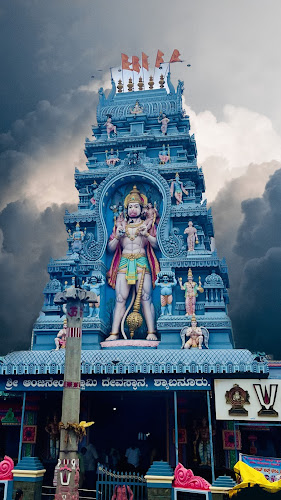
The Shri Anjaneya Swamy Temple in Shamanur stands as one of those spiritual destinations that genuinely captures the essence of devotion to Lord Hanuman in Karnataka’s Davangere district. This sacred temple has been drawing pilgrims and travelers for years, and honestly, there’s something quite compelling about how it manages to maintain its religious authenticity while welcoming visitors from all walks of life.
What strikes most people about this temple is its unpretentious nature. And I mean that in the best possible way – it’s not trying to be the grandest or most elaborate structure you’ll ever see. Instead, the Shri Anjaneya Swamy Temple focuses on what really matters: providing a genuine space for worship and spiritual connection with the beloved monkey deity who represents strength, devotion, and selfless service.
The temple serves the local community of Shamanur while also attracting devotees from across Davangere and neighboring regions. People come here seeking blessings for various life challenges – whether it’s overcoming obstacles, finding courage during difficult times, or simply paying respects to one of Hinduism’s most cherished deities. The atmosphere here carries that special quality you find in temples where faith isn’t just practiced but truly lived.
Walking around the temple premises, visitors often notice the sincere devotion of regular worshippers who’ve been coming here for decades. There’s this beautiful continuity of tradition that you can almost feel in the air. The temple management has worked to maintain facilities that accommodate the needs of visitors, though travelers should note that accessibility features remain limited – something to keep in mind when planning your visit with elderly family members or those with mobility challenges.
Key Features
The Shri Anjaneya Swamy Temple offers several distinctive features that make it worth your time:
- Dedicated Hanuman Deity: The main sanctum houses an impressive idol of Lord Anjaneya that commands reverence and attention from devotees
- Traditional Architecture: The temple follows conventional South Indian temple design principles that create an authentic worship environment
- Active Worship Schedule: Regular poojas and rituals take place throughout the day, allowing visitors to participate in authentic religious ceremonies
- Free Parking Facilities: Unlike many temples in urban areas, this temple provides complimentary parking space for devotees – a practical blessing when you’re traveling
- Restroom Amenities: Basic facilities are available on premises, which is genuinely helpful for families and those traveling from distant locations
- Community Integration: The temple plays an active role in local religious and cultural activities, giving visitors a glimpse into authentic regional devotional practices
- Saturday Significance: Like most Hanuman temples, Saturdays see particularly high attendance as devotees consider this day especially auspicious for worshipping Lord Anjaneya
- Peaceful Surroundings: The temple’s location in Shamanur provides a relatively calm environment compared to more commercialized religious sites
- Prasadam Distribution: Traditional offerings blessed by the deity are distributed to devotees, carrying spiritual significance and the temple’s blessings
Best Time to Visit
Timing your visit to the Shri Anjaneya Swamy Temple can significantly enhance your experience. Let me share some insights based on what works for different types of travelers.
The climate in Davangere district generally remains moderate, but if you’re sensitive to heat, you’ll want to avoid the peak summer months between March and May when temperatures can get pretty uncomfortable. The monsoon season from June through September brings relief from the heat, and there’s something quite spiritual about visiting temples during light rains – though be prepared for occasional heavy downpours that might disrupt travel plans.
October through February represents the ideal window for most visitors. The weather during these months stays pleasant, making it comfortable to spend time at the temple without battling excessive heat. Early mornings between 6 AM and 9 AM offer a particularly serene experience when the temple isn’t crowded and the morning prayers create a contemplative atmosphere.
But here’s the thing about Hanuman temples – Saturdays are absolutely special. If you want to experience the temple at its most energetic and devotionally charged, Saturday morning is when you should visit. Expect larger crowds, more elaborate rituals, and an atmosphere thick with devotion. However, if crowds aren’t your thing and you prefer a quieter, more personal experience, weekday mornings work beautifully.
Festival periods, especially Hanuman Jayanti which typically falls in March or April, transform the temple into a hub of religious celebration. The energy during these times is incredible, with special poojas, cultural programs, and massive gatherings of devotees. Just know that you’ll be sharing the space with hundreds of others.
Tuesday mornings also hold significance for Hanuman worship in many traditions, so you might find slightly more activity than on other weekdays.
How to Get There
Reaching the Shri Anjaneya Swamy Temple in Shamanur requires some planning, but it’s definitely manageable once you understand the lay of the land.
Davangere serves as your base city for this journey. If you’re coming from outside Karnataka, Davangere is well-connected by both rail and road networks. The Davangere railway station handles trains from major cities including Bangalore, Mysore, Hubli, and other important junctions across South India. From Bangalore, the journey takes approximately 5-6 hours by train, depending on which service you catch.
Road travelers will find that Davangere lies along National Highway 48, making it accessible from multiple directions. The distance from Bangalore is roughly 260 kilometers, which translates to about 4-5 hours of driving depending on traffic conditions. And let me tell you, Karnataka’s highways have improved significantly in recent years, making road trips more pleasant than they used to be.
Once you reach Davangere, Shamanur is a relatively short distance away. Local transportation options include auto-rickshaws, which are probably your most convenient choice for reaching the temple specifically. Local buses also serve the Shamanur route, though they might not drop you directly at the temple entrance.
If you’re the type who prefers having your own wheels, hiring a car or using app-based cab services from Davangere works well. This gives you flexibility with timing and doesn’t leave you dependent on return transportation schedules.
For those flying in, the nearest airport is in Bangalore. From there, you can either take a train to Davangere or rent a vehicle for the road journey. Some travelers actually prefer the road route from Bangalore as it lets them stop at interesting spots along the way.
Navigation apps work reasonably well in this area, though it helps to have the temple name written in Kannada if you need to ask locals for directions.
Tips for Visiting
After hearing from numerous travelers who’ve visited this temple, here are some practical tips that’ll make your experience smoother and more meaningful.
First off, dress appropriately. This shouldn’t need saying, but temples appreciate modest attire – men typically wear dhoti or full-length pants with shirts, while women should opt for sarees, salwar kameez, or other traditional Indian clothing that covers shoulders and knees. You might see some flexibility with dress codes, but respecting traditional expectations shows cultural sensitivity.
The temple doesn’t have wheelchair accessibility, which is unfortunately common with older temple structures. If you’re traveling with someone who has mobility limitations, you’ll need to plan accordingly and perhaps contact temple authorities beforehand to understand what accommodations might be possible.
Photography policies vary at different temples and different times. It’s always best to ask permission before clicking pictures, especially inside the sanctum. Many devotees prefer not to be photographed during worship, so be respectful of privacy.
Bring some cash for offerings and donations. While there’s no mandatory entry fee, making offerings is part of the temple tradition. Small denominations work better than large notes.
Remove your footwear before entering the temple premises – this is non-negotiable at Hindu temples. The temple typically has designated areas for leaving shoes, though they might not have elaborate security for footwear storage.
If you’re visiting on Saturday or during festivals, arrive early. Really early. The crowds build up quickly, and you might end up waiting considerable time for darshan during peak hours.
Participate in the aarti if you get the chance. These prayer ceremonies with lamps and chanting create powerful spiritual moments that give you deeper insight into Hindu worship traditions.
Stay hydrated, especially if visiting during warmer months. Carry a water bottle with you, though you might need to leave it outside the main sanctum.
Learn a few basic Kannada phrases if possible. Even simple greetings like “Namaskara” go a long way in connecting with local devotees and temple staff.
Be patient with facilities. While the temple provides restrooms and parking, these might not match the standards of commercial establishments. Managing expectations helps you appreciate what’s available rather than focusing on what’s missing.
Consider visiting nearby temples or local attractions in Davangere to make your trip more comprehensive. The region has several interesting religious and cultural sites worth exploring.
And finally, approach your visit with an open heart. Whether you’re deeply religious or simply culturally curious, temples like Shri Anjaneya Swamy offer something meaningful when you’re willing to experience them on their own terms. The devotion you witness here is genuine, the traditions are centuries old, and the spiritual atmosphere can be quite moving regardless of your personal beliefs.