About Eshwara Temple

Description

The Eshwara Temple stands as one of those sacred spaces where spirituality meets architectural beauty, drawing both devoted pilgrims and curious travelers from across the globe. This Hindu temple has earned its reputation not just as a religious site but as a significant tourist attraction that offers visitors a glimpse into the rich tapestry of Hindu culture and devotion. Walking through the temple grounds for the first time, you'll immediately sense that particular energy that old places of worship seem to hold. The temple dedicates itself to Lord Shiva, one of the principal deities in Hinduism, and the atmosphere reflects centuries of prayer, ritual, and devotion. And honestly? There's something incredibly grounding about being in a place where people have been seeking divine connection for generations. What makes Eshwara Temple particularly interesting is how it manages to serve dual purposes seamlessly. For the faithful, it remains an active place of worship where daily rituals continue as they have for years. But for travelers and cultural enthusiasts, it presents an opportunity to understand Hindu traditions, witness authentic religious practices, and appreciate the craftsmanship that went into creating such a sacred structure. The temple has garnered considerable attention from visitors over the years, with most people leaving with overwhelmingly positive impressions of their experience. The peaceful environment, combined with the spiritual significance and architectural elements, creates an experience that resonates with people regardless of their own religious backgrounds. Sure, not everyone might connect with it in the same way—some visitors find it less impressive than other temples they've visited—but the majority seem to discover something meaningful here. I remember talking to a fellow traveler once who said visiting temples in India completely changed her perspective on travel itself. She wasn't even particularly religious, but experiencing these spaces taught her that sometimes the best travel moments come from simply observing, respecting, and being present in traditions different from your own.

Key Features

  • Dedicated to Lord Shiva: The temple's primary deity is Lord Shiva, worshipped in his Eshwara form, making it an important pilgrimage site for Shaivites and devotees seeking blessings
  • Active worship site: Unlike some temples that function primarily as tourist monuments, Eshwara Temple maintains daily puja rituals and ceremonies, offering visitors authentic spiritual experiences
  • Traditional architecture: The temple showcases classic Hindu architectural elements that reflect the regional building styles and religious iconography typical of Shiva temples
  • Peaceful atmosphere: Despite being a tourist attraction, the temple maintains a serene environment conducive to meditation, prayer, and quiet contemplation
  • Cultural significance: The site serves as an important cultural landmark that preserves traditional Hindu practices, rituals, and community gatherings
  • Accessible to all visitors: The temple welcomes people of various backgrounds and beliefs, though certain areas might be restricted during specific rituals or ceremonies
  • Photography opportunities: The temple's exterior and surrounding grounds offer excellent chances for architectural and cultural photography, though restrictions may apply inside sanctum areas
  • Local community hub: Beyond tourism, the temple functions as a gathering place for local devotees, particularly during festivals and special occasions

Best Time to Visit

Timing your visit to Eshwara Temple can significantly impact your experience, and there's a few different angles to consider here depending on what you're after. If you want to avoid crowds and have a more contemplative experience, weekday mornings are generally your best bet. The temple typically sees fewer visitors between Tuesday and Thursday, especially if you arrive shortly after opening. There's something special about experiencing a sacred space when it's relatively quiet—you can actually hear the prayers, smell the incense without crowds overwhelming your senses, and take your time observing the details. Festival times present a completely different experience. During major Hindu festivals like Maha Shivaratri (the Great Night of Shiva), the temple transforms into a hub of celebration, devotion, and energy. If you're interested in witnessing Hindu traditions in their full glory, these occasions are absolutely worth planning your trip around. But be prepared—festivals mean crowds, noise, and a much more intense atmosphere. You won't get peaceful contemplation, but you will get an unforgettable cultural experience. Weather-wise, you'll want to consider the local climate. Most regions where Hindu temples are located experience intense heat during summer months, which can make wandering temple grounds pretty uncomfortable. The cooler months typically offer more pleasant conditions for exploring. And trust me, comfortable weather makes a huge difference when you're planning to spend a few hours at a religious site. Early mornings have their own magic at Hindu temples. The morning aarti (prayer ceremony) often happens during the first hour or two after sunrise, and participating in or witnessing this ritual gives you insight into daily devotional practices. Plus, morning light tends to be gorgeous for photography if that's something you're interested in. Avoid visiting during afternoon hours on extremely hot days—you'll be miserable, the temple might be less active, and you probably won't enjoy yourself much. Similarly, some temples have specific closing times during midday, so check the schedule beforehand.

How to Get There

Getting to Eshwara Temple requires a bit of planning, but it's definitely manageable for travelers willing to do some research beforehand. Your first step is figuring out the nearest major city or transportation hub to the temple. Most significant Hindu temples in India are connected to larger urban centers through various transport options. Once you've identified the closest city, you can start planning the specific route. Public transportation often provides the most economical option. Local buses frequently run routes that pass near or directly to temple sites, though schedules might be irregular and the journey could take longer than private transport. The advantage? You'll save money and get a more authentic local experience. The disadvantage? Less comfort and flexibility with timing. Hiring a taxi or using ride-sharing services gives you more control over your schedule. If you're traveling with companions, splitting the cost makes this option quite reasonable. Many taxi drivers are familiar with temple locations and can provide additional information about the area—I've had some of my best local recommendations come from chatty taxi drivers who knew their region inside out. Auto-rickshaws work well for shorter distances if the temple sits within a town or city. They're cheaper than taxis and give you that quintessential Indian travel experience, though comfort levels vary considerably. For travelers who prefer independence, renting a scooter or motorcycle can be an excellent choice if you're confident navigating local traffic conditions. This option gives you complete freedom to explore at your own pace and stop wherever interests you along the way. Train stations often connect to temple towns, particularly if the temple has significant pilgrimage importance. India's railway network is extensive, and traveling by train can be both economical and scenic. From the railway station, you'll likely need additional local transport to reach the temple itself. If you're staying at hotels or guesthouses in the area, ask your accommodation for directions and transport recommendations. Staff members usually have current information about the easiest routes and fair prices for various transport options. Don't hesitate to ask locals for directions—most people are incredibly helpful when travelers are trying to find religious sites. Just be prepared for directions that might include landmarks like "turn at the blue house" rather than street names!

Tips for Visiting

Visiting Eshwara Temple—or any Hindu temple really—goes much smoother when you know what to expect and how to conduct yourself respectfully. Dress appropriately. This cannot be stressed enough. Modest clothing is essential at religious sites. For everyone, this means covering shoulders and knees at minimum. Avoid shorts, tank tops, or anything too revealing. Many temples won't allow you entry if your clothing doesn't meet their standards, and honestly, it's just respectful. Women might want to carry a scarf or shawl that can provide extra coverage if needed. Remove footwear before entering. Hindu temples require visitors to remove shoes before entering sacred areas. There's usually a designated area for leaving footwear, sometimes with an attendant (offering a small tip is customary). Bring socks if walking barefoot on potentially hot or rough surfaces bothers you. Photography rules vary. Always ask about photography permissions before snapping pictures. Many temples prohibit photography inside the main sanctum or during certain rituals. Respect these rules absolutely—religious sentiments run deep, and violating photography restrictions can cause genuine offense. Respect ongoing worship. Remember that you're visiting an active place of worship, not just a tourist attraction. If prayers or ceremonies are happening, observe quietly from an appropriate distance. Don't walk directly in front of people who are praying, and keep conversations low. Understand prasad etiquette. Prasad is blessed food offered to devotees after worship. If offered to you, accepting it politely is generally appreciated, even if you don't plan to eat it. If you have dietary restrictions or concerns, a polite decline with hands pressed together is acceptable. Women during menstruation should be aware that some traditional temples maintain restrictions during this time. While many people consider these rules outdated, they're still enforced at certain temples. Knowing the specific temple's practices beforehand helps avoid awkward situations. Donations are voluntary but appreciated. Most temples have donation boxes. Contributing what you can supports temple maintenance and activities, but there's no fixed amount or obligation. Be cautious of anyone demanding money—legitimate temple staff rarely pressure visitors. Visit with an open mind. You might witness practices unfamiliar to you—elaborate rituals, offerings, or devotional expressions that seem unusual. Approach everything with curiosity and respect rather than judgment. These traditions hold deep meaning for practitioners. Plan for time. Don't rush your temple visit. Give yourself at least an hour or two to properly experience the space, observe rituals, and absorb the atmosphere. Quick photo stops miss the entire point. Stay hydrated but check food rules. Temples often restrict bringing outside food into certain areas. Carry water (especially in hot weather), but be mindful about where you drink or eat. Learn basic customs. A little research goes a long way. Understanding why people circumambulate (walk around) the sanctum, ring bells, or perform specific gestures helps you appreciate what you're witnessing rather than just seeing confusing activities. And here's something I learned the hard way—silence your phone completely. Not just vibrate, but actually off or completely silent. The last thing you want is your ringtone blaring during a sacred moment. Trust me on that one.

Key Features

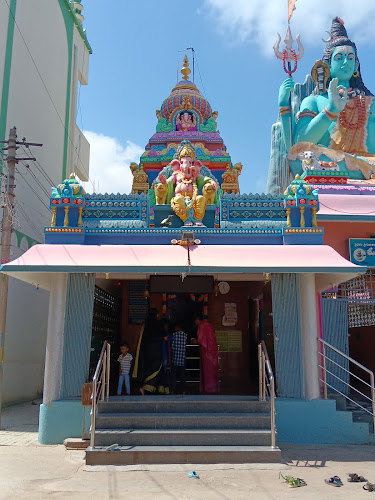
  • Hindu shrine dedicated to Eshwara (Shiva) with subsidiary shrines to Parvati and Ganesha
  • Examples of local/Hoysala-influenced architecture using mud and plaster
  • Active devotional life: weekly bhajans and community rituals
  • Compact, easily walkable location close to Davangere railway station
  • Photogenic, historic temple fabric despite partial collapse of one cell

More Details

Updated March 30, 2026

Description

The Eshwara Temple stands as one of those sacred spaces where spirituality meets architectural beauty, drawing both devoted pilgrims and curious travelers from across the globe. This Hindu temple has earned its reputation not just as a religious site but as a significant tourist attraction that offers visitors a glimpse into the rich tapestry of Hindu culture and devotion.

Walking through the temple grounds for the first time, you’ll immediately sense that particular energy that old places of worship seem to hold. The temple dedicates itself to Lord Shiva, one of the principal deities in Hinduism, and the atmosphere reflects centuries of prayer, ritual, and devotion. And honestly? There’s something incredibly grounding about being in a place where people have been seeking divine connection for generations.

What makes Eshwara Temple particularly interesting is how it manages to serve dual purposes seamlessly. For the faithful, it remains an active place of worship where daily rituals continue as they have for years. But for travelers and cultural enthusiasts, it presents an opportunity to understand Hindu traditions, witness authentic religious practices, and appreciate the craftsmanship that went into creating such a sacred structure.

The temple has garnered considerable attention from visitors over the years, with most people leaving with overwhelmingly positive impressions of their experience. The peaceful environment, combined with the spiritual significance and architectural elements, creates an experience that resonates with people regardless of their own religious backgrounds. Sure, not everyone might connect with it in the same way—some visitors find it less impressive than other temples they’ve visited—but the majority seem to discover something meaningful here.

I remember talking to a fellow traveler once who said visiting temples in India completely changed her perspective on travel itself. She wasn’t even particularly religious, but experiencing these spaces taught her that sometimes the best travel moments come from simply observing, respecting, and being present in traditions different from your own.

Key Features

  • Dedicated to Lord Shiva: The temple’s primary deity is Lord Shiva, worshipped in his Eshwara form, making it an important pilgrimage site for Shaivites and devotees seeking blessings
  • Active worship site: Unlike some temples that function primarily as tourist monuments, Eshwara Temple maintains daily puja rituals and ceremonies, offering visitors authentic spiritual experiences
  • Traditional architecture: The temple showcases classic Hindu architectural elements that reflect the regional building styles and religious iconography typical of Shiva temples
  • Peaceful atmosphere: Despite being a tourist attraction, the temple maintains a serene environment conducive to meditation, prayer, and quiet contemplation
  • Cultural significance: The site serves as an important cultural landmark that preserves traditional Hindu practices, rituals, and community gatherings
  • Accessible to all visitors: The temple welcomes people of various backgrounds and beliefs, though certain areas might be restricted during specific rituals or ceremonies
  • Photography opportunities: The temple’s exterior and surrounding grounds offer excellent chances for architectural and cultural photography, though restrictions may apply inside sanctum areas
  • Local community hub: Beyond tourism, the temple functions as a gathering place for local devotees, particularly during festivals and special occasions

Best Time to Visit

Timing your visit to Eshwara Temple can significantly impact your experience, and there’s a few different angles to consider here depending on what you’re after.

If you want to avoid crowds and have a more contemplative experience, weekday mornings are generally your best bet. The temple typically sees fewer visitors between Tuesday and Thursday, especially if you arrive shortly after opening. There’s something special about experiencing a sacred space when it’s relatively quiet—you can actually hear the prayers, smell the incense without crowds overwhelming your senses, and take your time observing the details.

Festival times present a completely different experience. During major Hindu festivals like Maha Shivaratri (the Great Night of Shiva), the temple transforms into a hub of celebration, devotion, and energy. If you’re interested in witnessing Hindu traditions in their full glory, these occasions are absolutely worth planning your trip around. But be prepared—festivals mean crowds, noise, and a much more intense atmosphere. You won’t get peaceful contemplation, but you will get an unforgettable cultural experience.

Weather-wise, you’ll want to consider the local climate. Most regions where Hindu temples are located experience intense heat during summer months, which can make wandering temple grounds pretty uncomfortable. The cooler months typically offer more pleasant conditions for exploring. And trust me, comfortable weather makes a huge difference when you’re planning to spend a few hours at a religious site.

Early mornings have their own magic at Hindu temples. The morning aarti (prayer ceremony) often happens during the first hour or two after sunrise, and participating in or witnessing this ritual gives you insight into daily devotional practices. Plus, morning light tends to be gorgeous for photography if that’s something you’re interested in.

Avoid visiting during afternoon hours on extremely hot days—you’ll be miserable, the temple might be less active, and you probably won’t enjoy yourself much. Similarly, some temples have specific closing times during midday, so check the schedule beforehand.

How to Get There

Getting to Eshwara Temple requires a bit of planning, but it’s definitely manageable for travelers willing to do some research beforehand.

Your first step is figuring out the nearest major city or transportation hub to the temple. Most significant Hindu temples in India are connected to larger urban centers through various transport options. Once you’ve identified the closest city, you can start planning the specific route.

Public transportation often provides the most economical option. Local buses frequently run routes that pass near or directly to temple sites, though schedules might be irregular and the journey could take longer than private transport. The advantage? You’ll save money and get a more authentic local experience. The disadvantage? Less comfort and flexibility with timing.

Hiring a taxi or using ride-sharing services gives you more control over your schedule. If you’re traveling with companions, splitting the cost makes this option quite reasonable. Many taxi drivers are familiar with temple locations and can provide additional information about the area—I’ve had some of my best local recommendations come from chatty taxi drivers who knew their region inside out.

Auto-rickshaws work well for shorter distances if the temple sits within a town or city. They’re cheaper than taxis and give you that quintessential Indian travel experience, though comfort levels vary considerably.

For travelers who prefer independence, renting a scooter or motorcycle can be an excellent choice if you’re confident navigating local traffic conditions. This option gives you complete freedom to explore at your own pace and stop wherever interests you along the way.

Train stations often connect to temple towns, particularly if the temple has significant pilgrimage importance. India’s railway network is extensive, and traveling by train can be both economical and scenic. From the railway station, you’ll likely need additional local transport to reach the temple itself.

If you’re staying at hotels or guesthouses in the area, ask your accommodation for directions and transport recommendations. Staff members usually have current information about the easiest routes and fair prices for various transport options.

Don’t hesitate to ask locals for directions—most people are incredibly helpful when travelers are trying to find religious sites. Just be prepared for directions that might include landmarks like “turn at the blue house” rather than street names!

Tips for Visiting

Visiting Eshwara Temple—or any Hindu temple really—goes much smoother when you know what to expect and how to conduct yourself respectfully.

Dress appropriately. This cannot be stressed enough. Modest clothing is essential at religious sites. For everyone, this means covering shoulders and knees at minimum. Avoid shorts, tank tops, or anything too revealing. Many temples won’t allow you entry if your clothing doesn’t meet their standards, and honestly, it’s just respectful. Women might want to carry a scarf or shawl that can provide extra coverage if needed.

Remove footwear before entering. Hindu temples require visitors to remove shoes before entering sacred areas. There’s usually a designated area for leaving footwear, sometimes with an attendant (offering a small tip is customary). Bring socks if walking barefoot on potentially hot or rough surfaces bothers you.

Photography rules vary. Always ask about photography permissions before snapping pictures. Many temples prohibit photography inside the main sanctum or during certain rituals. Respect these rules absolutely—religious sentiments run deep, and violating photography restrictions can cause genuine offense.

Respect ongoing worship. Remember that you’re visiting an active place of worship, not just a tourist attraction. If prayers or ceremonies are happening, observe quietly from an appropriate distance. Don’t walk directly in front of people who are praying, and keep conversations low.

Understand prasad etiquette. Prasad is blessed food offered to devotees after worship. If offered to you, accepting it politely is generally appreciated, even if you don’t plan to eat it. If you have dietary restrictions or concerns, a polite decline with hands pressed together is acceptable.

Women during menstruation should be aware that some traditional temples maintain restrictions during this time. While many people consider these rules outdated, they’re still enforced at certain temples. Knowing the specific temple’s practices beforehand helps avoid awkward situations.

Donations are voluntary but appreciated. Most temples have donation boxes. Contributing what you can supports temple maintenance and activities, but there’s no fixed amount or obligation. Be cautious of anyone demanding money—legitimate temple staff rarely pressure visitors.

Visit with an open mind. You might witness practices unfamiliar to you—elaborate rituals, offerings, or devotional expressions that seem unusual. Approach everything with curiosity and respect rather than judgment. These traditions hold deep meaning for practitioners.

Plan for time. Don’t rush your temple visit. Give yourself at least an hour or two to properly experience the space, observe rituals, and absorb the atmosphere. Quick photo stops miss the entire point.

Stay hydrated but check food rules. Temples often restrict bringing outside food into certain areas. Carry water (especially in hot weather), but be mindful about where you drink or eat.

Learn basic customs. A little research goes a long way. Understanding why people circumambulate (walk around) the sanctum, ring bells, or perform specific gestures helps you appreciate what you’re witnessing rather than just seeing confusing activities.

And here’s something I learned the hard way—silence your phone completely. Not just vibrate, but actually off or completely silent. The last thing you want is your ringtone blaring during a sacred moment. Trust me on that one.

Key Highlights

  • Hindu shrine dedicated to Eshwara (Shiva) with subsidiary shrines to Parvati and Ganesha
  • Examples of local/Hoysala-influenced architecture using mud and plaster
  • Active devotional life: weekly bhajans and community rituals
  • Compact, easily walkable location close to Davangere railway station
  • Photogenic, historic temple fabric despite partial collapse of one cell

Location

Places to Stay Near Eshwara Temple

Find and Book a Tour

Explore More Travel Guides

No reviews found! Be the first to review!

Eshwara Temple is a prominent attractions located in Davanagere.

Visit us at: FW2H+4H9, Nittuvalli, Davanagere, Karnataka 577002, India.

Traveler Reviews for Eshwara Temple

There are no reviews yet. Be the first one to write one.

Share Your Experience

Have you visited Eshwara Temple? Help other travelers by sharing your review.

Nearby Attractions

Davangere Fort (city heritage areas) Local markets and street-food stalls in Vidyanagara Other temples and cultural sites within Davangere city

Find Accommodations Nearby

Recommended Tours & Activities

Visitor Reviews

There are no reviews yet. Be the first one to write one.

Share Your Experience

Have you visited Eshwara Temple? Help other travelers by leaving a review.