Anekonda
About Anekonda
Description
Anekonda stands as one of those places that honestly doesn't get half the attention it deserves from travelers exploring Karnataka's Western Ghats region. I've always found it fascinating how certain destinations remain relatively untouched despite offering exactly what adventure seekers and nature enthusiasts claim to be searching for. This hill station, with its dramatic landscapes and unpredictable weather patterns, presents visitors with an experience that feels genuinely removed from the tourist circuit chaos you'll find elsewhere. The mountain reaches an impressive height and dominates the surrounding terrain in a way that makes you feel simultaneously small yet connected to something much larger than yourself. And that's really the magic of Anekonda – it doesn't try too hard. The natural beauty speaks for itself without requiring excessive development or commercialization to make it appealing. What strikes most people when they first encounter Anekonda is the sheer rawness of the environment. You're not going to find perfectly manicured pathways or sanitized viewpoints here. Instead, the terrain challenges you, rewards you, and occasionally humbles you in ways that Instagram-famous destinations simply can't replicate. The biodiversity here rivals many better-known protected areas, though you wouldn't know it from the limited coverage it receives in mainstream travel guides. The local ecosystem thrives with minimal human interference, creating habitats for species that have become increasingly rare in more accessible locations. I remember talking to a fellow traveler who'd spent years exploring the Western Ghats, and he mentioned that Anekonda gave him that same feeling he'd experienced decades earlier before tourism transformed the region's most famous spots. That authenticity has become increasingly precious in our current travel landscape.Key Features
The characteristics that define Anekonda as a destination extend well beyond simple scenic beauty:- Elevation that creates distinct microclimates, allowing visitors to experience multiple weather conditions within a single visit
- Trekking routes that range from moderately challenging to genuinely demanding, catering to different experience levels without compromising on adventure quality
- Endemic flora species found almost exclusively in this particular geographic zone of the Western Ghats
- Panoramic viewpoints offering unobstructed vistas across valleys that stretch seemingly endlessly into the horizon
- Minimal commercial development preserving the natural character that attracts serious nature enthusiasts
- Wildlife corridors that support diverse fauna populations, though sightings require patience and proper timing
- Cloud formations that descend upon the peaks creating ethereal atmospheric conditions photographers dream about
- Rock formations shaped by millions of years of geological processes, telling stories written in stone
- Relatively low visitor numbers compared to mainstream hill stations, providing genuine solitude for those seeking it
- Traditional settlements nearby offering glimpses into lifestyles adapted to mountain living across generations
Best Time to Visit
Timing your visit to Anekonda requires thinking carefully about what kind of experience you're actually after. The post-monsoon period from October through February generally offers the most comfortable conditions for trekking and exploration. During these months, the landscape has been thoroughly washed and renewed by the Southwest monsoon, leaving everything looking incredibly lush while the weather remains relatively stable. But here's something most generic travel guides won't tell you – visiting during the monsoon itself can be absolutely magical if you're prepared for the challenges. Yes, the trails become slippery and navigation grows more complicated. And yes, you'll need proper rain gear and should probably have some serious trekking experience under your belt. However, witnessing the mountains during active monsoon transforms the entire landscape into something almost primordial. The waterfalls run at full force, the mist creates constantly shifting visual experiences, and you'll have the place almost entirely to yourself. The summer months from March to May bring warmer temperatures to the region, though Anekonda's elevation keeps things considerably cooler than the surrounding lowlands. This period attracts locals escaping the oppressive heat of Karnataka's plains. You'll encounter more visitors during these months, though "crowded" at Anekonda still means something completely different than it would at, say, Ooty or Kodaikanal. Winter months occasionally bring surprisingly cold conditions, especially during night hours. I've heard from travelers who underestimated the temperature drops and found themselves genuinely uncomfortable after sunset. If you're visiting between December and February, pack layers even if the afternoon sunshine feels warm. Each season reveals different aspects of Anekonda's character. The immediate pre-monsoon period in May and early June shows the landscape at its driest, creating entirely different color palettes and wildlife behavior patterns than you'd observe during wetter months.How to Get There
Reaching Anekonda requires some planning since public transportation options remain limited compared to more developed tourist destinations. The journey itself becomes part of the adventure, taking you through diverse landscapes that shift as you gain elevation. Most travelers start from either Bangalore or Mangalore, depending on their initial entry point into Karnataka. From Bangalore, you're looking at approximately six to seven hours of driving, though road conditions and traffic can extend this considerably. The route takes you through several towns where you can stock up on supplies – something I'd strongly recommend since options become scarce once you're in the immediate Anekonda area. If you're coming from Mangalore, the distance is shorter but the terrain becomes challenging more quickly as you ascend from the coastal region into the Ghats. This route offers spectacular scenery but demands confident driving skills, especially along sections where the road narrows and curves become sharp. Public buses do service the region, connecting through nearby towns, but they run on schedules that might not align perfectly with your travel plans. You'll likely need to combine bus travel with local transportation options for the final leg of your journey. Hiring a vehicle with a driver familiar with mountain roads represents probably the most practical option for most visitors, eliminating navigation stress while allowing you to actually enjoy the scenery. The nearest railway stations are located at a considerable distance, making train travel less practical unless you're combining your Anekonda visit with a broader Karnataka exploration. Similarly, the closest airports require several hours of additional ground transportation. I've found that the journey to Anekonda filters out casual tourists pretty effectively. If you're willing to invest the time and effort required to reach it, you're probably the type of traveler who'll genuinely appreciate what the destination offers.Tips for Visiting
Preparing properly for Anekonda makes the difference between a frustrating experience and a genuinely memorable adventure. Start with your footwear – proper trekking shoes with good ankle support aren't optional here. The terrain punishes inadequate footwear through blisters, slips, and general discomfort that'll ruin your entire visit. Carry significantly more water than you think you'll need. Dehydration at elevation affects people faster than they expect, and reliable water sources along trails can't be guaranteed year-round. I typically bring a water purification system as backup, allowing me to refill from natural sources if necessary while maintaining safety. Weather conditions change rapidly in mountain environments. That clear morning sky can transform into dense fog or sudden rain within an hour. Pack a waterproof layer and some warm clothing regardless of what the forecast suggests. Temperature drops accompanying altitude gain catch unprepared visitors off guard constantly. Inform someone about your trekking plans before heading out. Mobile phone coverage becomes spotty in many areas around Anekonda, so you can't rely on being able to call for help if something goes wrong. Basic safety protocols that might seem overly cautious elsewhere become genuinely important in relatively remote mountain terrain. Start your treks early in the morning. This gives you maximum daylight hours for exploration and return, while also letting you experience the mountain during its most atmospheric period when mist still clings to valleys and wildlife activity peaks. Respect the local environment by following leave-no-trace principles. Anekonda's relative pristine condition exists partly because visitor numbers remain manageable and partly because those who do visit tend to be more conservation-minded. Maintain that standard by packing out everything you pack in. Bring cash since ATM access and digital payment options remain limited in the surrounding areas. Stock up on any specialized supplies before leaving larger towns – you won't find outdoor gear shops or extensive grocery options once you're committed to the journey. Consider hiring local guides if you're unfamiliar with mountain trekking or the specific region. Their knowledge of trails, weather patterns, and environmental conditions adds both safety and depth to your experience. Plus, supporting local economies helps ensure communities maintain positive relationships with tourism. Photography enthusiasts should bring extra batteries and memory cards. The constantly changing light conditions and dramatic landscapes will have you shooting far more than you initially planned. And since you've made the effort to get there, you'll want to capture it properly. Finally, approach Anekonda with realistic expectations and appropriate humility. This isn't a destination that bends to accommodate visitor comfort. Instead, it demands that you adapt to its rhythms and conditions. That challenge represents precisely what makes it special for those seeking authentic mountain experiences away from overdeveloped tourist infrastructure.Key Features
- Small temple complex with medieval-era stonework and sculptures
- Quiet, uncrowded site ideal for photography and study
- Visible historical connections to Hoysala/Chalukya-era regional history
- Rural setting with traditional agricultural landscapes
- Easy add-on visit from Davanagere town
More Details
Updated March 30, 2026
Table of Contents
Description
Anekonda stands as one of those places that honestly doesn’t get half the attention it deserves from travelers exploring Karnataka’s Western Ghats region. I’ve always found it fascinating how certain destinations remain relatively untouched despite offering exactly what adventure seekers and nature enthusiasts claim to be searching for. This hill station, with its dramatic landscapes and unpredictable weather patterns, presents visitors with an experience that feels genuinely removed from the tourist circuit chaos you’ll find elsewhere.
The mountain reaches an impressive height and dominates the surrounding terrain in a way that makes you feel simultaneously small yet connected to something much larger than yourself. And that’s really the magic of Anekonda – it doesn’t try too hard. The natural beauty speaks for itself without requiring excessive development or commercialization to make it appealing.
What strikes most people when they first encounter Anekonda is the sheer rawness of the environment. You’re not going to find perfectly manicured pathways or sanitized viewpoints here. Instead, the terrain challenges you, rewards you, and occasionally humbles you in ways that Instagram-famous destinations simply can’t replicate. The biodiversity here rivals many better-known protected areas, though you wouldn’t know it from the limited coverage it receives in mainstream travel guides.
The local ecosystem thrives with minimal human interference, creating habitats for species that have become increasingly rare in more accessible locations. I remember talking to a fellow traveler who’d spent years exploring the Western Ghats, and he mentioned that Anekonda gave him that same feeling he’d experienced decades earlier before tourism transformed the region’s most famous spots. That authenticity has become increasingly precious in our current travel landscape.
Key Features
The characteristics that define Anekonda as a destination extend well beyond simple scenic beauty:
- Elevation that creates distinct microclimates, allowing visitors to experience multiple weather conditions within a single visit
- Trekking routes that range from moderately challenging to genuinely demanding, catering to different experience levels without compromising on adventure quality
- Endemic flora species found almost exclusively in this particular geographic zone of the Western Ghats
- Panoramic viewpoints offering unobstructed vistas across valleys that stretch seemingly endlessly into the horizon
- Minimal commercial development preserving the natural character that attracts serious nature enthusiasts
- Wildlife corridors that support diverse fauna populations, though sightings require patience and proper timing
- Cloud formations that descend upon the peaks creating ethereal atmospheric conditions photographers dream about
- Rock formations shaped by millions of years of geological processes, telling stories written in stone
- Relatively low visitor numbers compared to mainstream hill stations, providing genuine solitude for those seeking it
- Traditional settlements nearby offering glimpses into lifestyles adapted to mountain living across generations
Best Time to Visit
Timing your visit to Anekonda requires thinking carefully about what kind of experience you’re actually after. The post-monsoon period from October through February generally offers the most comfortable conditions for trekking and exploration. During these months, the landscape has been thoroughly washed and renewed by the Southwest monsoon, leaving everything looking incredibly lush while the weather remains relatively stable.
But here’s something most generic travel guides won’t tell you – visiting during the monsoon itself can be absolutely magical if you’re prepared for the challenges. Yes, the trails become slippery and navigation grows more complicated. And yes, you’ll need proper rain gear and should probably have some serious trekking experience under your belt. However, witnessing the mountains during active monsoon transforms the entire landscape into something almost primordial. The waterfalls run at full force, the mist creates constantly shifting visual experiences, and you’ll have the place almost entirely to yourself.
The summer months from March to May bring warmer temperatures to the region, though Anekonda’s elevation keeps things considerably cooler than the surrounding lowlands. This period attracts locals escaping the oppressive heat of Karnataka’s plains. You’ll encounter more visitors during these months, though “crowded” at Anekonda still means something completely different than it would at, say, Ooty or Kodaikanal.
Winter months occasionally bring surprisingly cold conditions, especially during night hours. I’ve heard from travelers who underestimated the temperature drops and found themselves genuinely uncomfortable after sunset. If you’re visiting between December and February, pack layers even if the afternoon sunshine feels warm.
Each season reveals different aspects of Anekonda’s character. The immediate pre-monsoon period in May and early June shows the landscape at its driest, creating entirely different color palettes and wildlife behavior patterns than you’d observe during wetter months.
How to Get There
Reaching Anekonda requires some planning since public transportation options remain limited compared to more developed tourist destinations. The journey itself becomes part of the adventure, taking you through diverse landscapes that shift as you gain elevation.
Most travelers start from either Bangalore or Mangalore, depending on their initial entry point into Karnataka. From Bangalore, you’re looking at approximately six to seven hours of driving, though road conditions and traffic can extend this considerably. The route takes you through several towns where you can stock up on supplies – something I’d strongly recommend since options become scarce once you’re in the immediate Anekonda area.
If you’re coming from Mangalore, the distance is shorter but the terrain becomes challenging more quickly as you ascend from the coastal region into the Ghats. This route offers spectacular scenery but demands confident driving skills, especially along sections where the road narrows and curves become sharp.
Public buses do service the region, connecting through nearby towns, but they run on schedules that might not align perfectly with your travel plans. You’ll likely need to combine bus travel with local transportation options for the final leg of your journey. Hiring a vehicle with a driver familiar with mountain roads represents probably the most practical option for most visitors, eliminating navigation stress while allowing you to actually enjoy the scenery.
The nearest railway stations are located at a considerable distance, making train travel less practical unless you’re combining your Anekonda visit with a broader Karnataka exploration. Similarly, the closest airports require several hours of additional ground transportation.
I’ve found that the journey to Anekonda filters out casual tourists pretty effectively. If you’re willing to invest the time and effort required to reach it, you’re probably the type of traveler who’ll genuinely appreciate what the destination offers.
Tips for Visiting
Preparing properly for Anekonda makes the difference between a frustrating experience and a genuinely memorable adventure. Start with your footwear – proper trekking shoes with good ankle support aren’t optional here. The terrain punishes inadequate footwear through blisters, slips, and general discomfort that’ll ruin your entire visit.
Carry significantly more water than you think you’ll need. Dehydration at elevation affects people faster than they expect, and reliable water sources along trails can’t be guaranteed year-round. I typically bring a water purification system as backup, allowing me to refill from natural sources if necessary while maintaining safety.
Weather conditions change rapidly in mountain environments. That clear morning sky can transform into dense fog or sudden rain within an hour. Pack a waterproof layer and some warm clothing regardless of what the forecast suggests. Temperature drops accompanying altitude gain catch unprepared visitors off guard constantly.
Inform someone about your trekking plans before heading out. Mobile phone coverage becomes spotty in many areas around Anekonda, so you can’t rely on being able to call for help if something goes wrong. Basic safety protocols that might seem overly cautious elsewhere become genuinely important in relatively remote mountain terrain.
Start your treks early in the morning. This gives you maximum daylight hours for exploration and return, while also letting you experience the mountain during its most atmospheric period when mist still clings to valleys and wildlife activity peaks.
Respect the local environment by following leave-no-trace principles. Anekonda’s relative pristine condition exists partly because visitor numbers remain manageable and partly because those who do visit tend to be more conservation-minded. Maintain that standard by packing out everything you pack in.
Bring cash since ATM access and digital payment options remain limited in the surrounding areas. Stock up on any specialized supplies before leaving larger towns – you won’t find outdoor gear shops or extensive grocery options once you’re committed to the journey.
Consider hiring local guides if you’re unfamiliar with mountain trekking or the specific region. Their knowledge of trails, weather patterns, and environmental conditions adds both safety and depth to your experience. Plus, supporting local economies helps ensure communities maintain positive relationships with tourism.
Photography enthusiasts should bring extra batteries and memory cards. The constantly changing light conditions and dramatic landscapes will have you shooting far more than you initially planned. And since you’ve made the effort to get there, you’ll want to capture it properly.
Finally, approach Anekonda with realistic expectations and appropriate humility. This isn’t a destination that bends to accommodate visitor comfort. Instead, it demands that you adapt to its rhythms and conditions. That challenge represents precisely what makes it special for those seeking authentic mountain experiences away from overdeveloped tourist infrastructure.
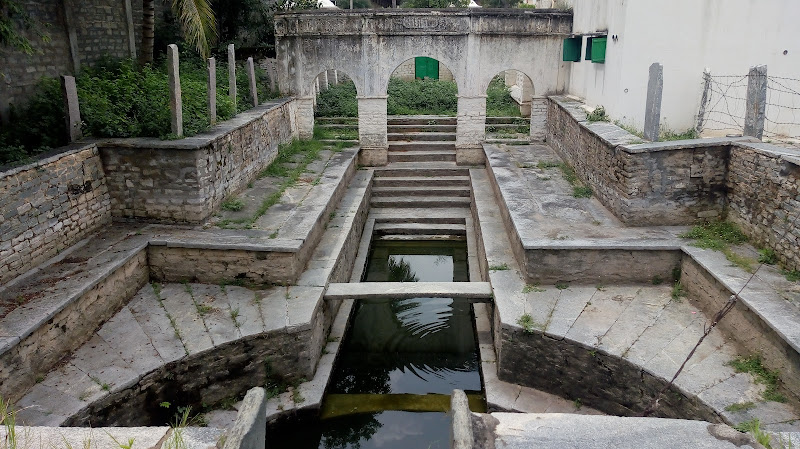
Key Highlights
- Small temple complex with medieval-era stonework and sculptures
- Quiet, uncrowded site ideal for photography and study
- Visible historical connections to Hoysala/Chalukya-era regional history
- Rural setting with traditional agricultural landscapes
- Easy add-on visit from Davanagere town
Location
Places to Stay Near Anekonda
Find and Book a Tour
Explore More Travel Guides
No reviews found! Be the first to review!
Anekonda is a prominent Attractions located in Davanagere.
Traveler Reviews for Anekonda
There are no reviews yet. Be the first one to write one.
Have you visited Anekonda? Help other travelers by sharing your review.
Nearby Attractions
Find Accommodations Nearby
Recommended Tours & Activities
Visitor Reviews
There are no reviews yet. Be the first one to write one.
Share Your Experience
Have you visited Anekonda? Help other travelers by leaving a review.
