
Shepherd Wheel
About Shepherd Wheel
Description
The Shepherd Wheel stands as one of Sheffield's best-kept industrial secrets, tucked away in a wooded valley where the city's grinding heritage comes alive through authentic machinery and passionate storytelling. This former water-powered grinding workshop isn't your typical glass-case museum - it's a working testament to the craftsmen who literally shaped Sheffield's reputation as the Steel City. Walking into Shepherd Wheel feels a bit like stepping through a portal back to the 1700s when skilled grinders would spend their days hunched over massive sandstone wheels, creating blades that would travel across the British Empire and beyond. The building itself has this wonderful worn-in quality that no amount of modern restoration could fake. You can practically smell the history in the timbers and feel the weight of centuries of labor in the grinding rooms. What makes this place genuinely special is how it managed to survive at all. While countless other grinding workshops fell to demolition or decay throughout the 20th century, Shepherd Wheel somehow escaped that fate. The structure dates back to around 1584, though the current buildings mostly reflect later additions from the 1700s. And here's the thing - this isn't some sanitized recreation. These are the actual grinding wheels, the real workshops, the authentic mechanisms that powered Sheffield's blade-making dominance for generations. The museum operates thanks to dedicated volunteers who truly know their stuff. I've found that volunteer-run heritage sites often have this infectious enthusiasm that professional museum staff sometimes lack, and Shepherd Wheel definitely benefits from people who genuinely care about preserving this slice of industrial history. They'll explain how the River Porter powered the wheels, demonstrate the grinding process when the machinery's running, and share stories about the grinders who worked here - including the harsh realities of the trade like grinder's asthma and the dangerous working conditions.Key Features
The Shepherd Wheel offers visitors several distinctive elements that set it apart from standard museum experiences: • Original grinding hull containing six grinding troughs where craftsmen would sharpen and polish knives, scissors, and other cutting tools • Functioning water wheel that still operates to demonstrate how the River Porter provided power for industrial work before electricity changed everything • Authentic grinding wheels made from massive sandstone blocks quarried from nearby hills • Workshop buildings that maintain their original layout and atmosphere rather than being modernized beyond recognition • Riverside setting within Whiteley Woods that creates an unexpectedly peaceful contrast to Sheffield's urban landscape • Demonstration sessions where volunteers show the actual grinding process using period techniques • Collection of tools and implements that illustrate the evolution of Sheffield's cutlery trade • Wheelchair accessible entrance making the site available to visitors with mobility needs • Educational programs suitable for children who want hands-on history rather than just reading plaques • Free admission that makes it accessible to budget-conscious travelers • Small-scale intimate atmosphere where you can actually ask questions and get detailed answers rather than being herded through crowded galleriesBest Time to Visit
Here's where things get slightly tricky with Shepherd Wheel - it's not open daily like your typical museum. The site operates on limited hours, typically opening on weekends and bank holidays during warmer months, though this can vary based on volunteer availability. That might sound inconvenient, but honestly, it adds to the charm and keeps the place from getting overcrowded. Spring through early autumn represents the ideal visiting window. The surrounding Whiteley Woods absolutely comes alive with bluebells in late April and early May, creating this magical woodland setting that transforms your museum visit into a proper nature walk as well. The dappled sunlight through the trees, the sound of the River Porter rushing past, the birdsong mixing with the rumble of the water wheel - it's genuinely lovely. Summer weekends tend to draw the biggest crowds, particularly when families are out exploring Sheffield's green spaces. But even "crowded" at Shepherd Wheel means maybe 20-30 people rather than hundreds, so it never feels overwhelming. The warmer weather also means you're more likely to catch the water wheel in operation and see grinding demonstrations. I'd personally recommend visiting on a Sunday morning in May or September. You'll miss the peak summer crowds, enjoy pleasant weather for the woodland walk to reach the site, and likely have more one-on-one time with the volunteers who can share deeper insights about the grinding trade. Plus, September often brings that gorgeous golden autumn light that makes the stone buildings and surrounding trees look absolutely stunning. Winter visits are possible but less reliable since opening hours become even more restricted and the damp cold can make the unheated workshop buildings rather uncomfortable. The site lacks onsite restaurants or cafes, so you can't really warm up with a hot drink either. However, if you do catch it open during winter, you'll practically have the place to yourself.How to Get There
Getting to Shepherd Wheel requires a bit of effort, which probably explains why it remains relatively undiscovered compared to Sheffield's more central attractions. The workshop sits in Whiteley Woods on the western edge of the city, accessible by multiple routes depending on your starting point and preferred transportation method. For those using public transport, several bus routes from Sheffield city center will get you relatively close. The walk from the nearest bus stops involves about 15-20 minutes through residential areas before you reach the woodland paths leading to the site. It's not difficult, but it's worth knowing you won't be stepping off a bus directly at the entrance. The closest parking area sits along Whiteley Lane, but this is extremely limited - maybe space for four or five cars maximum. And no, there isn't wheelchair accessible parking, which seems like a real oversight given they've made the entrance accessible. Many visitors actually combine their trip to Shepherd Wheel with the nearby Forge Dam, which has more substantial parking facilities and makes for a lovely walk along the Porter Brook. From Forge Dam car park, you're looking at roughly a 15-minute stroll along well-maintained paths through the woods. This approach honestly enhances the whole experience because you're following the same river that powered the wheel, passing through the same type of landscape that surrounded the grinding workshops during their working years. If you're cycling, the route from central Sheffield follows quiet residential roads and eventually links up with paths through the woods. Just be aware that the final approach involves some steps and rough terrain, so you might need to dismount and walk your bike for the last bit. The slight difficulty in accessing Shepherd Wheel actually works in its favor. You've earned your visit by the time you arrive, and the woodland setting feels genuinely secluded rather than artificially preserved. Just make sure you've checked opening times before making the journey - showing up to locked doors after a 20-minute walk through the woods would be proper frustrating.Tips for Visiting
Before heading out to Shepherd Wheel, definitely verify current opening hours through Sheffield City Council's heritage sites information or local visitor resources. The volunteer-dependent schedule means things can change, and you don't want to make the trek only to find it closed. This happens more often than you'd think with smaller heritage sites. Wear appropriate footwear for woodland walking. Even though the paths are generally well-maintained, you'll encounter uneven ground, potential mud after rain, and some steps. Those cute sandals or dress shoes you wore for city sightseeing won't cut it here. Proper walking shoes or boots make the experience far more comfortable. The site lacks toilet facilities, which catches some visitors off guard. Take care of that before you arrive, either in Sheffield city center or at nearby facilities like those at Forge Dam if you're parking there. Similarly, there's nowhere to buy food or drinks, so bring water and snacks if you plan to spend time exploring the woods along with your museum visit. Photography enthusiasts should bring their cameras - the combination of industrial architecture, woodland setting, and atmospheric interior spaces creates fantastic opportunities. The lighting inside the grinding hull can be challenging though, so consider bringing a tripod if you're serious about getting quality shots. The volunteers are generally fine with photography as long as you're respectful and not disrupting demonstrations. Plan to spend at least 45 minutes to an hour at the site itself if you want to properly absorb the information and watch any demonstrations. But honestly, the surrounding Whiteley Woods deserve exploration too, so budget additional time for a proper walk along the Porter Brook. The combination makes for a lovely half-day excursion from Sheffield's center. Engage with the volunteers. They're there because they care deeply about this place and Sheffield's industrial heritage. Ask questions, show genuine interest, and you'll likely get stories and insights that no guidebook could provide. I've learned some of my most memorable historical tidbits from passionate volunteers at sites like this rather than from professional tour guides reading scripts. If you're visiting with children, prepare them for what they're about to see. This isn't an interactive children's museum with touch screens and colorful displays. It's an authentic industrial site that requires some imagination and patience. That said, kids who are genuinely interested in how things work often find the mechanical aspects fascinating. Watching a massive stone wheel spin and understanding how river water powered an entire industry captures young imaginations in ways that modern exhibits sometimes don't. The site is genuinely good for kids if they're at that age where they're curious about machinery and history, but toddlers and very young children might get bored quickly since there's not much for them to actively do. Use your judgement based on your own children's interests and attention spans. Finally, consider visiting during one of the special events or demonstration days when the full grinding process is shown. The experience becomes dramatically more impressive when you see and hear the machinery actually working rather than just viewing static displays. The rumble of the water wheel, the screech of metal on stone, the spray of sparks during grinding - it brings the whole industrial process to life in a way that really drives home what working conditions were like for Sheffield's craftsmen.Key Features
- Key Features
- Best Time to Visit
- How to Get There
- Tips for Visiting
More Details
Updated March 30, 2026
Table of Contents
Description
The Shepherd Wheel stands as one of Sheffield’s best-kept industrial secrets, tucked away in a wooded valley where the city’s grinding heritage comes alive through authentic machinery and passionate storytelling. This former water-powered grinding workshop isn’t your typical glass-case museum – it’s a working testament to the craftsmen who literally shaped Sheffield’s reputation as the Steel City.
Walking into Shepherd Wheel feels a bit like stepping through a portal back to the 1700s when skilled grinders would spend their days hunched over massive sandstone wheels, creating blades that would travel across the British Empire and beyond. The building itself has this wonderful worn-in quality that no amount of modern restoration could fake. You can practically smell the history in the timbers and feel the weight of centuries of labor in the grinding rooms.
What makes this place genuinely special is how it managed to survive at all. While countless other grinding workshops fell to demolition or decay throughout the 20th century, Shepherd Wheel somehow escaped that fate. The structure dates back to around 1584, though the current buildings mostly reflect later additions from the 1700s. And here’s the thing – this isn’t some sanitized recreation. These are the actual grinding wheels, the real workshops, the authentic mechanisms that powered Sheffield’s blade-making dominance for generations.
The museum operates thanks to dedicated volunteers who truly know their stuff. I’ve found that volunteer-run heritage sites often have this infectious enthusiasm that professional museum staff sometimes lack, and Shepherd Wheel definitely benefits from people who genuinely care about preserving this slice of industrial history. They’ll explain how the River Porter powered the wheels, demonstrate the grinding process when the machinery’s running, and share stories about the grinders who worked here – including the harsh realities of the trade like grinder’s asthma and the dangerous working conditions.
Key Features
The Shepherd Wheel offers visitors several distinctive elements that set it apart from standard museum experiences:
• Original grinding hull containing six grinding troughs where craftsmen would sharpen and polish knives, scissors, and other cutting tools
• Functioning water wheel that still operates to demonstrate how the River Porter provided power for industrial work before electricity changed everything
• Authentic grinding wheels made from massive sandstone blocks quarried from nearby hills
• Workshop buildings that maintain their original layout and atmosphere rather than being modernized beyond recognition
• Riverside setting within Whiteley Woods that creates an unexpectedly peaceful contrast to Sheffield’s urban landscape
• Demonstration sessions where volunteers show the actual grinding process using period techniques
• Collection of tools and implements that illustrate the evolution of Sheffield’s cutlery trade
• Wheelchair accessible entrance making the site available to visitors with mobility needs
• Educational programs suitable for children who want hands-on history rather than just reading plaques
• Free admission that makes it accessible to budget-conscious travelers
• Small-scale intimate atmosphere where you can actually ask questions and get detailed answers rather than being herded through crowded galleries
Best Time to Visit
Here’s where things get slightly tricky with Shepherd Wheel – it’s not open daily like your typical museum. The site operates on limited hours, typically opening on weekends and bank holidays during warmer months, though this can vary based on volunteer availability. That might sound inconvenient, but honestly, it adds to the charm and keeps the place from getting overcrowded.
Spring through early autumn represents the ideal visiting window. The surrounding Whiteley Woods absolutely comes alive with bluebells in late April and early May, creating this magical woodland setting that transforms your museum visit into a proper nature walk as well. The dappled sunlight through the trees, the sound of the River Porter rushing past, the birdsong mixing with the rumble of the water wheel – it’s genuinely lovely.
Summer weekends tend to draw the biggest crowds, particularly when families are out exploring Sheffield’s green spaces. But even “crowded” at Shepherd Wheel means maybe 20-30 people rather than hundreds, so it never feels overwhelming. The warmer weather also means you’re more likely to catch the water wheel in operation and see grinding demonstrations.
I’d personally recommend visiting on a Sunday morning in May or September. You’ll miss the peak summer crowds, enjoy pleasant weather for the woodland walk to reach the site, and likely have more one-on-one time with the volunteers who can share deeper insights about the grinding trade. Plus, September often brings that gorgeous golden autumn light that makes the stone buildings and surrounding trees look absolutely stunning.
Winter visits are possible but less reliable since opening hours become even more restricted and the damp cold can make the unheated workshop buildings rather uncomfortable. The site lacks onsite restaurants or cafes, so you can’t really warm up with a hot drink either. However, if you do catch it open during winter, you’ll practically have the place to yourself.
How to Get There
Getting to Shepherd Wheel requires a bit of effort, which probably explains why it remains relatively undiscovered compared to Sheffield’s more central attractions. The workshop sits in Whiteley Woods on the western edge of the city, accessible by multiple routes depending on your starting point and preferred transportation method.
For those using public transport, several bus routes from Sheffield city center will get you relatively close. The walk from the nearest bus stops involves about 15-20 minutes through residential areas before you reach the woodland paths leading to the site. It’s not difficult, but it’s worth knowing you won’t be stepping off a bus directly at the entrance. The closest parking area sits along Whiteley Lane, but this is extremely limited – maybe space for four or five cars maximum. And no, there isn’t wheelchair accessible parking, which seems like a real oversight given they’ve made the entrance accessible.
Many visitors actually combine their trip to Shepherd Wheel with the nearby Forge Dam, which has more substantial parking facilities and makes for a lovely walk along the Porter Brook. From Forge Dam car park, you’re looking at roughly a 15-minute stroll along well-maintained paths through the woods. This approach honestly enhances the whole experience because you’re following the same river that powered the wheel, passing through the same type of landscape that surrounded the grinding workshops during their working years.
If you’re cycling, the route from central Sheffield follows quiet residential roads and eventually links up with paths through the woods. Just be aware that the final approach involves some steps and rough terrain, so you might need to dismount and walk your bike for the last bit.
The slight difficulty in accessing Shepherd Wheel actually works in its favor. You’ve earned your visit by the time you arrive, and the woodland setting feels genuinely secluded rather than artificially preserved. Just make sure you’ve checked opening times before making the journey – showing up to locked doors after a 20-minute walk through the woods would be proper frustrating.
Tips for Visiting
Before heading out to Shepherd Wheel, definitely verify current opening hours through Sheffield City Council’s heritage sites information or local visitor resources. The volunteer-dependent schedule means things can change, and you don’t want to make the trek only to find it closed. This happens more often than you’d think with smaller heritage sites.
Wear appropriate footwear for woodland walking. Even though the paths are generally well-maintained, you’ll encounter uneven ground, potential mud after rain, and some steps. Those cute sandals or dress shoes you wore for city sightseeing won’t cut it here. Proper walking shoes or boots make the experience far more comfortable.
The site lacks toilet facilities, which catches some visitors off guard. Take care of that before you arrive, either in Sheffield city center or at nearby facilities like those at Forge Dam if you’re parking there. Similarly, there’s nowhere to buy food or drinks, so bring water and snacks if you plan to spend time exploring the woods along with your museum visit.
Photography enthusiasts should bring their cameras – the combination of industrial architecture, woodland setting, and atmospheric interior spaces creates fantastic opportunities. The lighting inside the grinding hull can be challenging though, so consider bringing a tripod if you’re serious about getting quality shots. The volunteers are generally fine with photography as long as you’re respectful and not disrupting demonstrations.
Plan to spend at least 45 minutes to an hour at the site itself if you want to properly absorb the information and watch any demonstrations. But honestly, the surrounding Whiteley Woods deserve exploration too, so budget additional time for a proper walk along the Porter Brook. The combination makes for a lovely half-day excursion from Sheffield’s center.
Engage with the volunteers. They’re there because they care deeply about this place and Sheffield’s industrial heritage. Ask questions, show genuine interest, and you’ll likely get stories and insights that no guidebook could provide. I’ve learned some of my most memorable historical tidbits from passionate volunteers at sites like this rather than from professional tour guides reading scripts.
If you’re visiting with children, prepare them for what they’re about to see. This isn’t an interactive children’s museum with touch screens and colorful displays. It’s an authentic industrial site that requires some imagination and patience. That said, kids who are genuinely interested in how things work often find the mechanical aspects fascinating. Watching a massive stone wheel spin and understanding how river water powered an entire industry captures young imaginations in ways that modern exhibits sometimes don’t.
The site is genuinely good for kids if they’re at that age where they’re curious about machinery and history, but toddlers and very young children might get bored quickly since there’s not much for them to actively do. Use your judgement based on your own children’s interests and attention spans.
Finally, consider visiting during one of the special events or demonstration days when the full grinding process is shown. The experience becomes dramatically more impressive when you see and hear the machinery actually working rather than just viewing static displays. The rumble of the water wheel, the screech of metal on stone, the spray of sparks during grinding – it brings the whole industrial process to life in a way that really drives home what working conditions were like for Sheffield’s craftsmen.
Key Highlights
- Key Features
- Best Time to Visit
- How to Get There
- Tips for Visiting
Location
Places to Stay Near Shepherd Wheel
Find and Book a Tour
Explore More Travel Guides
No reviews found! Be the first to review!
Shepherd Wheel is a prominent museums located in Sheffield.
Visit us at: Hangingwater Rd, Sheffield S11 2YE.
Traveler Reviews for Shepherd Wheel
There are no reviews yet. Be the first one to write one.
Have you visited Shepherd Wheel? Help other travelers by sharing your review.
You Might Also Like
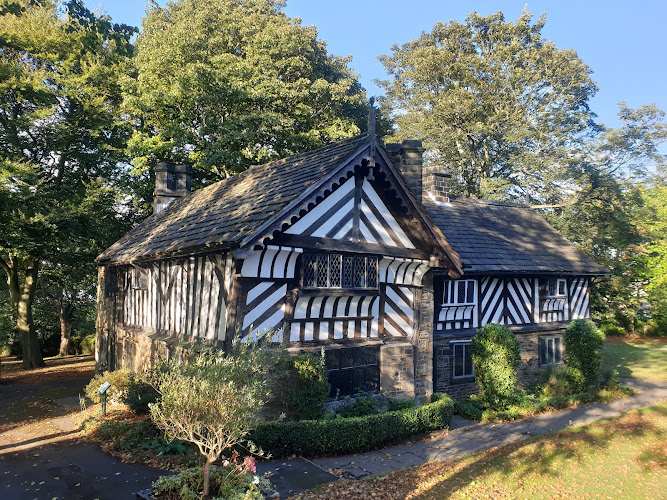
Bishops' House

Willow Crescent Recreation Area

Millennium Gallery
Find Accommodations Nearby
Recommended Tours & Activities
Visitor Reviews
There are no reviews yet. Be the first one to write one.
Share Your Experience
Have you visited Shepherd Wheel? Help other travelers by leaving a review.