
Bishops’ House
About Bishops’ House
Description
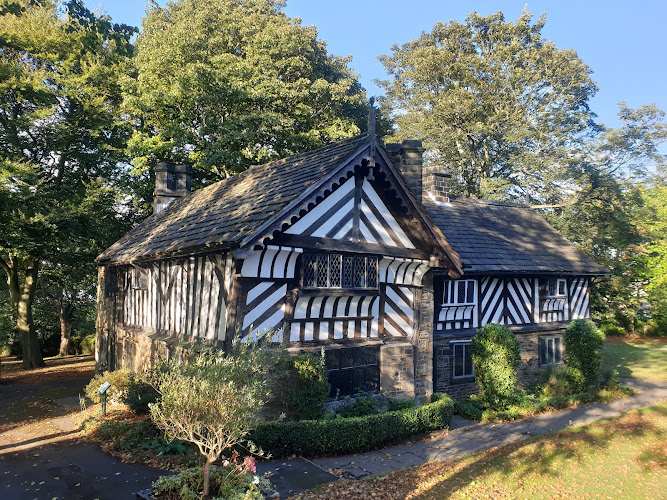
The Bishops' House stands as one of those hidden architectural treasures that honestly deserves far more attention than it typically gets. This half-timbered marvel transports visitors straight back to the Tudor and Stuart periods, offering an authentic glimpse into how families lived during Elizabethan and Jacobean times. The building itself is a work of art - its distinctive black and white timber framing creates that quintessentially English aesthetic that you've probably seen in history books but rarely get to experience up close.
What makes this place special isn't just the building though. It's how the museum has been carefully curated to recreate period rooms that feel lived-in rather than sterile. You'll walk through spaces that have been furnished and decorated to reflect different eras, and honestly, it's quite remarkable how immersive the experience becomes. The creaking floorboards under your feet, the low ceilings that make you duck slightly (people were definitely shorter back then), and the smell of old wood all contribute to a sensory journey through time.
I've visited countless historical houses over the years, and there's something about the smaller, less commercialized ones that always captures my imagination more effectively. The Bishops' House fits that bill perfectly. It doesn't have the grand scale of a palace or the overwhelming opulence of a stately home, but that's exactly why it works. This was a real home where real people lived their daily lives, and that authenticity comes through in every carefully preserved detail.
The museum functions as an educational resource that doesn't feel like you're being lectured to. Kids actually engage with the exhibits here, which is saying something in our digital age. And the fact that it occasionally hosts live performances adds another dimension to the visitor experience - imagine watching period music in an actual period setting.
Key Features
The Bishops' House offers several distinctive features that make it worth adding to your travel itinerary:
• Authentic half-timbered Tudor architecture that's been remarkably well preserved over the centuries
• Period rooms decorated in Elizabethan and Jacobean styles, complete with furniture and artifacts that tell the story of daily life from the 1500s through the 1600s
• Educational exhibits that bring history to life without being dry or overly academic - they've struck a nice balance here
• Live music performances that occasionally take place within the historic rooms, creating an atmospheric experience you won't find at modern venues
• Family-friendly exhibits and activities that keep children engaged and learning without realizing they're in a museum
• Wheelchair accessible restrooms making it possible for visitors with mobility challenges to enjoy most of the experience
• Free street parking available, which is increasingly rare and genuinely appreciated when you're planning a day out
• Onsite services that enhance the visitor experience and provide support when needed
• The building serves multiple functions as an art center and wedding venue, which means the space is actively used and loved rather than just preserved as a relic
• Knowledgeable staff and volunteers who actually seem passionate about the history they're sharing - you can tell when someone genuinely cares about their subject
Best Time to Visit
Timing your visit to the Bishops' House can really enhance your experience, and I've learned over the years that even the best attractions can disappoint if you show up at the wrong moment.
The spring and summer months offer the most reliable opening hours, and the natural light streaming through those historic windows really brings the interior spaces to life. But here's the thing - summer also means school groups, and while it's wonderful that children are learning about history, you might find yourself jostling for space if you arrive mid-morning on a weekday during term time.
Autumn has always been my personal favorite season for visiting historic buildings. The cooler weather means fewer crowds, and there's something atmospheric about exploring a Tudor house when there's a chill in the air. It feels more authentic somehow, reminding you that these buildings existed long before central heating made us soft.
Winter visits can be magical, especially if you can time your trip with any special Christmas events that might be happening. Historical houses decorated for a Tudor Christmas are something special. But do check the opening times carefully because many smaller museums reduce their hours during the off-season.
Weekday mornings right when they open tend to be quietest, giving you more opportunity to really absorb the atmosphere without distraction. Late afternoon can also work well, particularly if live performances are scheduled - these often happen in the evening when the atmosphere becomes even more special.
If you're particularly interested in the live music events, check their schedule well in advance and plan your visit around one of those performances. The combination of period music in an authentic period setting creates an experience that's genuinely unique.
How to Get There
Getting to the Bishops' House is generally straightforward, though like many historic buildings located in older parts of town, you'll need to navigate some narrow streets that weren't exactly designed with modern traffic in mind.
If you're driving, the availability of free street parking is a genuine blessing, but you'll want to arrive with some extra time to find a spot. Historic neighborhoods tend to have limited parking, and spaces fill up quickly, especially during peak visiting hours or on weekends. Take your time navigating the area - these streets have character but they also have some tight corners.
Public transportation often provides a less stressful option for reaching the museum. Local bus routes typically serve the area well, and you'll avoid the parking headache entirely. Plus, walking through the surrounding neighborhood gives you additional context for the period in which the house was built. Many of the nearby streets retain their historic character, which extends your experience beyond just the museum itself.
For those staying in the city center, walking might be your best bet if the weather cooperates. There's something to be said for approaching a Tudor building on foot, the way visitors would have arrived centuries ago. And you'll likely stumble upon other historic buildings and interesting architecture along the way.
Taxis and ride-sharing services can drop you right at the door, which is convenient if you're traveling with young children or have mobility concerns. Just note that while there's a wheelchair accessible restroom inside, the parking lot itself isn't specifically designed for wheelchair access, so you may need to plan accordingly.
If you're combining your visit with other attractions in the area, consider that the Bishops' House works well as part of a walking tour through historic districts. Many visitors find it pairs nicely with exploring the broader neighborhood's architectural heritage.
Tips for Visiting
After visiting numerous historical houses over the years, I've picked up some insights that'll help you make the most of your time at the Bishops' House.
First off, give yourself more time than you think you'll need. It's easy to assume a smaller museum won't take long to explore, but if you're actually engaging with the exhibits and reading the information provided, you'll want at least an hour and a half, maybe two hours. Rushing through defeats the purpose.
Wear comfortable shoes. This might seem obvious, but those historic floorboards are uneven, stairs are steep by modern standards, and you'll be on your feet more than you realize. And speaking of stairs - if you have trouble with them, ask about access options when you arrive. The staff generally tries to accommodate visitors where possible.
Bring the kids, seriously. I know museums can sometimes feel like a gamble with children, but this one genuinely works for families. The period room settings spark imagination in a way that glass cases of artifacts sometimes don't. Kids can actually picture people living in these spaces, cooking in that kitchen, sleeping in those beds.
Don't be shy about asking questions. The people working here usually have fascinating knowledge to share, and they're often thrilled when visitors show genuine interest. I've had some of my best museum experiences when I've engaged staff in conversation rather than just reading plaques.
Photography policies vary, so check before you start snapping pictures. Generally speaking, most small museums allow personal photography but restrict flash and commercial use. If you're keen on getting good photos, natural light is your friend here, so plan accordingly.
Check ahead for any special events or live performances happening during your visit. These scheduled programs add tremendous value to the experience but they also affect when the museum might be accessible for general touring. Sometimes rooms are closed for setup, and you don't want to miss seeing a particular space because you didn't check the calendar.
The lack of an onsite restaurant means you should eat before or after your visit. There's usually no food allowed inside historic buildings anyway - those centuries-old textiles and furnishings are vulnerable to spills and crumbs. But the surrounding area typically offers plenty of dining options.
Weather matters more than you might think. The building itself obviously provides shelter, but your overall experience of visiting a historic house is enhanced when you can appreciate the exterior architecture and perhaps stroll the surrounding area. Rainy days are fine for the indoor portions, but you'll miss some of the charm.
Consider visiting more than once if you're local or spending extended time in the area. Historic houses reveal different details on subsequent visits, and if they host various events throughout the year, each experience will feel somewhat unique.
Finally, manage your expectations around accessibility. While efforts have been made to accommodate wheelchair users with accessible restrooms, this is ultimately a centuries-old building with inherent limitations. Some areas may simply not be reachable for those with significant mobility challenges, and that's the reality of historic architecture.
The Bishops' House rewards curious travelers who appreciate authentic historical experiences over flashy attractions. It won't overwhelm you with size or spectacle, but it will transport you to another era if you're willing to slow down and let the atmosphere work its magic.
Key Features
- Surviving 16th-century half-timbered architecture and original features
- Period-furnished rooms illustrating Tudor and Stuart domestic life
- Location within Meersbrook Park with pleasant grounds and views
- Community-run museum with family activities, school programs and events
- Intimate, atmospheric setting often used for small events and weddings
Nearby Attractions
Tours & Activities
GetYourGuide provides this tour inventory. We may earn a commission if you book through it; verify current availability, prices, and terms with the provider.
Visitor Reviews
There are no reviews yet. Be the first one to write one.
Share Your Experience
Have you visited Bishops’ House? Help other travelers by leaving a review.