

Sensō-ji
About Sensō-ji
Description
Sensō-ji, often called Asakusa Kannon Temple, is one of those places that somehow manages to feel both ancient and alive at the same time. Standing in the heart of Tokyo’s Asakusa district, it’s Tokyo’s oldest Buddhist temple—completed way back in 645—and still one of Japan’s most beloved. Dedicated to Kannon, the Buddhist goddess of mercy, Sensō-ji carries an aura that’s hard to capture in words. You feel it the moment you step through the Kaminarimon, the famous “Thunder Gate” with its enormous red lantern swaying overhead like it’s guarding centuries of stories.
Now, I’ll be honest—Sensō-ji can get crowded. Really crowded. But that’s part of its magic. The temple isn’t just a religious site; it’s a living, breathing piece of Tokyo’s soul. Locals come to pray, tourists come to marvel, and somehow everyone finds a little peace in the middle of all that energy. The scent of incense drifts through the air, the sound of coins dropping into offering boxes echoes softly, and every corner seems to whisper a bit of history. I remember visiting one chilly morning, watching the first rays of sunlight hit the five-story pagoda—it was quiet then, almost surreal, like time had slowed down just for a moment.
What makes Sensō-ji stand out isn’t just its age or size, but how seamlessly it blends tradition with daily life. The temple grounds are full of small details—a dragon carved into a beam here, an offering of flowers there—that remind you this place has been loved and cared for over centuries. It’s not perfect, of course; some visitors find it a bit too commercial, especially around Nakamise Street, the long shopping avenue leading up to the temple. But honestly, that’s part of its charm. The stalls selling handmade fans, sweet rice crackers, and little lucky charms have been there for generations. It’s history you can taste, touch, and take home.
Key Features
- Kaminarimon (Thunder Gate): The striking red gate with a massive lantern, one of Tokyo’s most photographed landmarks.
- Nakamise Street: A bustling shopping lane filled with traditional snacks, souvenirs, and crafts that lead up to the temple’s main hall.
- Main Hall (Hondō): The spiritual heart of Sensō-ji, where visitors pray to Kannon, the goddess of mercy.
- Five-Story Pagoda: A graceful pagoda symbolizing harmony and balance, best viewed at sunset when it glows against the sky.
- Omikuji (Fortune Paper): Draw a paper fortune—good or bad—and tie it to a rack to leave your fate behind (or lock in your luck!).
- Seasonal Festivals: From the lively Sanja Matsuri in May to the lantern-lit Hozuki Market in summer, the temple hosts events year-round.
- Accessibility and Amenities: The temple grounds are wheelchair accessible, with restrooms and on-site parking available.
Each of these features contributes to Sensō-ji’s unique atmosphere. Whether it’s the thunderous energy of the gate or the quiet reverence inside the main hall, everything feels intentionally balanced—like the temple itself is teaching you about harmony without saying a word.
Best Time to Visit
If you can, try to visit Sensō-ji early in the morning or later in the evening. The crowds thin out, the air feels cooler, and the temple takes on this serene glow that’s honestly hard to describe. I once arrived just after sunrise, and the only sounds were the distant hum of the city waking up and the soft clatter of a broom sweeping the temple steps. It felt like I’d stumbled into a secret version of Tokyo.
Spring and autumn are especially beautiful. In spring, cherry blossoms bloom around the temple grounds, adding delicate pink hues to the already stunning scenery. Autumn, on the other hand, brings crisp air and golden foliage—perfect for slow walks and quiet reflection. Summer can be hot and humid, but it’s also festival season, so if you don’t mind the heat, you’ll catch the temple at its most lively. Winter has its own charm too; the crisp air and fewer tourists make it a peaceful time to visit.
If you’re into photography (and who isn’t these days?), the golden hour just before sunset is pure magic. The soft light makes the red temple structures glow, and the sky behind the pagoda turns shades of orange and purple. It’s the kind of moment that makes you forget about your phone for a second—until you remember you should probably capture it.
How to Get There
Getting to Sensō-ji is pretty straightforward, which is great because Tokyo’s public transport system can feel like a maze the first time you use it. The easiest route is to take the Tokyo Metro Ginza Line or the Toei Asakusa Line to Asakusa Station. From there, it’s just a short walk—maybe five minutes—to the Kaminarimon Gate. You’ll know you’re close when you see the crowds and smell the freshly grilled senbei crackers.
If you’re staying in central Tokyo, you can also hop on a sightseeing boat along the Sumida River that stops near Asakusa. It’s a slower way to travel, but the views of the skyline and bridges are worth it. And if you’re the kind who likes to wander, walking from Ueno to Asakusa takes about 30 minutes and offers a glimpse of Tokyo’s more traditional neighborhoods along the way.
For those driving, there’s on-site parking available, though it can fill up fast on weekends and holidays. Public transport is usually the better option unless you’re traveling with family or have mobility needs. The temple grounds are fully wheelchair accessible, which makes it an easy visit for everyone.
Tips for Visiting
Here’s the thing about Sensō-ji—it’s easy to get caught up in the crowds and miss the little details that make it special. So, take your time. Walk slowly through Nakamise Street, even if you’re not buying anything. Watch the shop owners call out to customers, smell the roasted chestnuts, listen to the chatter—it’s all part of the experience.
- Arrive early or late: The temple is open 24 hours, but the main hall closes around 5 PM. Early mornings are calm, and evenings have a romantic glow.
- Bring some coins: You’ll want them for offerings and omikuji fortunes. It’s a small ritual, but it adds depth to your visit.
- Be respectful: Even though it’s a tourist hotspot, it’s still a functioning temple. Keep voices low and avoid blocking paths for photos.
- Try the street food: From melon bread to sweet rice cakes, the snacks around Sensō-ji are part of its cultural flavor. Don’t skip them!
- Explore beyond the main hall: The temple grounds have smaller shrines, gardens, and even a quiet pond area that most visitors overlook.
- Check the festival calendar: If you’re lucky enough to visit during Sanja Matsuri, prepare for an explosion of energy, music, and traditional performances.
One personal tip—don’t rush off after you’ve seen the temple. Take a detour to the back streets of Asakusa. You’ll find tiny cafés, old-style sweet shops, and even a few locals who’ll stop to chat if you smile and say hello. I once ended up in a small tea shop run by an elderly couple who’d been serving visitors for decades. They told me stories about how the temple had changed over the years but still felt like home. That’s the kind of memory Sensō-ji gives you—something lasting, something real.
At the end of the day, Sensō-ji isn’t just a temple. It’s a reminder of how Tokyo holds on to its past while racing toward the future. Whether you’re there to pray, take photos, or just soak in the atmosphere, you’ll leave with more than you came with—a sense of peace, maybe, or just a deeper appreciation for how history and humanity intertwine. And honestly, that’s what travel should be about.
Key Features
- Key Features
- Best Time to Visit
- How to Get There
- Tips for Visiting
More Details
Updated November 7, 2025
Description
Sensō-ji, often called Asakusa Kannon Temple, is one of those places that somehow manages to feel both ancient and alive at the same time. Standing in the heart of Tokyo’s Asakusa district, it’s Tokyo’s oldest Buddhist temple—completed way back in 645—and still one of Japan’s most beloved. Dedicated to Kannon, the Buddhist goddess of mercy, Sensō-ji carries an aura that’s hard to capture in words. You feel it the moment you step through the Kaminarimon, the famous “Thunder Gate” with its enormous red lantern swaying overhead like it’s guarding centuries of stories.
Now, I’ll be honest—Sensō-ji can get crowded. Really crowded. But that’s part of its magic. The temple isn’t just a religious site; it’s a living, breathing piece of Tokyo’s soul. Locals come to pray, tourists come to marvel, and somehow everyone finds a little peace in the middle of all that energy. The scent of incense drifts through the air, the sound of coins dropping into offering boxes echoes softly, and every corner seems to whisper a bit of history. I remember visiting one chilly morning, watching the first rays of sunlight hit the five-story pagoda—it was quiet then, almost surreal, like time had slowed down just for a moment.
What makes Sensō-ji stand out isn’t just its age or size, but how seamlessly it blends tradition with daily life. The temple grounds are full of small details—a dragon carved into a beam here, an offering of flowers there—that remind you this place has been loved and cared for over centuries. It’s not perfect, of course; some visitors find it a bit too commercial, especially around Nakamise Street, the long shopping avenue leading up to the temple. But honestly, that’s part of its charm. The stalls selling handmade fans, sweet rice crackers, and little lucky charms have been there for generations. It’s history you can taste, touch, and take home.
Key Features
- Kaminarimon (Thunder Gate): The striking red gate with a massive lantern, one of Tokyo’s most photographed landmarks.
- Nakamise Street: A bustling shopping lane filled with traditional snacks, souvenirs, and crafts that lead up to the temple’s main hall.
- Main Hall (Hondō): The spiritual heart of Sensō-ji, where visitors pray to Kannon, the goddess of mercy.
- Five-Story Pagoda: A graceful pagoda symbolizing harmony and balance, best viewed at sunset when it glows against the sky.
- Omikuji (Fortune Paper): Draw a paper fortune—good or bad—and tie it to a rack to leave your fate behind (or lock in your luck!).
- Seasonal Festivals: From the lively Sanja Matsuri in May to the lantern-lit Hozuki Market in summer, the temple hosts events year-round.
- Accessibility and Amenities: The temple grounds are wheelchair accessible, with restrooms and on-site parking available.
Each of these features contributes to Sensō-ji’s unique atmosphere. Whether it’s the thunderous energy of the gate or the quiet reverence inside the main hall, everything feels intentionally balanced—like the temple itself is teaching you about harmony without saying a word.
Best Time to Visit
If you can, try to visit Sensō-ji early in the morning or later in the evening. The crowds thin out, the air feels cooler, and the temple takes on this serene glow that’s honestly hard to describe. I once arrived just after sunrise, and the only sounds were the distant hum of the city waking up and the soft clatter of a broom sweeping the temple steps. It felt like I’d stumbled into a secret version of Tokyo.
Spring and autumn are especially beautiful. In spring, cherry blossoms bloom around the temple grounds, adding delicate pink hues to the already stunning scenery. Autumn, on the other hand, brings crisp air and golden foliage—perfect for slow walks and quiet reflection. Summer can be hot and humid, but it’s also festival season, so if you don’t mind the heat, you’ll catch the temple at its most lively. Winter has its own charm too; the crisp air and fewer tourists make it a peaceful time to visit.
If you’re into photography (and who isn’t these days?), the golden hour just before sunset is pure magic. The soft light makes the red temple structures glow, and the sky behind the pagoda turns shades of orange and purple. It’s the kind of moment that makes you forget about your phone for a second—until you remember you should probably capture it.
How to Get There
Getting to Sensō-ji is pretty straightforward, which is great because Tokyo’s public transport system can feel like a maze the first time you use it. The easiest route is to take the Tokyo Metro Ginza Line or the Toei Asakusa Line to Asakusa Station. From there, it’s just a short walk—maybe five minutes—to the Kaminarimon Gate. You’ll know you’re close when you see the crowds and smell the freshly grilled senbei crackers.
If you’re staying in central Tokyo, you can also hop on a sightseeing boat along the Sumida River that stops near Asakusa. It’s a slower way to travel, but the views of the skyline and bridges are worth it. And if you’re the kind who likes to wander, walking from Ueno to Asakusa takes about 30 minutes and offers a glimpse of Tokyo’s more traditional neighborhoods along the way.
For those driving, there’s on-site parking available, though it can fill up fast on weekends and holidays. Public transport is usually the better option unless you’re traveling with family or have mobility needs. The temple grounds are fully wheelchair accessible, which makes it an easy visit for everyone.
Tips for Visiting
Here’s the thing about Sensō-ji—it’s easy to get caught up in the crowds and miss the little details that make it special. So, take your time. Walk slowly through Nakamise Street, even if you’re not buying anything. Watch the shop owners call out to customers, smell the roasted chestnuts, listen to the chatter—it’s all part of the experience.
- Arrive early or late: The temple is open 24 hours, but the main hall closes around 5 PM. Early mornings are calm, and evenings have a romantic glow.
- Bring some coins: You’ll want them for offerings and omikuji fortunes. It’s a small ritual, but it adds depth to your visit.
- Be respectful: Even though it’s a tourist hotspot, it’s still a functioning temple. Keep voices low and avoid blocking paths for photos.
- Try the street food: From melon bread to sweet rice cakes, the snacks around Sensō-ji are part of its cultural flavor. Don’t skip them!
- Explore beyond the main hall: The temple grounds have smaller shrines, gardens, and even a quiet pond area that most visitors overlook.
- Check the festival calendar: If you’re lucky enough to visit during Sanja Matsuri, prepare for an explosion of energy, music, and traditional performances.
One personal tip—don’t rush off after you’ve seen the temple. Take a detour to the back streets of Asakusa. You’ll find tiny cafés, old-style sweet shops, and even a few locals who’ll stop to chat if you smile and say hello. I once ended up in a small tea shop run by an elderly couple who’d been serving visitors for decades. They told me stories about how the temple had changed over the years but still felt like home. That’s the kind of memory Sensō-ji gives you—something lasting, something real.
At the end of the day, Sensō-ji isn’t just a temple. It’s a reminder of how Tokyo holds on to its past while racing toward the future. Whether you’re there to pray, take photos, or just soak in the atmosphere, you’ll leave with more than you came with—a sense of peace, maybe, or just a deeper appreciation for how history and humanity intertwine. And honestly, that’s what travel should be about.
Key Highlights
- Key Features
- Best Time to Visit
- How to Get There
- Tips for Visiting
Location
Places to Stay Near Sensō-ji
Find and Book a Tour
Explore More Travel Guides
No reviews found! Be the first to review!
Traveler Reviews for Sensō-ji
There are no reviews yet. Be the first one to write one.
Have you visited Sensō-ji? Help other travelers by sharing your review.
You Might Also Like

Taito Kuritsu Hashiba Park

Sumida Park
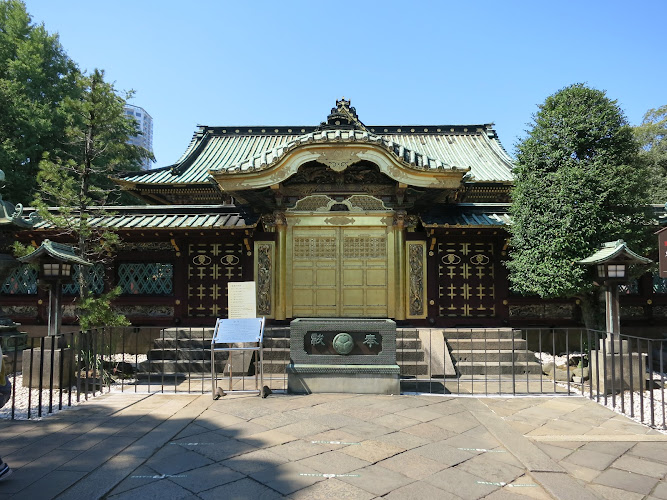
Ueno Toshogu Shrine
Find Accommodations Nearby
Recommended Tours & Activities
Visitor Reviews
There are no reviews yet. Be the first one to write one.
Share Your Experience
Have you visited Sensō-ji? Help other travelers by leaving a review.