

Kiyomizu Kannon-dō Temple
About Kiyomizu Kannon-dō Temple
Description
There’s something quietly powerful about Kiyomizu Kannon-dō Temple. It doesn’t scream for attention the way some of Tokyo’s flashier landmarks do, but perhaps that’s part of its charm. Set within the leafy calm of Ueno Park, this 17th-century temple has been standing here since 1631, making it one of the oldest surviving structures in Tokyo. It was originally part of the once-mighty Kan’eiji Temple complex, which served as the Tokugawa shoguns’ family temple. Time and war have changed much of Ueno, but Kiyomizu Kannon-dō still holds its ground, weathered yet dignified, a quiet witness to centuries of change.
Walking up to the temple, you might notice its resemblance to Kyoto’s famous Kiyomizudera. That’s no coincidence—the hall was inspired by the Kyoto icon, complete with a wooden balcony that juts out from the hillside. From there, you get a lovely view over Ueno Park, especially beautiful in spring when the cherry blossoms turn the area into a sea of pink. The temple is dedicated to Kosodate Kannon, the goddess of conception and safe childbirth, and you’ll often see mothers and expectant women offering prayers here. There’s a sense of tenderness and hope in the air, mixed with the faint scent of incense and the soft rustling of leaves.
Though it’s not as crowded as some of Tokyo’s better-known temples, that’s actually a blessing. You can take your time here, breathe, and let the atmosphere sink in. The building itself was moved to its current location in 1694 and underwent a careful restoration between 1990 and 1996. It’s remarkable how well it has been preserved, considering the fires, wars, and earthquakes Tokyo has endured. And if you’re a fan of art, you might recognize the temple from Utagawa Hiroshige’s ukiyo-e series, “One Hundred Famous Views of Edo.” Seeing the real thing after knowing it from a woodblock print feels like stepping into history.
There’s also the famous “Moon Pine” tree beside the temple—a gnarled old pine whose curved branch forms a near-perfect circle. It’s a living piece of art, said to symbolize eternity and rebirth. I remember the first time I saw it; I just stood there, slightly mesmerized, thinking how something as simple as a tree could hold so much meaning. That’s the kind of place Kiyomizu Kannon-dō is. It doesn’t overwhelm you—it quietly seeps into your heart.
Key Features
- Historic Significance: Built in 1631, it stands as one of Tokyo’s oldest surviving temple structures.
- Architectural Inspiration: Modeled after Kyoto’s Kiyomizudera, featuring a wooden balcony overlooking Ueno Park.
- Spiritual Focus: Dedicated to Kosodate Kannon, the goddess associated with fertility, safe childbirth, and child-rearing.
- Artistic Legacy: Featured in Utagawa Hiroshige’s “One Hundred Famous Views of Edo.”
- Natural Beauty: Home to the iconic “Moon Pine,” a symbol of longevity and renewal.
- Peaceful Setting: Located within Ueno Park, offering a serene retreat from the city’s bustle.
- Cultural Continuity: Part of the original Kan’eiji Temple complex, linked to the Tokugawa shogunate.
Best Time to Visit
Honestly, you can visit Kiyomizu Kannon-dō any time of year, but each season gives it a different personality. In spring, the cherry blossoms around Ueno Park create a dreamlike backdrop for the temple’s wooden balcony. It’s a photographer’s paradise, though you’ll have to share the view with plenty of others who’ve had the same idea. Summer brings lush greenery and the hum of cicadas—a bit hot, yes, but the shade here feels almost sacred. Autumn, though, might be my personal favorite. The fiery reds and golds of the trees frame the temple beautifully, and the air has that crisp clarity that makes you want to linger. Winter is quiet and contemplative; the crowds thin out, and you can almost imagine what it must have felt like centuries ago when monks walked these grounds in silence.
If you’re hoping for good light for photos, aim for early morning or late afternoon. The soft sunlight filtering through the trees gives the temple a warm, golden glow. And if you happen to visit during one of the local festivals in Ueno Park, you’ll get to see the temple in a livelier context—still peaceful, but surrounded by the hum of celebration.
How to Get There
Getting to Kiyomizu Kannon-dō is straightforward, which is one of the reasons it’s such a great stop for travelers exploring Tokyo. The temple sits within Ueno Park, so the easiest way is to head to Ueno Station. From there, it’s just a short walk—maybe 10 minutes if you’re strolling leisurely and stopping for photos along the way. You’ll pass museums, street performers, and food stalls selling everything from yakitori to matcha ice cream. It’s a fun little journey in itself.
For those coming by subway, both the JR and Tokyo Metro lines serve Ueno Station, making it accessible from almost anywhere in the city. If you’re already in the area visiting the Tokyo National Museum or the zoo, it’s worth taking a small detour to see the temple. Just note that the path leading up to the hall includes a few steps, and unfortunately, it’s not fully wheelchair accessible. But even from below, you can still appreciate the temple’s structure and the tranquil setting it’s in.
Tips for Visiting
Here’s the thing about Kiyomizu Kannon-dō—it’s not the kind of place you rush through. Take your time. Sit for a while on one of the benches, listen to the wind in the pines, and just let yourself be still. If you’re visiting with kids, they’ll probably enjoy spotting the koi in nearby ponds or feeding the pigeons in Ueno Park. And if you’re a bit of a history nerd like me, bring a small notebook. There’s something inspiring about jotting down thoughts while sitting in a place that’s been standing for nearly 400 years.
Try visiting early in the morning before the park gets busy. You’ll have the place almost to yourself, and the atmosphere is completely different—soft, almost otherworldly. Also, remember to be respectful. It’s easy to forget, especially when you’re in tourist mode, but this is still an active place of worship. Keep your voice low, and if you see locals praying, give them space. Photography is generally allowed, but avoid using flash inside the main hall.
One more thing—don’t skip the small souvenir stand near the entrance. They offer goshuin (temple stamps) that make for meaningful keepsakes. Each one is hand-brushed by temple staff, and it’s a lovely way to mark your visit. And if you’re visiting during cherry blossom season, grab a snack from one of the nearby food stalls and find a spot under the trees. It’s one of those simple Tokyo moments that stays with you long after you’ve gone home.
In the end, Kiyomizu Kannon-dō isn’t about spectacle—it’s about stillness, history, and quiet beauty. It’s a place to pause, reflect, and remember that even in a city as fast-paced as Tokyo, there are corners where time seems to slow down. Whether you’re a history buff, a spiritual traveler, or just someone looking for a peaceful escape, this temple has a way of leaving a gentle mark on your heart. And honestly, that’s what makes it worth the visit.
Key Features
- Key Features
- Best Time to Visit
- How to Get There
- Tips for Visiting
More Details
Updated November 7, 2025
Description
There’s something quietly powerful about Kiyomizu Kannon-dō Temple. It doesn’t scream for attention the way some of Tokyo’s flashier landmarks do, but perhaps that’s part of its charm. Set within the leafy calm of Ueno Park, this 17th-century temple has been standing here since 1631, making it one of the oldest surviving structures in Tokyo. It was originally part of the once-mighty Kan’eiji Temple complex, which served as the Tokugawa shoguns’ family temple. Time and war have changed much of Ueno, but Kiyomizu Kannon-dō still holds its ground, weathered yet dignified, a quiet witness to centuries of change.
Walking up to the temple, you might notice its resemblance to Kyoto’s famous Kiyomizudera. That’s no coincidence—the hall was inspired by the Kyoto icon, complete with a wooden balcony that juts out from the hillside. From there, you get a lovely view over Ueno Park, especially beautiful in spring when the cherry blossoms turn the area into a sea of pink. The temple is dedicated to Kosodate Kannon, the goddess of conception and safe childbirth, and you’ll often see mothers and expectant women offering prayers here. There’s a sense of tenderness and hope in the air, mixed with the faint scent of incense and the soft rustling of leaves.
Though it’s not as crowded as some of Tokyo’s better-known temples, that’s actually a blessing. You can take your time here, breathe, and let the atmosphere sink in. The building itself was moved to its current location in 1694 and underwent a careful restoration between 1990 and 1996. It’s remarkable how well it has been preserved, considering the fires, wars, and earthquakes Tokyo has endured. And if you’re a fan of art, you might recognize the temple from Utagawa Hiroshige’s ukiyo-e series, “One Hundred Famous Views of Edo.” Seeing the real thing after knowing it from a woodblock print feels like stepping into history.
There’s also the famous “Moon Pine” tree beside the temple—a gnarled old pine whose curved branch forms a near-perfect circle. It’s a living piece of art, said to symbolize eternity and rebirth. I remember the first time I saw it; I just stood there, slightly mesmerized, thinking how something as simple as a tree could hold so much meaning. That’s the kind of place Kiyomizu Kannon-dō is. It doesn’t overwhelm you—it quietly seeps into your heart.
Key Features
- Historic Significance: Built in 1631, it stands as one of Tokyo’s oldest surviving temple structures.
- Architectural Inspiration: Modeled after Kyoto’s Kiyomizudera, featuring a wooden balcony overlooking Ueno Park.
- Spiritual Focus: Dedicated to Kosodate Kannon, the goddess associated with fertility, safe childbirth, and child-rearing.
- Artistic Legacy: Featured in Utagawa Hiroshige’s “One Hundred Famous Views of Edo.”
- Natural Beauty: Home to the iconic “Moon Pine,” a symbol of longevity and renewal.
- Peaceful Setting: Located within Ueno Park, offering a serene retreat from the city’s bustle.
- Cultural Continuity: Part of the original Kan’eiji Temple complex, linked to the Tokugawa shogunate.
Best Time to Visit
Honestly, you can visit Kiyomizu Kannon-dō any time of year, but each season gives it a different personality. In spring, the cherry blossoms around Ueno Park create a dreamlike backdrop for the temple’s wooden balcony. It’s a photographer’s paradise, though you’ll have to share the view with plenty of others who’ve had the same idea. Summer brings lush greenery and the hum of cicadas—a bit hot, yes, but the shade here feels almost sacred. Autumn, though, might be my personal favorite. The fiery reds and golds of the trees frame the temple beautifully, and the air has that crisp clarity that makes you want to linger. Winter is quiet and contemplative; the crowds thin out, and you can almost imagine what it must have felt like centuries ago when monks walked these grounds in silence.
If you’re hoping for good light for photos, aim for early morning or late afternoon. The soft sunlight filtering through the trees gives the temple a warm, golden glow. And if you happen to visit during one of the local festivals in Ueno Park, you’ll get to see the temple in a livelier context—still peaceful, but surrounded by the hum of celebration.
How to Get There
Getting to Kiyomizu Kannon-dō is straightforward, which is one of the reasons it’s such a great stop for travelers exploring Tokyo. The temple sits within Ueno Park, so the easiest way is to head to Ueno Station. From there, it’s just a short walk—maybe 10 minutes if you’re strolling leisurely and stopping for photos along the way. You’ll pass museums, street performers, and food stalls selling everything from yakitori to matcha ice cream. It’s a fun little journey in itself.
For those coming by subway, both the JR and Tokyo Metro lines serve Ueno Station, making it accessible from almost anywhere in the city. If you’re already in the area visiting the Tokyo National Museum or the zoo, it’s worth taking a small detour to see the temple. Just note that the path leading up to the hall includes a few steps, and unfortunately, it’s not fully wheelchair accessible. But even from below, you can still appreciate the temple’s structure and the tranquil setting it’s in.
Tips for Visiting
Here’s the thing about Kiyomizu Kannon-dō—it’s not the kind of place you rush through. Take your time. Sit for a while on one of the benches, listen to the wind in the pines, and just let yourself be still. If you’re visiting with kids, they’ll probably enjoy spotting the koi in nearby ponds or feeding the pigeons in Ueno Park. And if you’re a bit of a history nerd like me, bring a small notebook. There’s something inspiring about jotting down thoughts while sitting in a place that’s been standing for nearly 400 years.
Try visiting early in the morning before the park gets busy. You’ll have the place almost to yourself, and the atmosphere is completely different—soft, almost otherworldly. Also, remember to be respectful. It’s easy to forget, especially when you’re in tourist mode, but this is still an active place of worship. Keep your voice low, and if you see locals praying, give them space. Photography is generally allowed, but avoid using flash inside the main hall.
One more thing—don’t skip the small souvenir stand near the entrance. They offer goshuin (temple stamps) that make for meaningful keepsakes. Each one is hand-brushed by temple staff, and it’s a lovely way to mark your visit. And if you’re visiting during cherry blossom season, grab a snack from one of the nearby food stalls and find a spot under the trees. It’s one of those simple Tokyo moments that stays with you long after you’ve gone home.
In the end, Kiyomizu Kannon-dō isn’t about spectacle—it’s about stillness, history, and quiet beauty. It’s a place to pause, reflect, and remember that even in a city as fast-paced as Tokyo, there are corners where time seems to slow down. Whether you’re a history buff, a spiritual traveler, or just someone looking for a peaceful escape, this temple has a way of leaving a gentle mark on your heart. And honestly, that’s what makes it worth the visit.
Key Highlights
- Key Features
- Best Time to Visit
- How to Get There
- Tips for Visiting
Location
Places to Stay Near Kiyomizu Kannon-dō Temple
Find and Book a Tour
Explore More Travel Guides
No reviews found! Be the first to review!
Traveler Reviews for Kiyomizu Kannon-dō Temple
There are no reviews yet. Be the first one to write one.
Have you visited Kiyomizu Kannon-dō Temple? Help other travelers by sharing your review.
You Might Also Like

Tokyo National Museum
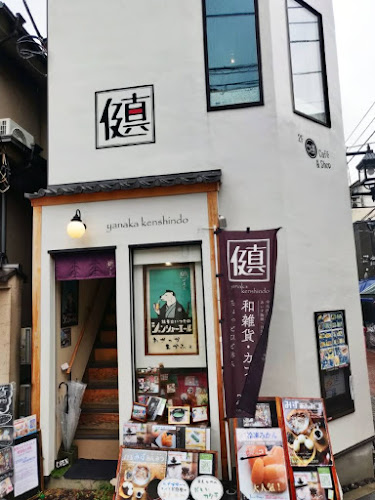
Yanaka Kenshindo

Sensō-ji
Find Accommodations Nearby
Recommended Tours & Activities
Visitor Reviews
There are no reviews yet. Be the first one to write one.
Share Your Experience
Have you visited Kiyomizu Kannon-dō Temple? Help other travelers by leaving a review.