

Şehit Cuma Dağ Tabiat Tarihi Müzesi
About Şehit Cuma Dağ Tabiat Tarihi Müzesi
Description
Şehit Cuma Dağ Tabiat Tarihi Müzesi is one of those places that quietly surprises you. It’s not the kind of museum that shouts for attention with flashy marketing or long queues outside. Instead, it’s the kind that draws you in with curiosity and leaves you genuinely fascinated. Tucked away in Ankara, this museum is Turkey’s first and largest natural history museum, established back in 1968 under the General Directorate of Mineral Research and Exploration (MTA). It’s been educating and amazing visitors for decades, and honestly, it still holds its charm today.
Walking through the museum feels like stepping into a time capsule of the Earth’s story. The exhibits range from shimmering minerals and ancient fossils to life-sized models of dinosaurs and mammoths that make you feel like you’ve stumbled into a prehistoric scene. There’s a certain quiet awe that comes with standing next to a creature that once roamed the planet millions of years ago. And I’ll admit, the first time I visited, I caught myself staring at a fossilized tree trunk for far too long, just trying to wrap my head around how old it really was.
What I love most about this museum is that it’s free to enter. That might sound like a small thing, but in a city full of paid attractions, it’s refreshing to find a place that opens its doors to everyone—families, students, curious travelers—without asking for a ticket fee. It’s especially great for kids. You can see their eyes light up as they stand in front of a towering dinosaur skeleton or touch a piece of gleaming quartz. And it’s not just for children—adults often find themselves learning something new about geology, paleontology, or the natural world.
The museum itself is well-maintained and thoughtfully designed. The layout is spacious enough to wander comfortably, and the lighting highlights the textures and colors of the exhibits beautifully. It’s also fully accessible, with wheelchair-friendly entrances, restrooms, and parking. That inclusivity makes it a welcoming space for everyone. Sure, it might not have the high-tech displays you’d find in some newer museums, but it more than makes up for it with authenticity and substance. It’s a place where science feels tangible, not distant.
Key Features
- Extensive collection of minerals and gemstones from various regions of Turkey and beyond
- Rare fossils, including prehistoric plants and marine life that tell the story of Earth’s evolution
- Life-sized models of dinosaurs and mammoths that bring ancient creatures to life
- Educational exhibits explaining geological formations, volcanic activity, and the history of the planet
- Interactive displays and learning areas designed for school groups and families
- Free admission for all visitors, making it an accessible cultural and educational experience
- Wheelchair-accessible facilities, including restrooms and parking
- Located within the MTA complex, surrounded by green space that’s perfect for a short walk after your visit
One of the standout sections for me is the fossil exhibit. It’s not just bones on display—it’s a timeline of life itself. You can trace the evolution of species through the layers of rock and fossilized remains, and that’s something that always puts things into perspective. There’s also a mineral hall that sparkles like a treasure chest. The variety of stones—from deep-blue azurite to golden pyrite—makes it feel like nature’s jewelry box.
Best Time to Visit
The museum is open year-round, and honestly, there’s no bad time to go. But if you want to avoid crowds, weekdays are your best bet. Mornings tend to be quieter, especially outside of school field trip hours. Ankara’s summers can get quite hot, so stepping into the cool, air-conditioned museum is a welcome break. In winter, it’s equally inviting—a calm indoor escape when the weather outside is chilly.
If you’re traveling with kids, weekends might actually be more fun. There’s a certain buzz in the air when families explore together, and you’ll often overhear little ones excitedly pointing out dinosaurs or fossils. And if you’re into photography, aim for late afternoon. The natural light filtering through the building gives the exhibits a warm, golden hue that makes for some great shots.
How to Get There
Getting to the museum is straightforward. It’s located in Ankara’s Çankaya district, which is well-connected by public transportation. You can easily reach it by metro or bus, and taxis are also plentiful in the area. If you’re driving, there’s accessible parking available right on-site. The museum sits along one of the city’s main boulevards, so it’s hard to miss once you’re nearby.
For those who like to walk and explore, the surrounding area is pleasant and safe. You might even stumble upon a local café or two for a quick Turkish tea after your visit. I remember grabbing a simit (a sesame-covered bread ring) from a street vendor right outside and sitting on a bench, just reflecting on what I’d seen inside—it’s a nice way to end the visit.
Tips for Visiting
Here’s the thing: while the museum is free, it’s still a good idea to plan your visit a bit. Give yourself at least an hour or two to really explore. The exhibits deserve more than a quick walk-through—they’re packed with detail. And if you’re visiting with kids, bring a small notebook or sketchpad. I’ve seen children drawing the dinosaur models or jotting down fun facts they learned, and it’s such a great way to make the experience interactive.
There’s no café inside, so grab a drink or snack beforehand. But there are restrooms available, and they’re clean and accessible. Photography is allowed, though flash might be restricted in certain areas, so check the signs. And if you’re a science or geology enthusiast, you might want to read up a bit on Turkey’s geological history before your visit—it’ll make the exhibits even more meaningful.
One small piece of advice: don’t rush. It’s tempting to breeze through, especially if you’re trying to fit multiple attractions into your day, but this museum rewards curiosity. Take your time with the displays, read the panels, and let yourself get lost in the story of the Earth. You might even find yourself thinking differently about the ground beneath your feet.
And if you’re traveling with someone who doesn’t usually enjoy museums—bring them anyway. There’s something universally fascinating about seeing a dinosaur skeleton up close or realizing that a tiny fossilized shell once belonged to a creature that lived millions of years ago. It’s humbling, really.
All in all, Şehit Cuma Dağ Tabiat Tarihi Müzesi is more than just a collection of rocks and bones. It’s a quiet reminder of how vast and mysterious our planet’s history is. For travelers looking to experience Ankara beyond its monuments and government buildings, this museum offers a refreshing change of pace—a journey through time that’s both educational and deeply human.
So, if you find yourself in Ankara with a few hours to spare, skip the usual tourist trail for a bit and step into this museum. It might not be the flashiest stop on your itinerary, but it’s one of those places that stays with you long after you leave. And that, to me, is the mark of a truly great museum.
Key Features
- Extensive collection of minerals and gemstones from various regions of Turkey and beyond
- Rare fossils, including prehistoric plants and marine life that tell the story of Earth’s evolution
- Life-sized models of dinosaurs and mammoths that bring ancient creatures to life
- Educational exhibits explaining geological formations, volcanic activity, and the history of the planet
- Interactive displays and learning areas designed for school groups and families
- Free admission for all visitors, making it an accessible cultural and educational experience
- Wheelchair-accessible facilities, including restrooms and parking
- Located within the MTA complex, surrounded by green space that’s perfect for a short walk after your visit
More Details
Updated October 8, 2025
Table of Contents
- Description
- Key Features
- Best Time to Visit
- How to Get There
- Tips for Visiting
- Key Highlights
- Location
- Places to Stay Near Şehit Cuma Dağ Tabiat Tarihi Müzesi
- Find and Book a Tour
- Explore More Travel Guides
- Nearby Places You Might Like
- Traveler Reviews for Şehit Cuma Dağ Tabiat Tarihi Müzesi
- Share Your Experience
Description
Şehit Cuma Dağ Tabiat Tarihi Müzesi is one of those places that quietly surprises you. It’s not the kind of museum that shouts for attention with flashy marketing or long queues outside. Instead, it’s the kind that draws you in with curiosity and leaves you genuinely fascinated. Tucked away in Ankara, this museum is Turkey’s first and largest natural history museum, established back in 1968 under the General Directorate of Mineral Research and Exploration (MTA). It’s been educating and amazing visitors for decades, and honestly, it still holds its charm today.
Walking through the museum feels like stepping into a time capsule of the Earth’s story. The exhibits range from shimmering minerals and ancient fossils to life-sized models of dinosaurs and mammoths that make you feel like you’ve stumbled into a prehistoric scene. There’s a certain quiet awe that comes with standing next to a creature that once roamed the planet millions of years ago. And I’ll admit, the first time I visited, I caught myself staring at a fossilized tree trunk for far too long, just trying to wrap my head around how old it really was.
What I love most about this museum is that it’s free to enter. That might sound like a small thing, but in a city full of paid attractions, it’s refreshing to find a place that opens its doors to everyone—families, students, curious travelers—without asking for a ticket fee. It’s especially great for kids. You can see their eyes light up as they stand in front of a towering dinosaur skeleton or touch a piece of gleaming quartz. And it’s not just for children—adults often find themselves learning something new about geology, paleontology, or the natural world.
The museum itself is well-maintained and thoughtfully designed. The layout is spacious enough to wander comfortably, and the lighting highlights the textures and colors of the exhibits beautifully. It’s also fully accessible, with wheelchair-friendly entrances, restrooms, and parking. That inclusivity makes it a welcoming space for everyone. Sure, it might not have the high-tech displays you’d find in some newer museums, but it more than makes up for it with authenticity and substance. It’s a place where science feels tangible, not distant.
Key Features
- Extensive collection of minerals and gemstones from various regions of Turkey and beyond
- Rare fossils, including prehistoric plants and marine life that tell the story of Earth’s evolution
- Life-sized models of dinosaurs and mammoths that bring ancient creatures to life
- Educational exhibits explaining geological formations, volcanic activity, and the history of the planet
- Interactive displays and learning areas designed for school groups and families
- Free admission for all visitors, making it an accessible cultural and educational experience
- Wheelchair-accessible facilities, including restrooms and parking
- Located within the MTA complex, surrounded by green space that’s perfect for a short walk after your visit
One of the standout sections for me is the fossil exhibit. It’s not just bones on display—it’s a timeline of life itself. You can trace the evolution of species through the layers of rock and fossilized remains, and that’s something that always puts things into perspective. There’s also a mineral hall that sparkles like a treasure chest. The variety of stones—from deep-blue azurite to golden pyrite—makes it feel like nature’s jewelry box.
Best Time to Visit
The museum is open year-round, and honestly, there’s no bad time to go. But if you want to avoid crowds, weekdays are your best bet. Mornings tend to be quieter, especially outside of school field trip hours. Ankara’s summers can get quite hot, so stepping into the cool, air-conditioned museum is a welcome break. In winter, it’s equally inviting—a calm indoor escape when the weather outside is chilly.
If you’re traveling with kids, weekends might actually be more fun. There’s a certain buzz in the air when families explore together, and you’ll often overhear little ones excitedly pointing out dinosaurs or fossils. And if you’re into photography, aim for late afternoon. The natural light filtering through the building gives the exhibits a warm, golden hue that makes for some great shots.
How to Get There
Getting to the museum is straightforward. It’s located in Ankara’s Çankaya district, which is well-connected by public transportation. You can easily reach it by metro or bus, and taxis are also plentiful in the area. If you’re driving, there’s accessible parking available right on-site. The museum sits along one of the city’s main boulevards, so it’s hard to miss once you’re nearby.
For those who like to walk and explore, the surrounding area is pleasant and safe. You might even stumble upon a local café or two for a quick Turkish tea after your visit. I remember grabbing a simit (a sesame-covered bread ring) from a street vendor right outside and sitting on a bench, just reflecting on what I’d seen inside—it’s a nice way to end the visit.
Tips for Visiting
Here’s the thing: while the museum is free, it’s still a good idea to plan your visit a bit. Give yourself at least an hour or two to really explore. The exhibits deserve more than a quick walk-through—they’re packed with detail. And if you’re visiting with kids, bring a small notebook or sketchpad. I’ve seen children drawing the dinosaur models or jotting down fun facts they learned, and it’s such a great way to make the experience interactive.
There’s no café inside, so grab a drink or snack beforehand. But there are restrooms available, and they’re clean and accessible. Photography is allowed, though flash might be restricted in certain areas, so check the signs. And if you’re a science or geology enthusiast, you might want to read up a bit on Turkey’s geological history before your visit—it’ll make the exhibits even more meaningful.
One small piece of advice: don’t rush. It’s tempting to breeze through, especially if you’re trying to fit multiple attractions into your day, but this museum rewards curiosity. Take your time with the displays, read the panels, and let yourself get lost in the story of the Earth. You might even find yourself thinking differently about the ground beneath your feet.
And if you’re traveling with someone who doesn’t usually enjoy museums—bring them anyway. There’s something universally fascinating about seeing a dinosaur skeleton up close or realizing that a tiny fossilized shell once belonged to a creature that lived millions of years ago. It’s humbling, really.
All in all, Şehit Cuma Dağ Tabiat Tarihi Müzesi is more than just a collection of rocks and bones. It’s a quiet reminder of how vast and mysterious our planet’s history is. For travelers looking to experience Ankara beyond its monuments and government buildings, this museum offers a refreshing change of pace—a journey through time that’s both educational and deeply human.
So, if you find yourself in Ankara with a few hours to spare, skip the usual tourist trail for a bit and step into this museum. It might not be the flashiest stop on your itinerary, but it’s one of those places that stays with you long after you leave. And that, to me, is the mark of a truly great museum.
Key Highlights
- Extensive collection of minerals and gemstones from various regions of Turkey and beyond
- Rare fossils, including prehistoric plants and marine life that tell the story of Earth’s evolution
- Life-sized models of dinosaurs and mammoths that bring ancient creatures to life
- Educational exhibits explaining geological formations, volcanic activity, and the history of the planet
- Interactive displays and learning areas designed for school groups and families
- Free admission for all visitors, making it an accessible cultural and educational experience
- Wheelchair-accessible facilities, including restrooms and parking
- Located within the MTA complex, surrounded by green space that’s perfect for a short walk after your visit
Location
Places to Stay Near Şehit Cuma Dağ Tabiat Tarihi Müzesi
Find and Book a Tour
Explore More Travel Guides
No reviews found! Be the first to review!
Traveler Reviews for Şehit Cuma Dağ Tabiat Tarihi Müzesi
There are no reviews yet. Be the first one to write one.
Have you visited Şehit Cuma Dağ Tabiat Tarihi Müzesi? Help other travelers by sharing your review.
You Might Also Like

Bursa Archaeological Museum

KEY Museum
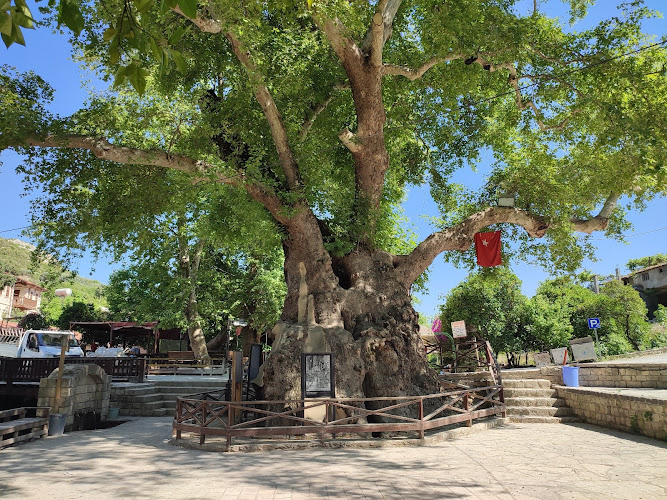
Moses Tree
Find Accommodations Nearby
Recommended Tours & Activities
Visitor Reviews
There are no reviews yet. Be the first one to write one.
Share Your Experience
Have you visited Şehit Cuma Dağ Tabiat Tarihi Müzesi? Help other travelers by leaving a review.