
Moses Tree
About Moses Tree
Description
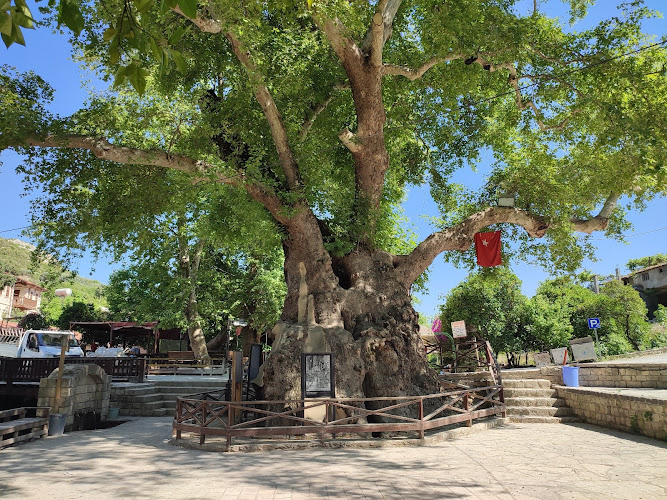
There’s something quietly mesmerizing about the Moses Tree, a gnarled old mulberry that locals believe sprouted from the very staff of the Prophet Moses. Whether you take the legend literally or not, standing before this ancient tree feels like stepping into a story whispered through centuries. The air carries a faint sweetness from the nearby orchards, and the shade beneath its sprawling branches offers a kind of peace that’s hard to find elsewhere. I remember the first time I saw it—I wasn’t expecting much, honestly. But there’s a certain aura around it, something that makes you pause, breathe, and just… feel small in the best possible way.
Over the years, the Moses Tree has become more than a religious or historical symbol—it’s a gathering place, a photo stop, and for many, a spiritual checkpoint on their travels through Hatay. You’ll often see families sipping Turkish tea nearby, kids chasing each other around the roots, and travelers trying to capture that perfect shot of the twisted trunk against the backdrop of the hills. Some say the tree is over a thousand years old, others swear it’s even older. No one really knows for sure, but when you’re there, the numbers don’t matter much. What you feel does.
And sure, it can get a bit crowded, especially on weekends. The line of visitors can stretch out, and the chatter sometimes breaks the otherwise serene atmosphere. But if you arrive early in the morning or around sunset, you’ll catch the Moses Tree in its quietest, most magical state. That’s when the light filters through the leaves in golden streaks, and the world seems to slow down just enough for you to hear the rustle of history in the breeze.
Key Features
- An ancient mulberry tree believed to have grown from the staff of Moses.
- Peaceful surroundings with shaded seating areas perfect for resting or reflection.
- Local tea stalls and small eateries offering traditional Turkish snacks and drinks.
- Wheelchair-accessible parking and paths, making it easy for everyone to visit.
- Clean restroom facilities and family-friendly amenities.
- Accepts both credit and debit cards for convenience.
- Popular among pilgrims, history buffs, and casual travelers alike.
It’s not a flashy tourist spot with neon signs or big-ticket attractions. It’s simple, understated, and deeply rooted—literally and spiritually. That’s probably what makes it so special. You don’t come here for entertainment; you come here to feel connected—to history, to nature, maybe even to something divine. And if you’re lucky, you might meet one of the locals who’ll tell you stories passed down through generations, stories that make the legend of the Moses Tree come alive in a way no guidebook could ever manage.
Best Time to Visit
Timing can make all the difference. The Moses Tree is open year-round, but the experience changes with the seasons. Spring is probably my favorite time to go—the weather is mild, the hills around are lush, and the air smells faintly of citrus from nearby groves. It’s the kind of season that makes you linger longer than planned. Summer, on the other hand, can get hot, really hot, so if you’re visiting then, aim for early morning or late afternoon when the sun isn’t too harsh. The shade from the tree helps, but trust me, you’ll still want a bottle of cold water on hand.
Autumn brings a different kind of charm. The leaves turn a deeper shade, and the crowds thin out. You can actually hear the soft hum of the wind through the branches without the buzz of chatter around you. Winter visits are possible too, though it can be a bit chilly and sometimes drizzly. Still, there’s something about standing before that ancient tree in the quiet of winter that feels almost sacred. If you’re into photography, those moody skies make for some incredible shots.
So, if I had to pick, I’d say late March through early June is the sweet spot. The weather’s perfect, the crowds haven’t peaked, and the scenery is at its best. But honestly, any time you go, you’ll find something to appreciate. The Moses Tree has that timeless quality—it doesn’t rush you, doesn’t demand anything. It just stands there, waiting for you to show up.
How to Get There
Getting to the Moses Tree isn’t complicated, but it does depend on how you like to travel. If you’re already exploring Hatay, you can easily reach it by car or taxi. The roads are decent, though a bit winding as you get closer. There’s a small parking lot nearby, and it’s usually not too crowded except on weekends or holidays. If you prefer public transport, local minibuses run from the main town to the area, dropping you off within walking distance of the site. It’s a short, pleasant walk from there—just follow the signs and the small stream of visitors heading in the same direction.
For those who like a bit of adventure, renting a scooter or bike can be a fun way to get there. The route takes you through rolling countryside, with glimpses of olive trees and small villages along the way. Just be prepared for a few steep bits if you’re cycling—it’s not exactly flat terrain. And if you’re traveling as part of a group or tour, most local guides include the Moses Tree as a stop on their itineraries, often combined with nearby historical or natural attractions. Either way, the journey itself is part of the experience. You’ll see slices of local life that most travelers miss when they rush from one big site to the next.
And a small tip from experience: keep some cash handy even though cards are accepted. Some of the smaller nearby shops or tea stalls prefer cash, and it’s nice to support them directly. Plus, you might want to pick up a small souvenir—maybe a handmade trinket or a bottle of local olive oil—to remember your visit by.
Tips for Visiting
Visiting the Moses Tree isn’t complicated, but a few small things can make your trip smoother and more enjoyable. First off, go early in the day if you can. The light is softer for photos, the air is cooler, and you’ll avoid the midday rush. If you’re someone who likes quiet, it’s worth the early wake-up. Bring a hat or scarf during the summer months—the sun can be relentless, even in the shaded areas. And if you’re traveling with kids, they’ll love exploring the area around the tree, but keep an eye on them since the ground can be uneven in spots.
Another thing—don’t rush your visit. It’s tempting to snap a few photos and move on, but take a moment to sit down, maybe grab some tea from the nearby café, and just watch the flow of people. You’ll see pilgrims touching the tree’s bark with reverence, locals chatting over coffee, and travelers like you soaking it all in. It’s one of those places where you can feel the layers of culture and belief blending together effortlessly.
And please, respect the site. This isn’t just a tourist stop—it’s a sacred place for many. Avoid climbing the roots or carving anything into the bark (yes, people still do that, unfortunately). The caretakers do a good job maintaining it, but it’s up to visitors to keep it that way. If you’re lucky, you might even meet one of them—they’re usually happy to share stories about the tree’s history and the legends tied to it. That’s how I learned about the belief that the tree’s branches once provided shade to weary travelers centuries ago. Whether that’s true or not, it adds to the magic of being there.
Lastly, bring your curiosity. The Moses Tree isn’t just about ticking a box on your travel list—it’s about feeling a connection to something ancient and enduring. You might leave with more questions than answers, but that’s kind of the point. It’s one of those rare places that remind you that travel isn’t always about seeing new things—it’s about seeing old things with new eyes.
Key Features
- An ancient mulberry tree believed to have grown from the staff of Moses.
- Peaceful surroundings with shaded seating areas perfect for resting or reflection.
- Local tea stalls and small eateries offering traditional Turkish snacks and drinks.
- Wheelchair-accessible parking and paths, making it easy for everyone to visit.
- Clean restroom facilities and family-friendly amenities.
- Accepts both credit and debit cards for convenience.
- Popular among pilgrims, history buffs, and casual travelers alike.
You Might Also Like

*BDT BELEK DOGA TOUR | Daily Tours, Day Trips and Excursions in Antalya*
1464. Sk. No:55
2006. Sk. No:2
Tours & Activities
GetYourGuide provides this tour inventory. We may earn a commission if you book through it; verify current availability, prices, and terms with the provider.
Visitor Reviews
There are no reviews yet. Be the first one to write one.
Share Your Experience
Have you visited Moses Tree? Help other travelers by leaving a review.