

Bursa Archaeological Museum
About Bursa Archaeological Museum
Description
The Bursa Archaeological Museum sits inside Kültür Park and quietly does the important job of telling the long, layered story of Bursa and the surrounding region. It is the sort of place that makes history feel tactile — you can almost hear the clink of bronze age tools or the murmur of markets from Roman times when you stand close to some of the larger stone sculptures and sarcophagi. For travelers who love artifacts, ancient history, and a calm museum experience without the crush of giant-city crowds, this museum is a pleasantly surprising stop in Bursa, Turkey.
Walking through the galleries feels a bit like walking through time. Exhibits progress from prehistoric fragments and Neolithic finds to more recognizable Roman and Byzantine pieces, then sweep into the Ottoman-era objects that link the site directly to Bursa’s later role in Turkish history. A few things here are quietly excellent: the stone works hall, where carved capitals and reliefs are displayed in a low-register, museum-lighting sort of way; a compact but revealing pottery and ceramics section that shows how everyday life evolved across centuries; and the small but well-curated collection of coins and inscriptions that delight anyone who likes to read a little past the surface texture of an object.
What travelers often notice first is how manageable the museum is. It doesn’t demand a full day unless you are the sort who wants to read every label and photograph every angle. Most people find 60 to 90 minutes enough to see the highlights and leave with a good sense of the city’s archaeological footprint. That said, slow down and take time with the larger stone pieces — there are subtle details in the carving and wear that reveal trade, conquest, and cultural blending over centuries. A little patience rewards you here.
Practical things that matter: the museum is accessible with a wheelchair-friendly entrance, parking, and restroom facilities. That’s not common everywhere, and it’s a relief on hot summer days or when traveling with elderly relatives. Families bring kids because the displays are compact and concrete enough to hold interest without being overwhelming. There’s no on-site restaurant, though, so plan ahead for snacks or a coffee break in the surrounding park. I remember arriving hungry once after spending ages staring at a particularly ornate Roman mosaic — rookie mistake. Bring water and a small snack, or plan to stroll into the park afterward for a picnic.
One of the museum’s strengths is its clarity of narrative. The curators have done a good job grouping artifacts by period and theme so the story reads well even if you don’t have a degree in archaeology. Large signs and bilingual labels help guide you through the Roman, Byzantine and Ottoman layers of history. Still, be prepared: some labels are brief. If you’re hungry for deeper context, you might want a guidebook or to join a short guided tour if available. On a personal note, discovering an ancient tombstone with inscriptions about daily life — not heroes or kings, but ordinary people — was unexpectedly moving. It felt like stumbling into a quiet diary from another era.
The collection emphasizes items found in the region, so you’ll see local ceramics, stone reliefs, bronze implements and inscriptions that together paint a picture of Bursa’s role as a crossroad between civilizations. If you’re particularly into coins, the museum has a modest but intriguing selection illustrating economic change across centuries. And for those with a soft spot for the Roman and Byzantine periods, several carved funerary monuments and architectural fragments provide a tangible link to the ancient urban fabric of the area. You can literally trace artistic trends and influences across the displays if you pay attention to motifs and materials.
What the museum does not try to be is a blockbuster, flashy institution. No giant halls of interactive screens, no sprawling multimedia extravaganzas. That’s both a plus and a minus depending on what you like. For travelers who prefer substance over spectacle, it’s a welcome, quieter museum with artifacts that reward observation. For families looking for hands-on, high-energy kid attractions, it might feel a bit restrained. Still, kids generally do well here because the exhibits are real, tangible, and not behind impenetrable glass cases everywhere.
There are a few practical quirks to keep in mind. The museum building itself is functional rather than showy; architecture lovers won’t spend long gazing at the exterior, but interior lighting and display cases are thoughtfully arranged. If the place is busy—weekend mornings or mid-season—some galleries can feel a little tight. And signage could be clearer in spots; a few artifacts would benefit from more context or better translations. On the balance though, the experience is positive. Staff on the day the writer visited were helpful, answering questions about the provenance of certain finds and pointing out small details that otherwise might have been missed.
For travelers mapping out a cultural day in Bursa, the museum pairs nicely with walks in Kültür Park and nearby historic sites. After a tour of the museum, it’s pleasant to step into the greenery, sit on a bench, and let the layers of history settle into perspective. If your travel style includes photography, the museum allows photos for personal use in most areas — but go easy with flash around fragile pieces. And don’t forget to look up: some of the carved stonework has patterns and faces tucked into higher reliefs that you might miss at first glance.
Another little thing that appealed to this writer: the atmosphere. Museums like this one reward slow curiosity. There’s a satisfying absence of forced theatrics. Instead, the artifacts and their arrangement invite you to imagine markets and workshops, to think about what daily life was like when bronze was precious and trade routes determined a city’s fortunes. You’ll catch yourself making connections — a bowl shape repeated across centuries, an inscription style that hints at changing rulers, a carving technique that traveled from one empire to another. Those moments of recognition are, to me, the core pleasure of visiting an archaeological museum.
Accessibility advances here make it a good stop if mobility is a concern, and the family-friendly layout helps when traveling with children who need to move at their own pace. Do be aware that comfort amenities are basic — restrooms are present, but the lack of a restaurant means longer visits require planning. Nearby cafés in Kültür Park handle the post-visit coffee craving well, but if your schedule is tight or you’re arriving from outside the city, stash a small bottle of water and a snack in your bag.
Finally, a note about expectations. This museum is strong on regional archaeology and historical continuity. It isn’t a national museum with vast, iconic collections from across Turkey, so if that’s what we’re after, Istanbul or Ankara might be better stops. But if the goal is to understand Bursa itself — how it grew, who lived here, how different empires left their marks — then this museum provides a clear, concise, and often quietly moving narrative. It’s a museum that rewards curiosity, a proper add-on to a Bursa itinerary for travelers who want to leave with a sense of place grounded in real artifacts, not just postcard views.
In short: a compact archaeological museum with solid collections spanning prehistoric times through Roman, Byzantine and Ottoman periods; accessible facilities; family-friendly vibes; no on-site restaurant; and lots of small, human-scale details that make the history feel immediate. If that sounds like your kind of museum day, put it on the map and give yourself a relaxed hour or two. Chances are you’ll leave with a few new details about Bursa’s long past and a better appreciation for how artifacts quietly tell big stories.
Key Features
More Details
Updated August 30, 2025
Table of Contents
Description
The Bursa Archaeological Museum sits inside Kültür Park and quietly does the important job of telling the long, layered story of Bursa and the surrounding region. It is the sort of place that makes history feel tactile — you can almost hear the clink of bronze age tools or the murmur of markets from Roman times when you stand close to some of the larger stone sculptures and sarcophagi. For travelers who love artifacts, ancient history, and a calm museum experience without the crush of giant-city crowds, this museum is a pleasantly surprising stop in Bursa, Turkey.
Walking through the galleries feels a bit like walking through time. Exhibits progress from prehistoric fragments and Neolithic finds to more recognizable Roman and Byzantine pieces, then sweep into the Ottoman-era objects that link the site directly to Bursa’s later role in Turkish history. A few things here are quietly excellent: the stone works hall, where carved capitals and reliefs are displayed in a low-register, museum-lighting sort of way; a compact but revealing pottery and ceramics section that shows how everyday life evolved across centuries; and the small but well-curated collection of coins and inscriptions that delight anyone who likes to read a little past the surface texture of an object.
What travelers often notice first is how manageable the museum is. It doesn’t demand a full day unless you are the sort who wants to read every label and photograph every angle. Most people find 60 to 90 minutes enough to see the highlights and leave with a good sense of the city’s archaeological footprint. That said, slow down and take time with the larger stone pieces — there are subtle details in the carving and wear that reveal trade, conquest, and cultural blending over centuries. A little patience rewards you here.
Practical things that matter: the museum is accessible with a wheelchair-friendly entrance, parking, and restroom facilities. That’s not common everywhere, and it’s a relief on hot summer days or when traveling with elderly relatives. Families bring kids because the displays are compact and concrete enough to hold interest without being overwhelming. There’s no on-site restaurant, though, so plan ahead for snacks or a coffee break in the surrounding park. I remember arriving hungry once after spending ages staring at a particularly ornate Roman mosaic — rookie mistake. Bring water and a small snack, or plan to stroll into the park afterward for a picnic.
One of the museum’s strengths is its clarity of narrative. The curators have done a good job grouping artifacts by period and theme so the story reads well even if you don’t have a degree in archaeology. Large signs and bilingual labels help guide you through the Roman, Byzantine and Ottoman layers of history. Still, be prepared: some labels are brief. If you’re hungry for deeper context, you might want a guidebook or to join a short guided tour if available. On a personal note, discovering an ancient tombstone with inscriptions about daily life — not heroes or kings, but ordinary people — was unexpectedly moving. It felt like stumbling into a quiet diary from another era.
The collection emphasizes items found in the region, so you’ll see local ceramics, stone reliefs, bronze implements and inscriptions that together paint a picture of Bursa’s role as a crossroad between civilizations. If you’re particularly into coins, the museum has a modest but intriguing selection illustrating economic change across centuries. And for those with a soft spot for the Roman and Byzantine periods, several carved funerary monuments and architectural fragments provide a tangible link to the ancient urban fabric of the area. You can literally trace artistic trends and influences across the displays if you pay attention to motifs and materials.
What the museum does not try to be is a blockbuster, flashy institution. No giant halls of interactive screens, no sprawling multimedia extravaganzas. That’s both a plus and a minus depending on what you like. For travelers who prefer substance over spectacle, it’s a welcome, quieter museum with artifacts that reward observation. For families looking for hands-on, high-energy kid attractions, it might feel a bit restrained. Still, kids generally do well here because the exhibits are real, tangible, and not behind impenetrable glass cases everywhere.
There are a few practical quirks to keep in mind. The museum building itself is functional rather than showy; architecture lovers won’t spend long gazing at the exterior, but interior lighting and display cases are thoughtfully arranged. If the place is busy—weekend mornings or mid-season—some galleries can feel a little tight. And signage could be clearer in spots; a few artifacts would benefit from more context or better translations. On the balance though, the experience is positive. Staff on the day the writer visited were helpful, answering questions about the provenance of certain finds and pointing out small details that otherwise might have been missed.
For travelers mapping out a cultural day in Bursa, the museum pairs nicely with walks in Kültür Park and nearby historic sites. After a tour of the museum, it’s pleasant to step into the greenery, sit on a bench, and let the layers of history settle into perspective. If your travel style includes photography, the museum allows photos for personal use in most areas — but go easy with flash around fragile pieces. And don’t forget to look up: some of the carved stonework has patterns and faces tucked into higher reliefs that you might miss at first glance.
Another little thing that appealed to this writer: the atmosphere. Museums like this one reward slow curiosity. There’s a satisfying absence of forced theatrics. Instead, the artifacts and their arrangement invite you to imagine markets and workshops, to think about what daily life was like when bronze was precious and trade routes determined a city’s fortunes. You’ll catch yourself making connections — a bowl shape repeated across centuries, an inscription style that hints at changing rulers, a carving technique that traveled from one empire to another. Those moments of recognition are, to me, the core pleasure of visiting an archaeological museum.
Accessibility advances here make it a good stop if mobility is a concern, and the family-friendly layout helps when traveling with children who need to move at their own pace. Do be aware that comfort amenities are basic — restrooms are present, but the lack of a restaurant means longer visits require planning. Nearby cafés in Kültür Park handle the post-visit coffee craving well, but if your schedule is tight or you’re arriving from outside the city, stash a small bottle of water and a snack in your bag.
Finally, a note about expectations. This museum is strong on regional archaeology and historical continuity. It isn’t a national museum with vast, iconic collections from across Turkey, so if that’s what we’re after, Istanbul or Ankara might be better stops. But if the goal is to understand Bursa itself — how it grew, who lived here, how different empires left their marks — then this museum provides a clear, concise, and often quietly moving narrative. It’s a museum that rewards curiosity, a proper add-on to a Bursa itinerary for travelers who want to leave with a sense of place grounded in real artifacts, not just postcard views.
In short: a compact archaeological museum with solid collections spanning prehistoric times through Roman, Byzantine and Ottoman periods; accessible facilities; family-friendly vibes; no on-site restaurant; and lots of small, human-scale details that make the history feel immediate. If that sounds like your kind of museum day, put it on the map and give yourself a relaxed hour or two. Chances are you’ll leave with a few new details about Bursa’s long past and a better appreciation for how artifacts quietly tell big stories.
Key Highlights
Bursa Archaeological Museum
Location
Places to Stay Near Bursa Archaeological Museum
Find and Book a Tour
Explore More Travel Guides
No reviews found! Be the first to review!
Traveler Reviews for Bursa Archaeological Museum
There are no reviews yet. Be the first one to write one.
Have you visited Bursa Archaeological Museum? Help other travelers by sharing your review.
You Might Also Like

Mevlana Museum
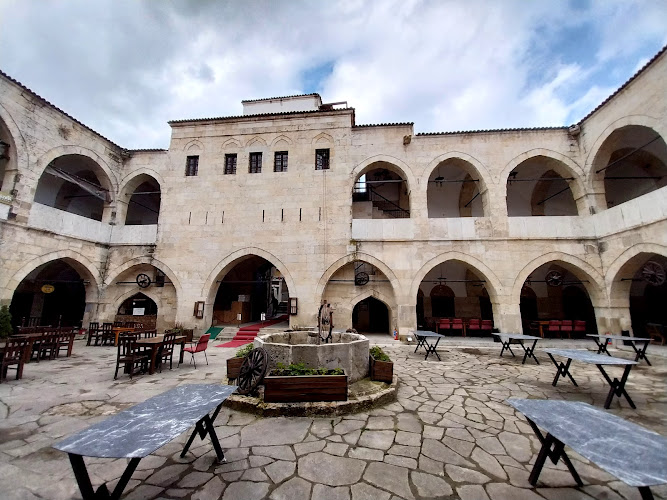
Cinci Han
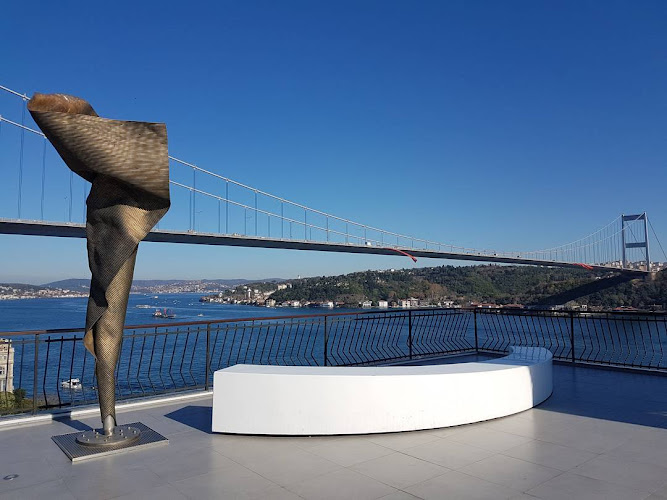
Borusan Contemporary
Find Accommodations Nearby
Recommended Tours & Activities
Visitor Reviews
There are no reviews yet. Be the first one to write one.
Share Your Experience
Have you visited Bursa Archaeological Museum? Help other travelers by leaving a review.