
Cinci Han
About Cinci Han
Description
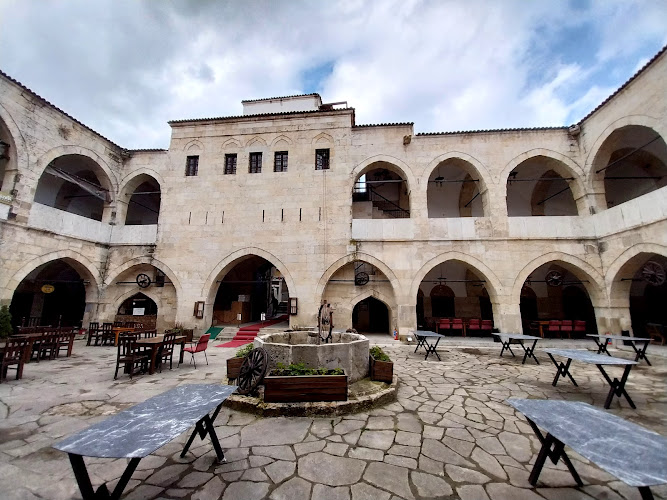
Cinci Han stands as one of Turkey's most compelling examples of Ottoman commercial architecture, offering travelers a genuine glimpse into the bustling world of 17th-century Silk Road commerce. Built during the height of the Ottoman Empire, this remarkable caravanserai served as a crucial stopover for merchants and their caravans traversing the ancient trade routes that connected East and West.
What makes Cinci Han particularly fascinating is how it seamlessly bridges past and present. And honestly, that's something you don't see every day in historical sites. The structure has evolved from its original purpose as a merchant's inn to become a multifaceted destination that houses both a museum and boutique hotel accommodations. This dual function means visitors can either explore the site during the day or actually sleep within its ancient walls – imagine waking up where Silk Road traders once rested centuries ago.
The caravanserai's architectural prowess becomes immediately apparent as you step through its imposing entrance. The central courtyard design, typical of Ottoman commercial buildings, creates an almost theatrical atmosphere where you can practically hear the echoes of medieval commerce. But what really gets me excited about places like this is how the stonework tells stories – each weathered block and carefully carved arch represents countless hours of skilled craftsmanship that has withstood the test of time.
Families will find Cinci Han particularly welcoming, as the site caters well to children with its open spaces and engaging historical displays. There's something magical about watching kids explore these ancient corridors, their imaginations running wild with tales of camel caravans and exotic spices from distant lands.
Key Features
Cinci Han offers visitors an impressive array of architectural and cultural elements that showcase Ottoman engineering and commercial practices:
- Authentic 17th-century Ottoman architecture featuring traditional stone construction and intricate geometric patterns that demonstrate the era's sophisticated building techniques
- Central courtyard design that follows classical caravanserai layout, providing insight into how merchants organized their temporary communities during lengthy trading journeys
- Original merchant rooms that have been carefully restored to show how traveling traders lived and stored their valuable goods during extended stays
- Boutique hotel accommodations within the historical structure, allowing overnight guests to experience authentic Ottoman hospitality in original merchant quarters
- Museum exhibitions displaying artifacts from the Silk Road era, including traditional crafts, trading implements, and historical documents that illuminate Safranbolu's commercial importance
- Traditional Turkish bath facilities that demonstrate how caravanserais provided essential services beyond simple lodging for weary travelers
- Artisan workshops where local craftspeople demonstrate traditional techniques used in leather working, metalwork, and textile production
- Historical dining areas that now serve authentic Ottoman cuisine, prepared using recipes passed down through generations of local families
- Photography opportunities featuring dramatic archways, ancient doorways, and atmospheric courtyards that capture the romance of Silk Road travel
- Educational programs for children and adults that explain trade route history and the cultural exchange that shaped this region
Best Time to Visit
The optimal time to experience Cinci Han largely depends on what kind of atmosphere you're seeking and your tolerance for crowds. Spring months from April to June offer perhaps the most pleasant conditions, with mild temperatures that make exploring the stone courtyards comfortable throughout the day. During this period, the morning light streaming through the arched openings creates particularly dramatic photographic opportunities that really bring out the texture of the ancient stonework.
Summer visits from July through August can be quite warm, but there's actually an advantage to this – the thick Ottoman walls provide natural cooling, demonstrating the ingenious climate control built into these structures centuries ago. Plus, summer evenings at Cinci Han are absolutely enchanting, especially if you're staying overnight in the hotel portion. The temperatures cool down just enough to make evening strolls through the courtyard genuinely magical.
Fall brings its own charm, particularly September and October when the surrounding Safranbolu region takes on those gorgeous autumn colors that complement the warm tones of the han's stone construction. And let me tell you, there's something special about experiencing this historical site when the tourist crowds thin out a bit – you get more intimate access to the spaces and can really absorb the atmosphere without constant interruptions.
Winter visits shouldn't be dismissed either, though you'll want to dress warmly. The han takes on a completely different character during colder months, and the reduced visitor numbers mean you might have entire sections to yourself. But be aware that some outdoor areas may be less accessible, and daylight hours are obviously shorter for photography enthusiasts.
For families traveling with children, shoulder seasons typically work best since the weather remains manageable while the site offers more space for kids to explore safely. Weekday visits generally provide a more relaxed experience regardless of season.
How to Get There
Reaching Cinci Han requires some planning, but the journey itself becomes part of the overall experience of visiting this remarkable region. Safranbolu sits approximately 200 kilometers north of Ankara, making it accessible by several transportation methods depending on your starting point and travel preferences.
Most international travelers find flying into Ankara Esenboğa Airport provides the most straightforward access route. From there, you can rent a car for the roughly 2.5-hour drive north through some genuinely beautiful Turkish countryside. The route takes you through rolling hills and traditional villages that offer glimpses of rural Turkish life – honestly, it's almost as interesting as the destination itself.
Bus transportation from major Turkish cities represents another viable option, with regular services connecting Safranbolu to Istanbul, Ankara, and other regional centers. The bus journey from Istanbul takes approximately 5-6 hours, but Turkish intercity buses are generally comfortable and reliable. And there's something to be said for arriving in Safranbolu by bus – it gives you time to mentally transition from modern Turkey to this historical environment.
Once you arrive in Safranbolu itself, Cinci Han is easily walkable from most accommodations within the old town area. The historical district is relatively compact, and part of its UNESCO World Heritage charm lies in exploring these narrow streets on foot. Local dolmuş (shared taxis) can help if you're staying further out or have mobility concerns.
Train connections to the region are limited, though some travelers enjoy combining rail travel to nearby cities with bus connections for the final leg. This approach takes longer but can be more scenic and culturally immersive.
For those driving, parking in Safranbolu's historical center requires some patience, especially during peak tourist seasons. Several parking areas serve the old town, but spaces fill up quickly during busy periods.
Tips for Visiting
Successful exploration of Cinci Han benefits from some insider knowledge that can significantly enhance your experience. First and foremost, arrive early in the morning when possible – not only does this provide better lighting for photography, but you'll also encounter fewer crowds and can appreciate the site's atmosphere more fully.
Comfortable walking shoes are absolutely essential since you'll be navigating uneven stone surfaces and potentially climbing stairs to reach different levels of the structure. But avoid anything too precious – these are working historical stones that have been worn smooth by centuries of foot traffic.
Photography enthusiasts should bring appropriate equipment for interior spaces, as lighting inside the han can be quite dramatic but challenging. The contrast between bright courtyards and darker interior chambers creates interesting opportunities but requires some technical consideration. And please be respectful of other visitors when positioning yourself for shots – these spaces can get crowded.
If you're planning to stay overnight in the hotel portion, book well in advance, especially during peak tourism months. The limited number of rooms means availability disappears quickly, and honestly, sleeping within these historical walls provides an incredibly unique experience that's worth planning around.
Families should consider visiting during times when educational programs might be available, as these can really bring the history alive for children who might otherwise find historical sites somewhat abstract. The interactive elements help kids understand what daily life was like for traveling merchants.
Don't rush your visit – Cinci Han rewards slow exploration and contemplation. Bring a guidebook or download information beforehand since on-site explanations may be limited depending on staffing and language availability. Taking time to sit quietly in the courtyard and imagine the bustle of historical commerce can be surprisingly moving.
Weather protection matters regardless of season. The stone construction provides some shelter, but courtyards remain exposed to sun, rain, or wind. Summer visitors should bring sun protection, while those visiting during cooler months need appropriate layers.
Finally, respect the site's dual nature as both tourist attraction and functioning hotel. Some areas may have restricted access depending on guest occupancy, and noise levels should remain appropriate for both historical reverence and consideration of overnight visitors.
Key Features
- Key Features
- Best Time to Visit
- How to Get There
- Tips for Visiting
More Details
Updated September 14, 2025
Table of Contents
Description
Cinci Han stands as one of Turkey’s most compelling examples of Ottoman commercial architecture, offering travelers a genuine glimpse into the bustling world of 17th-century Silk Road commerce. Built during the height of the Ottoman Empire, this remarkable caravanserai served as a crucial stopover for merchants and their caravans traversing the ancient trade routes that connected East and West.
What makes Cinci Han particularly fascinating is how it seamlessly bridges past and present. And honestly, that’s something you don’t see every day in historical sites. The structure has evolved from its original purpose as a merchant’s inn to become a multifaceted destination that houses both a museum and boutique hotel accommodations. This dual function means visitors can either explore the site during the day or actually sleep within its ancient walls – imagine waking up where Silk Road traders once rested centuries ago.
The caravanserai’s architectural prowess becomes immediately apparent as you step through its imposing entrance. The central courtyard design, typical of Ottoman commercial buildings, creates an almost theatrical atmosphere where you can practically hear the echoes of medieval commerce. But what really gets me excited about places like this is how the stonework tells stories – each weathered block and carefully carved arch represents countless hours of skilled craftsmanship that has withstood the test of time.
Families will find Cinci Han particularly welcoming, as the site caters well to children with its open spaces and engaging historical displays. There’s something magical about watching kids explore these ancient corridors, their imaginations running wild with tales of camel caravans and exotic spices from distant lands.
Key Features
Cinci Han offers visitors an impressive array of architectural and cultural elements that showcase Ottoman engineering and commercial practices:
- Authentic 17th-century Ottoman architecture featuring traditional stone construction and intricate geometric patterns that demonstrate the era’s sophisticated building techniques
- Central courtyard design that follows classical caravanserai layout, providing insight into how merchants organized their temporary communities during lengthy trading journeys
- Original merchant rooms that have been carefully restored to show how traveling traders lived and stored their valuable goods during extended stays
- Boutique hotel accommodations within the historical structure, allowing overnight guests to experience authentic Ottoman hospitality in original merchant quarters
- Museum exhibitions displaying artifacts from the Silk Road era, including traditional crafts, trading implements, and historical documents that illuminate Safranbolu’s commercial importance
- Traditional Turkish bath facilities that demonstrate how caravanserais provided essential services beyond simple lodging for weary travelers
- Artisan workshops where local craftspeople demonstrate traditional techniques used in leather working, metalwork, and textile production
- Historical dining areas that now serve authentic Ottoman cuisine, prepared using recipes passed down through generations of local families
- Photography opportunities featuring dramatic archways, ancient doorways, and atmospheric courtyards that capture the romance of Silk Road travel
- Educational programs for children and adults that explain trade route history and the cultural exchange that shaped this region
Best Time to Visit
The optimal time to experience Cinci Han largely depends on what kind of atmosphere you’re seeking and your tolerance for crowds. Spring months from April to June offer perhaps the most pleasant conditions, with mild temperatures that make exploring the stone courtyards comfortable throughout the day. During this period, the morning light streaming through the arched openings creates particularly dramatic photographic opportunities that really bring out the texture of the ancient stonework.
Summer visits from July through August can be quite warm, but there’s actually an advantage to this – the thick Ottoman walls provide natural cooling, demonstrating the ingenious climate control built into these structures centuries ago. Plus, summer evenings at Cinci Han are absolutely enchanting, especially if you’re staying overnight in the hotel portion. The temperatures cool down just enough to make evening strolls through the courtyard genuinely magical.
Fall brings its own charm, particularly September and October when the surrounding Safranbolu region takes on those gorgeous autumn colors that complement the warm tones of the han’s stone construction. And let me tell you, there’s something special about experiencing this historical site when the tourist crowds thin out a bit – you get more intimate access to the spaces and can really absorb the atmosphere without constant interruptions.
Winter visits shouldn’t be dismissed either, though you’ll want to dress warmly. The han takes on a completely different character during colder months, and the reduced visitor numbers mean you might have entire sections to yourself. But be aware that some outdoor areas may be less accessible, and daylight hours are obviously shorter for photography enthusiasts.
For families traveling with children, shoulder seasons typically work best since the weather remains manageable while the site offers more space for kids to explore safely. Weekday visits generally provide a more relaxed experience regardless of season.
How to Get There
Reaching Cinci Han requires some planning, but the journey itself becomes part of the overall experience of visiting this remarkable region. Safranbolu sits approximately 200 kilometers north of Ankara, making it accessible by several transportation methods depending on your starting point and travel preferences.
Most international travelers find flying into Ankara Esenboğa Airport provides the most straightforward access route. From there, you can rent a car for the roughly 2.5-hour drive north through some genuinely beautiful Turkish countryside. The route takes you through rolling hills and traditional villages that offer glimpses of rural Turkish life – honestly, it’s almost as interesting as the destination itself.
Bus transportation from major Turkish cities represents another viable option, with regular services connecting Safranbolu to Istanbul, Ankara, and other regional centers. The bus journey from Istanbul takes approximately 5-6 hours, but Turkish intercity buses are generally comfortable and reliable. And there’s something to be said for arriving in Safranbolu by bus – it gives you time to mentally transition from modern Turkey to this historical environment.
Once you arrive in Safranbolu itself, Cinci Han is easily walkable from most accommodations within the old town area. The historical district is relatively compact, and part of its UNESCO World Heritage charm lies in exploring these narrow streets on foot. Local dolmuş (shared taxis) can help if you’re staying further out or have mobility concerns.
Train connections to the region are limited, though some travelers enjoy combining rail travel to nearby cities with bus connections for the final leg. This approach takes longer but can be more scenic and culturally immersive.
For those driving, parking in Safranbolu’s historical center requires some patience, especially during peak tourist seasons. Several parking areas serve the old town, but spaces fill up quickly during busy periods.
Tips for Visiting
Successful exploration of Cinci Han benefits from some insider knowledge that can significantly enhance your experience. First and foremost, arrive early in the morning when possible – not only does this provide better lighting for photography, but you’ll also encounter fewer crowds and can appreciate the site’s atmosphere more fully.
Comfortable walking shoes are absolutely essential since you’ll be navigating uneven stone surfaces and potentially climbing stairs to reach different levels of the structure. But avoid anything too precious – these are working historical stones that have been worn smooth by centuries of foot traffic.
Photography enthusiasts should bring appropriate equipment for interior spaces, as lighting inside the han can be quite dramatic but challenging. The contrast between bright courtyards and darker interior chambers creates interesting opportunities but requires some technical consideration. And please be respectful of other visitors when positioning yourself for shots – these spaces can get crowded.
If you’re planning to stay overnight in the hotel portion, book well in advance, especially during peak tourism months. The limited number of rooms means availability disappears quickly, and honestly, sleeping within these historical walls provides an incredibly unique experience that’s worth planning around.
Families should consider visiting during times when educational programs might be available, as these can really bring the history alive for children who might otherwise find historical sites somewhat abstract. The interactive elements help kids understand what daily life was like for traveling merchants.
Don’t rush your visit – Cinci Han rewards slow exploration and contemplation. Bring a guidebook or download information beforehand since on-site explanations may be limited depending on staffing and language availability. Taking time to sit quietly in the courtyard and imagine the bustle of historical commerce can be surprisingly moving.
Weather protection matters regardless of season. The stone construction provides some shelter, but courtyards remain exposed to sun, rain, or wind. Summer visitors should bring sun protection, while those visiting during cooler months need appropriate layers.
Finally, respect the site’s dual nature as both tourist attraction and functioning hotel. Some areas may have restricted access depending on guest occupancy, and noise levels should remain appropriate for both historical reverence and consideration of overnight visitors.
Key Highlights
- Key Features
- Best Time to Visit
- How to Get There
- Tips for Visiting
Location
Places to Stay Near Cinci Han
Find and Book a Tour
Explore More Travel Guides
No reviews found! Be the first to review!
Traveler Reviews for Cinci Han
There are no reviews yet. Be the first one to write one.
Have you visited Cinci Han? Help other travelers by sharing your review.
You Might Also Like
Veterans Museum

Botanical Park

Istanbul Aquarium
Find Accommodations Nearby
Recommended Tours & Activities
Visitor Reviews
There are no reviews yet. Be the first one to write one.
Share Your Experience
Have you visited Cinci Han? Help other travelers by leaving a review.