
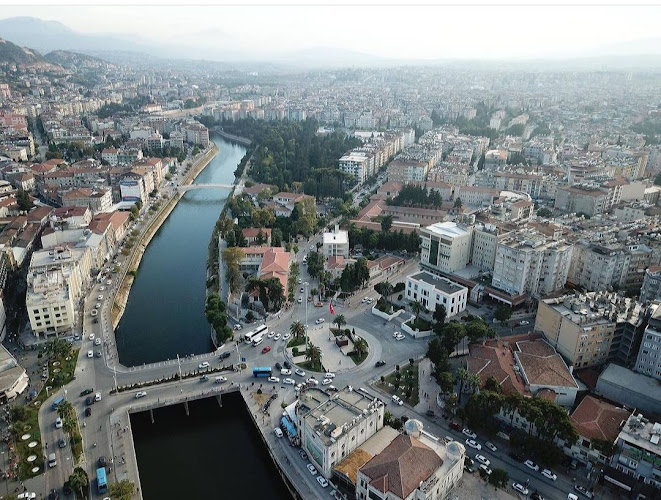
Antakya
About Antakya
Description
Antakya, also known by its ancient name Antioch, is a city that wears its history like a second skin. Every corner seems to whisper stories of empires, earthquakes, and rebirth. It’s one of those places where you can feel the layers of time under your feet — Roman mosaics beneath Ottoman houses, Byzantine churches standing near mosques, and the scent of centuries-old spice markets still lingering in the air. When you walk through its narrow streets, you don’t just see history; you breathe it in.
The city sits along the Orontes River, surrounded by soft hills and olive groves that seem to shimmer under the Mediterranean sun. What’s fascinating about Antakya is how it manages to blend the old and new without losing its essence. You might find yourself sipping Turkish coffee in a modern café one moment and exploring a Roman-era mosaic museum the next. And somehow, it all feels seamless — like the city has mastered the art of coexistence.
Locals here are warm and expressive. They’ll greet you with a smile, offer you tea (and they mean it), and share stories that make you feel like you’ve known them for years. The food, oh the food — it’s a whole experience on its own. Think of flavors that dance between Mediterranean freshness and Middle Eastern richness. I still remember trying künefe for the first time in Antakya — that crunchy, syrupy, cheesy dessert that somehow manages to taste like happiness.
Antakya isn’t just another stop on the map; it’s a living museum with a pulse. It’s a place where faiths, languages, and traditions have intertwined for millennia. And despite its share of challenges, it continues to shine with quiet resilience. If you’re drawn to places that feel real — imperfect, layered, and full of soul — Antakya will speak to you.
Key Features
- Ancient Heritage: The city’s roots stretch back to 300 BCE, once serving as one of the great cities of the Hellenistic world.
- Archaeological Marvels: Home to the Hatay Archaeology Museum, which houses one of the world’s largest collections of Roman mosaics.
- Religious Significance: Antakya is known as the place where followers of Jesus were first called “Christians.”
- Cultural Fusion: A rare blend of Turkish, Arab, and Mediterranean influences reflected in its architecture, cuisine, and daily life.
- Local Cuisine: Famous for dishes like tepsi kebabı, humus Antakya-style, and the unforgettable künefe dessert.
- Natural Beauty: Surrounded by mountains and rivers, offering scenic hikes and panoramic views of the Hatay region.
- Markets and Bazaars: The old bazaar is a sensory feast — spices, copperware, handmade soaps, and the chatter of merchants fill the air.
- Hospitality: Locals are known for their genuine warmth and openness, often inviting visitors to share a meal or a story.
Best Time to Visit
If you ask me, spring (April to June) is the sweet spot for visiting Antakya. The weather is comfortably warm, the hills are green, and the city feels alive without being overcrowded. You can stroll through the historical sites without melting under the sun or fighting for shade.
Autumn (September to early November) is another great window. The light turns golden, the air cools just enough, and the food markets overflow with fresh produce. Summer can be quite hot — we’re talking mid-30s Celsius — so if you’re not a fan of heat, plan accordingly. Winter isn’t bad either, just a bit rainy sometimes, but that has its charm too. There’s something cozy about sitting in a café, sipping Turkish tea while watching the rain fall over the old rooftops.
How to Get There
Getting to Antakya is easier than it used to be. The city is served by Hatay Airport, which connects to major Turkish cities like Istanbul and Ankara. From the airport, it’s about a 30-minute drive into the city center.
If you’re coming from other parts of Türkiye, long-distance buses are a practical and budget-friendly option. The roads are well-maintained, and the bus rides — though long — give you a glimpse of the countryside that most tourists miss. For those who love road trips, driving down from Gaziantep or Adana can be a rewarding experience. You’ll pass through small towns, olive fields, and winding mountain roads that seem straight out of a painting.
Once you’re in Antakya, getting around is simple. The city isn’t huge, so walking is often the best way to explore. Taxis and minibuses are also available if you prefer a quicker route. And honestly, half the fun is getting lost in the old streets — that’s how you stumble upon the best local bakeries and hidden courtyards.
Tips for Visiting
Here’s where the little things make a big difference. First, bring comfortable shoes. The old parts of Antakya are full of cobblestone streets that look beautiful but can be tricky after a few hours of walking. Trust me, your feet will thank you later.
Second, don’t rush. Antakya isn’t a city you “do” in a day. It’s a place you feel. Spend time at the cafes, talk to locals, and let the rhythm of the city guide you. Visit the Archaeology Museum early in the morning when it’s quiet — you’ll have the mosaics almost to yourself.
If you love food (and who doesn’t?), take a cooking class or join a local food tour. The flavors here are unlike anywhere else in Türkiye. And yes, definitely try the street food — lahmacun, içli köfte, and that heavenly künefe.
A small but important note: be respectful when visiting religious sites. Antakya is home to mosques, churches, and synagogues that have coexisted for centuries. Dress modestly, and always ask before taking photos. Locals appreciate it when visitors show genuine interest and respect for their traditions.
Lastly, keep an open mind. Antakya has been through a lot — from natural disasters to cultural shifts — yet it continues to stand proud. You might see signs of reconstruction or areas still recovering, but that’s part of its story. It’s a reminder that beauty often comes from resilience.
When you leave Antakya, you’ll likely carry more than just souvenirs. You’ll take with you a sense of connection — to the land, the people, and the countless stories that have shaped this extraordinary city. And maybe, just maybe, you’ll find yourself planning to return before you’ve even left.
Key Features
- Key Features
- Best Time to Visit
- How to Get There
- Tips for Visiting
More Details
Updated November 9, 2025
Table of Contents
Description
Antakya, also known by its ancient name Antioch, is a city that wears its history like a second skin. Every corner seems to whisper stories of empires, earthquakes, and rebirth. It’s one of those places where you can feel the layers of time under your feet — Roman mosaics beneath Ottoman houses, Byzantine churches standing near mosques, and the scent of centuries-old spice markets still lingering in the air. When you walk through its narrow streets, you don’t just see history; you breathe it in.
The city sits along the Orontes River, surrounded by soft hills and olive groves that seem to shimmer under the Mediterranean sun. What’s fascinating about Antakya is how it manages to blend the old and new without losing its essence. You might find yourself sipping Turkish coffee in a modern café one moment and exploring a Roman-era mosaic museum the next. And somehow, it all feels seamless — like the city has mastered the art of coexistence.
Locals here are warm and expressive. They’ll greet you with a smile, offer you tea (and they mean it), and share stories that make you feel like you’ve known them for years. The food, oh the food — it’s a whole experience on its own. Think of flavors that dance between Mediterranean freshness and Middle Eastern richness. I still remember trying künefe for the first time in Antakya — that crunchy, syrupy, cheesy dessert that somehow manages to taste like happiness.
Antakya isn’t just another stop on the map; it’s a living museum with a pulse. It’s a place where faiths, languages, and traditions have intertwined for millennia. And despite its share of challenges, it continues to shine with quiet resilience. If you’re drawn to places that feel real — imperfect, layered, and full of soul — Antakya will speak to you.
Key Features
- Ancient Heritage: The city’s roots stretch back to 300 BCE, once serving as one of the great cities of the Hellenistic world.
- Archaeological Marvels: Home to the Hatay Archaeology Museum, which houses one of the world’s largest collections of Roman mosaics.
- Religious Significance: Antakya is known as the place where followers of Jesus were first called “Christians.”
- Cultural Fusion: A rare blend of Turkish, Arab, and Mediterranean influences reflected in its architecture, cuisine, and daily life.
- Local Cuisine: Famous for dishes like tepsi kebabı, humus Antakya-style, and the unforgettable künefe dessert.
- Natural Beauty: Surrounded by mountains and rivers, offering scenic hikes and panoramic views of the Hatay region.
- Markets and Bazaars: The old bazaar is a sensory feast — spices, copperware, handmade soaps, and the chatter of merchants fill the air.
- Hospitality: Locals are known for their genuine warmth and openness, often inviting visitors to share a meal or a story.
Best Time to Visit
If you ask me, spring (April to June) is the sweet spot for visiting Antakya. The weather is comfortably warm, the hills are green, and the city feels alive without being overcrowded. You can stroll through the historical sites without melting under the sun or fighting for shade.
Autumn (September to early November) is another great window. The light turns golden, the air cools just enough, and the food markets overflow with fresh produce. Summer can be quite hot — we’re talking mid-30s Celsius — so if you’re not a fan of heat, plan accordingly. Winter isn’t bad either, just a bit rainy sometimes, but that has its charm too. There’s something cozy about sitting in a café, sipping Turkish tea while watching the rain fall over the old rooftops.
How to Get There
Getting to Antakya is easier than it used to be. The city is served by Hatay Airport, which connects to major Turkish cities like Istanbul and Ankara. From the airport, it’s about a 30-minute drive into the city center.
If you’re coming from other parts of Türkiye, long-distance buses are a practical and budget-friendly option. The roads are well-maintained, and the bus rides — though long — give you a glimpse of the countryside that most tourists miss. For those who love road trips, driving down from Gaziantep or Adana can be a rewarding experience. You’ll pass through small towns, olive fields, and winding mountain roads that seem straight out of a painting.
Once you’re in Antakya, getting around is simple. The city isn’t huge, so walking is often the best way to explore. Taxis and minibuses are also available if you prefer a quicker route. And honestly, half the fun is getting lost in the old streets — that’s how you stumble upon the best local bakeries and hidden courtyards.
Tips for Visiting
Here’s where the little things make a big difference. First, bring comfortable shoes. The old parts of Antakya are full of cobblestone streets that look beautiful but can be tricky after a few hours of walking. Trust me, your feet will thank you later.
Second, don’t rush. Antakya isn’t a city you “do” in a day. It’s a place you feel. Spend time at the cafes, talk to locals, and let the rhythm of the city guide you. Visit the Archaeology Museum early in the morning when it’s quiet — you’ll have the mosaics almost to yourself.
If you love food (and who doesn’t?), take a cooking class or join a local food tour. The flavors here are unlike anywhere else in Türkiye. And yes, definitely try the street food — lahmacun, içli köfte, and that heavenly künefe.
A small but important note: be respectful when visiting religious sites. Antakya is home to mosques, churches, and synagogues that have coexisted for centuries. Dress modestly, and always ask before taking photos. Locals appreciate it when visitors show genuine interest and respect for their traditions.
Lastly, keep an open mind. Antakya has been through a lot — from natural disasters to cultural shifts — yet it continues to stand proud. You might see signs of reconstruction or areas still recovering, but that’s part of its story. It’s a reminder that beauty often comes from resilience.
When you leave Antakya, you’ll likely carry more than just souvenirs. You’ll take with you a sense of connection — to the land, the people, and the countless stories that have shaped this extraordinary city. And maybe, just maybe, you’ll find yourself planning to return before you’ve even left.
Key Highlights
- Key Features
- Best Time to Visit
- How to Get There
- Tips for Visiting
Location
Places to Stay Near Antakya
Find and Book a Tour
Explore More Travel Guides
No reviews found! Be the first to review!
Traveler Reviews for Antakya
There are no reviews yet. Be the first one to write one.
Have you visited Antakya? Help other travelers by sharing your review.
You Might Also Like
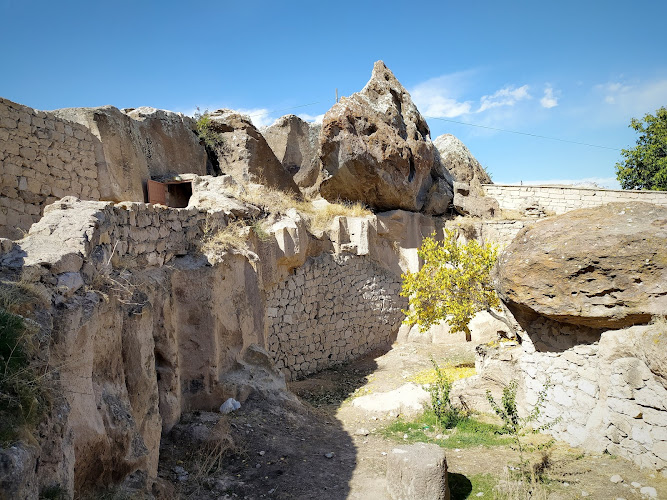
Saratlı Kırkgöz Yeraltı Şehri
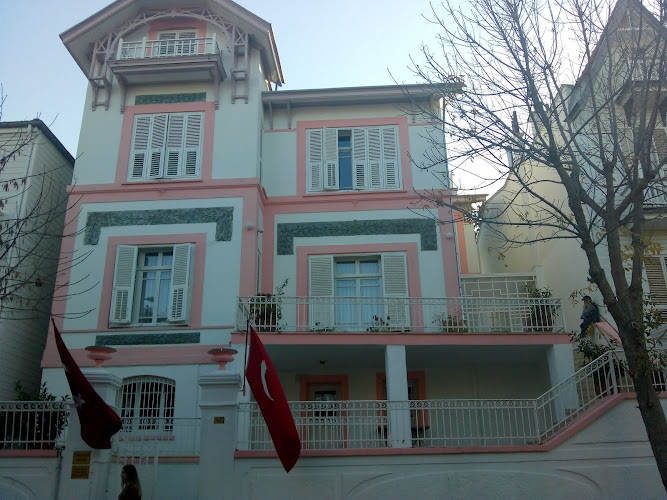
Inonu House Museum
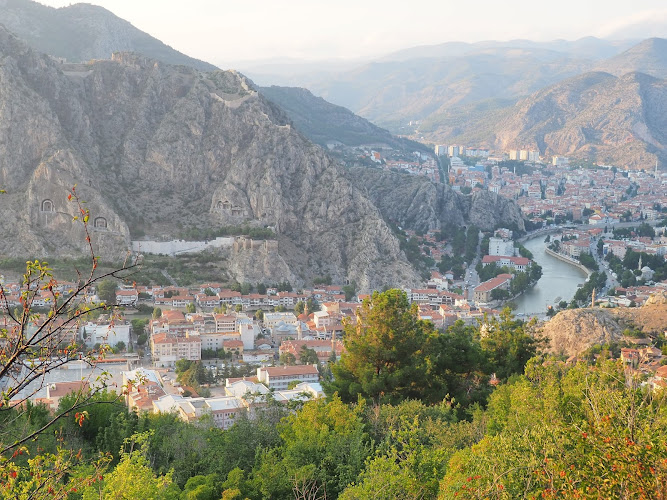
Amasya Yalıboyu Houses
Find Accommodations Nearby
Recommended Tours & Activities
Visitor Reviews
There are no reviews yet. Be the first one to write one.
Share Your Experience
Have you visited Antakya? Help other travelers by leaving a review.