

Santuario de San Pedro Claver
About Santuario de San Pedro Claver
Description
The Santuario de San Pedro Claver in Cartagena isn’t just another old church with fancy columns and stained glass. It’s a deeply human place — one that carries the weight of compassion, struggle, and redemption in every stone. Built in the early 17th century by Jesuit priests, this sanctuary honors Saint Peter Claver, a man who dedicated his life to serving enslaved Africans arriving in Cartagena’s port. He’s often called the “Apostle of the Slaves,” and honestly, standing inside the church, you can almost feel his quiet defiance against injustice echo through time.
The church itself is grand but not in a showy way. Its stone façade has weathered centuries of Caribbean sun and salt air, giving it that soft, worn look that only history can paint. Inside, sunlight filters through high arched windows, landing on the marble urn that holds the saint’s remains. It’s humbling — even for those who aren’t particularly religious. And then there’s the museum, tucked into the old monastery. It’s filled with artifacts, letters, and artwork that tell the story of Claver’s life and the people he served. I remember walking through one of the rooms and feeling an odd mix of sadness and admiration — sadness for what humanity once tolerated, and admiration for the courage it took to stand up to it.
It’s not a place you rush through. The courtyard, with its leafy trees and the sound of birds, feels like a pause button in the middle of Cartagena’s lively streets. You can sit on a bench, watch the light shift on the old stone walls, and imagine the countless souls who’ve passed through here — pilgrims, tourists, locals, and dreamers alike. Some visitors leave deeply moved; others simply appreciate the architecture and history. Either way, it leaves a mark.
Key Features
- Historic Jesuit architecture: A fine example of 17th-century colonial design with coral stone walls and vaulted ceilings.
- Saint Peter Claver’s relics: The saint’s remains are preserved in a glass urn at the high altar.
- Museum and cloister: Exhibits showcasing religious art, historical documents, and artifacts from the Jesuit missions.
- Peaceful courtyard: A tranquil space filled with greenery, fountains, and sculptures that invite reflection.
- Accessibility: The site includes a wheelchair-accessible entrance and modern amenities like restrooms.
- Spiritual and cultural significance: A UNESCO-recognized heritage site that symbolizes compassion and human rights.
Best Time to Visit
If you’ve ever been to Cartagena, you know the city doesn’t really have an off-season — it’s warm and sunny most of the year. But if you want to enjoy the Santuario de San Pedro Claver without the crowds pressing in from every angle, aim for early morning or late afternoon visits. The light is softer then, and the air feels less heavy. Between December and April, the weather is dry and perfect for walking around the old town. That said, I’ve visited in June, during the rainy season, and there was something almost poetic about the raindrops tapping against the old stones while the bells rang in the distance.
If you’re planning your trip around local events, consider visiting during Holy Week. The processions that pass through the area are moving — even if you’re not religious, you can’t help but feel the emotion in the air. But do keep in mind that it gets packed, so plan your timing carefully. Weekdays tend to be calmer, giving you space to really take in the details — the carvings, the artwork, the subtle scent of incense that lingers long after mass has ended.
How to Get There
Reaching the Santuario de San Pedro Claver is straightforward if you’re already exploring Cartagena’s old walled city. You can walk there easily from most central hotels or plazas — it’s right in the heart of the historic district, surrounded by cafés, art galleries, and small shops selling everything from handwoven bags to emerald jewelry. If you’re coming from the airport, a taxi or rideshare will get you there in about 15 minutes, depending on traffic.
Some travelers prefer to join guided walking tours that include the sanctuary as part of a larger route through the old city. I did that once, and it added a lot of context — hearing about the Jesuits’ role in colonial Cartagena while standing in front of the actual building makes history feel less like something you read in a textbook and more like something you can touch. For those with mobility needs, the church’s accessible entrance makes it one of the more accommodating historical sites in the area.
If you’re the kind of traveler who likes to wander, just follow the sound of church bells and the smell of roasted coffee drifting from nearby cafés. You’ll find it sooner than you think.
Tips for Visiting
First off, take your time. This isn’t one of those “snap a few photos and move on” places. The atmosphere inside the sanctuary deserves a slow pace. Spend a few minutes in silence, even if you’re not praying — just to soak in the centuries of faith, resilience, and quiet strength that live within those walls.
Dress respectfully. It’s still an active place of worship, and while Cartagena’s heat might tempt you to wear shorts and tank tops, it’s better to opt for something modest. Light cotton clothes work fine. And if you’re visiting during a service, be mindful — step quietly, avoid flash photography, and maybe just sit for a while to listen to the hymns echoing through the nave. It’s a hauntingly beautiful sound.
Bring a bottle of water and maybe a small fan or handkerchief. The inside can get warm, especially midday. And don’t skip the museum — it’s easy to overlook, but it’s where you’ll get a deeper sense of who Peter Claver really was. The exhibits are simple but powerful, and the courtyard afterward feels like a reward for taking the time to learn.
If you’re into photography, visit around 4 p.m. The light hits the façade perfectly, giving it a golden hue that makes every shot look cinematic. Even if you’re just using your phone, you’ll walk away with photos that tell a story. And if you’re lucky, you might catch a wedding or local event happening nearby — the energy in the square during those moments is contagious.
One last thing: don’t rush off after your visit. Grab a coffee or coconut water from one of the vendors outside and watch the world go by. Street musicians often play nearby, and the mix of music, laughter, and history swirling around that plaza is the essence of Cartagena itself. It’s one of those places that reminds you travel isn’t just about seeing things — it’s about feeling them.
Key Features
- Key Features
- Best Time to Visit
- How to Get There
- Tips for Visiting
More Details
Updated October 9, 2025
Table of Contents
Description
The Santuario de San Pedro Claver in Cartagena isn’t just another old church with fancy columns and stained glass. It’s a deeply human place — one that carries the weight of compassion, struggle, and redemption in every stone. Built in the early 17th century by Jesuit priests, this sanctuary honors Saint Peter Claver, a man who dedicated his life to serving enslaved Africans arriving in Cartagena’s port. He’s often called the “Apostle of the Slaves,” and honestly, standing inside the church, you can almost feel his quiet defiance against injustice echo through time.
The church itself is grand but not in a showy way. Its stone façade has weathered centuries of Caribbean sun and salt air, giving it that soft, worn look that only history can paint. Inside, sunlight filters through high arched windows, landing on the marble urn that holds the saint’s remains. It’s humbling — even for those who aren’t particularly religious. And then there’s the museum, tucked into the old monastery. It’s filled with artifacts, letters, and artwork that tell the story of Claver’s life and the people he served. I remember walking through one of the rooms and feeling an odd mix of sadness and admiration — sadness for what humanity once tolerated, and admiration for the courage it took to stand up to it.
It’s not a place you rush through. The courtyard, with its leafy trees and the sound of birds, feels like a pause button in the middle of Cartagena’s lively streets. You can sit on a bench, watch the light shift on the old stone walls, and imagine the countless souls who’ve passed through here — pilgrims, tourists, locals, and dreamers alike. Some visitors leave deeply moved; others simply appreciate the architecture and history. Either way, it leaves a mark.
Key Features
- Historic Jesuit architecture: A fine example of 17th-century colonial design with coral stone walls and vaulted ceilings.
- Saint Peter Claver’s relics: The saint’s remains are preserved in a glass urn at the high altar.
- Museum and cloister: Exhibits showcasing religious art, historical documents, and artifacts from the Jesuit missions.
- Peaceful courtyard: A tranquil space filled with greenery, fountains, and sculptures that invite reflection.
- Accessibility: The site includes a wheelchair-accessible entrance and modern amenities like restrooms.
- Spiritual and cultural significance: A UNESCO-recognized heritage site that symbolizes compassion and human rights.
Best Time to Visit
If you’ve ever been to Cartagena, you know the city doesn’t really have an off-season — it’s warm and sunny most of the year. But if you want to enjoy the Santuario de San Pedro Claver without the crowds pressing in from every angle, aim for early morning or late afternoon visits. The light is softer then, and the air feels less heavy. Between December and April, the weather is dry and perfect for walking around the old town. That said, I’ve visited in June, during the rainy season, and there was something almost poetic about the raindrops tapping against the old stones while the bells rang in the distance.
If you’re planning your trip around local events, consider visiting during Holy Week. The processions that pass through the area are moving — even if you’re not religious, you can’t help but feel the emotion in the air. But do keep in mind that it gets packed, so plan your timing carefully. Weekdays tend to be calmer, giving you space to really take in the details — the carvings, the artwork, the subtle scent of incense that lingers long after mass has ended.
How to Get There
Reaching the Santuario de San Pedro Claver is straightforward if you’re already exploring Cartagena’s old walled city. You can walk there easily from most central hotels or plazas — it’s right in the heart of the historic district, surrounded by cafés, art galleries, and small shops selling everything from handwoven bags to emerald jewelry. If you’re coming from the airport, a taxi or rideshare will get you there in about 15 minutes, depending on traffic.
Some travelers prefer to join guided walking tours that include the sanctuary as part of a larger route through the old city. I did that once, and it added a lot of context — hearing about the Jesuits’ role in colonial Cartagena while standing in front of the actual building makes history feel less like something you read in a textbook and more like something you can touch. For those with mobility needs, the church’s accessible entrance makes it one of the more accommodating historical sites in the area.
If you’re the kind of traveler who likes to wander, just follow the sound of church bells and the smell of roasted coffee drifting from nearby cafés. You’ll find it sooner than you think.
Tips for Visiting
First off, take your time. This isn’t one of those “snap a few photos and move on” places. The atmosphere inside the sanctuary deserves a slow pace. Spend a few minutes in silence, even if you’re not praying — just to soak in the centuries of faith, resilience, and quiet strength that live within those walls.
Dress respectfully. It’s still an active place of worship, and while Cartagena’s heat might tempt you to wear shorts and tank tops, it’s better to opt for something modest. Light cotton clothes work fine. And if you’re visiting during a service, be mindful — step quietly, avoid flash photography, and maybe just sit for a while to listen to the hymns echoing through the nave. It’s a hauntingly beautiful sound.
Bring a bottle of water and maybe a small fan or handkerchief. The inside can get warm, especially midday. And don’t skip the museum — it’s easy to overlook, but it’s where you’ll get a deeper sense of who Peter Claver really was. The exhibits are simple but powerful, and the courtyard afterward feels like a reward for taking the time to learn.
If you’re into photography, visit around 4 p.m. The light hits the façade perfectly, giving it a golden hue that makes every shot look cinematic. Even if you’re just using your phone, you’ll walk away with photos that tell a story. And if you’re lucky, you might catch a wedding or local event happening nearby — the energy in the square during those moments is contagious.
One last thing: don’t rush off after your visit. Grab a coffee or coconut water from one of the vendors outside and watch the world go by. Street musicians often play nearby, and the mix of music, laughter, and history swirling around that plaza is the essence of Cartagena itself. It’s one of those places that reminds you travel isn’t just about seeing things — it’s about feeling them.
Key Highlights
- Key Features
- Best Time to Visit
- How to Get There
- Tips for Visiting
Location
Places to Stay Near Santuario de San Pedro Claver
Find and Book a Tour
Explore More Travel Guides
No reviews found! Be the first to review!
Traveler Reviews for Santuario de San Pedro Claver
There are no reviews yet. Be the first one to write one.
Have you visited Santuario de San Pedro Claver? Help other travelers by sharing your review.
You Might Also Like
Casa - Gabriel Garcia Marquez

Baluarte de Santo Domingo
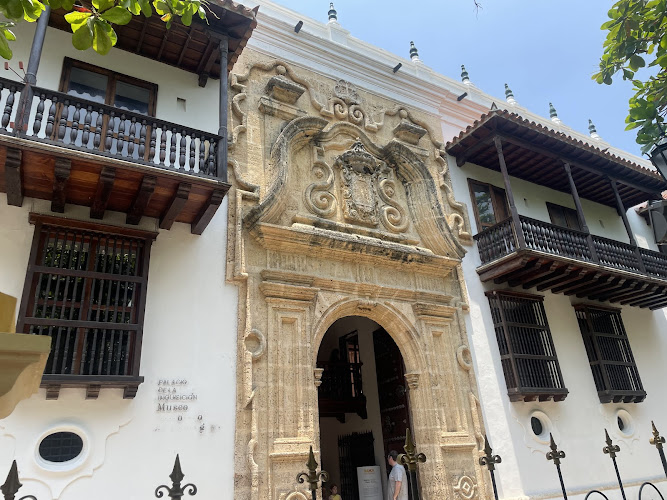
Museum of Cartagena de Indias
Find Accommodations Nearby
Recommended Tours & Activities
Visitor Reviews
There are no reviews yet. Be the first one to write one.
Share Your Experience
Have you visited Santuario de San Pedro Claver? Help other travelers by leaving a review.