
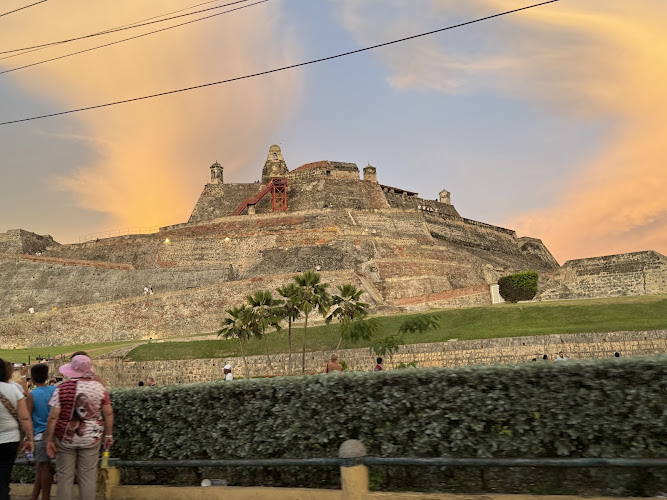
Casa – Gabriel Garcia Marquez
About Casa – Gabriel Garcia Marquez
Description
Casa – Gabriel García Márquez is one of those places that quietly hums with a kind of magic that words can barely capture. It’s not just a building; it’s a living memory of Colombia’s most celebrated writer, tucked away in the heart of Cartagena de Indias. The house feels like it’s breathing in rhythm with the city—warm, thoughtful, and a little mysterious. Walking through its corridors, you can almost hear the echo of García Márquez’s imagination, the same one that gave the world One Hundred Years of Solitude and Love in the Time of Cholera. There’s a calmness here, the sort that makes you slow down and notice the details—the soft light filtering through the shutters, the scent of salt in the air, and the distant hum of street musicians drifting from the plaza.
The architecture itself is a fascinating blend of colonial charm and understated modernity. You’ll find whitewashed walls, wooden balconies, and courtyards that seem designed for daydreaming. It’s not a grand mansion in the showy sense; it’s more of a thoughtful retreat. And that feels fitting because García Márquez was never about extravagance—he was about depth, memory, and the poetry of everyday life. The interior spaces are curated with a sense of intimacy, almost like you’re stepping into the author’s personal world. There’s a palpable sense of respect for his legacy, but also a refreshing simplicity that keeps the place from feeling like a shrine. It’s a museum, yes, but one that feels alive, not frozen in time.
Some visitors come expecting grandeur and leave surprised by how understated it is. Others find themselves unexpectedly moved by the quiet beauty of it. Personally, I think that’s what makes it special—it doesn’t try too hard. It’s the kind of place that rewards curiosity and reflection, especially if you’ve ever lost yourself in García Márquez’s stories. You can almost imagine him sitting in one of those shaded courtyards, notebook in hand, listening to the whispers of Cartagena’s streets as inspiration struck.
Key Features
- Authentic colonial-style architecture with traditional Caribbean influences
- Curated exhibits highlighting García Márquez’s life, works, and personal artifacts
- Peaceful courtyards filled with native plants and subtle design details
- Small reading nooks and quiet spaces for reflection
- Occasional cultural events, literary talks, and art installations
- Guided tours available in multiple languages for deeper insights
- Photography-friendly areas (though some rooms may have restrictions)
- Accessibility features for visitors with mobility needs
What stands out most is how the space encourages you to slow down. There’s no rush here, no sense of being herded through exhibits. You can linger, read, or simply sit and listen to the sounds of the old city outside. It’s a place that lets you connect—not just with García Márquez’s legacy, but with the soul of Cartagena itself.
Best Time to Visit
If you’re planning a visit, timing makes all the difference. Cartagena’s weather can be hot and humid, especially from May through September, so mornings or late afternoons are the most comfortable times to explore. The dry season, from December to early April, is generally the best time to visit if you want clear skies and cooler breezes. That said, there’s something oddly romantic about the rainy season too—the way the cobblestones glisten after a downpour, and the scent of wet earth mingles with sea air. I once visited in July, and while the humidity was no joke, the quieter streets made the experience more personal, almost meditative.
Weekdays are usually less crowded than weekends, and if you can swing it, try to visit early in the day before tour groups arrive. The soft morning light makes the courtyards glow, and you can take your time without feeling rushed. Also, Cartagena often hosts literary festivals and cultural events, so checking the local calendar before your trip might reward you with a special exhibition or reading dedicated to García Márquez’s work.
How to Get There
Getting to Casa – Gabriel García Márquez is fairly straightforward once you’re in Cartagena’s historic center. The old town is compact, and most attractions are within walking distance of each other. If you’re staying nearby, you can easily stroll through the cobbled streets, passing colorful facades and flower-draped balconies along the way. For those staying farther out, taxis and ride-share services are reliable and affordable options. Just be sure to confirm your fare before starting the ride—Cartagena drivers are friendly, but it’s always good to be clear upfront.
If you’re the kind of traveler who enjoys a bit of adventure, consider renting a bike or joining a guided walking tour. The journey through the old city is half the fun—every corner tells a story, and you’ll pass plenty of photo-worthy spots before you even reach the Casa. And honestly, walking gives you the best sense of Cartagena’s rhythm—the laughter, the music, the scent of arepas sizzling on street corners. It’s all part of the experience.
Tips for Visiting
Here’s where a few insider tips can make your visit smoother (and a bit more memorable):
- Go early or late: The midday sun can be intense, and mornings tend to be quieter.
- Bring water and wear light clothing: Cartagena’s heat can sneak up on you, especially if you’re walking from site to site.
- Take your time: The Casa isn’t huge, but it’s layered with meaning. Don’t rush through it—let the atmosphere sink in.
- Ask the guides questions: Many of them are locals who know fascinating stories you won’t find in guidebooks.
- Respect the space: It’s a cultural landmark and a tribute to a literary giant, so photography rules and quiet zones exist for a reason.
- Pair your visit: After exploring the Casa, wander to a nearby café for a coffee or a cold limonada de coco. It’s the perfect way to reflect on what you’ve just experienced.
- Visit during cultural events: Cartagena’s literary scene is alive and well—attending a reading or exhibition here adds a special layer to the experience.
One thing I always tell fellow travelers: don’t just “see” the Casa—feel it. Let yourself imagine the man behind the words, sitting in that courtyard, crafting worlds that blurred the line between reality and magic. There’s a quiet power in standing where he once stood, surrounded by the same Caribbean light that shaped his stories. And even if you’re not a die-hard literature fan, you’ll leave with a deeper appreciation for how place and imagination intertwine.
In the end, Casa – Gabriel García Márquez isn’t just a stop on a tourist map. It’s a reminder of how art, memory, and place can merge into something timeless. Whether you’re a traveler chasing culture, a reader chasing inspiration, or just someone curious about the man who put Macondo on the map, this house has something that lingers. Not loud or flashy—just quietly unforgettable.
Key Features
- Authentic colonial-style architecture with traditional Caribbean influences
- Curated exhibits highlighting García Márquez’s life, works, and personal artifacts
- Peaceful courtyards filled with native plants and subtle design details
- Small reading nooks and quiet spaces for reflection
- Occasional cultural events, literary talks, and art installations
- Guided tours available in multiple languages for deeper insights
- Photography-friendly areas (though some rooms may have restrictions)
- Accessibility features for visitors with mobility needs
More Details
Updated October 9, 2025
Table of Contents
Description
Casa – Gabriel García Márquez is one of those places that quietly hums with a kind of magic that words can barely capture. It’s not just a building; it’s a living memory of Colombia’s most celebrated writer, tucked away in the heart of Cartagena de Indias. The house feels like it’s breathing in rhythm with the city—warm, thoughtful, and a little mysterious. Walking through its corridors, you can almost hear the echo of García Márquez’s imagination, the same one that gave the world One Hundred Years of Solitude and Love in the Time of Cholera. There’s a calmness here, the sort that makes you slow down and notice the details—the soft light filtering through the shutters, the scent of salt in the air, and the distant hum of street musicians drifting from the plaza.
The architecture itself is a fascinating blend of colonial charm and understated modernity. You’ll find whitewashed walls, wooden balconies, and courtyards that seem designed for daydreaming. It’s not a grand mansion in the showy sense; it’s more of a thoughtful retreat. And that feels fitting because García Márquez was never about extravagance—he was about depth, memory, and the poetry of everyday life. The interior spaces are curated with a sense of intimacy, almost like you’re stepping into the author’s personal world. There’s a palpable sense of respect for his legacy, but also a refreshing simplicity that keeps the place from feeling like a shrine. It’s a museum, yes, but one that feels alive, not frozen in time.
Some visitors come expecting grandeur and leave surprised by how understated it is. Others find themselves unexpectedly moved by the quiet beauty of it. Personally, I think that’s what makes it special—it doesn’t try too hard. It’s the kind of place that rewards curiosity and reflection, especially if you’ve ever lost yourself in García Márquez’s stories. You can almost imagine him sitting in one of those shaded courtyards, notebook in hand, listening to the whispers of Cartagena’s streets as inspiration struck.
Key Features
- Authentic colonial-style architecture with traditional Caribbean influences
- Curated exhibits highlighting García Márquez’s life, works, and personal artifacts
- Peaceful courtyards filled with native plants and subtle design details
- Small reading nooks and quiet spaces for reflection
- Occasional cultural events, literary talks, and art installations
- Guided tours available in multiple languages for deeper insights
- Photography-friendly areas (though some rooms may have restrictions)
- Accessibility features for visitors with mobility needs
What stands out most is how the space encourages you to slow down. There’s no rush here, no sense of being herded through exhibits. You can linger, read, or simply sit and listen to the sounds of the old city outside. It’s a place that lets you connect—not just with García Márquez’s legacy, but with the soul of Cartagena itself.
Best Time to Visit
If you’re planning a visit, timing makes all the difference. Cartagena’s weather can be hot and humid, especially from May through September, so mornings or late afternoons are the most comfortable times to explore. The dry season, from December to early April, is generally the best time to visit if you want clear skies and cooler breezes. That said, there’s something oddly romantic about the rainy season too—the way the cobblestones glisten after a downpour, and the scent of wet earth mingles with sea air. I once visited in July, and while the humidity was no joke, the quieter streets made the experience more personal, almost meditative.
Weekdays are usually less crowded than weekends, and if you can swing it, try to visit early in the day before tour groups arrive. The soft morning light makes the courtyards glow, and you can take your time without feeling rushed. Also, Cartagena often hosts literary festivals and cultural events, so checking the local calendar before your trip might reward you with a special exhibition or reading dedicated to García Márquez’s work.
How to Get There
Getting to Casa – Gabriel García Márquez is fairly straightforward once you’re in Cartagena’s historic center. The old town is compact, and most attractions are within walking distance of each other. If you’re staying nearby, you can easily stroll through the cobbled streets, passing colorful facades and flower-draped balconies along the way. For those staying farther out, taxis and ride-share services are reliable and affordable options. Just be sure to confirm your fare before starting the ride—Cartagena drivers are friendly, but it’s always good to be clear upfront.
If you’re the kind of traveler who enjoys a bit of adventure, consider renting a bike or joining a guided walking tour. The journey through the old city is half the fun—every corner tells a story, and you’ll pass plenty of photo-worthy spots before you even reach the Casa. And honestly, walking gives you the best sense of Cartagena’s rhythm—the laughter, the music, the scent of arepas sizzling on street corners. It’s all part of the experience.
Tips for Visiting
Here’s where a few insider tips can make your visit smoother (and a bit more memorable):
- Go early or late: The midday sun can be intense, and mornings tend to be quieter.
- Bring water and wear light clothing: Cartagena’s heat can sneak up on you, especially if you’re walking from site to site.
- Take your time: The Casa isn’t huge, but it’s layered with meaning. Don’t rush through it—let the atmosphere sink in.
- Ask the guides questions: Many of them are locals who know fascinating stories you won’t find in guidebooks.
- Respect the space: It’s a cultural landmark and a tribute to a literary giant, so photography rules and quiet zones exist for a reason.
- Pair your visit: After exploring the Casa, wander to a nearby café for a coffee or a cold limonada de coco. It’s the perfect way to reflect on what you’ve just experienced.
- Visit during cultural events: Cartagena’s literary scene is alive and well—attending a reading or exhibition here adds a special layer to the experience.
One thing I always tell fellow travelers: don’t just “see” the Casa—feel it. Let yourself imagine the man behind the words, sitting in that courtyard, crafting worlds that blurred the line between reality and magic. There’s a quiet power in standing where he once stood, surrounded by the same Caribbean light that shaped his stories. And even if you’re not a die-hard literature fan, you’ll leave with a deeper appreciation for how place and imagination intertwine.
In the end, Casa – Gabriel García Márquez isn’t just a stop on a tourist map. It’s a reminder of how art, memory, and place can merge into something timeless. Whether you’re a traveler chasing culture, a reader chasing inspiration, or just someone curious about the man who put Macondo on the map, this house has something that lingers. Not loud or flashy—just quietly unforgettable.
Key Highlights
- Authentic colonial-style architecture with traditional Caribbean influences
- Curated exhibits highlighting García Márquez’s life, works, and personal artifacts
- Peaceful courtyards filled with native plants and subtle design details
- Small reading nooks and quiet spaces for reflection
- Occasional cultural events, literary talks, and art installations
- Guided tours available in multiple languages for deeper insights
- Photography-friendly areas (though some rooms may have restrictions)
- Accessibility features for visitors with mobility needs
Location
Places to Stay Near Casa - Gabriel Garcia Marquez
Find and Book a Tour
Explore More Travel Guides
No reviews found! Be the first to review!
Traveler Reviews for Casa – Gabriel Garcia Marquez
There are no reviews yet. Be the first one to write one.
Have you visited Casa – Gabriel Garcia Marquez? Help other travelers by sharing your review.
You Might Also Like

Letras de Cartagena

Centenario Park

Plazuela del Pozo
Find Accommodations Nearby
Recommended Tours & Activities
Visitor Reviews
There are no reviews yet. Be the first one to write one.
Share Your Experience
Have you visited Casa – Gabriel Garcia Marquez? Help other travelers by leaving a review.