
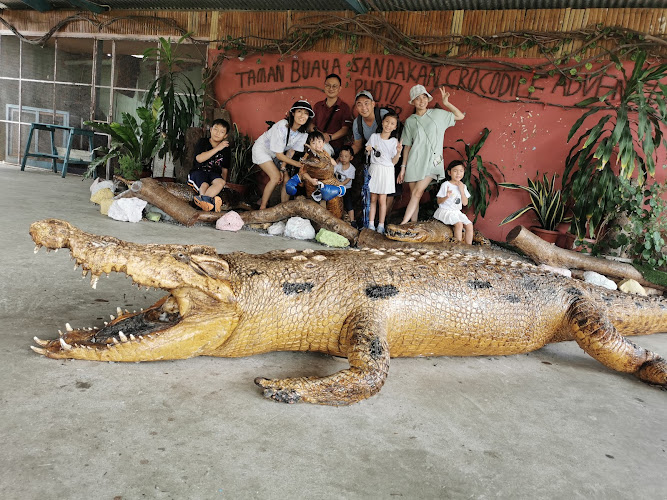
Sandakan Crocodile Farm
About Sandakan Crocodile Farm
Description
The Sandakan Crocodile Farm is one of those places that sounds a bit wild on paper, and honestly, it kind of is. This is a working crocodile farm with around 3,000 crocodiles of different sizes and species, from tiny hatchlings that barely look real to fully grown beasts that make you stop mid-sentence. And yes, it’s a tourist attraction, but it’s also a functioning facility, which gives the whole visit a more grounded, less theme-park feel.
Walking through the farm, visitors quickly realize this isn’t just about snapping a photo and moving on. The enclosures stretch out more than expected, and the heat, the smells, the sounds, it all reminds you that you’re in Borneo, not some sanitized zoo. And that’s part of the appeal. The crocs are real, the work being done here is real, and the experience feels refreshingly unpolished.
The tours guide visitors along raised walkways, offering a safe but close-up look at these reptiles. Some enclosures hold dozens of crocodiles piled on top of each other like scaly logs, barely moving. Others contain solitary giants that just lie there staring, which is somehow more unsettling. I remember standing there once, convinced one wasn’t breathing, only to see its eye slowly open. That’ll wake you up faster than coffee.
What makes the Sandakan Crocodile Farm stand out compared to other animal attractions in Sabah is that it doesn’t pretend to be something it’s not. This is a commercial farm that also welcomes tourists. Crocodiles here are bred, raised, and studied, and visitors are allowed to observe that process. Some travelers love that honesty. Others feel a bit conflicted. Both reactions are valid, and frankly, that tension is part of what makes the visit memorable.
Families often visit because it’s educational, and kids tend to be fascinated in that wide-eyed, slightly terrified way. There are information boards explaining crocodile biology, breeding cycles, and behavior, though some of them look like they’ve been sunbaked for years. Still, the core message comes through: these animals are ancient, powerful, and not to be messed with.
There’s also a viewing area where scheduled feeding sessions sometimes happen. Watching staff handle raw meat with long poles while massive crocodiles suddenly explode into motion is something you don’t forget easily. It’s loud, chaotic, and over in seconds. And afterward, everything goes quiet again, like nothing happened. That contrast alone is worth seeing.
Key Features
- Home to approximately 3,000 crocodiles, including saltwater and freshwater species
- Guided walking paths that allow close but safe viewing of crocodiles
- Educational displays explaining crocodile life cycles, behavior, and farming practices
- Occasional feeding sessions that show the animals’ raw power up close
- Kid-friendly layout with wide walkways and clear safety barriers
- Basic facilities on-site, including restrooms and shaded resting areas
- A chance to see crocodiles at every stage of growth, from hatchlings to full-grown adults
Best Time to Visit
The Sandakan Crocodile Farm is open year-round, but timing your visit can make a noticeable difference. Mornings are generally the best bet. The air is cooler, the crocodiles are slightly more active, and you’ll avoid the midday heat that can turn the walkways into a slow, sweaty march. Trust me, I’ve done the afternoon visit once, and by the end, I was more cooked than the crocs.
If you want to catch a feeding session, it’s smart to ask about the schedule when you arrive. These don’t always happen at the same time every day, and sometimes they’re skipped depending on conditions. When they do happen, they’re a highlight, especially for first-time visitors.
Rainy season doesn’t necessarily mean you should skip the farm. In fact, overcast days can be quite pleasant since the heat is less intense. But heavy rain can make parts of the farm muddy and reduce visibility. Dry season, usually between March and October, tends to offer the most comfortable conditions for walking around and taking photos.
Weekdays are quieter than weekends, especially outside school holidays. If you prefer a more relaxed visit where you’re not weaving around tour groups or impatient kids, aim for a weekday morning. And yes, the crocodiles won’t care either way, but you probably will.
How to Get There
Getting to the Sandakan Crocodile Farm is fairly straightforward, even if you’re not the most confident traveler. It’s located a short drive from Sandakan town, making it an easy half-day outing. Most visitors choose to take a taxi or ride-hailing service, which is usually affordable and saves the hassle of navigating unfamiliar roads.
If you’re staying at a hotel in Sandakan, the front desk can usually arrange transport or at least point you in the right direction. Some local tour operators include the crocodile farm as part of a broader Sandakan itinerary, often paired with wildlife centers or historical sites. That can be convenient if you don’t feel like planning every detail yourself.
For those renting a car, the drive is simple, with clear signage along the way. Parking is available on-site, though it can get busy during peak hours. Public transport options exist but can be irregular and confusing for first-time visitors. Unless you’re feeling adventurous or very patient, a direct ride is the easier option.
Tips for Visiting
First things first, wear comfortable shoes. This sounds obvious, but the farm is bigger than it looks, and you’ll be walking on concrete paths under the sun. Flip-flops might seem like a good idea until your feet start complaining halfway through.
Bring water. There are shaded areas, but it still gets hot, and dehydration sneaks up on you fast in Sabah’s climate. I once thought I could tough it out without a bottle. Bad idea. Learn from my mistakes.
Parents visiting with kids should keep them close at all times. The barriers are secure, but curious little hands have a way of reaching where they shouldn’t. The farm is generally good for children, but it’s still a place with dangerous animals, and that needs to be respected.
Photography is allowed, but be mindful of glare and reflections on the enclosures. Early morning light works best. And don’t expect every crocodile to pose perfectly. Most of them are masters of staying completely still, which is impressive in its own way.
Set your expectations realistically. This isn’t a polished, high-tech attraction with interactive screens and cafes at every corner. It’s a working farm that opens its doors to visitors. Some areas may look a bit rough around the edges, and that’s okay. If you go in expecting authenticity rather than perfection, you’ll likely enjoy it much more.
Lastly, give yourself time to read the information boards and actually watch the animals. It’s tempting to rush through, snap photos, and move on. But the longer you stand there, the more you notice subtle movements, behaviors, and interactions. And that’s when the place really starts to sink in.
The Sandakan Crocodile Farm isn’t for everyone, and it doesn’t try to be. But for travelers curious about wildlife, agriculture, and the less glamorous side of animal conservation, it offers a rare and thought-provoking experience. You’ll leave with mixed feelings, a deeper respect for crocodiles, and probably a few stories you didn’t expect to tell.
Key Features
- Home to approximately 3,000 crocodiles, including saltwater and freshwater species
- Guided walking paths that allow close but safe viewing of crocodiles
- Educational displays explaining crocodile life cycles, behavior, and farming practices
- Occasional feeding sessions that show the animals’ raw power up close
- Kid-friendly layout with wide walkways and clear safety barriers
- Basic facilities on-site, including restrooms and shaded resting areas
- A chance to see crocodiles at every stage of growth, from hatchlings to full-grown adults
More Details
Updated December 31, 2025
Table of Contents
Description
The Sandakan Crocodile Farm is one of those places that sounds a bit wild on paper, and honestly, it kind of is. This is a working crocodile farm with around 3,000 crocodiles of different sizes and species, from tiny hatchlings that barely look real to fully grown beasts that make you stop mid-sentence. And yes, it’s a tourist attraction, but it’s also a functioning facility, which gives the whole visit a more grounded, less theme-park feel.
Walking through the farm, visitors quickly realize this isn’t just about snapping a photo and moving on. The enclosures stretch out more than expected, and the heat, the smells, the sounds, it all reminds you that you’re in Borneo, not some sanitized zoo. And that’s part of the appeal. The crocs are real, the work being done here is real, and the experience feels refreshingly unpolished.
The tours guide visitors along raised walkways, offering a safe but close-up look at these reptiles. Some enclosures hold dozens of crocodiles piled on top of each other like scaly logs, barely moving. Others contain solitary giants that just lie there staring, which is somehow more unsettling. I remember standing there once, convinced one wasn’t breathing, only to see its eye slowly open. That’ll wake you up faster than coffee.
What makes the Sandakan Crocodile Farm stand out compared to other animal attractions in Sabah is that it doesn’t pretend to be something it’s not. This is a commercial farm that also welcomes tourists. Crocodiles here are bred, raised, and studied, and visitors are allowed to observe that process. Some travelers love that honesty. Others feel a bit conflicted. Both reactions are valid, and frankly, that tension is part of what makes the visit memorable.
Families often visit because it’s educational, and kids tend to be fascinated in that wide-eyed, slightly terrified way. There are information boards explaining crocodile biology, breeding cycles, and behavior, though some of them look like they’ve been sunbaked for years. Still, the core message comes through: these animals are ancient, powerful, and not to be messed with.
There’s also a viewing area where scheduled feeding sessions sometimes happen. Watching staff handle raw meat with long poles while massive crocodiles suddenly explode into motion is something you don’t forget easily. It’s loud, chaotic, and over in seconds. And afterward, everything goes quiet again, like nothing happened. That contrast alone is worth seeing.
Key Features
- Home to approximately 3,000 crocodiles, including saltwater and freshwater species
- Guided walking paths that allow close but safe viewing of crocodiles
- Educational displays explaining crocodile life cycles, behavior, and farming practices
- Occasional feeding sessions that show the animals’ raw power up close
- Kid-friendly layout with wide walkways and clear safety barriers
- Basic facilities on-site, including restrooms and shaded resting areas
- A chance to see crocodiles at every stage of growth, from hatchlings to full-grown adults
Best Time to Visit
The Sandakan Crocodile Farm is open year-round, but timing your visit can make a noticeable difference. Mornings are generally the best bet. The air is cooler, the crocodiles are slightly more active, and you’ll avoid the midday heat that can turn the walkways into a slow, sweaty march. Trust me, I’ve done the afternoon visit once, and by the end, I was more cooked than the crocs.
If you want to catch a feeding session, it’s smart to ask about the schedule when you arrive. These don’t always happen at the same time every day, and sometimes they’re skipped depending on conditions. When they do happen, they’re a highlight, especially for first-time visitors.
Rainy season doesn’t necessarily mean you should skip the farm. In fact, overcast days can be quite pleasant since the heat is less intense. But heavy rain can make parts of the farm muddy and reduce visibility. Dry season, usually between March and October, tends to offer the most comfortable conditions for walking around and taking photos.
Weekdays are quieter than weekends, especially outside school holidays. If you prefer a more relaxed visit where you’re not weaving around tour groups or impatient kids, aim for a weekday morning. And yes, the crocodiles won’t care either way, but you probably will.
How to Get There
Getting to the Sandakan Crocodile Farm is fairly straightforward, even if you’re not the most confident traveler. It’s located a short drive from Sandakan town, making it an easy half-day outing. Most visitors choose to take a taxi or ride-hailing service, which is usually affordable and saves the hassle of navigating unfamiliar roads.
If you’re staying at a hotel in Sandakan, the front desk can usually arrange transport or at least point you in the right direction. Some local tour operators include the crocodile farm as part of a broader Sandakan itinerary, often paired with wildlife centers or historical sites. That can be convenient if you don’t feel like planning every detail yourself.
For those renting a car, the drive is simple, with clear signage along the way. Parking is available on-site, though it can get busy during peak hours. Public transport options exist but can be irregular and confusing for first-time visitors. Unless you’re feeling adventurous or very patient, a direct ride is the easier option.
Tips for Visiting
First things first, wear comfortable shoes. This sounds obvious, but the farm is bigger than it looks, and you’ll be walking on concrete paths under the sun. Flip-flops might seem like a good idea until your feet start complaining halfway through.
Bring water. There are shaded areas, but it still gets hot, and dehydration sneaks up on you fast in Sabah’s climate. I once thought I could tough it out without a bottle. Bad idea. Learn from my mistakes.
Parents visiting with kids should keep them close at all times. The barriers are secure, but curious little hands have a way of reaching where they shouldn’t. The farm is generally good for children, but it’s still a place with dangerous animals, and that needs to be respected.
Photography is allowed, but be mindful of glare and reflections on the enclosures. Early morning light works best. And don’t expect every crocodile to pose perfectly. Most of them are masters of staying completely still, which is impressive in its own way.
Set your expectations realistically. This isn’t a polished, high-tech attraction with interactive screens and cafes at every corner. It’s a working farm that opens its doors to visitors. Some areas may look a bit rough around the edges, and that’s okay. If you go in expecting authenticity rather than perfection, you’ll likely enjoy it much more.
Lastly, give yourself time to read the information boards and actually watch the animals. It’s tempting to rush through, snap photos, and move on. But the longer you stand there, the more you notice subtle movements, behaviors, and interactions. And that’s when the place really starts to sink in.
The Sandakan Crocodile Farm isn’t for everyone, and it doesn’t try to be. But for travelers curious about wildlife, agriculture, and the less glamorous side of animal conservation, it offers a rare and thought-provoking experience. You’ll leave with mixed feelings, a deeper respect for crocodiles, and probably a few stories you didn’t expect to tell.
Key Highlights
- Home to approximately 3,000 crocodiles, including saltwater and freshwater species
- Guided walking paths that allow close but safe viewing of crocodiles
- Educational displays explaining crocodile life cycles, behavior, and farming practices
- Occasional feeding sessions that show the animals’ raw power up close
- Kid-friendly layout with wide walkways and clear safety barriers
- Basic facilities on-site, including restrooms and shaded resting areas
- A chance to see crocodiles at every stage of growth, from hatchlings to full-grown adults
Location
Places to Stay Near Sandakan Crocodile Farm
Find and Book a Tour
Explore More Travel Guides
No reviews found! Be the first to review!
Traveler Reviews for Sandakan Crocodile Farm
There are no reviews yet. Be the first one to write one.
Have you visited Sandakan Crocodile Farm? Help other travelers by sharing your review.
You Might Also Like
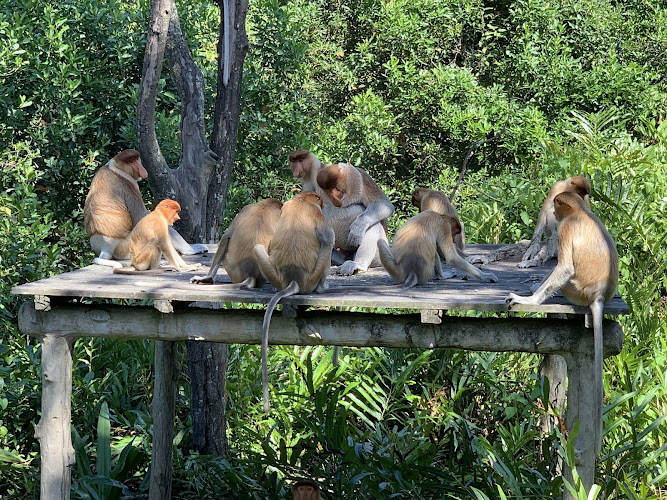
Labuk Bay Proboscis Monkey Sanctuary - Entrance
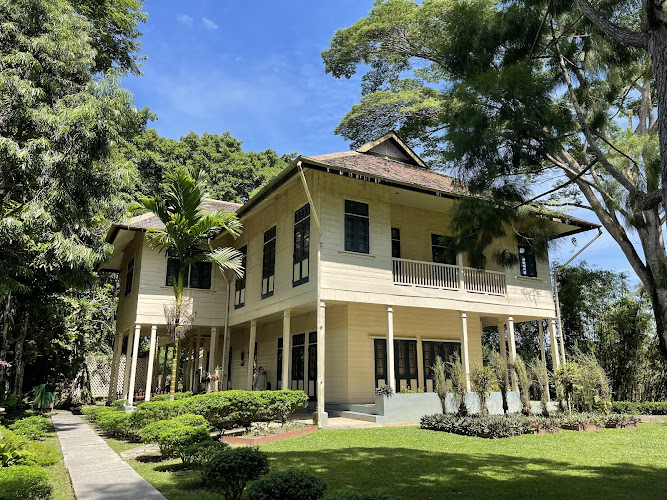
Agnes Keith House

Puu Jih Syh Temple
Find Accommodations Nearby
Recommended Tours & Activities
Visitor Reviews
There are no reviews yet. Be the first one to write one.
Share Your Experience
Have you visited Sandakan Crocodile Farm? Help other travelers by leaving a review.