
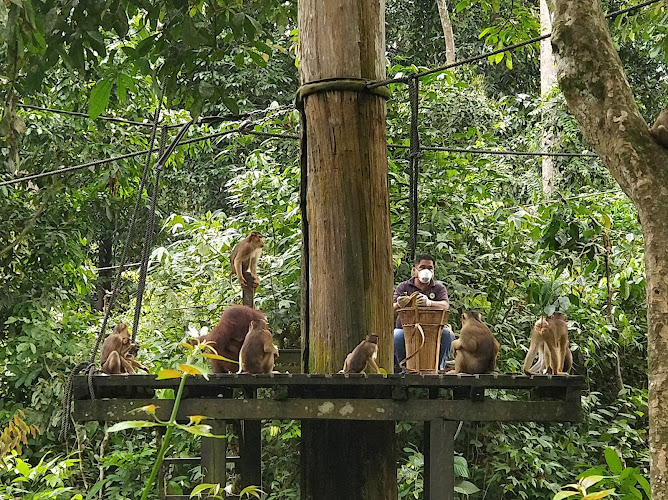
Kabili-Sepilok Forest Reserve
About Kabili-Sepilok Forest Reserve
Description
Kabili-Sepilok Forest Reserve sits just outside Sandakan, and it’s one of those places that quietly rewires how you think about rainforests. This is not a glossy theme-park version of nature. It’s real forest, sweaty and alive, with cicadas screaming in the background and the occasional monkey judging you from a tree. The reserve protects a mix of lowland rainforest and mangrove areas, and it’s globally known for its orangutan rehabilitation efforts. But honestly, the forest itself is the real star.
Walking here feels intimate. The trails aren’t vast or intimidating, yet they pull you into a thick green world fast. One minute you’re near a parking lot, and the next you’re surrounded by towering dipterocarp trees and dangling vines. I remember my first visit thinking it would be a quick stop, maybe an hour. I stayed half a day and still felt rushed. That’s the thing with Kabili-Sepilok Forest Reserve: it sneaks up on you.
The reserve plays a crucial role in conservation in Sabah, especially as surrounding areas face logging and development. This protected pocket helps maintain biodiversity, acting like a lifeboat for wildlife. Orangutans are the headliners, of course, but they’re not guaranteed sightings. And that’s actually a good thing. It means they’re living semi-wild lives, not performing on cue. You might also spot sun bears (yes, the smallest bears in the world, and ridiculously cute), macaques, hornbills, and more insects than you thought existed.
Facilities are practical and thoughtfully done. There are boardwalks and dirt trails, some of which are wheelchair accessible, which isn’t as common as it should be in nature reserves. There are picnic tables, restrooms, and shaded areas that matter more than you think once the tropical heat kicks in. It’s also a place that works well for families. Kids can walk, learn, ask too many questions, and burn off energy without feeling bored.
Is it perfect? No. Some people expect a zoo-like experience and leave disappointed. But if you come with curiosity, patience, and decent walking shoes, Kabili-Sepilok Forest Reserve delivers something richer. It offers a quiet education in how conservation actually works, messy edges and all.
Key Features
- Protected rainforest and mangrove ecosystem supporting high biodiversity
- Renowned orangutan rehabilitation area focused on ethical conservation
- Chance to see sun bears, proboscis monkeys, macaques, and rare bird species
- Well-maintained walking trails and boardwalks, including wheelchair-friendly sections
- Educational value for adults and kids without feeling like a classroom
- Picnic tables and public restrooms available inside the reserve
- Quiet atmosphere compared to more crowded tourist attractions nearby
- Opportunities for nature photography and slow, mindful exploration
Best Time to Visit
The forest is open year-round, but timing does change the experience. The best months to visit Kabili-Sepilok Forest Reserve are generally between March and October, when rainfall is lower. Lower doesn’t mean dry, by the way. This is Borneo. You should always assume rain is lurking somewhere overhead. But during these months, trails are easier to navigate and wildlife activity feels more visible.
Mornings are gold. Seriously, go early. Animals are more active, the air is cooler, and you won’t feel like your clothes are glued to you yet. I once arrived around 8 a.m. and heard gibbons calling in the distance while mist hung low over the trees. By noon, it was a different story. Hot, humid, and very quiet, wildlife-wise.
Rainy season, typically from November to February, has its own charm. The forest turns extra lush, and everything smells green and alive. But heavy downpours can make trails slippery and limit walking. If you’re okay with shorter visits and sudden rain showers, it’s still worth going. Just bring patience and a light rain jacket. And maybe an extra pair of socks. Trust me on that one.
How to Get There
Getting to Kabili-Sepilok Forest Reserve is refreshingly straightforward, especially if you’re staying in Sandakan. It’s close enough that a taxi or ride-hailing service is the easiest option. Drivers in the area know it well, especially because of the nearby orangutan-related attractions. If you’re renting a car, the roads are paved and clearly signposted, and parking is available, including accessible spaces.
Public transport is more limited but doable with some planning. Buses heading toward Sepilok can drop you off nearby, but you may need a short walk afterward. That walk, by the way, already feels like part of the experience. The greenery creeps in early, and you start hearing birds before you even reach the entrance.
Tickets are best arranged in advance, particularly during peak travel months or school holidays. Not because it always sells out, but because it saves time and hassle at the gate. And when you’re standing in humid air, every minute saved matters.
Tips for Visiting
First tip: slow down. This is not a checklist destination. If you rush through, you’ll miss the good stuff. Sit on a bench for ten minutes. Watch the trees. Let the forest come to you. That’s usually when animals appear, almost like they were waiting for you to chill out.
Wear proper shoes. The trails aren’t extreme, but they can be uneven and muddy, especially after rain. Flip-flops are a bad idea. I saw someone attempt it once and, well, they didn’t look happy. Lightweight hiking shoes or sturdy sneakers are perfect.
Bring water and snacks, but keep them secured. Monkeys are clever and absolutely shameless. Picnic tables are great for a break, just don’t wander off leaving food behind. You’ll lose that battle.
If you’re visiting with kids, turn it into a mini adventure. Ask them to spot different leaf shapes or listen for bird calls. The reserve is genuinely kid-friendly, with manageable walking distances and enough variety to keep young minds engaged. And yes, strollers can work on certain paths, which is a big win for parents.
Accessibility here deserves a mention. Wheelchair-accessible entrances and parking make it more inclusive than many forest reserves. Not every trail is accessible, but enough areas are thoughtfully designed so more people can experience the forest, and that matters.
Photography lovers should bring a zoom lens if possible. Wildlife doesn’t pose, and distances can be unpredictable. But also, don’t hide behind your camera the whole time. I’ve done that, and later realized I remembered photos more than feelings. Take both.
Finally, manage expectations. You might see orangutans. You might not. You will see forest, and you will feel the weight and wonder of a place trying to survive in a changing world. Kabili-Sepilok Forest Reserve isn’t flashy, but it’s honest. And for travelers who care about nature, conservation, and meaningful experiences, that honesty is exactly the point.
Key Features
- Protected rainforest and mangrove ecosystem supporting high biodiversity
- Renowned orangutan rehabilitation area focused on ethical conservation
- Chance to see sun bears, proboscis monkeys, macaques, and rare bird species
- Well-maintained walking trails and boardwalks, including wheelchair-friendly sections
- Educational value for adults and kids without feeling like a classroom
- Picnic tables and public restrooms available inside the reserve
- Quiet atmosphere compared to more crowded tourist attractions nearby
- Opportunities for nature photography and slow, mindful exploration
More Details
Updated December 31, 2025
Table of Contents
Description
Kabili-Sepilok Forest Reserve sits just outside Sandakan, and it’s one of those places that quietly rewires how you think about rainforests. This is not a glossy theme-park version of nature. It’s real forest, sweaty and alive, with cicadas screaming in the background and the occasional monkey judging you from a tree. The reserve protects a mix of lowland rainforest and mangrove areas, and it’s globally known for its orangutan rehabilitation efforts. But honestly, the forest itself is the real star.
Walking here feels intimate. The trails aren’t vast or intimidating, yet they pull you into a thick green world fast. One minute you’re near a parking lot, and the next you’re surrounded by towering dipterocarp trees and dangling vines. I remember my first visit thinking it would be a quick stop, maybe an hour. I stayed half a day and still felt rushed. That’s the thing with Kabili-Sepilok Forest Reserve: it sneaks up on you.
The reserve plays a crucial role in conservation in Sabah, especially as surrounding areas face logging and development. This protected pocket helps maintain biodiversity, acting like a lifeboat for wildlife. Orangutans are the headliners, of course, but they’re not guaranteed sightings. And that’s actually a good thing. It means they’re living semi-wild lives, not performing on cue. You might also spot sun bears (yes, the smallest bears in the world, and ridiculously cute), macaques, hornbills, and more insects than you thought existed.
Facilities are practical and thoughtfully done. There are boardwalks and dirt trails, some of which are wheelchair accessible, which isn’t as common as it should be in nature reserves. There are picnic tables, restrooms, and shaded areas that matter more than you think once the tropical heat kicks in. It’s also a place that works well for families. Kids can walk, learn, ask too many questions, and burn off energy without feeling bored.
Is it perfect? No. Some people expect a zoo-like experience and leave disappointed. But if you come with curiosity, patience, and decent walking shoes, Kabili-Sepilok Forest Reserve delivers something richer. It offers a quiet education in how conservation actually works, messy edges and all.
Key Features
- Protected rainforest and mangrove ecosystem supporting high biodiversity
- Renowned orangutan rehabilitation area focused on ethical conservation
- Chance to see sun bears, proboscis monkeys, macaques, and rare bird species
- Well-maintained walking trails and boardwalks, including wheelchair-friendly sections
- Educational value for adults and kids without feeling like a classroom
- Picnic tables and public restrooms available inside the reserve
- Quiet atmosphere compared to more crowded tourist attractions nearby
- Opportunities for nature photography and slow, mindful exploration
Best Time to Visit
The forest is open year-round, but timing does change the experience. The best months to visit Kabili-Sepilok Forest Reserve are generally between March and October, when rainfall is lower. Lower doesn’t mean dry, by the way. This is Borneo. You should always assume rain is lurking somewhere overhead. But during these months, trails are easier to navigate and wildlife activity feels more visible.
Mornings are gold. Seriously, go early. Animals are more active, the air is cooler, and you won’t feel like your clothes are glued to you yet. I once arrived around 8 a.m. and heard gibbons calling in the distance while mist hung low over the trees. By noon, it was a different story. Hot, humid, and very quiet, wildlife-wise.
Rainy season, typically from November to February, has its own charm. The forest turns extra lush, and everything smells green and alive. But heavy downpours can make trails slippery and limit walking. If you’re okay with shorter visits and sudden rain showers, it’s still worth going. Just bring patience and a light rain jacket. And maybe an extra pair of socks. Trust me on that one.
How to Get There
Getting to Kabili-Sepilok Forest Reserve is refreshingly straightforward, especially if you’re staying in Sandakan. It’s close enough that a taxi or ride-hailing service is the easiest option. Drivers in the area know it well, especially because of the nearby orangutan-related attractions. If you’re renting a car, the roads are paved and clearly signposted, and parking is available, including accessible spaces.
Public transport is more limited but doable with some planning. Buses heading toward Sepilok can drop you off nearby, but you may need a short walk afterward. That walk, by the way, already feels like part of the experience. The greenery creeps in early, and you start hearing birds before you even reach the entrance.
Tickets are best arranged in advance, particularly during peak travel months or school holidays. Not because it always sells out, but because it saves time and hassle at the gate. And when you’re standing in humid air, every minute saved matters.
Tips for Visiting
First tip: slow down. This is not a checklist destination. If you rush through, you’ll miss the good stuff. Sit on a bench for ten minutes. Watch the trees. Let the forest come to you. That’s usually when animals appear, almost like they were waiting for you to chill out.
Wear proper shoes. The trails aren’t extreme, but they can be uneven and muddy, especially after rain. Flip-flops are a bad idea. I saw someone attempt it once and, well, they didn’t look happy. Lightweight hiking shoes or sturdy sneakers are perfect.
Bring water and snacks, but keep them secured. Monkeys are clever and absolutely shameless. Picnic tables are great for a break, just don’t wander off leaving food behind. You’ll lose that battle.
If you’re visiting with kids, turn it into a mini adventure. Ask them to spot different leaf shapes or listen for bird calls. The reserve is genuinely kid-friendly, with manageable walking distances and enough variety to keep young minds engaged. And yes, strollers can work on certain paths, which is a big win for parents.
Accessibility here deserves a mention. Wheelchair-accessible entrances and parking make it more inclusive than many forest reserves. Not every trail is accessible, but enough areas are thoughtfully designed so more people can experience the forest, and that matters.
Photography lovers should bring a zoom lens if possible. Wildlife doesn’t pose, and distances can be unpredictable. But also, don’t hide behind your camera the whole time. I’ve done that, and later realized I remembered photos more than feelings. Take both.
Finally, manage expectations. You might see orangutans. You might not. You will see forest, and you will feel the weight and wonder of a place trying to survive in a changing world. Kabili-Sepilok Forest Reserve isn’t flashy, but it’s honest. And for travelers who care about nature, conservation, and meaningful experiences, that honesty is exactly the point.
Key Highlights
- Protected rainforest and mangrove ecosystem supporting high biodiversity
- Renowned orangutan rehabilitation area focused on ethical conservation
- Chance to see sun bears, proboscis monkeys, macaques, and rare bird species
- Well-maintained walking trails and boardwalks, including wheelchair-friendly sections
- Educational value for adults and kids without feeling like a classroom
- Picnic tables and public restrooms available inside the reserve
- Quiet atmosphere compared to more crowded tourist attractions nearby
- Opportunities for nature photography and slow, mindful exploration
Location
Places to Stay Near Kabili-Sepilok Forest Reserve
Find and Book a Tour
Explore More Travel Guides
No reviews found! Be the first to review!
Traveler Reviews for Kabili-Sepilok Forest Reserve
There are no reviews yet. Be the first one to write one.
Have you visited Kabili-Sepilok Forest Reserve? Help other travelers by sharing your review.
You Might Also Like

Puu Jih Syh Temple
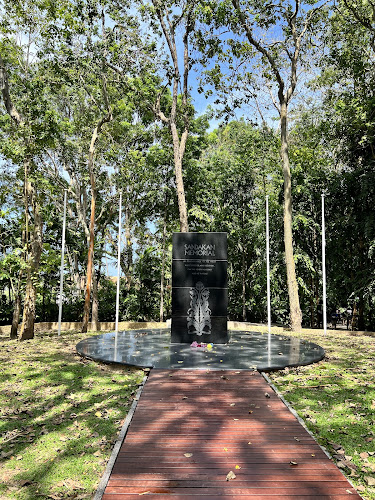
Sandakan Memorial Park

Malaysia Fountain
Find Accommodations Nearby
Recommended Tours & Activities
Visitor Reviews
There are no reviews yet. Be the first one to write one.
Share Your Experience
Have you visited Kabili-Sepilok Forest Reserve? Help other travelers by leaving a review.