
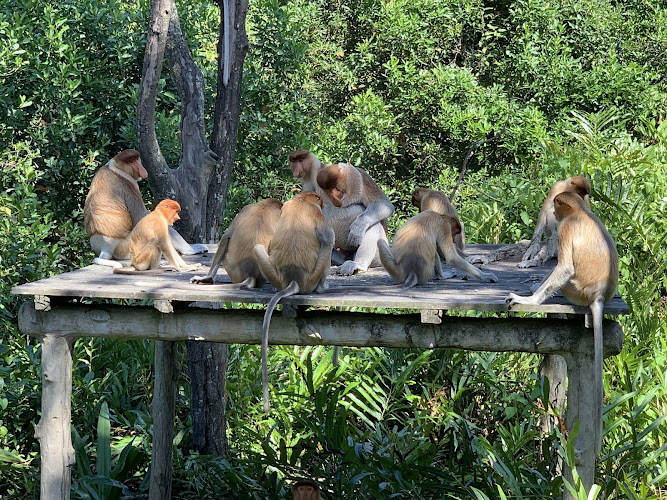
Labuk Bay Proboscis Monkey Sanctuary – Entrance
About Labuk Bay Proboscis Monkey Sanctuary – Entrance
Description
Labuk Bay Proboscis Monkey Sanctuary – Entrance is one of those places that travelers hear about before coming to Sabah, and then quietly wonder if it will live up to the hype. In short, yes… but with some caveats, and that honesty matters. This is a wildlife rescue service showpiece, not a zoo, and also not deep jungle trekking where you’re guaranteed solitude. It sits somewhere in the middle, and once you understand that, the experience makes a lot more sense.
The sanctuary was established to protect proboscis monkeys after their mangrove forest habitat was disrupted by development. And you feel that backstory when you walk in. Hundreds of monkeys roam freely across the mangrove area, swinging through trees, lounging on wooden railings, or staring at you with those unmistakable long noses that somehow look both wise and mildly confused. The monkeys are not caged. They come and go as they please, which is honestly one of the reasons the experience still feels real.
The main draw for visitors is the scheduled feeding times. These are when the proboscis monkeys, along with silver leaf monkeys and the occasional macaque, gather around elevated platforms. And yes, it can feel busy. People crowd in, cameras click nonstop, and there’s always someone whispering too loudly. But watching dozens of wild monkeys appear out of the trees all at once? Still pretty magical. I remember the first time I saw a male proboscis monkey up close, with his huge belly and that iconic nose. I actually laughed out loud. You might too.
What some travelers don’t realize is that Labuk Bay isn’t pretending to be untouched wilderness. It’s a sanctuary designed for conservation and education, with visitor access carefully controlled. That makes it accessible for families, older travelers, and anyone who doesn’t fancy sweating through a two-hour jungle hike. And yeah, purists might grumble. But there’s value in making wildlife encounters possible for more people. I’ve seen kids here get genuinely curious about conservation, and that counts for something.
The entrance area itself is well organized, with clear paths, shaded walkways, and basic facilities. It’s not luxurious, but it’s comfortable enough. The staff are generally knowledgeable, though experiences can vary depending on who you talk to and how busy the day is. Some visitors walk away absolutely thrilled. Others leave feeling it was shorter than expected. Both reactions are valid. Labuk Bay is about quality moments, not a full-day adventure.
Key Features
- Wild proboscis monkeys roaming freely in a protected mangrove environment
- Scheduled feeding sessions that attract large groups of monkeys at once
- Close-up viewing opportunities without cages or glass barriers
- Secondary sightings of silver leaf monkeys and occasional macaques
- Wooden viewing platforms designed for photography and observation
- Educational focus on conservation and habitat loss in Sabah
- Accessible layout suitable for families and less mobile travelers
- Natural mangrove setting that feels raw, not overly polished
Best Time to Visit
The best time to visit Labuk Bay Proboscis Monkey Sanctuary – Entrance really comes down to timing, not season. The monkeys are most active during feeding sessions, which usually happen twice a day, once in the morning and once in the afternoon. If you miss those windows, you might still see monkeys, but the chances drop. And then people complain. Fair enough, honestly.
Morning visits tend to be cooler and a bit calmer. The light is also better for photos, softer and less harsh, especially if you’re trying to capture that famous proboscis profile without squinting shadows. Afternoon sessions can be busier, and it gets warm, but the monkeys are just as entertaining. I’ve noticed they seem more relaxed later in the day, maybe because they know dinner is coming.
Weather-wise, Sabah is tropical, so rain is always a possibility. But light rain doesn’t stop the monkeys. Heavy downpours might. If you’re visiting during the wetter months, bring patience along with your poncho. I once stood under a shelter watching monkeys shake rain off their fur like annoyed cats, and honestly, it became one of my favorite memories from the place.
If crowds bother you, aim for weekdays and avoid school holidays. This isn’t some secret tip, but it makes a noticeable difference. Fewer people means more space to observe, breathe, and actually hear the forest sounds instead of phone notifications going off.
How to Get There
Getting to Labuk Bay Proboscis Monkey Sanctuary – Entrance is straightforward, but not exactly spontaneous. Most travelers reach it by road from nearby cities in Sabah, often as part of a half-day trip. Renting a car gives you the most flexibility, especially if you want to control your timing around feeding sessions. The drive takes you through stretches of oil palm plantations, which, while not scenic in the classic sense, do underline why sanctuaries like this exist.
Guided tours are another popular option. They’re convenient, especially if you don’t want to worry about directions or timing. The downside is that you’re on someone else’s schedule. I’ve done both, and personally, I prefer going independently. There’s something nice about lingering an extra ten minutes when the monkeys are doing something unexpectedly hilarious.
Taxis and ride services can also work, but it’s smart to arrange your return in advance. The sanctuary isn’t in an area where you can just flag down a ride afterward. That’s one of those little logistical things people forget and then grumble about later.
Tips for Visiting
First tip, and this one’s important: don’t expect a full-day experience. Plan for about one to two hours, including waiting time before a feeding session. If you go in with that mindset, you’ll likely leave satisfied rather than underwhelmed.
Bring a camera or a phone with decent zoom, but don’t obsess over the perfect shot. Some of the best moments happen when you’re not looking through a lens. I once watched a young proboscis monkey steal food from another and then act offended when chased. No photo, but the memory stuck.
Follow the rules, even if they seem obvious. Don’t feed the monkeys, don’t touch them, and don’t block pathways. These are wild animals, not performers. The sanctuary’s success depends on keeping human interference low, even during feeding times.
Wear light, breathable clothing and proper shoes. The boardwalks can be slippery, especially after rain. And yes, mosquitoes exist. Bring repellent unless you enjoy scratching your ankles for the rest of the day.
Manage expectations. This is not a pristine jungle expedition, and it’s not a theme park either. It’s a working wildlife rescue service that balances conservation with tourism. If you approach it with curiosity instead of judgment, you’ll get more out of it.
Lastly, take a moment to just stand quietly. Step back from the crowd if you can. Watch how the monkeys interact, how they move through the trees, how they glance at you and then completely lose interest. Those unscripted seconds are where Labuk Bay quietly shines, and they’re the reason many travelers, myself included, still recommend it despite its imperfections.
Key Features
- Wild proboscis monkeys roaming freely in a protected mangrove environment
- Scheduled feeding sessions that attract large groups of monkeys at once
- Close-up viewing opportunities without cages or glass barriers
- Secondary sightings of silver leaf monkeys and occasional macaques
- Wooden viewing platforms designed for photography and observation
- Educational focus on conservation and habitat loss in Sabah
- Accessible layout suitable for families and less mobile travelers
- Natural mangrove setting that feels raw, not overly polished
More Details
Updated December 31, 2025
Table of Contents
- Description
- Key Features
- Best Time to Visit
- How to Get There
- Tips for Visiting
- Key Highlights
- Location
- Places to Stay Near Labuk Bay Proboscis Monkey Sanctuary - Entrance
- Find and Book a Tour
- Explore More Travel Guides
- Nearby Places You Might Like
- Traveler Reviews for Labuk Bay Proboscis Monkey Sanctuary – Entrance
- Share Your Experience
Description
Labuk Bay Proboscis Monkey Sanctuary – Entrance is one of those places that travelers hear about before coming to Sabah, and then quietly wonder if it will live up to the hype. In short, yes… but with some caveats, and that honesty matters. This is a wildlife rescue service showpiece, not a zoo, and also not deep jungle trekking where you’re guaranteed solitude. It sits somewhere in the middle, and once you understand that, the experience makes a lot more sense.
The sanctuary was established to protect proboscis monkeys after their mangrove forest habitat was disrupted by development. And you feel that backstory when you walk in. Hundreds of monkeys roam freely across the mangrove area, swinging through trees, lounging on wooden railings, or staring at you with those unmistakable long noses that somehow look both wise and mildly confused. The monkeys are not caged. They come and go as they please, which is honestly one of the reasons the experience still feels real.
The main draw for visitors is the scheduled feeding times. These are when the proboscis monkeys, along with silver leaf monkeys and the occasional macaque, gather around elevated platforms. And yes, it can feel busy. People crowd in, cameras click nonstop, and there’s always someone whispering too loudly. But watching dozens of wild monkeys appear out of the trees all at once? Still pretty magical. I remember the first time I saw a male proboscis monkey up close, with his huge belly and that iconic nose. I actually laughed out loud. You might too.
What some travelers don’t realize is that Labuk Bay isn’t pretending to be untouched wilderness. It’s a sanctuary designed for conservation and education, with visitor access carefully controlled. That makes it accessible for families, older travelers, and anyone who doesn’t fancy sweating through a two-hour jungle hike. And yeah, purists might grumble. But there’s value in making wildlife encounters possible for more people. I’ve seen kids here get genuinely curious about conservation, and that counts for something.
The entrance area itself is well organized, with clear paths, shaded walkways, and basic facilities. It’s not luxurious, but it’s comfortable enough. The staff are generally knowledgeable, though experiences can vary depending on who you talk to and how busy the day is. Some visitors walk away absolutely thrilled. Others leave feeling it was shorter than expected. Both reactions are valid. Labuk Bay is about quality moments, not a full-day adventure.
Key Features
- Wild proboscis monkeys roaming freely in a protected mangrove environment
- Scheduled feeding sessions that attract large groups of monkeys at once
- Close-up viewing opportunities without cages or glass barriers
- Secondary sightings of silver leaf monkeys and occasional macaques
- Wooden viewing platforms designed for photography and observation
- Educational focus on conservation and habitat loss in Sabah
- Accessible layout suitable for families and less mobile travelers
- Natural mangrove setting that feels raw, not overly polished
Best Time to Visit
The best time to visit Labuk Bay Proboscis Monkey Sanctuary – Entrance really comes down to timing, not season. The monkeys are most active during feeding sessions, which usually happen twice a day, once in the morning and once in the afternoon. If you miss those windows, you might still see monkeys, but the chances drop. And then people complain. Fair enough, honestly.
Morning visits tend to be cooler and a bit calmer. The light is also better for photos, softer and less harsh, especially if you’re trying to capture that famous proboscis profile without squinting shadows. Afternoon sessions can be busier, and it gets warm, but the monkeys are just as entertaining. I’ve noticed they seem more relaxed later in the day, maybe because they know dinner is coming.
Weather-wise, Sabah is tropical, so rain is always a possibility. But light rain doesn’t stop the monkeys. Heavy downpours might. If you’re visiting during the wetter months, bring patience along with your poncho. I once stood under a shelter watching monkeys shake rain off their fur like annoyed cats, and honestly, it became one of my favorite memories from the place.
If crowds bother you, aim for weekdays and avoid school holidays. This isn’t some secret tip, but it makes a noticeable difference. Fewer people means more space to observe, breathe, and actually hear the forest sounds instead of phone notifications going off.
How to Get There
Getting to Labuk Bay Proboscis Monkey Sanctuary – Entrance is straightforward, but not exactly spontaneous. Most travelers reach it by road from nearby cities in Sabah, often as part of a half-day trip. Renting a car gives you the most flexibility, especially if you want to control your timing around feeding sessions. The drive takes you through stretches of oil palm plantations, which, while not scenic in the classic sense, do underline why sanctuaries like this exist.
Guided tours are another popular option. They’re convenient, especially if you don’t want to worry about directions or timing. The downside is that you’re on someone else’s schedule. I’ve done both, and personally, I prefer going independently. There’s something nice about lingering an extra ten minutes when the monkeys are doing something unexpectedly hilarious.
Taxis and ride services can also work, but it’s smart to arrange your return in advance. The sanctuary isn’t in an area where you can just flag down a ride afterward. That’s one of those little logistical things people forget and then grumble about later.
Tips for Visiting
First tip, and this one’s important: don’t expect a full-day experience. Plan for about one to two hours, including waiting time before a feeding session. If you go in with that mindset, you’ll likely leave satisfied rather than underwhelmed.
Bring a camera or a phone with decent zoom, but don’t obsess over the perfect shot. Some of the best moments happen when you’re not looking through a lens. I once watched a young proboscis monkey steal food from another and then act offended when chased. No photo, but the memory stuck.
Follow the rules, even if they seem obvious. Don’t feed the monkeys, don’t touch them, and don’t block pathways. These are wild animals, not performers. The sanctuary’s success depends on keeping human interference low, even during feeding times.
Wear light, breathable clothing and proper shoes. The boardwalks can be slippery, especially after rain. And yes, mosquitoes exist. Bring repellent unless you enjoy scratching your ankles for the rest of the day.
Manage expectations. This is not a pristine jungle expedition, and it’s not a theme park either. It’s a working wildlife rescue service that balances conservation with tourism. If you approach it with curiosity instead of judgment, you’ll get more out of it.
Lastly, take a moment to just stand quietly. Step back from the crowd if you can. Watch how the monkeys interact, how they move through the trees, how they glance at you and then completely lose interest. Those unscripted seconds are where Labuk Bay quietly shines, and they’re the reason many travelers, myself included, still recommend it despite its imperfections.
Key Highlights
- Wild proboscis monkeys roaming freely in a protected mangrove environment
- Scheduled feeding sessions that attract large groups of monkeys at once
- Close-up viewing opportunities without cages or glass barriers
- Secondary sightings of silver leaf monkeys and occasional macaques
- Wooden viewing platforms designed for photography and observation
- Educational focus on conservation and habitat loss in Sabah
- Accessible layout suitable for families and less mobile travelers
- Natural mangrove setting that feels raw, not overly polished
Location
Places to Stay Near Labuk Bay Proboscis Monkey Sanctuary - Entrance
Find and Book a Tour
Explore More Travel Guides
No reviews found! Be the first to review!
Traveler Reviews for Labuk Bay Proboscis Monkey Sanctuary – Entrance
There are no reviews yet. Be the first one to write one.
Have you visited Labuk Bay Proboscis Monkey Sanctuary – Entrance? Help other travelers by sharing your review.
You Might Also Like
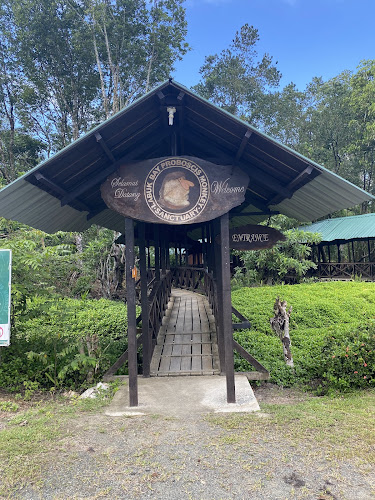
Labuk Bay Proboscis Sanctuary - Platform B
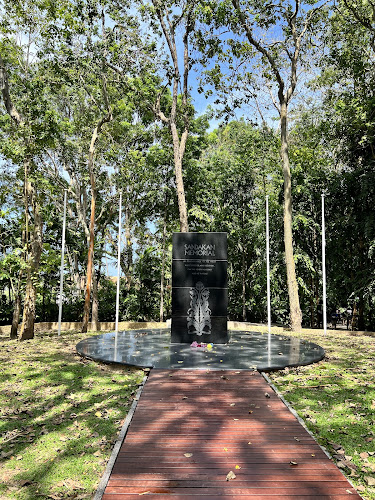
Sandakan Memorial Park

Sandakan Central Market
Find Accommodations Nearby
Recommended Tours & Activities
Visitor Reviews
There are no reviews yet. Be the first one to write one.
Share Your Experience
Have you visited Labuk Bay Proboscis Monkey Sanctuary – Entrance? Help other travelers by leaving a review.