
San Francisco de Paula
About San Francisco de Paula
Description
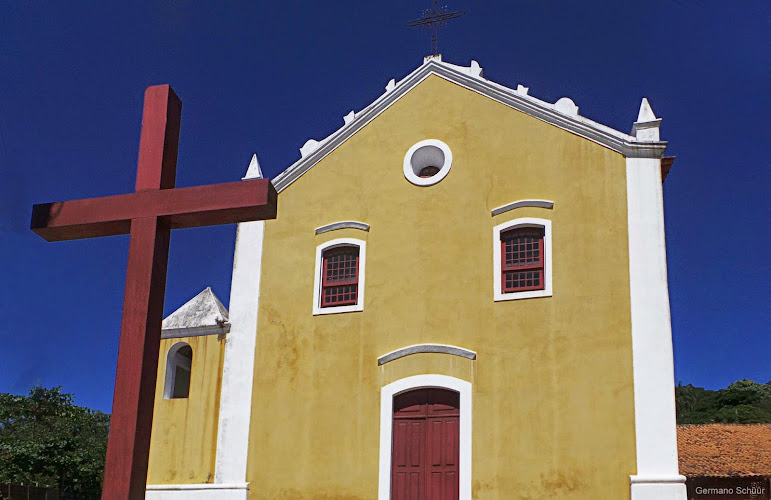
San Francisco de Paula stands as a remarkable Catholic church that draws visitors from around the world, offering far more than just religious significance. This historic attraction carries stories that span centuries, and honestly, it's one of those places that sneaks up on you with its understated beauty and deep cultural roots. When you first approach the church, you might not immediately grasp what makes it special. But that's the thing about San Francisco de Paula – it doesn't shout for attention. Instead, it invites you to slow down, step inside, and discover layers of history that have shaped the surrounding community for generations. The architecture tells its own story through weathered stones and careful restoration work that has preserved its character while making it accessible to modern visitors. What really strikes most people is the authentic atmosphere that permeates every corner of this sacred space. You won't find the tourist circus that surrounds many famous churches. And that's precisely what makes a visit here feel genuine. The local community still uses this church for regular worship, which means you're experiencing a living piece of history rather than a museum exhibit. The interior features religious artwork and details that reflect different periods of the church's existence. Some visitors spend hours examining the craftsmanship in the altars and statuary, while others simply sit in the pews and absorb the peaceful ambiance. I've heard from travelers who planned a quick fifteen-minute stop and ended up staying for over an hour because something about the place just held them there. The surrounding area adds another dimension to the experience. The church sits within a community that has grown up around it, and you'll often see locals going about their daily routines, which provides context that guidebooks can't capture. It's this blend of sacred space and everyday life that creates something memorable.Key Features
San Francisco de Paula offers several distinctive elements that make it worth including on your travel itinerary: • Complete wheelchair accessibility with dedicated entrance and parking facilities, making it welcoming for visitors of all mobility levels • Historic architecture that showcases traditional Catholic church design with regional influences that you won't see replicated elsewhere • Active religious community that maintains the church as a functioning place of worship, providing authenticity to your visit • Restroom facilities on-site, which is more practical than it sounds when you're exploring areas where modern amenities aren't always guaranteed • Peaceful atmosphere that provides a genuine respite from typical tourist crowds and commercial attractions • Religious artwork and statuary representing different eras of the church's history, offering visual storytelling for those interested in cultural heritage • Photography opportunities throughout the interior and exterior spaces, though visitors should be respectful of ongoing services • Connection to local history that extends beyond the church walls into the surrounding community and regional development • Free admission that makes it accessible regardless of your travel budget • Well-maintained grounds that reflect the community's ongoing commitment to preserving this landmarkBest Time to Visit
Timing your visit to San Francisco de Paula can make a real difference in your experience, and there's no single "perfect" time because it depends on what you're hoping to get out of it. For those wanting to experience the church during regular worship services, attending mass provides the most authentic glimpse into how the community uses this space. The energy completely changes when the church fills with local parishioners, and you'll hear the acoustics come alive with hymns and prayers. Just remember that you're a guest in someone's religious observance, so respectful behavior is essential. If you prefer exploring without crowds, weekday mornings typically offer quieter moments when you can wander and observe at your own pace. The light filters through the windows differently depending on the time of day, and early visitors often get the best natural lighting for photography. But don't sleep in too late – some churches close during midday hours. Weather considerations matter less here than at outdoor attractions, which makes San Francisco de Paula an excellent option for rainy days or when you need a break from the heat. The thick walls maintain a relatively stable temperature year-round, though you might want to bring a light jacket since stone churches tend to stay cool even in warm weather. Religious holidays and feast days transform the church with special decorations and services. These occasions provide extraordinary experiences if you're interested in Catholic traditions, but they also attract larger crowds. The feast day of Saint Francis of Paola himself falls in April, and if you happen to be in the area during this time, the celebrations offer unique cultural insights. Honestly, I'd avoid trying to squeeze in a visit during major tourist season peaks unless you don't mind sharing the space with tour groups. The church maintains its dignity regardless of how many people are present, but there's something special about experiencing it when you can actually hear your own thoughts.How to Get There
Getting to San Francisco de Paula requires some planning, but it's definitely manageable for travelers with various experience levels and transportation preferences. Most visitors find that hiring a taxi or using ride-sharing services provides the most straightforward option, especially if you're not familiar with the local area. The drivers generally know the church well since it serves as a community landmark. Just make sure your driver understands you want to be picked up again at a specific time if you're not planning to arrange return transportation separately. Public transportation exists in the area, though routes and schedules can be irregular depending on the day and time. If you're adventurous and want to save money, local buses do serve the vicinity. Ask your hotel staff for current route information since these things change more often than printed maps suggest. And be prepared for the bus experience to take longer than you might expect – but that's part of the adventure, right? For those renting a car, you'll appreciate the wheelchair-accessible parking lot that makes arrival relatively stress-free. Driving yourself provides flexibility to explore the surrounding area at your own pace and perhaps discover other local spots that aren't on the typical tourist trail. Just be aware that driving customs might differ from what you're used to at home, and parking expectations vary by location. Some organized tours include San Francisco de Paula as part of broader itineraries covering multiple historical or religious sites. This can be convenient if you're short on time or prefer having a guide to provide context. However, you'll have less control over how long you can stay and when you visit. Walking to the church is possible if you're staying relatively nearby, and the neighborhood itself offers interesting observations for travelers who enjoy experiencing local life. The accessibility features mean that even visitors with mobility challenges can manage the actual entrance once they arrive.Tips for Visiting
Making the most of your visit to San Francisco de Paula involves some practical considerations that guidebooks don't always mention. Dress appropriately for a religious site. This means covering shoulders and knees at minimum, and avoiding anything too flashy or revealing. Churches take these expectations seriously, and you don't want to be turned away at the entrance or made to feel uncomfortable. When in doubt, bring a scarf or light cover-up that you can add if needed. Photography is generally permitted, but be mindful of the setting and circumstances. If a service is taking place, either refrain from taking pictures or be extremely discreet. Flash photography can be disruptive and disrespectful, especially during worship. Some areas within the church might have specific restrictions posted, so pay attention to signage. The restroom facilities are available, but this is still a church rather than a commercial attraction. Come prepared with any personal items you might need, and don't expect resort-level amenities. The fact that they provide restrooms at all is actually quite accommodating. Consider bringing a small donation if you're able. While admission is free, these historic churches face constant maintenance expenses, and most operate with limited budgets. Even a modest contribution helps preserve the site for future visitors. You'll typically find a donation box near the entrance. Plan for at least 30-45 minutes if you want to properly experience the space, though many visitors end up staying longer once they're there. Rushing through defeats the purpose and you'll miss details that make the visit worthwhile. Respect the space and the people who consider it sacred. This should go without saying, but keep voices low, turn off phone ringers, and remember that you're a guest. The local community has welcomed visitors into their church, and maintaining that access depends on everyone behaving thoughtfully. If you're visiting during services, arrive either well before they start or plan to stay for the entire service. Entering or leaving during mass is disruptive and considered rude. You can always check the schedule beforehand if you want to time your visit accordingly. Bring water and any necessary medications with you, especially if you have specific health needs. While the church has restrooms, it's not set up as a place to purchase refreshments or supplies. Take time to sit quietly for a few minutes, even if you're not religious. There's something centering about old churches that transcends specific beliefs, and you might be surprised by how restorative a few moments of stillness can feel in the middle of a busy travel schedule.Key Features
- 19th-century colonial architecture with whitewashed façade and bell tower
- Intimate nave featuring period woodwork and modest religious art
- Active parish life with regular masses and local devotional events
- Photogenic setting near Jurerê Leste beaches and seaside neighborhoods
- Accessible attraction for cultural and heritage-focused visitors
More Details
Updated March 30, 2026
Table of Contents
Description
San Francisco de Paula stands as a remarkable Catholic church that draws visitors from around the world, offering far more than just religious significance. This historic attraction carries stories that span centuries, and honestly, it’s one of those places that sneaks up on you with its understated beauty and deep cultural roots.
When you first approach the church, you might not immediately grasp what makes it special. But that’s the thing about San Francisco de Paula – it doesn’t shout for attention. Instead, it invites you to slow down, step inside, and discover layers of history that have shaped the surrounding community for generations. The architecture tells its own story through weathered stones and careful restoration work that has preserved its character while making it accessible to modern visitors.
What really strikes most people is the authentic atmosphere that permeates every corner of this sacred space. You won’t find the tourist circus that surrounds many famous churches. And that’s precisely what makes a visit here feel genuine. The local community still uses this church for regular worship, which means you’re experiencing a living piece of history rather than a museum exhibit.
The interior features religious artwork and details that reflect different periods of the church’s existence. Some visitors spend hours examining the craftsmanship in the altars and statuary, while others simply sit in the pews and absorb the peaceful ambiance. I’ve heard from travelers who planned a quick fifteen-minute stop and ended up staying for over an hour because something about the place just held them there.
The surrounding area adds another dimension to the experience. The church sits within a community that has grown up around it, and you’ll often see locals going about their daily routines, which provides context that guidebooks can’t capture. It’s this blend of sacred space and everyday life that creates something memorable.
Key Features
San Francisco de Paula offers several distinctive elements that make it worth including on your travel itinerary:
• Complete wheelchair accessibility with dedicated entrance and parking facilities, making it welcoming for visitors of all mobility levels
• Historic architecture that showcases traditional Catholic church design with regional influences that you won’t see replicated elsewhere
• Active religious community that maintains the church as a functioning place of worship, providing authenticity to your visit
• Restroom facilities on-site, which is more practical than it sounds when you’re exploring areas where modern amenities aren’t always guaranteed
• Peaceful atmosphere that provides a genuine respite from typical tourist crowds and commercial attractions
• Religious artwork and statuary representing different eras of the church’s history, offering visual storytelling for those interested in cultural heritage
• Photography opportunities throughout the interior and exterior spaces, though visitors should be respectful of ongoing services
• Connection to local history that extends beyond the church walls into the surrounding community and regional development
• Free admission that makes it accessible regardless of your travel budget
• Well-maintained grounds that reflect the community’s ongoing commitment to preserving this landmark
Best Time to Visit
Timing your visit to San Francisco de Paula can make a real difference in your experience, and there’s no single “perfect” time because it depends on what you’re hoping to get out of it.
For those wanting to experience the church during regular worship services, attending mass provides the most authentic glimpse into how the community uses this space. The energy completely changes when the church fills with local parishioners, and you’ll hear the acoustics come alive with hymns and prayers. Just remember that you’re a guest in someone’s religious observance, so respectful behavior is essential.
If you prefer exploring without crowds, weekday mornings typically offer quieter moments when you can wander and observe at your own pace. The light filters through the windows differently depending on the time of day, and early visitors often get the best natural lighting for photography. But don’t sleep in too late – some churches close during midday hours.
Weather considerations matter less here than at outdoor attractions, which makes San Francisco de Paula an excellent option for rainy days or when you need a break from the heat. The thick walls maintain a relatively stable temperature year-round, though you might want to bring a light jacket since stone churches tend to stay cool even in warm weather.
Religious holidays and feast days transform the church with special decorations and services. These occasions provide extraordinary experiences if you’re interested in Catholic traditions, but they also attract larger crowds. The feast day of Saint Francis of Paola himself falls in April, and if you happen to be in the area during this time, the celebrations offer unique cultural insights.
Honestly, I’d avoid trying to squeeze in a visit during major tourist season peaks unless you don’t mind sharing the space with tour groups. The church maintains its dignity regardless of how many people are present, but there’s something special about experiencing it when you can actually hear your own thoughts.
How to Get There
Getting to San Francisco de Paula requires some planning, but it’s definitely manageable for travelers with various experience levels and transportation preferences.
Most visitors find that hiring a taxi or using ride-sharing services provides the most straightforward option, especially if you’re not familiar with the local area. The drivers generally know the church well since it serves as a community landmark. Just make sure your driver understands you want to be picked up again at a specific time if you’re not planning to arrange return transportation separately.
Public transportation exists in the area, though routes and schedules can be irregular depending on the day and time. If you’re adventurous and want to save money, local buses do serve the vicinity. Ask your hotel staff for current route information since these things change more often than printed maps suggest. And be prepared for the bus experience to take longer than you might expect – but that’s part of the adventure, right?
For those renting a car, you’ll appreciate the wheelchair-accessible parking lot that makes arrival relatively stress-free. Driving yourself provides flexibility to explore the surrounding area at your own pace and perhaps discover other local spots that aren’t on the typical tourist trail. Just be aware that driving customs might differ from what you’re used to at home, and parking expectations vary by location.
Some organized tours include San Francisco de Paula as part of broader itineraries covering multiple historical or religious sites. This can be convenient if you’re short on time or prefer having a guide to provide context. However, you’ll have less control over how long you can stay and when you visit.
Walking to the church is possible if you’re staying relatively nearby, and the neighborhood itself offers interesting observations for travelers who enjoy experiencing local life. The accessibility features mean that even visitors with mobility challenges can manage the actual entrance once they arrive.
Tips for Visiting
Making the most of your visit to San Francisco de Paula involves some practical considerations that guidebooks don’t always mention.
Dress appropriately for a religious site. This means covering shoulders and knees at minimum, and avoiding anything too flashy or revealing. Churches take these expectations seriously, and you don’t want to be turned away at the entrance or made to feel uncomfortable. When in doubt, bring a scarf or light cover-up that you can add if needed.
Photography is generally permitted, but be mindful of the setting and circumstances. If a service is taking place, either refrain from taking pictures or be extremely discreet. Flash photography can be disruptive and disrespectful, especially during worship. Some areas within the church might have specific restrictions posted, so pay attention to signage.
The restroom facilities are available, but this is still a church rather than a commercial attraction. Come prepared with any personal items you might need, and don’t expect resort-level amenities. The fact that they provide restrooms at all is actually quite accommodating.
Consider bringing a small donation if you’re able. While admission is free, these historic churches face constant maintenance expenses, and most operate with limited budgets. Even a modest contribution helps preserve the site for future visitors. You’ll typically find a donation box near the entrance.
Plan for at least 30-45 minutes if you want to properly experience the space, though many visitors end up staying longer once they’re there. Rushing through defeats the purpose and you’ll miss details that make the visit worthwhile.
Respect the space and the people who consider it sacred. This should go without saying, but keep voices low, turn off phone ringers, and remember that you’re a guest. The local community has welcomed visitors into their church, and maintaining that access depends on everyone behaving thoughtfully.
If you’re visiting during services, arrive either well before they start or plan to stay for the entire service. Entering or leaving during mass is disruptive and considered rude. You can always check the schedule beforehand if you want to time your visit accordingly.
Bring water and any necessary medications with you, especially if you have specific health needs. While the church has restrooms, it’s not set up as a place to purchase refreshments or supplies.
Take time to sit quietly for a few minutes, even if you’re not religious. There’s something centering about old churches that transcends specific beliefs, and you might be surprised by how restorative a few moments of stillness can feel in the middle of a busy travel schedule.
Key Highlights
- 19th-century colonial architecture with whitewashed façade and bell tower
- Intimate nave featuring period woodwork and modest religious art
- Active parish life with regular masses and local devotional events
- Photogenic setting near Jurerê Leste beaches and seaside neighborhoods
- Accessible attraction for cultural and heritage-focused visitors
Location
Places to Stay Near San Francisco de Paula
Find and Book a Tour
Explore More Travel Guides
No reviews found! Be the first to review!
San Francisco de Paula is a prominent attractions located in Florianópolis.
Visit us at: Jurere Leste, Florianópolis – Santa Catarina, 88054-600, Brasile.
Traveler Reviews for San Francisco de Paula
There are no reviews yet. Be the first one to write one.
Have you visited San Francisco de Paula? Help other travelers by sharing your review.
Nearby Attractions
You Might Also Like
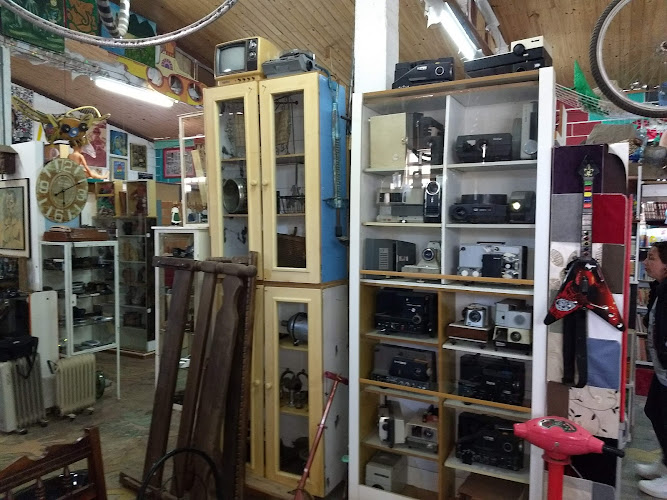
Museum of Trash
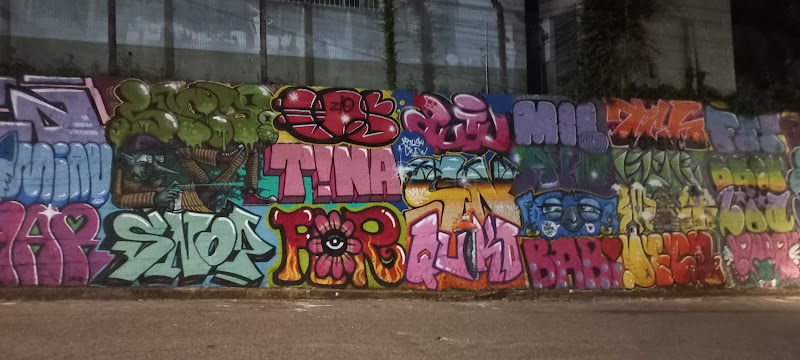
Arte em Grafite Urbano
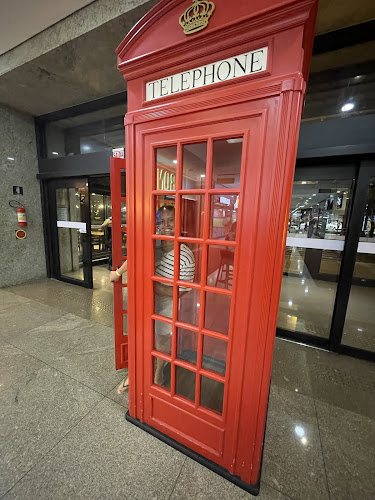
Villa Romana Shopping
Find Accommodations Nearby
Recommended Tours & Activities
Visitor Reviews
There are no reviews yet. Be the first one to write one.
Share Your Experience
Have you visited San Francisco de Paula? Help other travelers by leaving a review.