
Rutherford’s Den
About Rutherford’s Den
Description
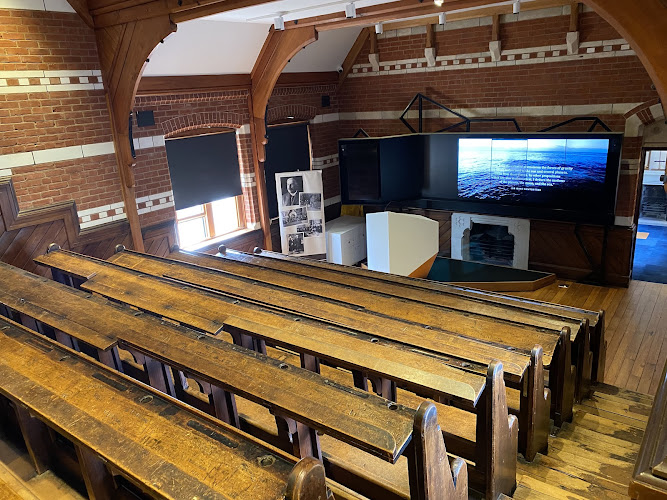
Rutherford’s Den is one of those places that quietly gets under your skin. It’s a historical place museum, yes, but calling it just a museum feels a bit like calling a good novel “ink on paper.” This spot tells a story about people, belief, stubbornness, daily life, and the kind of history that didn’t happen in palaces. It happened in rooms with low ceilings, cold stone walls, and ideas that changed the direction of thinking far beyond this little den.
The museum focuses on the life and legacy tied to the Rutherford name, most famously associated with Samuel Rutherford, a theologian and thinker whose words traveled much further than his feet ever did. Walking through the space, you get a sense of how modest surroundings can produce outsized influence. I remember standing inside and thinking, “So this is where it all began?” And yeah, it hit me harder than I expected. There’s something grounding about seeing the scale of the place. It’s not grand. It’s real.
The exhibits lean toward storytelling rather than flashy tech. Some travelers prefer interactive screens everywhere, but here, the power is in the details: handwritten-style displays, period objects, and carefully explained context. You’re not rushed through with noise and lights. Instead, you’re invited to slow down, read, and imagine. And honestly, slowing down feels like a lost art when you’re traveling these days.
Families tend to enjoy Rutherford’s Den more than they expect. Kids might not walk in excited about theology or history, but the staff and layout do a solid job of making the narrative accessible. It’s good for kids in the sense that it’s manageable in size and not overwhelming. I’ve seen children get curious about how people lived without modern comforts, which usually sparks better conversations later over lunch.
Another thing worth mentioning is the accessibility. The museum has clearly put thought into making sure visitors with mobility needs can actually experience the space. Wheelchair access, accessible restrooms, and practical layouts mean no one is left hovering awkwardly at the doorway. That kind of consideration matters more than brochures ever say.
The overall mood here is calm, reflective, and slightly personal. It doesn’t try too hard to impress you. And maybe that’s why so many visitors leave feeling quietly satisfied, like they’ve learned something meaningful without being shouted at by history.
Key Features
- Authentic historical interiors that reflect everyday life of the period
- Exhibits focused on the life, writings, and influence of Samuel Rutherford
- Clear, readable displays that favor storytelling over gimmicks
- Family-friendly layout that works well for multi-generational visits
- Wheelchair accessible entrance, restrooms, and parking for inclusive access
- On-site restrooms and Wi‑Fi, which sounds minor but trust me, it’s appreciated
- A calm, uncrowded atmosphere that allows for unhurried exploration
Best Time to Visit
The best time to visit Rutherford’s Den is late spring through early autumn. The weather during these months makes travel easier, and you’re more likely to enjoy wandering the surrounding area before or after your visit. Summer brings slightly more foot traffic, but even then, it rarely feels busy. This isn’t one of those places where you’re jostling for space or waiting in long lines.
If you’re like me and prefer quiet corners and time to think, weekdays are ideal. Mornings tend to be especially peaceful. I once visited mid-week, just after opening, and had entire rooms to myself. It felt almost intrusive in a good way, like I was borrowing someone else’s memories for a moment.
Winter visits have their own charm, though. The colder months make the interior feel more authentic, strangely enough. Thick walls, dimmer light, and that hushed winter stillness outside add to the mood. Just be prepared for shorter daylight hours and plan your day accordingly.
There isn’t a “wrong” time to visit, but aligning your trip with your travel style helps. If you want reflection and depth, aim for quieter days. If you’re traveling with family during school holidays, rest assured it still holds up as a rewarding stop.
How to Get There
Rutherford’s Den is reachable by a mix of car and public transport, depending on where you’re coming from. Driving offers the most flexibility, especially if you’re exploring multiple historical sites in the region. Parking is straightforward and accessible, which is a relief because nothing kills the mood faster than circling for a spot.
Public transport users can get close via local services, followed by a short walk. That final walk is part of the experience, honestly. It gives you time to transition from modern life into something older and slower. I always think that arriving on foot somehow prepares your brain for history better than stepping straight out of a car.
Signage in the area is generally clear, and locals are helpful if you look confused. Don’t be shy about asking. I once got a mini lecture on local history just by asking for directions. It was better than half the guidebooks I’ve read.
Tips for Visiting
First tip: give yourself more time than you think you need. Rutherford’s Den isn’t huge, but it rewards careful reading and quiet reflection. Rushing through would miss the point. Plan at least an hour, longer if you enjoy absorbing context.
Second, read the displays fully. I know, museum fatigue is real. But here, the text is part of the experience. Skimming would be like reading only the chapter titles of a book. And don’t worry, it’s not overly academic. It’s written for curious humans, not just historians.
If you’re visiting with kids, frame it as a story rather than a lesson. Ask them how they’d feel living there, or what they’d miss most without modern tech. Those questions work wonders. I’ve seen kids light up when they realize history involved real people who probably complained about the cold just like we do.
Comfortable shoes help, even though the site itself is manageable. You may end up standing more than expected while reading or chatting with staff. And yes, talk to the staff if you can. They’re knowledgeable without being pushy, and sometimes they share details not on the walls.
Use the restroom before you leave. Sounds obvious, but when you’re hopping between attractions, these little conveniences matter. The availability of Wi‑Fi is also handy if you want to look something up or jot notes, especially if you’re the type who processes history by googling rabbit holes afterward. Guilty.
Lastly, approach Rutherford’s Den with curiosity rather than expectations. It’s not flashy. It won’t overwhelm you with spectacle. But it might quietly change how you think about the power of ideas born in small places. And those are the experiences that tend to stick with you long after the trip photos stop getting likes.
Key Features
- Authentic historical interiors that reflect everyday life of the period
- Exhibits focused on the life, writings, and influence of Samuel Rutherford
- Clear, readable displays that favor storytelling over gimmicks
- Family-friendly layout that works well for multi-generational visits
- Wheelchair accessible entrance, restrooms, and parking for inclusive access
- On-site restrooms and Wi‑Fi, which sounds minor but trust me, it’s appreciated
- A calm, uncrowded atmosphere that allows for unhurried exploration
More Details
Updated December 31, 2025
Table of Contents
Description
Rutherford’s Den is one of those places that quietly gets under your skin. It’s a historical place museum, yes, but calling it just a museum feels a bit like calling a good novel “ink on paper.” This spot tells a story about people, belief, stubbornness, daily life, and the kind of history that didn’t happen in palaces. It happened in rooms with low ceilings, cold stone walls, and ideas that changed the direction of thinking far beyond this little den.
The museum focuses on the life and legacy tied to the Rutherford name, most famously associated with Samuel Rutherford, a theologian and thinker whose words traveled much further than his feet ever did. Walking through the space, you get a sense of how modest surroundings can produce outsized influence. I remember standing inside and thinking, “So this is where it all began?” And yeah, it hit me harder than I expected. There’s something grounding about seeing the scale of the place. It’s not grand. It’s real.
The exhibits lean toward storytelling rather than flashy tech. Some travelers prefer interactive screens everywhere, but here, the power is in the details: handwritten-style displays, period objects, and carefully explained context. You’re not rushed through with noise and lights. Instead, you’re invited to slow down, read, and imagine. And honestly, slowing down feels like a lost art when you’re traveling these days.
Families tend to enjoy Rutherford’s Den more than they expect. Kids might not walk in excited about theology or history, but the staff and layout do a solid job of making the narrative accessible. It’s good for kids in the sense that it’s manageable in size and not overwhelming. I’ve seen children get curious about how people lived without modern comforts, which usually sparks better conversations later over lunch.
Another thing worth mentioning is the accessibility. The museum has clearly put thought into making sure visitors with mobility needs can actually experience the space. Wheelchair access, accessible restrooms, and practical layouts mean no one is left hovering awkwardly at the doorway. That kind of consideration matters more than brochures ever say.
The overall mood here is calm, reflective, and slightly personal. It doesn’t try too hard to impress you. And maybe that’s why so many visitors leave feeling quietly satisfied, like they’ve learned something meaningful without being shouted at by history.
Key Features
- Authentic historical interiors that reflect everyday life of the period
- Exhibits focused on the life, writings, and influence of Samuel Rutherford
- Clear, readable displays that favor storytelling over gimmicks
- Family-friendly layout that works well for multi-generational visits
- Wheelchair accessible entrance, restrooms, and parking for inclusive access
- On-site restrooms and Wi‑Fi, which sounds minor but trust me, it’s appreciated
- A calm, uncrowded atmosphere that allows for unhurried exploration
Best Time to Visit
The best time to visit Rutherford’s Den is late spring through early autumn. The weather during these months makes travel easier, and you’re more likely to enjoy wandering the surrounding area before or after your visit. Summer brings slightly more foot traffic, but even then, it rarely feels busy. This isn’t one of those places where you’re jostling for space or waiting in long lines.
If you’re like me and prefer quiet corners and time to think, weekdays are ideal. Mornings tend to be especially peaceful. I once visited mid-week, just after opening, and had entire rooms to myself. It felt almost intrusive in a good way, like I was borrowing someone else’s memories for a moment.
Winter visits have their own charm, though. The colder months make the interior feel more authentic, strangely enough. Thick walls, dimmer light, and that hushed winter stillness outside add to the mood. Just be prepared for shorter daylight hours and plan your day accordingly.
There isn’t a “wrong” time to visit, but aligning your trip with your travel style helps. If you want reflection and depth, aim for quieter days. If you’re traveling with family during school holidays, rest assured it still holds up as a rewarding stop.
How to Get There
Rutherford’s Den is reachable by a mix of car and public transport, depending on where you’re coming from. Driving offers the most flexibility, especially if you’re exploring multiple historical sites in the region. Parking is straightforward and accessible, which is a relief because nothing kills the mood faster than circling for a spot.
Public transport users can get close via local services, followed by a short walk. That final walk is part of the experience, honestly. It gives you time to transition from modern life into something older and slower. I always think that arriving on foot somehow prepares your brain for history better than stepping straight out of a car.
Signage in the area is generally clear, and locals are helpful if you look confused. Don’t be shy about asking. I once got a mini lecture on local history just by asking for directions. It was better than half the guidebooks I’ve read.
Tips for Visiting
First tip: give yourself more time than you think you need. Rutherford’s Den isn’t huge, but it rewards careful reading and quiet reflection. Rushing through would miss the point. Plan at least an hour, longer if you enjoy absorbing context.
Second, read the displays fully. I know, museum fatigue is real. But here, the text is part of the experience. Skimming would be like reading only the chapter titles of a book. And don’t worry, it’s not overly academic. It’s written for curious humans, not just historians.
If you’re visiting with kids, frame it as a story rather than a lesson. Ask them how they’d feel living there, or what they’d miss most without modern tech. Those questions work wonders. I’ve seen kids light up when they realize history involved real people who probably complained about the cold just like we do.
Comfortable shoes help, even though the site itself is manageable. You may end up standing more than expected while reading or chatting with staff. And yes, talk to the staff if you can. They’re knowledgeable without being pushy, and sometimes they share details not on the walls.
Use the restroom before you leave. Sounds obvious, but when you’re hopping between attractions, these little conveniences matter. The availability of Wi‑Fi is also handy if you want to look something up or jot notes, especially if you’re the type who processes history by googling rabbit holes afterward. Guilty.
Lastly, approach Rutherford’s Den with curiosity rather than expectations. It’s not flashy. It won’t overwhelm you with spectacle. But it might quietly change how you think about the power of ideas born in small places. And those are the experiences that tend to stick with you long after the trip photos stop getting likes.
Key Highlights
- Authentic historical interiors that reflect everyday life of the period
- Exhibits focused on the life, writings, and influence of Samuel Rutherford
- Clear, readable displays that favor storytelling over gimmicks
- Family-friendly layout that works well for multi-generational visits
- Wheelchair accessible entrance, restrooms, and parking for inclusive access
- On-site restrooms and Wi‑Fi, which sounds minor but trust me, it’s appreciated
- A calm, uncrowded atmosphere that allows for unhurried exploration
Location
Places to Stay Near Rutherford's Den
Find and Book a Tour
Explore More Travel Guides
No reviews found! Be the first to review!
Traveler Reviews for Rutherford’s Den
There are no reviews yet. Be the first one to write one.
Have you visited Rutherford’s Den? Help other travelers by sharing your review.
You Might Also Like
Air Force Museum of New Zealand

Canterbury Earthquake National Memorial

Bournemouth Aviation Museum
Find Accommodations Nearby
Recommended Tours & Activities
Visitor Reviews
There are no reviews yet. Be the first one to write one.
Share Your Experience
Have you visited Rutherford’s Den? Help other travelers by leaving a review.