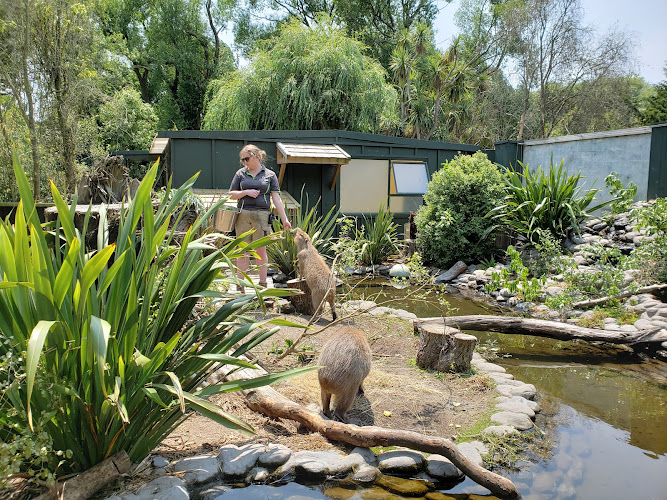
It’s not flashy, and honestly that’s part of the charm. The reserve focuses on native New Zealand wildlife, with a strong emphasis on conservation, education, and giving visitors a close-up look at species many only know from coins or cartoons. And yes, the kiwi is the star here, but not in a zoo-like, sad-behind-glass way. The experience feels more thoughtful than that.
The reserve operates as both a wildlife park and a sightseeing attraction, with guided tours that add serious value if you want context, stories, and those small facts that make you go oh, I didn’t know that. The nocturnal kiwi enclosure, in particular, is often what people talk about later over dinner. It’s dark, quiet, and oddly emotional seeing a kiwi shuffle around doing its thing like it’s no big deal. The first time the writer visited, there was this moment where everyone in the room collectively stopped breathing when a kiwi wandered close. No phones raised. Just humans watching something rare.
Beyond kiwis, Willowbank showcases tuatara, kea, kaka, wetland birds, and other native species in environments designed to feel natural rather than staged. Some enclosures are open or semi-open, which makes encounters feel more personal. But don’t expect chaos or danger. The staff take safety seriously, both for animals and visitors.
There’s also a restaurant on-site, which sounds like an afterthought but isn’t. It’s actually handy, especially if you’re visiting with kids or planning to stay a while. Sitting down for a meal while peacocks wander nearby feels oddly normal here. And that’s kind of the point. Willowbank doesn’t try too hard to impress. It just lets the wildlife do the work.
The overall sentiment from travelers tends to land on “worth the visit,” with a few caveats. Some people expect a massive, all-day theme park and realize it’s more intimate. Others wish certain areas were larger. But most visitors appreciate the balance between accessibility, authenticity, and learning something real about New Zealand’s natural heritage.
Best Time to Visit
Willowbank Wildlife Reserve can be visited year-round, but timing matters if you want the best experience. The warmer months, from late spring through early autumn, tend to be more comfortable for walking and picnicking. Animals are also generally more active when the weather isn’t gloomy. That said, some wildlife doesn’t care about your holiday schedule.
If seeing a kiwi is high on your list (and let’s be honest, it probably is), late afternoon into early evening is ideal, especially when guided tours are running. The nocturnal enclosure is designed to mimic nighttime conditions, so kiwis may be active even during the day. But the energy feels different later on. Quieter. More focused.
School holidays and summer weekends can be busier, particularly with families. It’s not overwhelming, but if you prefer fewer crowds and more breathing room, weekday mornings are a sweet spot. The writer once visited on a drizzly weekday and had entire sections practically to themselves. Not glamorous weather, sure, but the birds didn’t seem to mind. And neither did the photos.
Winter visits are underrated. Yes, it’s cooler, but the reserve is still open and accessible. Fewer visitors means more time to linger, ask questions, and soak in the atmosphere. Just bring a jacket and maybe lower expectations for picnic weather.
How to Get There
Willowbank Wildlife Reserve sits just outside central Christchurch, making it an easy addition to most travel itineraries. Travelers with a rental car will find the drive straightforward, with clear signage once you’re close. Parking is available on-site, including accessible spaces.
Public transport is also an option, though it may require a bit of planning and patience. Buses run from the city toward the area, and from there it’s a manageable walk. For international travelers who aren’t keen on navigating bus routes after a long flight, taxis and rideshares are common and relatively affordable.
Many visitors combine Willowbank with other nearby attractions, turning it into a half-day outing. It pairs nicely with a relaxed lunch or an afternoon wander elsewhere. And if you’re staying in Christchurch for a few days, it fits easily into the schedule without feeling rushed.
Tips for Visiting
First tip, and it sounds obvious but still gets ignored: slow down. Willowbank isn’t a race. Give yourself time to read signs, watch animal behavior, and actually listen during tours. The reserve rewards patience.
Dress for the weather and for walking. Paths are well-kept, but you’ll be on your feet. Comfortable shoes make a difference. And layers help, especially if you’re planning to stay into the evening for kiwi viewing.
If you’re visiting with kids, the playground and open spaces are a lifesaver. Let them burn off energy early so they’re more engaged later. The writer learned this the hard way with a very tired nephew who decided tuatara were “boring” until snack time fixed everything.
Photography is allowed, but be respectful. Flash photography is usually restricted, especially around nocturnal animals. Honestly, some moments are better just experienced. Not everything needs to live on your phone.
Food-wise, you can use the on-site restaurant or bring your own and use the picnic tables. Both options work. The key is not leaving hungry. Wildlife appreciation drops fast when stomachs are growling.
Accessibility is solid here. Wheelchair users and visitors with mobility needs will find entrances, parking, and paths accommodating. If you have specific concerns, staff are generally approachable and helpful.
Finally, manage expectations. Willowbank isn’t massive, and it doesn’t try to overwhelm you with numbers. What it offers is focus. Conservation. A chance to see animals that exist nowhere else in the world. For many travelers, that ends up feeling more meaningful than ticking off a giant checklist.
And one last aside, because it feels worth saying. Places like Willowbank matter. Not just as attractions, but as reminders of what New Zealand has fought to protect. When visitors leave with a little more respect for native wildlife, that’s a win. And if you leave already planning who you’ll recommend it to, well, that happens a lot too.
 Real Journey Travels