
Air Force Museum of New Zealand
About Air Force Museum of New Zealand
Description
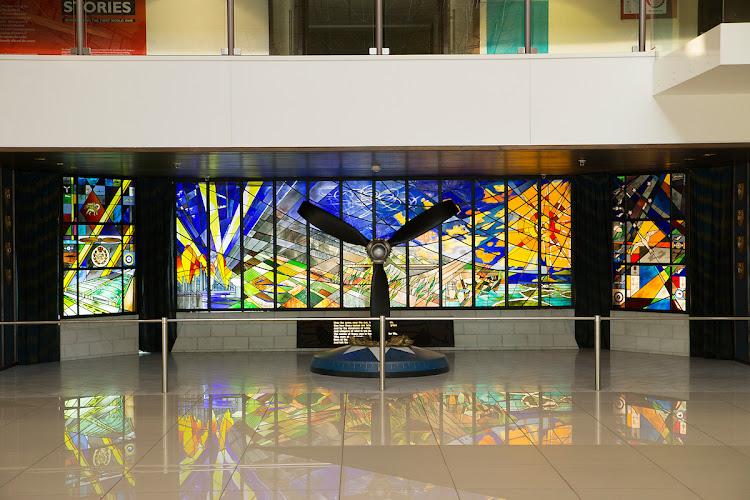
The Air Force Museum of New Zealand sits quietly on the western edge of Christchurch, and yet it tells some very loud stories. This is the country’s national museum for military aviation, and it leans hard into that role without feeling stiff or dusty. Travelers who come here expecting a quick look at a few old planes usually end up staying longer than planned. And that’s not an accident.
The museum walks visitors through more than a century of New Zealand’s aviation history, from fragile early aircraft to Cold War-era jets and modern operations. What stands out, though, isn’t just the machines. It’s the human angle. The curators clearly care about the people who flew, fixed, and sometimes crashed these aircraft. Letters, photographs, and recorded memories sit right next to polished fuselages, which makes the experience feel grounded and personal.
There’s a certain honesty to the place. It doesn’t gloss over the cost of war, but it also doesn’t shy away from pride in innovation, bravery, and skill. For travelers, especially those with even a mild interest in history or engineering, that balance is refreshing. And for families, it helps spark conversations that go beyond “wow, big plane.”
The layout is open and logical, which sounds boring until you’ve been lost in a museum maze with tired feet. Here, you move through hangar-style spaces that let the aircraft breathe. Natural light hits aluminum wings just right in the afternoon, and yes, that matters if you like photos. The museum also leans into interactive exhibits more than you might expect, including a flight simulator that quietly steals the show for a lot of visitors.
One personal note: the first time I visited, I went in thinking I’d skim. I had lunch plans. Two hours later, I was still reading about Pacific operations and arguing with myself about whether I’d have survived pilot training. Spoiler: probably not. That’s the pull of this place. It gets under your skin a bit.
Key Features
- Historic aircraft collection: A wide range of restored military aircraft, from early biplanes to jet fighters, displayed at full scale and often close enough to see rivets and wear marks.
- Flight simulator experience: A hands-on simulator that lets visitors feel what it’s like to pilot a military aircraft. It’s more challenging than it looks, and yes, adults get just as competitive as kids.
- Personal stories and archives: Diaries, uniforms, medals, and oral histories that add emotional weight to the technical displays.
- Guided tours: Knowledgeable guides, often with aviation or service backgrounds, who add context and anecdotes you won’t find on the signs.
- Family-focused spaces: Interactive zones designed to keep younger visitors engaged without dumbing things down.
- Children’s party services: An unusual but clever offering, letting families host aviation-themed parties in a museum setting.
- Event venue facilities: Spaces available for functions, talks, and community events, giving the museum a lived-in feel rather than a frozen one.
- Onsite amenities: A café-style restaurant, clean restrooms, Wi‑Fi, and plenty of seating for breaks.
- Accessibility features: Wheelchair-accessible entrances, parking, and restrooms that make the museum genuinely inclusive.
Best Time to Visit
The museum works year-round, which is handy given Christchurch’s sometimes moody weather. Rainy or windy day? Perfect museum weather. That said, timing can change the vibe quite a bit.
Weekday mornings tend to be calm and almost contemplative. You’ll hear the echo of footsteps, and you can linger in front of displays without feeling rushed. If you’re the kind of traveler who likes to read every plaque (no judgment, I do this too), this is your window.
Weekends and school holidays bring families, and with them, noise and energy. But honestly, that’s not a bad thing here. Seeing kids climb into interactive exhibits or line up for the simulator adds a sense that the history is still alive. Just expect queues for hands-on activities.
Seasonally, late spring and early autumn are sweet spots. The weather outside is mild, which makes combining the museum with other Christchurch attractions easier. Summer can be busy, especially with international travelers, while winter sees fewer crowds but shorter daylight if you’re planning a packed itinerary.
One small tip from experience: aim to arrive at least two to three hours before closing. This isn’t a quick stop, and nothing kills museum joy like staff politely reminding you it’s time to wrap up while you’re mid-exhibit.
How to Get There
The Air Force Museum of New Zealand is located a short drive from central Christchurch, making it easy to slot into a city-based trip. Travelers with rental cars will find the drive straightforward, and parking is typically stress-free compared to central attractions.
Public transport also does the job. Several bus routes run toward the western suburbs, and from there it’s a manageable walk. If you’re used to sprawling cities, this will feel refreshingly simple. And if you’re cycling, Christchurch’s bike-friendly layout makes it a realistic option, weather willing.
For those arriving from Christchurch Airport, the museum is close enough to consider as a first or last stop in the city. I’ve met travelers who popped in before an afternoon flight and were glad they did, even if it meant a slightly rushed visit.
Rideshares and taxis are widely available, and drivers generally know the museum by name, which is always reassuring when you’re in a new place and trying not to look lost.
Tips for Visiting
Give it time. This sounds obvious, but it’s the biggest mistake visitors make. Allocate at least half a day if aviation history even mildly interests you. Rushing through feels like skimming a novel and calling it read.
Do the simulator early. Lines build up, especially on busy days. Knock it out early so you’re not hovering awkwardly later, watching other people attempt landings.
Talk to the staff. Many guides and volunteers have deep knowledge and personal connections to the material. A casual question can turn into a ten-minute story that sticks with you longer than any display panel.
Balance the heavy with the light. Some exhibits deal with loss and conflict. If you’re visiting with kids, mix those sections with interactive or technical displays to keep things emotionally manageable.
Use the café strategically. Take a break midway rather than at the end. Sitting down with a coffee helps reset your brain, and you’ll absorb more afterward.
Accessibility is solid. Travelers with mobility needs will find the museum thoughtfully designed. Wide pathways, accessible restrooms, and seating throughout make a real difference.
Don’t skip the smaller exhibits. The big aircraft draw attention, but some of the most memorable moments come from quieter corners, like a single letter home or a battered flight jacket.
Kids’ parties aren’t just noise. If you happen to visit during one, it can actually add atmosphere. Seeing children celebrate in a history museum says something hopeful about how the place is used.
Photographers, take your time. Light shifts across the hangars during the day. If you’re patient, you’ll catch reflections and angles that make the aircraft feel almost alive.
Leave space for reflection. This isn’t a thrill park. It’s a museum that asks you to think, sometimes quietly. Build that into your visit, and you’ll walk out feeling like you actually learned something, not just ticked a box.
For travelers exploring Christchurch and wanting more than scenery and coffee (though those are excellent too), the Air Force Museum of New Zealand offers depth, context, and a few surprises. It’s the kind of place that doesn’t shout for attention but earns it once you’re inside. And honestly, those are often the best stops on any trip.
Key Features
- Key Features
- Best Time to Visit
- How to Get There
- Tips for Visiting
More Details
Updated December 31, 2025
Table of Contents
- Description
- Key Features
- Best Time to Visit
- How to Get There
- Tips for Visiting
- Key Highlights
- Location
- Places to Stay Near Air Force Museum of New Zealand
- Find and Book a Tour
- Explore More Travel Guides
- Air Force Museum of New Zealand (Wigram, Christchurch) — Practical Visitor Guide
- Quick facts (2025)
- Why go
- Collection highlights you can see
- For families & education
- Accessibility & inclusion
- Research & deeper dives
- Getting there (without a car)
- Onsite amenities
- Brief history of the museum
- Trip-planning tips
- Essential info recap
- Accuracy & inclusivity notes
- Nearby Places You Might Like
- Traveler Reviews for Air Force Museum of New Zealand
- Share Your Experience
Description
The Air Force Museum of New Zealand sits quietly on the western edge of Christchurch, and yet it tells some very loud stories. This is the country’s national museum for military aviation, and it leans hard into that role without feeling stiff or dusty. Travelers who come here expecting a quick look at a few old planes usually end up staying longer than planned. And that’s not an accident.
The museum walks visitors through more than a century of New Zealand’s aviation history, from fragile early aircraft to Cold War-era jets and modern operations. What stands out, though, isn’t just the machines. It’s the human angle. The curators clearly care about the people who flew, fixed, and sometimes crashed these aircraft. Letters, photographs, and recorded memories sit right next to polished fuselages, which makes the experience feel grounded and personal.
There’s a certain honesty to the place. It doesn’t gloss over the cost of war, but it also doesn’t shy away from pride in innovation, bravery, and skill. For travelers, especially those with even a mild interest in history or engineering, that balance is refreshing. And for families, it helps spark conversations that go beyond “wow, big plane.”
The layout is open and logical, which sounds boring until you’ve been lost in a museum maze with tired feet. Here, you move through hangar-style spaces that let the aircraft breathe. Natural light hits aluminum wings just right in the afternoon, and yes, that matters if you like photos. The museum also leans into interactive exhibits more than you might expect, including a flight simulator that quietly steals the show for a lot of visitors.
One personal note: the first time I visited, I went in thinking I’d skim. I had lunch plans. Two hours later, I was still reading about Pacific operations and arguing with myself about whether I’d have survived pilot training. Spoiler: probably not. That’s the pull of this place. It gets under your skin a bit.
Key Features
- Historic aircraft collection: A wide range of restored military aircraft, from early biplanes to jet fighters, displayed at full scale and often close enough to see rivets and wear marks.
- Flight simulator experience: A hands-on simulator that lets visitors feel what it’s like to pilot a military aircraft. It’s more challenging than it looks, and yes, adults get just as competitive as kids.
- Personal stories and archives: Diaries, uniforms, medals, and oral histories that add emotional weight to the technical displays.
- Guided tours: Knowledgeable guides, often with aviation or service backgrounds, who add context and anecdotes you won’t find on the signs.
- Family-focused spaces: Interactive zones designed to keep younger visitors engaged without dumbing things down.
- Children’s party services: An unusual but clever offering, letting families host aviation-themed parties in a museum setting.
- Event venue facilities: Spaces available for functions, talks, and community events, giving the museum a lived-in feel rather than a frozen one.
- Onsite amenities: A café-style restaurant, clean restrooms, Wi‑Fi, and plenty of seating for breaks.
- Accessibility features: Wheelchair-accessible entrances, parking, and restrooms that make the museum genuinely inclusive.
Best Time to Visit
The museum works year-round, which is handy given Christchurch’s sometimes moody weather. Rainy or windy day? Perfect museum weather. That said, timing can change the vibe quite a bit.
Weekday mornings tend to be calm and almost contemplative. You’ll hear the echo of footsteps, and you can linger in front of displays without feeling rushed. If you’re the kind of traveler who likes to read every plaque (no judgment, I do this too), this is your window.
Weekends and school holidays bring families, and with them, noise and energy. But honestly, that’s not a bad thing here. Seeing kids climb into interactive exhibits or line up for the simulator adds a sense that the history is still alive. Just expect queues for hands-on activities.
Seasonally, late spring and early autumn are sweet spots. The weather outside is mild, which makes combining the museum with other Christchurch attractions easier. Summer can be busy, especially with international travelers, while winter sees fewer crowds but shorter daylight if you’re planning a packed itinerary.
One small tip from experience: aim to arrive at least two to three hours before closing. This isn’t a quick stop, and nothing kills museum joy like staff politely reminding you it’s time to wrap up while you’re mid-exhibit.
How to Get There
The Air Force Museum of New Zealand is located a short drive from central Christchurch, making it easy to slot into a city-based trip. Travelers with rental cars will find the drive straightforward, and parking is typically stress-free compared to central attractions.
Public transport also does the job. Several bus routes run toward the western suburbs, and from there it’s a manageable walk. If you’re used to sprawling cities, this will feel refreshingly simple. And if you’re cycling, Christchurch’s bike-friendly layout makes it a realistic option, weather willing.
For those arriving from Christchurch Airport, the museum is close enough to consider as a first or last stop in the city. I’ve met travelers who popped in before an afternoon flight and were glad they did, even if it meant a slightly rushed visit.
Rideshares and taxis are widely available, and drivers generally know the museum by name, which is always reassuring when you’re in a new place and trying not to look lost.
Tips for Visiting
Give it time. This sounds obvious, but it’s the biggest mistake visitors make. Allocate at least half a day if aviation history even mildly interests you. Rushing through feels like skimming a novel and calling it read.
Do the simulator early. Lines build up, especially on busy days. Knock it out early so you’re not hovering awkwardly later, watching other people attempt landings.
Talk to the staff. Many guides and volunteers have deep knowledge and personal connections to the material. A casual question can turn into a ten-minute story that sticks with you longer than any display panel.
Balance the heavy with the light. Some exhibits deal with loss and conflict. If you’re visiting with kids, mix those sections with interactive or technical displays to keep things emotionally manageable.
Use the café strategically. Take a break midway rather than at the end. Sitting down with a coffee helps reset your brain, and you’ll absorb more afterward.
Accessibility is solid. Travelers with mobility needs will find the museum thoughtfully designed. Wide pathways, accessible restrooms, and seating throughout make a real difference.
Don’t skip the smaller exhibits. The big aircraft draw attention, but some of the most memorable moments come from quieter corners, like a single letter home or a battered flight jacket.
Kids’ parties aren’t just noise. If you happen to visit during one, it can actually add atmosphere. Seeing children celebrate in a history museum says something hopeful about how the place is used.
Photographers, take your time. Light shifts across the hangars during the day. If you’re patient, you’ll catch reflections and angles that make the aircraft feel almost alive.
Leave space for reflection. This isn’t a thrill park. It’s a museum that asks you to think, sometimes quietly. Build that into your visit, and you’ll walk out feeling like you actually learned something, not just ticked a box.
For travelers exploring Christchurch and wanting more than scenery and coffee (though those are excellent too), the Air Force Museum of New Zealand offers depth, context, and a few surprises. It’s the kind of place that doesn’t shout for attention but earns it once you’re inside. And honestly, those are often the best stops on any trip.
Key Highlights
- Key Features
- Best Time to Visit
- How to Get There
- Tips for Visiting
Location
Places to Stay Near Air Force Museum of New Zealand
Find and Book a Tour
Explore More Travel Guides
No reviews found! Be the first to review!
Air Force Museum of New Zealand (Wigram, Christchurch) — Practical Visitor Guide
The Air Force Museum of New Zealand is the national museum for the Royal New Zealand Air Force (RNZAF), housed on the former RNZAF Base Wigram in Christchurch. Its mission is to preserve and share the history of New Zealand military aviation for commemoration, inspiration, learning, and enjoyment. The museum has also been gifted a name in te reo Māori—Te Whakairinga Mutu (“the final posting”). oai_citation:0‡airforcemuseum.co.nz
Quick facts (2025)
- Location: 45 Harvard Avenue, Wigram, Christchurch, New Zealand. oai_citation:1‡airforcemuseum.co.nz
- Hours: Open daily 09:30–16:30 (closed 25 December). oai_citation:2‡airforcemuseum.co.nz
- Entry: Free for New Zealanders and people living in New Zealand; international visitor tickets apply. oai_citation:3‡airforcemuseum.co.nz
- Phone: +64 3 371 9600. oai_citation:4‡airforcemuseum.co.nz
Data freshness note: Hours and ticketing can change. Always re-check the museum’s Visit page before you go. oai_citation:5‡airforcemuseum.co.nz
Why go
- National collection on a historic air base: The museum holds the RNZAF’s national collection and stands on the site of the former Wigram air base—the Air Force’s first operational base. It opened on 1 April 1987 during the RNZAF’s 50th anniversary celebrations. oai_citation:6‡airforcemuseum.co.nz
- Depth and range: Beyond aircraft, the collection spans uniforms, memorabilia, archives, and photographs, giving context to New Zealand’s aviation story across World Wars, Antarctic operations, and contemporary service. oai_citation:7‡airforcemuseum.co.nz
Collection highlights you can see
The museum describes “over 30 historically significant aircraft,” from WWI replicas to jets and helicopters—many ex-RNZAF. Representative examples on display include: oai_citation:8‡airforcemuseum.co.nz
- Supermarine Spitfire LF Mk.XVIE — representing New Zealanders who flew Spitfires with the RAF in WWII. oai_citation:9‡airforcemuseum.co.nz
- McDonnell Douglas A-4K & TA-4K Skyhawk — multi-role fast jets that served with No. 75 Squadron and later with No. 2 Squadron. oai_citation:10‡airforcemuseum.co.nz
- Douglas C-47 Dakota — the RNZAF’s first transport aircraft, entering service in 1943. oai_citation:11‡airforcemuseum.co.nz
- Lockheed C-130H Hercules (airframe in the collection) — the world’s most successful tactical airlifter. oai_citation:12‡airforcemuseum.co.nz
- Grumman TBF Avenger — flown by RNZAF torpedo bomber squadrons in the Pacific. oai_citation:13‡airforcemuseum.co.nz
- English Electric/GAF Canberra — RNZAF examples saw service during the Indonesian–Malaysian Confrontation. oai_citation:14‡airforcemuseum.co.nz
- Bell UH-1H Iroquois — an iconic helicopter type, two examples are profiled by the museum. oai_citation:15‡airforcemuseum.co.nz
You’ll find these aircraft in the Aircraft Hall and other display areas noted across the museum’s site. oai_citation:16‡airforcemuseum.co.nz
For families & education
- Kids & Families: The museum offers “Museum Hunts” and other family-friendly activities; birthday parties can also be hosted onsite. oai_citation:17‡airforcemuseum.co.nz
- Guided experiences: Education and public programmes—including guided tours—can be tailored to different needs; contact the programmes team to arrange details. oai_citation:18‡airforcemuseum.co.nz
Accessibility & inclusion
The museum provides detailed access information and actively works to be welcoming to all visitors: oai_citation:19‡airforcemuseum.co.nz
- Wheelchairs available free of charge; ramp/elevator access to all display areas.
- Accessible toilets in the main foyer and Aircraft Hall.
- Certified service animals welcome (with appropriate identification).
- Autism-friendly: The museum shares quiet-time guidance (typically quieter on weekday afternoons during term time; weekends are usually quietest 15:00–16:30). Some galleries include sound effects or changing light levels; staff can advise.
- First-aid trained staff and an AED are available onsite.
Research & deeper dives
- Collections & Research: The museum holds the national RNZAF collection, including archives. oai_citation:20‡airforcemuseum.co.nz
- Photographic archive: Nearly 40,000 images are available online, with the ability to request searches of the wider (non-digitised) collection. This is invaluable for historians, modellers, and genealogical research. oai_citation:21‡airforcemuseum.co.nz
Getting there (without a car)
- Bus routes: The 80, 100, and Yellow Line run along Main South Road or Springs Road. From Main South Road, alight near the orange and silver Harvard aircraft on a pole, then walk ~200 m down Harvard Avenue. From Springs Road, walk via Henry Wigram Drive toward Harvard Avenue. oai_citation:22‡airforcemuseum.co.nz
Onsite amenities
- Parking: Large free car park; accessible spaces near the entrance. oai_citation:23‡airforcemuseum.co.nz
- Café & Store: A café is available for breaks; the No. 1 Store stocks aviation-themed gifts and books. oai_citation:24‡airforcemuseum.co.nz
- Visitor etiquette: To protect the collection, no food or drink in galleries; some spaces have reduced lighting or staircases—walk, don’t run. oai_citation:25‡airforcemuseum.co.nz
Brief history of the museum
- Origins in the RNZAF Historical Centre at Wigram (1976), becoming an official RNZAF unit in 1981. The purpose-built museum connected to historic Hangar No. 1 (Aircraft Hall) and opened 1 April 1987. A major gallery revamp produced Horizon to Horizon in 2008; free admission was introduced in 2009. An international visitor charge began in 2025 while remaining free for New Zealanders and residents. oai_citation:26‡airforcemuseum.co.nz
- The Thérèse Angelo Wing (a 6,500 m² extension completed 2013) houses teams, reserve collections, and hosts functions/events. oai_citation:27‡airforcemuseum.co.nz
Trip-planning tips
- Time needed: If you want to do more than a quick look, plan 2–3 hours to read exhibit text, photograph aircraft details, and visit the café/store.
- When to go: For lower sensory load or fewer crowds, aim for weekday afternoons during term time or after 15:00 on weekends. oai_citation:28‡airforcemuseum.co.nz
- Combine with nearby aviation heritage: Wigram’s streets and landmarks reference air history; you’ll spot the mounted Harvard sign on approach. oai_citation:29‡airforcemuseum.co.nz
Essential info recap
- Address: 45 Harvard Ave, Wigram, Christchurch. oai_citation:30‡airforcemuseum.co.nz
- Hours: 09:30–16:30 daily (closed 25 Dec). oai_citation:31‡airforcemuseum.co.nz
- Entry: Free for NZ citizens and residents; tickets required for international visitors. oai_citation:32‡airforcemuseum.co.nz
- Collections: 30+ significant aircraft spanning WWI to modern era, plus extensive archives. oai_citation:33‡airforcemuseum.co.nz
Accuracy & inclusivity notes
- Outdated-data risk: Ticket categories and opening times occasionally change. Re-confirm on the museum’s official site before visiting. oai_citation:34‡airforcemuseum.co.nz
- Inclusive visiting: The museum highlights accessible parking, wheelchairs, lifts, service-animal welcome, and autism-friendly guidance; contact the team ahead of time for tailored support. oai_citation:35‡airforcemuseum.co.nz
Sources: official museum pages for Visit details, accessibility, history, and collection overview; aircraft list pages for specific types on display. oai_citation:36‡airforcemuseum.co.nz
Internal link suggestions for your editor: add contextual links to your existing Christchurch and South Island guides if you have them. (Not included here to avoid speculating about your site structure.)
Traveler Reviews for Air Force Museum of New Zealand
There are no reviews yet. Be the first one to write one.
Have you visited Air Force Museum of New Zealand? Help other travelers by sharing your review.
You Might Also Like
The Groynes
Willowbank Wildlife Reserve

Mona Vale Garden Park
Find Accommodations Nearby
Recommended Tours & Activities
Visitor Reviews
There are no reviews yet. Be the first one to write one.
Share Your Experience
Have you visited Air Force Museum of New Zealand? Help other travelers by leaving a review.