
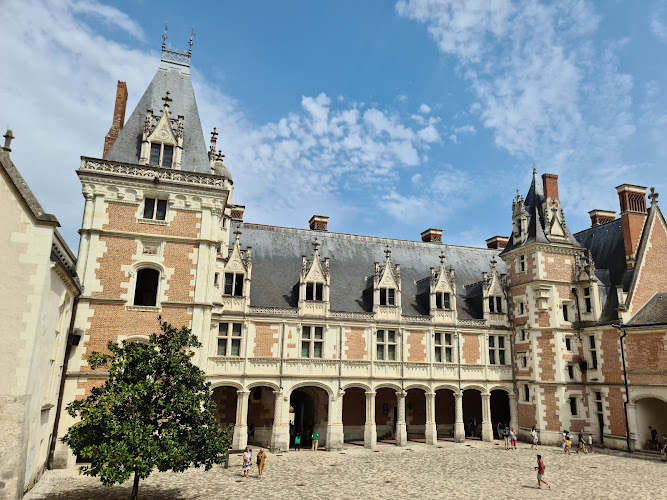
Royal Château of Blois
About Royal Château of Blois
Description
The Royal Château of Blois is one of those places that quietly takes your breath away before you even realize it’s happening. Standing proudly in the heart of Blois, this former royal residence is a living timeline of French architecture—each wing telling a different story from the 13th to the 17th century. You don’t just walk into a castle here; you step into centuries of drama, intrigue, and artistry. Kings and queens lived, ruled, and sometimes schemed within these walls. It’s not polished perfection, and that’s exactly what makes it so compelling.
Inside, the château feels like a layered novel. You’ll find Gothic solemnity rubbing shoulders with Renaissance elegance, and a hint of Classical symmetry that came later. The royal chambers are ornate, yes, but not in a sterile museum sort of way—they feel lived in, like you can almost hear the whispers of courtiers echoing through the corridors. The art collection is impressive too, with paintings and sculptures from the 16th through the 19th centuries that give you a sense of how tastes evolved with the times. Personally, I could’ve spent hours just staring at the carved ceilings and intricate fireplaces. They don’t make details like that anymore.
What’s striking is how the château manages to feel grand yet approachable. It’s not Versailles-level overwhelming, which makes it perfect for travelers who want to experience royal France without the crowds and chaos. The staff are friendly, the layout is easy to follow, and you can take your time soaking in the atmosphere. Even if you’re not a “castle person,” you’ll probably find yourself drawn into its stories—the tragic love affairs, the political betrayals, the artistic flourishes that defined an era. It’s a place that rewards curiosity.
Key Features
- Four distinct architectural wings – Gothic, Renaissance, Classical, and Louis XII styles blend seamlessly, offering a visual timeline of French design evolution.
- Royal apartments – Lavishly decorated rooms once occupied by French monarchs and nobles, including Catherine de’ Medici’s infamous “cabinet of secrets.”
- Art and sculpture collections – Works spanning the 16th to 19th centuries, showcasing both religious and royal themes.
- Sound and light show – A spectacular evening experience that brings the château’s history to life through projections and storytelling (seasonal).
- Panoramic views – The terraces and windows offer sweeping views of Blois and the Loire River, especially beautiful at sunset.
- Accessibility – Wheelchair-accessible entrances, restrooms, and parking options make it inclusive for all visitors.
- Family-friendly amenities – Kids will love exploring the grand halls and interactive exhibits, while parents appreciate the thoughtful layout and facilities.
One of the things I appreciate most is how the château balances history and comfort. You can pay with credit or debit cards, grab a coffee nearby, and still feel like you’re wandering through a royal residence from centuries past. The whole experience feels well cared for without being over-commercialized.
Best Time to Visit
If you ask me, spring and early autumn are the sweet spots for visiting the Royal Château of Blois. The weather is mild, the gardens are alive with color, and the crowds haven’t yet reached their summer peak. There’s something magical about walking through the courtyard when the light hits the stone just right—it makes the colors pop and the carvings look almost alive. Summer, of course, has its perks too. The château hosts evening light shows that are absolutely worth staying for, even if it means a late dinner.
Winter visits have their own charm. The castle feels quieter, more introspective—like it’s sharing its secrets only with those who take the time to listen. Fewer visitors mean you can linger longer in front of your favorite paintings or take that perfect photo without feeling rushed. Just bring a warm coat; those stone walls hold the chill.
How to Get There
Getting to the Royal Château of Blois is refreshingly straightforward. If you’re traveling from Paris, you can hop on a direct train from Gare d’Austerlitz, and in about 90 minutes, you’ll find yourself right in Blois. The train station is just a short walk from the château—maybe ten minutes if you’re strolling leisurely. For those driving, the roads through the Loire Valley are scenic, winding past vineyards and tiny villages that look like they belong in a painting.
There’s plenty of parking nearby, including both free and paid options, so you won’t have to stress about finding a spot. And if you’re exploring the Loire Valley more broadly, Blois makes a great base. It’s centrally located, so day trips to other famous châteaux—like Chambord or Chenonceau—are easy to plan. I once did a three-day loop through the region, and Blois was hands-down the most atmospheric stop.
Tips for Visiting
Here’s where a few insider tips can make your visit even better. First, arrive early if you can. Mornings are quieter, and you’ll have the courtyard almost to yourself, which makes for great photos. If you’re into photography, the light between 9 and 11 a.m. is perfect for capturing the textures of the stone and the play of shadows along the staircases.
Second, don’t rush. The château isn’t massive, but there’s a lot to take in—especially if you enjoy the little details like carved initials, painted ceilings, or the way the floors creak underfoot. I’d recommend setting aside at least two hours, maybe three if you’re the kind of traveler who likes to linger. The audio guide is worth it too; it gives context without overwhelming you with facts.
And yes, Catherine de’ Medici’s so-called “poison cabinet” is one of the most talked-about rooms. Whether or not she actually stored poisons there is debatable, but it’s fun to imagine. The truth is, it was probably more of a cabinet of curiosities, filled with rare and precious objects. Still, it’s a fascinating glimpse into how myth and history intertwine.
If you’re traveling with kids, the château is surprisingly engaging for them. There are interactive displays and plenty of space to roam. Plus, the staff are used to families and make everyone feel welcome. Accessibility is also excellent—ramps, elevators, and accessible restrooms are available, which isn’t always the case in historical buildings of this age.
One last piece of advice: bring a small snack or grab something from one of the nearby cafés before you go in. The visit can take longer than expected, and it’s nice to have a little energy boost halfway through. And if you’re staying overnight in Blois, don’t miss the evening stroll through the old town. The cobblestone streets, the soft glow of the street lamps, and the sight of the château illuminated at night—it’s pure magic. I still remember standing there, coffee in hand, just watching the lights play across the façade. It’s one of those travel moments that sticks with you.
All in all, the Royal Château of Blois is more than just a historical site. It’s an experience—a chance to walk through the layers of French history, to feel the weight of centuries in every stone, and to connect with the human stories behind the grandeur. Whether you’re a history buff, an architecture lover, or simply someone who appreciates beautiful places with soul, Blois delivers. And honestly, that’s what makes it worth the trip.
Key Features
- Key Features
- Best Time to Visit
- How to Get There
- Tips for Visiting
More Details
Updated December 1, 2025
Table of Contents
Description
The Royal Château of Blois is one of those places that quietly takes your breath away before you even realize it’s happening. Standing proudly in the heart of Blois, this former royal residence is a living timeline of French architecture—each wing telling a different story from the 13th to the 17th century. You don’t just walk into a castle here; you step into centuries of drama, intrigue, and artistry. Kings and queens lived, ruled, and sometimes schemed within these walls. It’s not polished perfection, and that’s exactly what makes it so compelling.
Inside, the château feels like a layered novel. You’ll find Gothic solemnity rubbing shoulders with Renaissance elegance, and a hint of Classical symmetry that came later. The royal chambers are ornate, yes, but not in a sterile museum sort of way—they feel lived in, like you can almost hear the whispers of courtiers echoing through the corridors. The art collection is impressive too, with paintings and sculptures from the 16th through the 19th centuries that give you a sense of how tastes evolved with the times. Personally, I could’ve spent hours just staring at the carved ceilings and intricate fireplaces. They don’t make details like that anymore.
What’s striking is how the château manages to feel grand yet approachable. It’s not Versailles-level overwhelming, which makes it perfect for travelers who want to experience royal France without the crowds and chaos. The staff are friendly, the layout is easy to follow, and you can take your time soaking in the atmosphere. Even if you’re not a “castle person,” you’ll probably find yourself drawn into its stories—the tragic love affairs, the political betrayals, the artistic flourishes that defined an era. It’s a place that rewards curiosity.
Key Features
- Four distinct architectural wings – Gothic, Renaissance, Classical, and Louis XII styles blend seamlessly, offering a visual timeline of French design evolution.
- Royal apartments – Lavishly decorated rooms once occupied by French monarchs and nobles, including Catherine de’ Medici’s infamous “cabinet of secrets.”
- Art and sculpture collections – Works spanning the 16th to 19th centuries, showcasing both religious and royal themes.
- Sound and light show – A spectacular evening experience that brings the château’s history to life through projections and storytelling (seasonal).
- Panoramic views – The terraces and windows offer sweeping views of Blois and the Loire River, especially beautiful at sunset.
- Accessibility – Wheelchair-accessible entrances, restrooms, and parking options make it inclusive for all visitors.
- Family-friendly amenities – Kids will love exploring the grand halls and interactive exhibits, while parents appreciate the thoughtful layout and facilities.
One of the things I appreciate most is how the château balances history and comfort. You can pay with credit or debit cards, grab a coffee nearby, and still feel like you’re wandering through a royal residence from centuries past. The whole experience feels well cared for without being over-commercialized.
Best Time to Visit
If you ask me, spring and early autumn are the sweet spots for visiting the Royal Château of Blois. The weather is mild, the gardens are alive with color, and the crowds haven’t yet reached their summer peak. There’s something magical about walking through the courtyard when the light hits the stone just right—it makes the colors pop and the carvings look almost alive. Summer, of course, has its perks too. The château hosts evening light shows that are absolutely worth staying for, even if it means a late dinner.
Winter visits have their own charm. The castle feels quieter, more introspective—like it’s sharing its secrets only with those who take the time to listen. Fewer visitors mean you can linger longer in front of your favorite paintings or take that perfect photo without feeling rushed. Just bring a warm coat; those stone walls hold the chill.
How to Get There
Getting to the Royal Château of Blois is refreshingly straightforward. If you’re traveling from Paris, you can hop on a direct train from Gare d’Austerlitz, and in about 90 minutes, you’ll find yourself right in Blois. The train station is just a short walk from the château—maybe ten minutes if you’re strolling leisurely. For those driving, the roads through the Loire Valley are scenic, winding past vineyards and tiny villages that look like they belong in a painting.
There’s plenty of parking nearby, including both free and paid options, so you won’t have to stress about finding a spot. And if you’re exploring the Loire Valley more broadly, Blois makes a great base. It’s centrally located, so day trips to other famous châteaux—like Chambord or Chenonceau—are easy to plan. I once did a three-day loop through the region, and Blois was hands-down the most atmospheric stop.
Tips for Visiting
Here’s where a few insider tips can make your visit even better. First, arrive early if you can. Mornings are quieter, and you’ll have the courtyard almost to yourself, which makes for great photos. If you’re into photography, the light between 9 and 11 a.m. is perfect for capturing the textures of the stone and the play of shadows along the staircases.
Second, don’t rush. The château isn’t massive, but there’s a lot to take in—especially if you enjoy the little details like carved initials, painted ceilings, or the way the floors creak underfoot. I’d recommend setting aside at least two hours, maybe three if you’re the kind of traveler who likes to linger. The audio guide is worth it too; it gives context without overwhelming you with facts.
And yes, Catherine de’ Medici’s so-called “poison cabinet” is one of the most talked-about rooms. Whether or not she actually stored poisons there is debatable, but it’s fun to imagine. The truth is, it was probably more of a cabinet of curiosities, filled with rare and precious objects. Still, it’s a fascinating glimpse into how myth and history intertwine.
If you’re traveling with kids, the château is surprisingly engaging for them. There are interactive displays and plenty of space to roam. Plus, the staff are used to families and make everyone feel welcome. Accessibility is also excellent—ramps, elevators, and accessible restrooms are available, which isn’t always the case in historical buildings of this age.
One last piece of advice: bring a small snack or grab something from one of the nearby cafés before you go in. The visit can take longer than expected, and it’s nice to have a little energy boost halfway through. And if you’re staying overnight in Blois, don’t miss the evening stroll through the old town. The cobblestone streets, the soft glow of the street lamps, and the sight of the château illuminated at night—it’s pure magic. I still remember standing there, coffee in hand, just watching the lights play across the façade. It’s one of those travel moments that sticks with you.
All in all, the Royal Château of Blois is more than just a historical site. It’s an experience—a chance to walk through the layers of French history, to feel the weight of centuries in every stone, and to connect with the human stories behind the grandeur. Whether you’re a history buff, an architecture lover, or simply someone who appreciates beautiful places with soul, Blois delivers. And honestly, that’s what makes it worth the trip.
Key Highlights
- Key Features
- Best Time to Visit
- How to Get There
- Tips for Visiting
Location
Places to Stay Near Royal Château of Blois
Find and Book a Tour
Explore More Travel Guides
No reviews found! Be the first to review!
Traveler Reviews for Royal Château of Blois
There are no reviews yet. Be the first one to write one.
Have you visited Royal Château of Blois? Help other travelers by sharing your review.
You Might Also Like
Find Accommodations Nearby
Recommended Tours & Activities
Visitor Reviews
There are no reviews yet. Be the first one to write one.
Share Your Experience
Have you visited Royal Château of Blois? Help other travelers by leaving a review.