
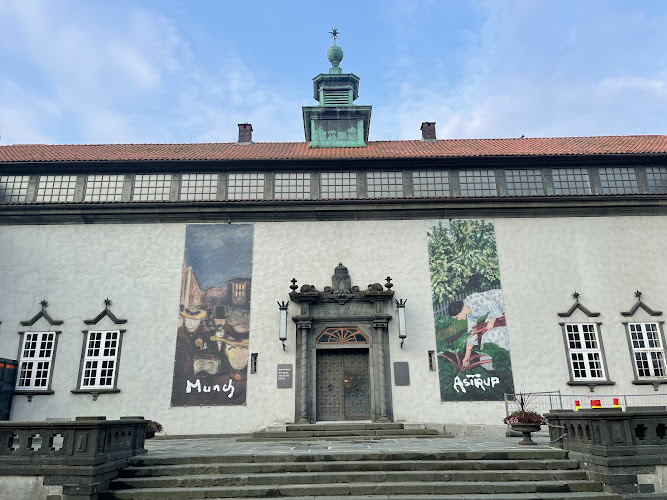
Rasmus Meyer, Kode
About Rasmus Meyer, Kode
Description
If there’s one place in Bergen that quietly captures the soul of Norwegian art, it’s the Rasmus Meyer Collection at Kode. Honestly, the first time I walked through its doors, I didn’t expect to feel such a deep connection to brushstrokes and muted colors—but that’s the thing about this museum. It sneaks up on you. The collection feels both intimate and grand, like stepping into someone’s private world of artistic treasures. You’ll find yourself face-to-face with works by Edvard Munch, whose emotional intensity practically hums off the canvas. And yet, it’s not all about Munch. The gallery also showcases an impressive range of Norwegian art from the 18th to the early 20th centuries, each piece telling a quiet story of a nation finding its artistic voice.
What makes the Rasmus Meyer Collection stand out is how personal it feels. It’s not a massive, overwhelming museum experience where you rush from one masterpiece to the next. Instead, it invites you to slow down. To linger. To notice the little details in a painting’s texture or the way light falls across a landscape. The rooms are beautifully arranged, allowing each artwork to breathe. And even if you’re not a die-hard art lover, there’s something deeply moving about being surrounded by so much history and emotion in one place.
Accessibility is thoughtfully considered here, with wheelchair access throughout and restrooms that accommodate all visitors. Families with kids will also find it surprisingly welcoming—the art might be sophisticated, but the environment is calm, friendly, and easy to navigate. There’s no on-site restaurant, but that’s hardly an issue; Bergen’s charming cafés are just a short stroll away, and honestly, grabbing a coffee afterward to chat about your favorite painting is part of the fun.
Overall, the Rasmus Meyer Collection feels like a well-kept secret, even though it’s part of the larger Kode museum complex. It’s refined without being pretentious, emotional without being overwhelming. You leave not just having seen art, but having felt it.
Key Features
- Home to a remarkable collection of Edvard Munch’s works, including pieces that explore raw human emotion and psychological depth.
- Features Norwegian art from the 18th to early 20th centuries, offering a fascinating glimpse into the nation’s cultural evolution.
- Part of the Kode museum complex, one of the largest art and design museum groups in Scandinavia.
- Beautifully curated galleries that balance historical significance with aesthetic harmony.
- Wheelchair accessible entrance and restrooms, ensuring an inclusive experience for all visitors.
- Peaceful atmosphere ideal for reflection, study, or simply enjoying art at your own pace.
- Kid-friendly environment that encourages curiosity and creativity.
- Conveniently located near central Bergen, making it easy to combine with other sightseeing stops.
Best Time to Visit
While the Rasmus Meyer Collection is open year-round, the best time to visit really depends on what kind of experience you want. Personally, I love going in late autumn or early spring. The weather in Bergen can be moody—rainy one moment, glowing with sunlight the next—and that somehow complements the art inside. There’s something poetic about stepping out of the drizzle and into a room filled with Munch’s melancholic colors. During these months, the museum tends to be quieter, giving you space to really engage with the works without the buzz of large tour groups.
Summer, of course, is busier. Bergen becomes a hub for travelers then, and Kode’s galleries see their fair share of visitors. But the upside is that the city’s energy is infectious. You can make a full day of it—start at Rasmus Meyer, wander through the nearby lakeside park, and maybe catch an open-air concert later. Winter, meanwhile, has its own charm. The shorter days and soft light make the art feel even more intimate. Plus, there’s something cozy about escaping the cold for a few hours surrounded by Norwegian masterpieces.
How to Get There
Getting to the Rasmus Meyer Collection is refreshingly easy. Bergen’s city center is compact, so you can reach the museum on foot from most major hotels and attractions. If you’re staying a bit farther out, the city’s public transport system is reliable and straightforward—buses and the light rail (Bybanen) both have stops within a short walk of the museum. Taxis are available, though they can be pricey, as Norway tends to be. If you’re driving, there are parking options nearby, but honestly, walking lets you soak in more of Bergen’s charm—the cobblestone streets, the colorful wooden houses, the faint scent of the sea in the air.
For those arriving by cruise ship, it’s a pleasant 15- to 20-minute stroll from the port. Just follow the flow of people heading toward the city center, and you’ll find yourself passing through some lovely spots along the way. The museum’s location makes it easy to combine with other nearby attractions, like the other Kode buildings or the scenic Lille Lungegårdsvann lake just outside.
Tips for Visiting
Here’s the thing about visiting the Rasmus Meyer Collection—it’s not a place you rush through. Give yourself time. At least two hours, maybe more if you like to linger or sketch. The galleries are smaller than some big-city museums, but they’re packed with emotional depth. Bring a notebook if you’re the reflective type; jotting down a few thoughts while you’re there can make the experience more personal.
If you’re traveling with kids, don’t worry about them getting bored. The staff are friendly, and the museum’s layout makes it easy to explore without feeling lost. Just remind them not to touch the art (tempting as it is). And if you’re someone who appreciates a quiet atmosphere, aim to visit on a weekday morning—fewer crowds, more serenity.
Photography is usually allowed, but always check the signs. Some of the older works are sensitive to light, and you wouldn’t want to be that person who sets off a flash alarm. Bring a light jacket, too—the climate control inside can feel a bit chilly after a while. And if you’re planning to explore other Kode museums, consider getting a combined ticket—it saves money and opens up a whole world of art, design, and music.
One more thing: don’t skip the gift shop. It’s small but thoughtfully curated, with prints, books, and a few quirky souvenirs that actually feel worth buying. I still have a postcard from my first visit pinned above my desk—it’s a small reminder of how art can shift your mood, even on an ordinary day.
In the end, the Rasmus Meyer Collection isn’t just about seeing famous paintings. It’s about slowing down, connecting with Norwegian culture, and maybe even discovering something new about yourself in the process. Whether you’re an art aficionado or just someone curious about the stories behind the canvases, this museum has a quiet magic that stays with you long after you leave.
Key Features
- Home to a remarkable collection of Edvard Munch’s works, including pieces that explore raw human emotion and psychological depth.
- Features Norwegian art from the 18th to early 20th centuries, offering a fascinating glimpse into the nation’s cultural evolution.
- Part of the Kode museum complex, one of the largest art and design museum groups in Scandinavia.
- Beautifully curated galleries that balance historical significance with aesthetic harmony.
- Wheelchair accessible entrance and restrooms, ensuring an inclusive experience for all visitors.
- Peaceful atmosphere ideal for reflection, study, or simply enjoying art at your own pace.
- Kid-friendly environment that encourages curiosity and creativity.
- Conveniently located near central Bergen, making it easy to combine with other sightseeing stops.
More Details
Updated November 9, 2025
Table of Contents
Description
If there’s one place in Bergen that quietly captures the soul of Norwegian art, it’s the Rasmus Meyer Collection at Kode. Honestly, the first time I walked through its doors, I didn’t expect to feel such a deep connection to brushstrokes and muted colors—but that’s the thing about this museum. It sneaks up on you. The collection feels both intimate and grand, like stepping into someone’s private world of artistic treasures. You’ll find yourself face-to-face with works by Edvard Munch, whose emotional intensity practically hums off the canvas. And yet, it’s not all about Munch. The gallery also showcases an impressive range of Norwegian art from the 18th to the early 20th centuries, each piece telling a quiet story of a nation finding its artistic voice.
What makes the Rasmus Meyer Collection stand out is how personal it feels. It’s not a massive, overwhelming museum experience where you rush from one masterpiece to the next. Instead, it invites you to slow down. To linger. To notice the little details in a painting’s texture or the way light falls across a landscape. The rooms are beautifully arranged, allowing each artwork to breathe. And even if you’re not a die-hard art lover, there’s something deeply moving about being surrounded by so much history and emotion in one place.
Accessibility is thoughtfully considered here, with wheelchair access throughout and restrooms that accommodate all visitors. Families with kids will also find it surprisingly welcoming—the art might be sophisticated, but the environment is calm, friendly, and easy to navigate. There’s no on-site restaurant, but that’s hardly an issue; Bergen’s charming cafés are just a short stroll away, and honestly, grabbing a coffee afterward to chat about your favorite painting is part of the fun.
Overall, the Rasmus Meyer Collection feels like a well-kept secret, even though it’s part of the larger Kode museum complex. It’s refined without being pretentious, emotional without being overwhelming. You leave not just having seen art, but having felt it.
Key Features
- Home to a remarkable collection of Edvard Munch’s works, including pieces that explore raw human emotion and psychological depth.
- Features Norwegian art from the 18th to early 20th centuries, offering a fascinating glimpse into the nation’s cultural evolution.
- Part of the Kode museum complex, one of the largest art and design museum groups in Scandinavia.
- Beautifully curated galleries that balance historical significance with aesthetic harmony.
- Wheelchair accessible entrance and restrooms, ensuring an inclusive experience for all visitors.
- Peaceful atmosphere ideal for reflection, study, or simply enjoying art at your own pace.
- Kid-friendly environment that encourages curiosity and creativity.
- Conveniently located near central Bergen, making it easy to combine with other sightseeing stops.
Best Time to Visit
While the Rasmus Meyer Collection is open year-round, the best time to visit really depends on what kind of experience you want. Personally, I love going in late autumn or early spring. The weather in Bergen can be moody—rainy one moment, glowing with sunlight the next—and that somehow complements the art inside. There’s something poetic about stepping out of the drizzle and into a room filled with Munch’s melancholic colors. During these months, the museum tends to be quieter, giving you space to really engage with the works without the buzz of large tour groups.
Summer, of course, is busier. Bergen becomes a hub for travelers then, and Kode’s galleries see their fair share of visitors. But the upside is that the city’s energy is infectious. You can make a full day of it—start at Rasmus Meyer, wander through the nearby lakeside park, and maybe catch an open-air concert later. Winter, meanwhile, has its own charm. The shorter days and soft light make the art feel even more intimate. Plus, there’s something cozy about escaping the cold for a few hours surrounded by Norwegian masterpieces.
How to Get There
Getting to the Rasmus Meyer Collection is refreshingly easy. Bergen’s city center is compact, so you can reach the museum on foot from most major hotels and attractions. If you’re staying a bit farther out, the city’s public transport system is reliable and straightforward—buses and the light rail (Bybanen) both have stops within a short walk of the museum. Taxis are available, though they can be pricey, as Norway tends to be. If you’re driving, there are parking options nearby, but honestly, walking lets you soak in more of Bergen’s charm—the cobblestone streets, the colorful wooden houses, the faint scent of the sea in the air.
For those arriving by cruise ship, it’s a pleasant 15- to 20-minute stroll from the port. Just follow the flow of people heading toward the city center, and you’ll find yourself passing through some lovely spots along the way. The museum’s location makes it easy to combine with other nearby attractions, like the other Kode buildings or the scenic Lille Lungegårdsvann lake just outside.
Tips for Visiting
Here’s the thing about visiting the Rasmus Meyer Collection—it’s not a place you rush through. Give yourself time. At least two hours, maybe more if you like to linger or sketch. The galleries are smaller than some big-city museums, but they’re packed with emotional depth. Bring a notebook if you’re the reflective type; jotting down a few thoughts while you’re there can make the experience more personal.
If you’re traveling with kids, don’t worry about them getting bored. The staff are friendly, and the museum’s layout makes it easy to explore without feeling lost. Just remind them not to touch the art (tempting as it is). And if you’re someone who appreciates a quiet atmosphere, aim to visit on a weekday morning—fewer crowds, more serenity.
Photography is usually allowed, but always check the signs. Some of the older works are sensitive to light, and you wouldn’t want to be that person who sets off a flash alarm. Bring a light jacket, too—the climate control inside can feel a bit chilly after a while. And if you’re planning to explore other Kode museums, consider getting a combined ticket—it saves money and opens up a whole world of art, design, and music.
One more thing: don’t skip the gift shop. It’s small but thoughtfully curated, with prints, books, and a few quirky souvenirs that actually feel worth buying. I still have a postcard from my first visit pinned above my desk—it’s a small reminder of how art can shift your mood, even on an ordinary day.
In the end, the Rasmus Meyer Collection isn’t just about seeing famous paintings. It’s about slowing down, connecting with Norwegian culture, and maybe even discovering something new about yourself in the process. Whether you’re an art aficionado or just someone curious about the stories behind the canvases, this museum has a quiet magic that stays with you long after you leave.
Key Highlights
- Home to a remarkable collection of Edvard Munch’s works, including pieces that explore raw human emotion and psychological depth.
- Features Norwegian art from the 18th to early 20th centuries, offering a fascinating glimpse into the nation’s cultural evolution.
- Part of the Kode museum complex, one of the largest art and design museum groups in Scandinavia.
- Beautifully curated galleries that balance historical significance with aesthetic harmony.
- Wheelchair accessible entrance and restrooms, ensuring an inclusive experience for all visitors.
- Peaceful atmosphere ideal for reflection, study, or simply enjoying art at your own pace.
- Kid-friendly environment that encourages curiosity and creativity.
- Conveniently located near central Bergen, making it easy to combine with other sightseeing stops.
Location
Places to Stay Near Rasmus Meyer, Kode
Find and Book a Tour
Explore More Travel Guides
No reviews found! Be the first to review!
Traveler Reviews for Rasmus Meyer, Kode
There are no reviews yet. Be the first one to write one.
Have you visited Rasmus Meyer, Kode? Help other travelers by sharing your review.
You Might Also Like

Bryggens Museum - Bymuseet i Bergen
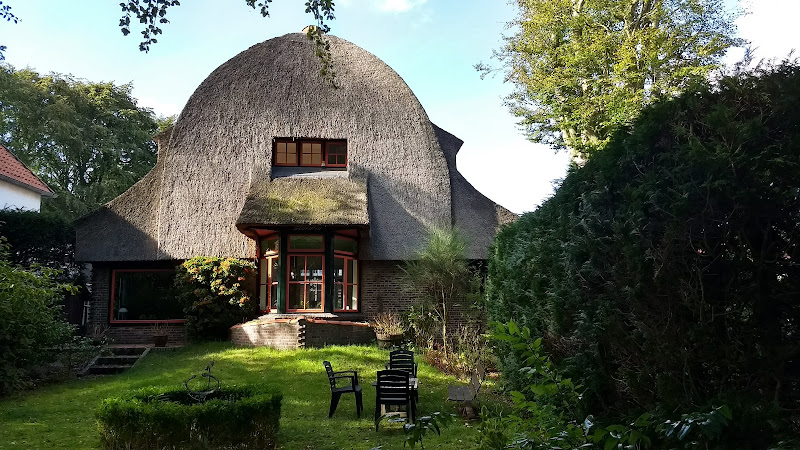
Park Meerwijk
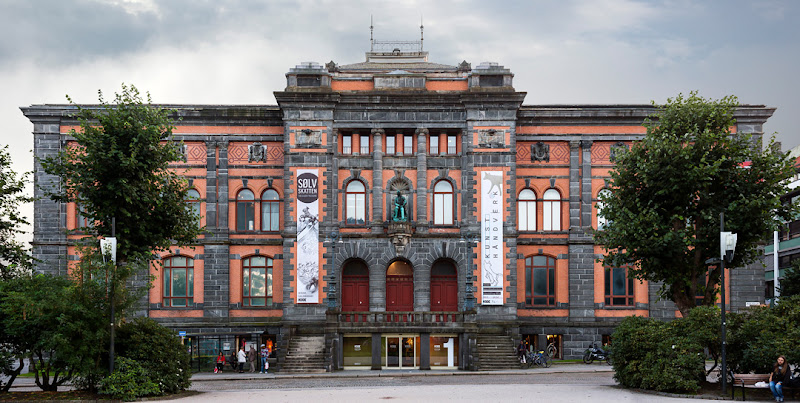
KODE, West Norway Museum of Decorative Art
Find Accommodations Nearby
Recommended Tours & Activities
Visitor Reviews
There are no reviews yet. Be the first one to write one.
Share Your Experience
Have you visited Rasmus Meyer, Kode? Help other travelers by leaving a review.