
Bryggen
About Bryggen
Description
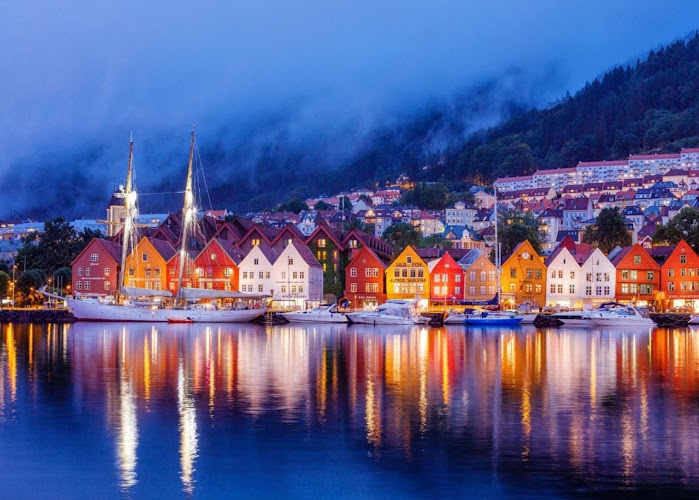
Bryggen, the old wharf of Bergen, is one of those places that feels like stepping straight into a storybook—only with the faint smell of the sea and the creak of old timber under your feet. The row of colorful wooden buildings, tilted ever so slightly with age, tells tales of merchants, sailors, and centuries of life along Norway’s rugged coast. It’s not the kind of place you rush through. You wander, you linger, you listen. The sound of footsteps on the cobblestones, the chatter from a café tucked behind a narrow alley, and the soft hum of the harbor—it all weaves together into something quietly magical.
I remember the first time I walked through Bryggen on a misty morning. The air had that salty chill that clings to your jacket, and the fog made the buildings glow like faded watercolor paintings. It’s easy to see why this UNESCO World Heritage site draws travelers from all over. But what struck me most wasn’t just how beautiful it was—it was how alive it still felt. Locals still work here. Artists still paint here. The smell of fresh bread wafts from the bakeries, and the little shops sell handcrafted goods that actually feel meaningful, not mass-produced souvenirs.
There’s a sense of time bending in Bryggen. You can feel the weight of history—the fires that nearly destroyed it, the rebuilding, the resilience. Every crooked beam and faded sign seems to whisper that the past still matters. And maybe that’s what makes it so special. It’s not frozen in time; it’s breathing history in real time.
Key Features
- Historic Wooden Architecture: The iconic wooden buildings date back to the Hanseatic era, reflecting medieval trading traditions and craftsmanship that’s rare to find intact today.
- UNESCO World Heritage Site: Recognized for its cultural and historical significance, Bryggen stands as a living museum of Norway’s maritime past.
- Charming Cafés and Boutiques: From artisan jewelry to handmade wool sweaters, the shops here offer authentic Norwegian goods and cozy spots to sip coffee while people-watching.
- Hanseatic Museum and Schøtstuene: These museums delve into the lives of the German merchants who once dominated trade in Bergen, offering a fascinating peek into centuries-old traditions.
- Waterfront Views: The harbor’s backdrop of mountains and sea makes for some of the best photography spots in Norway, especially at sunset when the light hits the facades just right.
- Local Art and Culture: Bryggen’s narrow passageways hide small galleries, workshops, and studios where local artists bring new life to ancient walls.
Best Time to Visit
If you ask me, the best time to visit Bryggen depends on what kind of traveler you are. Summer (June to August) is when Bergen truly wakes up. The days stretch long—sometimes it feels like the sun never fully sets—and the harbor buzzes with life. Street musicians play, people sit outside with ice cream even when it’s barely warm enough, and the whole place feels like a festival. But it’s also crowded, and prices climb.
Personally, I love Bryggen in late spring or early autumn. May and September have this quiet charm. The air is crisp, the crowds thin out, and you can actually hear the gulls over the chatter. The colors of the buildings seem richer when the light is softer. And if you’re lucky, you’ll catch a day when the rain pauses just long enough for a perfect photo.
Winter, though—now that’s an entirely different story. It’s cold, sure, and daylight is short, but there’s a kind of peace that settles over Bryggen then. The wooden facades dusted with snow, the smell of cinnamon and coffee drifting out from the cafés—it feels like a secret only a few know. Just bring warm layers and a willingness to slow down.
How to Get There
Getting to Bryggen is pretty straightforward, especially if you’re already in Bergen. Most travelers arrive via Bergen Airport, which is well connected to major European cities. From the airport, the light rail (Bybanen) takes about 45 minutes to reach the city center, and Bryggen is just a short walk from there.
If you’re coming by train from Oslo, you’re in for one of the most scenic rides in Europe—the Bergen Line cuts through mountains, lakes, and valleys that look straight out of a painting. Once you arrive at Bergen Station, it’s about a 15-minute walk to the harbor. And honestly, that walk might be one of the best introductions to the city—you’ll pass colorful streets, the smell of fish soup wafting from the market, and then suddenly, there it is: Bryggen, standing proud by the water.
For those exploring Norway by cruise, many ships dock right near Bryggen, so you can literally step off the boat and into history. Just be prepared for a bit of drizzle—Bergen is famous for its rain. Locals joke that if you can see the mountains, it’s about to rain, and if you can’t, it’s already raining.
Tips for Visiting
Here’s where a few insider tips might make your visit smoother—and more memorable. First, wear good shoes. The cobblestones are uneven and can get slippery when wet (which, let’s be honest, is most of the time). I once tried walking through Bryggen in slick-soled boots and nearly ended up with a very close encounter with the pavement. Lesson learned.
Second, go early in the morning or later in the evening. The tour groups usually swarm in midday, and while it’s lively, it can feel a bit overwhelming. If you visit around 8 a.m. or after 6 p.m., you’ll have those narrow alleys almost to yourself. That’s when Bryggen feels most authentic—quiet, mysterious, and full of whispers from the past.
Third, don’t just stick to the main street. Wander into the back alleys. Peek into the workshops. There’s a candle maker tucked away behind one of the galleries who’s been crafting by hand for decades. You might find a local painter working with the door open, happy to chat about their art or the weather (which, in Bergen, is always a topic).
If you’re into photography, bring a wide-angle lens. The buildings are so close together and slightly tilted that it’s tricky to capture them otherwise. And if you’re visiting during the rain—which you probably will—embrace it. The wet wood glistens, reflections shimmer on the cobblestones, and the colors pop in a way they just don’t on sunny days.
Lastly, take a moment to just sit by the harbor. Grab a coffee or a fish cake (a local favorite) and watch the boats come and go. There’s something grounding about that view—the mix of old and new, the hum of the city, the gulls circling overhead. Bryggen isn’t just a place to see; it’s a place to feel.
In the end, Bryggen is more than a postcard-perfect destination. It’s a reminder that history isn’t just in museums—it’s in the walls, the smells, the sounds, and the people who keep these old buildings alive. Whether you’re here for a few hours or a few days, it’s the kind of place that lingers with you long after you’ve left. And honestly, that’s the best kind of travel experience there is.
Key Features
- Key Features
- Best Time to Visit
- How to Get There
- Tips for Visiting
More Details
Updated November 9, 2025
Table of Contents
Description
Bryggen, the old wharf of Bergen, is one of those places that feels like stepping straight into a storybook—only with the faint smell of the sea and the creak of old timber under your feet. The row of colorful wooden buildings, tilted ever so slightly with age, tells tales of merchants, sailors, and centuries of life along Norway’s rugged coast. It’s not the kind of place you rush through. You wander, you linger, you listen. The sound of footsteps on the cobblestones, the chatter from a café tucked behind a narrow alley, and the soft hum of the harbor—it all weaves together into something quietly magical.
I remember the first time I walked through Bryggen on a misty morning. The air had that salty chill that clings to your jacket, and the fog made the buildings glow like faded watercolor paintings. It’s easy to see why this UNESCO World Heritage site draws travelers from all over. But what struck me most wasn’t just how beautiful it was—it was how alive it still felt. Locals still work here. Artists still paint here. The smell of fresh bread wafts from the bakeries, and the little shops sell handcrafted goods that actually feel meaningful, not mass-produced souvenirs.
There’s a sense of time bending in Bryggen. You can feel the weight of history—the fires that nearly destroyed it, the rebuilding, the resilience. Every crooked beam and faded sign seems to whisper that the past still matters. And maybe that’s what makes it so special. It’s not frozen in time; it’s breathing history in real time.
Key Features
- Historic Wooden Architecture: The iconic wooden buildings date back to the Hanseatic era, reflecting medieval trading traditions and craftsmanship that’s rare to find intact today.
- UNESCO World Heritage Site: Recognized for its cultural and historical significance, Bryggen stands as a living museum of Norway’s maritime past.
- Charming Cafés and Boutiques: From artisan jewelry to handmade wool sweaters, the shops here offer authentic Norwegian goods and cozy spots to sip coffee while people-watching.
- Hanseatic Museum and Schøtstuene: These museums delve into the lives of the German merchants who once dominated trade in Bergen, offering a fascinating peek into centuries-old traditions.
- Waterfront Views: The harbor’s backdrop of mountains and sea makes for some of the best photography spots in Norway, especially at sunset when the light hits the facades just right.
- Local Art and Culture: Bryggen’s narrow passageways hide small galleries, workshops, and studios where local artists bring new life to ancient walls.
Best Time to Visit
If you ask me, the best time to visit Bryggen depends on what kind of traveler you are. Summer (June to August) is when Bergen truly wakes up. The days stretch long—sometimes it feels like the sun never fully sets—and the harbor buzzes with life. Street musicians play, people sit outside with ice cream even when it’s barely warm enough, and the whole place feels like a festival. But it’s also crowded, and prices climb.
Personally, I love Bryggen in late spring or early autumn. May and September have this quiet charm. The air is crisp, the crowds thin out, and you can actually hear the gulls over the chatter. The colors of the buildings seem richer when the light is softer. And if you’re lucky, you’ll catch a day when the rain pauses just long enough for a perfect photo.
Winter, though—now that’s an entirely different story. It’s cold, sure, and daylight is short, but there’s a kind of peace that settles over Bryggen then. The wooden facades dusted with snow, the smell of cinnamon and coffee drifting out from the cafés—it feels like a secret only a few know. Just bring warm layers and a willingness to slow down.
How to Get There
Getting to Bryggen is pretty straightforward, especially if you’re already in Bergen. Most travelers arrive via Bergen Airport, which is well connected to major European cities. From the airport, the light rail (Bybanen) takes about 45 minutes to reach the city center, and Bryggen is just a short walk from there.
If you’re coming by train from Oslo, you’re in for one of the most scenic rides in Europe—the Bergen Line cuts through mountains, lakes, and valleys that look straight out of a painting. Once you arrive at Bergen Station, it’s about a 15-minute walk to the harbor. And honestly, that walk might be one of the best introductions to the city—you’ll pass colorful streets, the smell of fish soup wafting from the market, and then suddenly, there it is: Bryggen, standing proud by the water.
For those exploring Norway by cruise, many ships dock right near Bryggen, so you can literally step off the boat and into history. Just be prepared for a bit of drizzle—Bergen is famous for its rain. Locals joke that if you can see the mountains, it’s about to rain, and if you can’t, it’s already raining.
Tips for Visiting
Here’s where a few insider tips might make your visit smoother—and more memorable. First, wear good shoes. The cobblestones are uneven and can get slippery when wet (which, let’s be honest, is most of the time). I once tried walking through Bryggen in slick-soled boots and nearly ended up with a very close encounter with the pavement. Lesson learned.
Second, go early in the morning or later in the evening. The tour groups usually swarm in midday, and while it’s lively, it can feel a bit overwhelming. If you visit around 8 a.m. or after 6 p.m., you’ll have those narrow alleys almost to yourself. That’s when Bryggen feels most authentic—quiet, mysterious, and full of whispers from the past.
Third, don’t just stick to the main street. Wander into the back alleys. Peek into the workshops. There’s a candle maker tucked away behind one of the galleries who’s been crafting by hand for decades. You might find a local painter working with the door open, happy to chat about their art or the weather (which, in Bergen, is always a topic).
If you’re into photography, bring a wide-angle lens. The buildings are so close together and slightly tilted that it’s tricky to capture them otherwise. And if you’re visiting during the rain—which you probably will—embrace it. The wet wood glistens, reflections shimmer on the cobblestones, and the colors pop in a way they just don’t on sunny days.
Lastly, take a moment to just sit by the harbor. Grab a coffee or a fish cake (a local favorite) and watch the boats come and go. There’s something grounding about that view—the mix of old and new, the hum of the city, the gulls circling overhead. Bryggen isn’t just a place to see; it’s a place to feel.
In the end, Bryggen is more than a postcard-perfect destination. It’s a reminder that history isn’t just in museums—it’s in the walls, the smells, the sounds, and the people who keep these old buildings alive. Whether you’re here for a few hours or a few days, it’s the kind of place that lingers with you long after you’ve left. And honestly, that’s the best kind of travel experience there is.
Key Highlights
- Key Features
- Best Time to Visit
- How to Get There
- Tips for Visiting
Location
Places to Stay Near Bryggen
Find and Book a Tour
Explore More Travel Guides
No reviews found! Be the first to review!
Traveler Reviews for Bryggen
There are no reviews yet. Be the first one to write one.
Have you visited Bryggen? Help other travelers by sharing your review.
You Might Also Like
Gamle Bergen Museum – Bymuseet i Bergen
Park Meerwijk
Ole Bull Fountain
Find Accommodations Nearby
Recommended Tours & Activities
Visitor Reviews
There are no reviews yet. Be the first one to write one.
Share Your Experience
Have you visited Bryggen? Help other travelers by leaving a review.