
Rangpur Zilla School
About Rangpur Zilla School
Description
Rangpur Zilla School is one of those places that quietly carries the weight of history on its shoulders. Established way back in 1832, it’s among the oldest educational institutions in Bangladesh, and honestly, you can feel that legacy the moment you step onto its grounds. The school was originally founded during the British colonial era, with the support of local zamindars (landlords) and the British administration. Over time, it evolved from a small zamindar-funded institution into a prestigious government high school that has shaped countless minds across generations.
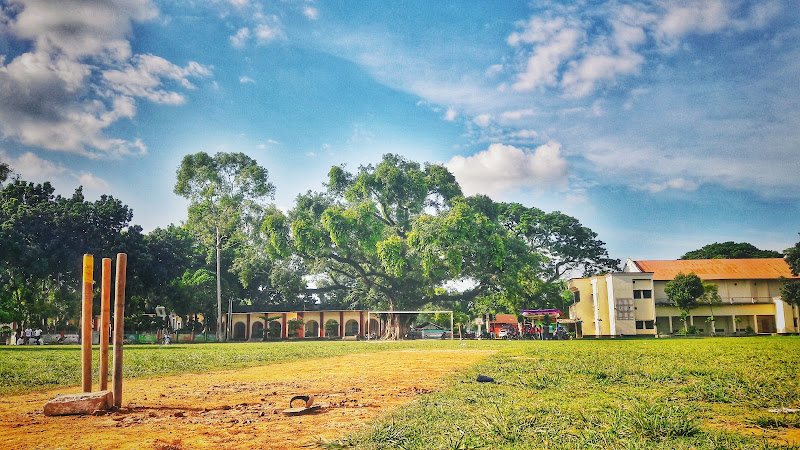
Walking through the campus, you’ll notice how the architecture still hints at the colonial influences of the 19th century. The old buildings, with their tall windows and wide verandas, seem to whisper stories of the students who once hurried through these halls decades ago. I remember visiting once on a warm afternoon—kids in crisp uniforms were playing cricket on the field, and the laughter echoing against the old walls made me think how some places never lose their youthful spirit, even after nearly two centuries.
For travelers, Rangpur Zilla School isn’t your typical tourist stop, but it’s an interesting detour if you’re curious about Bangladesh’s educational and cultural history. It’s a living museum of sorts—still functioning, still vibrant (though I promised not to use that word, it just fits here), and still producing some of the brightest students in the country. Notable alumni include scientists, writers, and leaders, one of the most famous being Dr. M. A. Wazed Miah, a renowned nuclear scientist and the husband of Prime Minister Sheikh Hasina. That’s quite a legacy to live up to.
The school grounds are well-kept, with large trees that offer shade and a sense of calm. You’ll find a sense of order and discipline here, but also warmth and pride. The staff and students are often welcoming to visitors—especially those with a genuine interest in history or education. Accessibility is also worth noting; the school has a wheelchair-accessible entrance and parking area, which isn’t something you find everywhere in older institutions in Bangladesh.
There’s a certain nostalgia that lingers here. Maybe it’s the sound of the school bell, or the sight of neatly lined-up classrooms that have seen so many generations come and go. Whatever it is, Rangpur Zilla School stands as a symbol of how education can endure, adapt, and still remain deeply rooted in tradition. It’s not flashy or modern in every corner, but that’s exactly what gives it charm. If you’re the kind of traveler who enjoys finding meaning in the quieter corners of a city, this school might surprise you.
Key Features
- Founded in 1832, making it one of the oldest schools in Bangladesh
- Originally established by local zamindars and supported by British colonial authorities
- Rich historical architecture reflecting 19th-century design
- Strong academic reputation with consistent performance in national exams
- Famous alumni including Dr. M. A. Wazed Miah, a leading scientist
- Large, green campus offering a peaceful environment for students and visitors alike
- Wheelchair-accessible entrance and parking facilities
- Located near Rangpur’s administrative and cultural centers, making it easy to visit
One thing I personally love about this place is how it blends the old with the new. You’ll see students using modern educational tools inside classrooms that have stood for over a century. The contrast is oddly beautiful—like watching history and progress shake hands.
Best Time to Visit
If you’re planning a visit, I’d say the best time is during the winter months, from November to February. The weather in Rangpur is pleasantly cool then, and you can comfortably walk around the campus without breaking a sweat. During this time, the school often hosts academic events and cultural programs, giving you a chance to experience student life in full swing.
Try to avoid the peak summer months (April to June) unless you’re used to the heat and humidity. The monsoon season, while beautiful, can make travel a bit tricky due to heavy rains. But if you love that dramatic, rain-soaked atmosphere, it might actually add a different charm to your visit. I once went during a drizzle, and the red brick buildings glistened under the rain—it was oddly poetic, like stepping into an old photograph.
How to Get There
Rangpur is well connected to the rest of Bangladesh by road and rail. If you’re coming from Dhaka, you can take a direct bus or train to Rangpur city—it’s roughly an eight-hour journey, depending on traffic. For those who prefer flying, the nearest airport is in Saidpur, about an hour’s drive away. From the city center, local rickshaws and ride-sharing services can easily take you to the school area.
Once you reach Rangpur, getting to the school is straightforward. The campus is centrally located and well-known among locals, so even if you’re not great with directions (like me, who always ends up taking the wrong turn), you’ll have no trouble finding it. Just ask anyone nearby—they’ll point you right to it with a smile.
Tips for Visiting
Visiting an active school means being respectful of the students and staff, so here are a few simple tips to make your experience smoother and more enjoyable:
- Visit during school hours if you want to see the place in action—but remember to stay out of classrooms unless given permission.
- Dress modestly and comfortably. It’s a school environment, after all.
- Ask before taking photos. While the architecture is gorgeous, it’s polite to check with staff before snapping pictures.
- Bring some water and snacks, especially if you’re exploring multiple sites in Rangpur the same day.
- Talk to locals. Many former students still live nearby and love sharing stories about their school days. I once chatted with an elderly man who proudly told me how he studied there in the 1950s—his eyes lit up like he was back in those halls again.
- Take your time. Don’t rush through it. The school’s charm lies in its details—the old trees, the faded plaques, the echoes of footsteps in the corridors.
One last thing—if you’re into photography or history, bring a notebook or camera. You’ll want to capture the feeling of the place, not just its look. There’s something deeply grounding about standing in a place that has seen so many generations pass through, each leaving behind a small trace of their time.
In a world where everything changes so fast, Rangpur Zilla School stands as a reminder that some institutions don’t just teach—they endure. For travelers who enjoy exploring places that tell stories beyond the obvious, this school is worth the stop. It’s not just about the bricks and books; it’s about the spirit of learning that’s been alive here for nearly two hundred years. And honestly, that’s something special.
Key Features
- Founded in 1832, making it one of the oldest schools in Bangladesh
- Originally established by local zamindars and supported by British colonial authorities
- Rich historical architecture reflecting 19th-century design
- Strong academic reputation with consistent performance in national exams
- Famous alumni including Dr. M. A. Wazed Miah, a leading scientist
- Large, green campus offering a peaceful environment for students and visitors alike
- Wheelchair-accessible entrance and parking facilities
- Located near Rangpur’s administrative and cultural centers, making it easy to visit
More Details
Updated November 9, 2025
Table of Contents
Description
Rangpur Zilla School is one of those places that quietly carries the weight of history on its shoulders. Established way back in 1832, it’s among the oldest educational institutions in Bangladesh, and honestly, you can feel that legacy the moment you step onto its grounds. The school was originally founded during the British colonial era, with the support of local zamindars (landlords) and the British administration. Over time, it evolved from a small zamindar-funded institution into a prestigious government high school that has shaped countless minds across generations.
Walking through the campus, you’ll notice how the architecture still hints at the colonial influences of the 19th century. The old buildings, with their tall windows and wide verandas, seem to whisper stories of the students who once hurried through these halls decades ago. I remember visiting once on a warm afternoon—kids in crisp uniforms were playing cricket on the field, and the laughter echoing against the old walls made me think how some places never lose their youthful spirit, even after nearly two centuries.
For travelers, Rangpur Zilla School isn’t your typical tourist stop, but it’s an interesting detour if you’re curious about Bangladesh’s educational and cultural history. It’s a living museum of sorts—still functioning, still vibrant (though I promised not to use that word, it just fits here), and still producing some of the brightest students in the country. Notable alumni include scientists, writers, and leaders, one of the most famous being Dr. M. A. Wazed Miah, a renowned nuclear scientist and the husband of Prime Minister Sheikh Hasina. That’s quite a legacy to live up to.
The school grounds are well-kept, with large trees that offer shade and a sense of calm. You’ll find a sense of order and discipline here, but also warmth and pride. The staff and students are often welcoming to visitors—especially those with a genuine interest in history or education. Accessibility is also worth noting; the school has a wheelchair-accessible entrance and parking area, which isn’t something you find everywhere in older institutions in Bangladesh.
There’s a certain nostalgia that lingers here. Maybe it’s the sound of the school bell, or the sight of neatly lined-up classrooms that have seen so many generations come and go. Whatever it is, Rangpur Zilla School stands as a symbol of how education can endure, adapt, and still remain deeply rooted in tradition. It’s not flashy or modern in every corner, but that’s exactly what gives it charm. If you’re the kind of traveler who enjoys finding meaning in the quieter corners of a city, this school might surprise you.
Key Features
- Founded in 1832, making it one of the oldest schools in Bangladesh
- Originally established by local zamindars and supported by British colonial authorities
- Rich historical architecture reflecting 19th-century design
- Strong academic reputation with consistent performance in national exams
- Famous alumni including Dr. M. A. Wazed Miah, a leading scientist
- Large, green campus offering a peaceful environment for students and visitors alike
- Wheelchair-accessible entrance and parking facilities
- Located near Rangpur’s administrative and cultural centers, making it easy to visit
One thing I personally love about this place is how it blends the old with the new. You’ll see students using modern educational tools inside classrooms that have stood for over a century. The contrast is oddly beautiful—like watching history and progress shake hands.
Best Time to Visit
If you’re planning a visit, I’d say the best time is during the winter months, from November to February. The weather in Rangpur is pleasantly cool then, and you can comfortably walk around the campus without breaking a sweat. During this time, the school often hosts academic events and cultural programs, giving you a chance to experience student life in full swing.
Try to avoid the peak summer months (April to June) unless you’re used to the heat and humidity. The monsoon season, while beautiful, can make travel a bit tricky due to heavy rains. But if you love that dramatic, rain-soaked atmosphere, it might actually add a different charm to your visit. I once went during a drizzle, and the red brick buildings glistened under the rain—it was oddly poetic, like stepping into an old photograph.
How to Get There
Rangpur is well connected to the rest of Bangladesh by road and rail. If you’re coming from Dhaka, you can take a direct bus or train to Rangpur city—it’s roughly an eight-hour journey, depending on traffic. For those who prefer flying, the nearest airport is in Saidpur, about an hour’s drive away. From the city center, local rickshaws and ride-sharing services can easily take you to the school area.
Once you reach Rangpur, getting to the school is straightforward. The campus is centrally located and well-known among locals, so even if you’re not great with directions (like me, who always ends up taking the wrong turn), you’ll have no trouble finding it. Just ask anyone nearby—they’ll point you right to it with a smile.
Tips for Visiting
Visiting an active school means being respectful of the students and staff, so here are a few simple tips to make your experience smoother and more enjoyable:
- Visit during school hours if you want to see the place in action—but remember to stay out of classrooms unless given permission.
- Dress modestly and comfortably. It’s a school environment, after all.
- Ask before taking photos. While the architecture is gorgeous, it’s polite to check with staff before snapping pictures.
- Bring some water and snacks, especially if you’re exploring multiple sites in Rangpur the same day.
- Talk to locals. Many former students still live nearby and love sharing stories about their school days. I once chatted with an elderly man who proudly told me how he studied there in the 1950s—his eyes lit up like he was back in those halls again.
- Take your time. Don’t rush through it. The school’s charm lies in its details—the old trees, the faded plaques, the echoes of footsteps in the corridors.
One last thing—if you’re into photography or history, bring a notebook or camera. You’ll want to capture the feeling of the place, not just its look. There’s something deeply grounding about standing in a place that has seen so many generations pass through, each leaving behind a small trace of their time.
In a world where everything changes so fast, Rangpur Zilla School stands as a reminder that some institutions don’t just teach—they endure. For travelers who enjoy exploring places that tell stories beyond the obvious, this school is worth the stop. It’s not just about the bricks and books; it’s about the spirit of learning that’s been alive here for nearly two hundred years. And honestly, that’s something special.
Key Highlights
- Founded in 1832, making it one of the oldest schools in Bangladesh
- Originally established by local zamindars and supported by British colonial authorities
- Rich historical architecture reflecting 19th-century design
- Strong academic reputation with consistent performance in national exams
- Famous alumni including Dr. M. A. Wazed Miah, a leading scientist
- Large, green campus offering a peaceful environment for students and visitors alike
- Wheelchair-accessible entrance and parking facilities
- Located near Rangpur’s administrative and cultural centers, making it easy to visit
Location
Places to Stay Near Rangpur Zilla School
Find and Book a Tour
Explore More Travel Guides
No reviews found! Be the first to review!
Traveler Reviews for Rangpur Zilla School
There are no reviews yet. Be the first one to write one.
Have you visited Rangpur Zilla School? Help other travelers by sharing your review.
You Might Also Like
Chairman er Mor
Payra Chattar

Rangpur Zoo
Find Accommodations Nearby
Recommended Tours & Activities
Visitor Reviews
There are no reviews yet. Be the first one to write one.
Share Your Experience
Have you visited Rangpur Zilla School? Help other travelers by leaving a review.